
The Importance of Behavioral Training for Dogs: How to Teach Basic Commands

Understanding the Role of Behavioral Training
Every dog owner wants a well-behaved companion. However, achieving this requires more than just love and affection; it necessitates behavioral training. This type of training helps dogs learn essential commands and behaviors that contribute to their overall well-being and safety. In the diverse landscape of dog ownership across the United States, where dogs are often considered family members, behavioral training becomes a critical element in ensuring a harmonious relationship.
Basic commands form the foundation of effective communication between dogs and their owners. These commands, which include simple directives like “come,” “down,” and “leave it,” play pivotal roles in everyday activities and interactions. For example, a dog that responds to the “come” command can be safely called back from potential danger, such as a busy street. Not only do these commands aid in managing a dog’s behavior, but they also enhance the bond between them. Here are some key benefits of teaching basic commands:
- Safety: Commands like “sit” and “stay” can prevent accidents and dangerous situations. For instance, teaching a dog to “sit” before crossing a street can prevent them from darting into traffic.
- Socialization: Well-trained dogs are better suited for interactions with other pets and people. In social setups, when a dog reliably responds to commands, it can reduce anxiety for both the dog and the owner.
- Behavioral Management: Commands help curb undesirable behaviors such as jumping or barking excessively. A dog that knows to “quiet” can maintain peace in a crowded environment, such as a public park.
When it comes to teaching these commands, consistency and patience are crucial. Dogs, much like humans, have unique learning styles; understanding this variance can significantly impact training success. Owners can utilize various techniques, including treats, positive reinforcement, or clicker training, which capitalizes on immediate feedback to encourage desired behavior. For example, offering a small treat immediately after a dog sits on command reinforces that behavior.
Moreover, creating a structured environment that includes regular training sessions ensures that learning is reinforced and that both the dog and owner remain engaged. Incorporating play into training can also make the process more enjoyable, turning lessons into fun activities instead of tedious chores.
As we delve deeper, we will explore practical strategies for instilling basic commands, ensuring that every dog can thrive in a loving and structured environment. This journey into behavioral training not only transforms your dog’s behavior but also enriches the joyful experience of pet ownership. Ultimately, mastering these skills can lead to a more fulfilling relationship, where dogs and their owners coexist in harmony, paving the way for a rewarding and enriching companionship.
Commencing with the Basics: Essential Commands for Every Dog
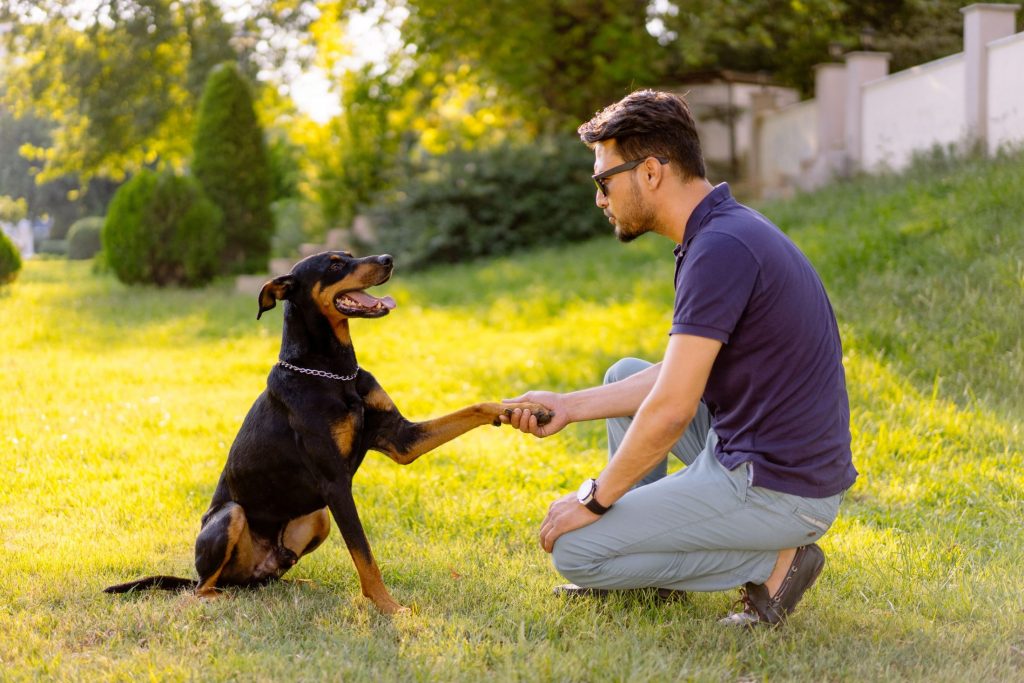
When it comes to behavioral training, the journey begins with mastering basic commands. Understanding these commands not only lays the groundwork for more advanced training but also fosters a sense of security and reliability in dogs. The fundamental commands such as “sit,” “stay,” “come,” “down,” and “leave it” are vital in everyday situations and can profoundly impact a dog’s behavior and your safety during outings.
These commands are more than mere words; they are lifelines that enhance communication between you and your furry friend. For instance, the command “come” can save a dog’s life by preventing them from running into danger, such as traffic or hazardous situations. Similarly, “leave it” can avert unwanted messes or harmful encounters, guiding dogs away from objects that could endanger their health. To further illustrate, here are a few core commands and their significance:
- “Sit”: A foundational command that encourages dogs to remain stationary. This command can soothe a dog in high-energy environments, making it easier to control their behavior.
- “Stay”: This command is crucial for ensuring that your dog remains in place until you give them further instructions, ideal for keeping them calm in crowded or distracting settings.
- “Come”: Often considered one of the most important commands, “come” allows owners to call their dogs back safely, avoiding potential hazards.
Implementing these commands effectively involves understanding your dog’s learning style and recognizing that all dogs learn at different rates. As a dog owner, employing a method that resonates with your companion’s personality is essential. Positive reinforcement is typically the most effective way to teach commands. This technique lets you reward desirable behaviors through treats, praise, or toys, creating an excited and encouraging atmosphere for learning.
Consistency during training sessions is equally vital. Using the same command words, gestures, and rewards ensures that your dog remains clear and focused on what is expected of them. Short, regular training sessions of around 5 to 10 minutes are often more effective than long, tedious training hours, as they can help maintain a dog’s attention and enthusiasm.
Moreover, incorporating play can significantly enhance the training experience. This interactive approach allows your dog to associate learning with fun, making them more inclined to engage in the process. Games like fetch or tug-of-war can seamlessly integrate training commands, which not only reinforces the learning but also strengthens the bond between owner and pet.
As we progress through this discussion on behavioral training, we will explore specific strategies for teaching these foundational commands effectively. This knowledge equips dog owners with the tools necessary to foster an environment where dogs can thrive, ensuring both safety and joy in their companionship.
The Importance of Behavioral Training for Dogs: How to Teach Basic Commands
Behavioral training is not just about teaching your dog how to follow commands; it plays a crucial role in strengthening the bond between you and your furry friend. Understanding basic commands like “sit,” “stay,” and “come” helps establish a line of communication that facilitates everyday interactions. Moreover, it significantly improves your dog’s responsiveness, making it easier to manage their behavior in various situations, whether at home or in public.
One of the key aspects of effective behavioral training is the use of positive reinforcement. This technique encourages desired behaviors by providing rewards when your dog successfully performs a command. This could be in the form of treats, praise, or playtime, which not only motivates your pet but also builds their confidence. As dogs learn that positive actions lead to rewards, they become more eager to participate in training sessions.
Additionally, developing a routine for training can lead to significant behavioral changes. Regular practice helps reinforce commands and keeps the learning fresh in your dog’s mind. Consider integrating these training sessions into daily activities, such as mealtime or walks. By turning training into a fun and regular part of your dog’s life, you create an environment that fosters learning and enhances behavioral development.
Furthermore, understanding the role of socialization in behavioral training is vital. Exposing your dog to various environments, people, and other animals can help reduce anxiety and fear-based behaviors. This exposure enhances your dog’s ability to follow commands in different situations, ensuring they are well-adjusted and capable of responding appropriately in real-world scenarios.
In summary, behavioral training is invaluable for every dog, laying the groundwork for a well-mannered companion. By focusing on positive reinforcement, creating a structured routine, and prioritizing socialization, you will not only teach your dog basic commands but also enrich their lives, making them more confident, happy, and obedient.
| Category | Key Features |
|---|---|
| Positive Reinforcement | Encourages desired behaviors through rewards, which boosts motivation and confidence. |
| Routine Training | Regular practice reinforces commands and integrates learning into daily activities, enhancing retention. |
Delving deeper into behavioral training can illuminate additional methods for improving your dog’s obedience and happiness. Understanding the psychological aspects of training allows owners to tailor approaches specific to their dog’s personality and needs. Explore various resources, attend workshops, or consult a professional trainer to discover innovative tactics that align with your training goals.
Effective Techniques for Teaching Commands: Engaging Your Dog’s Mind
Building upon the foundational commands, employing effective teaching techniques can greatly enhance your dog’s behavioral training. One of the most popular methodologies utilized by dog trainers is the “lure and reward” technique, which combines visual cues with treats to guide your dog into adopting the desired behavior. For instance, when teaching “sit,” you might hold a treat above your dog’s nose and move it slightly back. As their head lifts to follow the treat, their bottom naturally lowers into a sitting position, at which point you can reward them with the treat and praise.
Moreover, clicker training has gained popularity among dog owners due to its effectiveness in providing immediate feedback. This technique utilizes a clicker, a small handheld device that produces a distinct sound, to mark the exact moment your dog exhibits the desired behavior. When combined with treats, the sound of the click establishes a clear connection between the action and the reward. For example, you can click when your dog successfully sits and then immediately give them a treat. This immediate reinforcement helps in solidifying learning by creating a positive association.
Additionally, understanding the role of timing and context in training is crucial. Training sessions should ideally occur in various environments to ensure your dog learns to apply commands in different situations. Whether in the garden, at a park, or in the bustling atmosphere of a pet-friendly café, varied locations help dogs understand that commands like “stay” and “come” are applicable regardless of their surroundings. This is particularly important for commands that may be life-saving, like “come,” as your dog should respond reliably in any scenario.
It’s also essential to manage expectations during the training process. Dogs, much like humans, can have off days, and inconsistencies in behavior are normal. Patience and understanding go a long way. For instance, if your dog struggles to grasp “down” one day, it may be beneficial to take a break and return to the command later. Over time, with consistent reinforcement, those initial struggles will improve, and your dog will respond with confidence.
Finally, incorporating socialization into your training routine is key for a well-rounded dog. Exposing your dog to other pets and people can enhance their ability to follow commands, particularly in the presence of distractions. Schedule playdates with other dogs and encourage the application of commands like “sit” and “stay” during these interactions. Additionally, enrolling your dog in group training classes can offer new social opportunities while reinforcing their training in a controlled environment, allowing them to learn by observing others.
As we delve deeper into behavioral training, it’s crucial to remember that every dog is unique. Factors such as age, breed, and temperament can affect how effectively a dog learns commands. Tailoring your approach to fit your dog’s personality can yield the best results, fostering a stronger bond and ensuring their safety. With patience, practice, and the right techniques, any dog owner can teach their dog essential commands, enriching their lives and enhancing their relationship.
Conclusion: Strengthening the Bond Through Training
In the journey of dog ownership, the significance of behavioral training cannot be overstated. Teaching basic commands is not merely about instilling obedience; it paves the way for a deeper understanding and communication between you and your pet. By implementing effective training techniques—such as the lure and reward method or clicker training—you promote engagement and mental stimulation for your dog, making learning a fun and enjoyable experience.
Moreover, training should extend beyond the confines of your home. Exposing your dog to different environments is essential for reinforcing commands, ensuring that your furry friend can respond reliably, regardless of distractions. The incorporation of socialization into training routines further enriches your dog’s development, sharpening their focus and responsiveness through real-life interactions.
It’s essential to remember, however, that each dog is unique, and adaptation to their individual needs will enhance your training efforts. Patience, consistency, and understanding are the cornerstones of successful behavioral training. As you take the time to nurture your dog’s learning experience, you’ll not only teach them essential commands but also foster trust and companionship in your relationship. Ultimately, investing in behavioral training creates a safe and harmonious household, allowing for a delightful and responsible companionship.
As you continue to explore training resources, consider joining community classes or consulting professionals to further enhance your understanding. The more you learn, the stronger and more rewarding your connection with your canine companion will become.