
How Aromatherapy Can Contribute to the Well-Being of Pets
The Significance of Aromatherapy in Pet Care
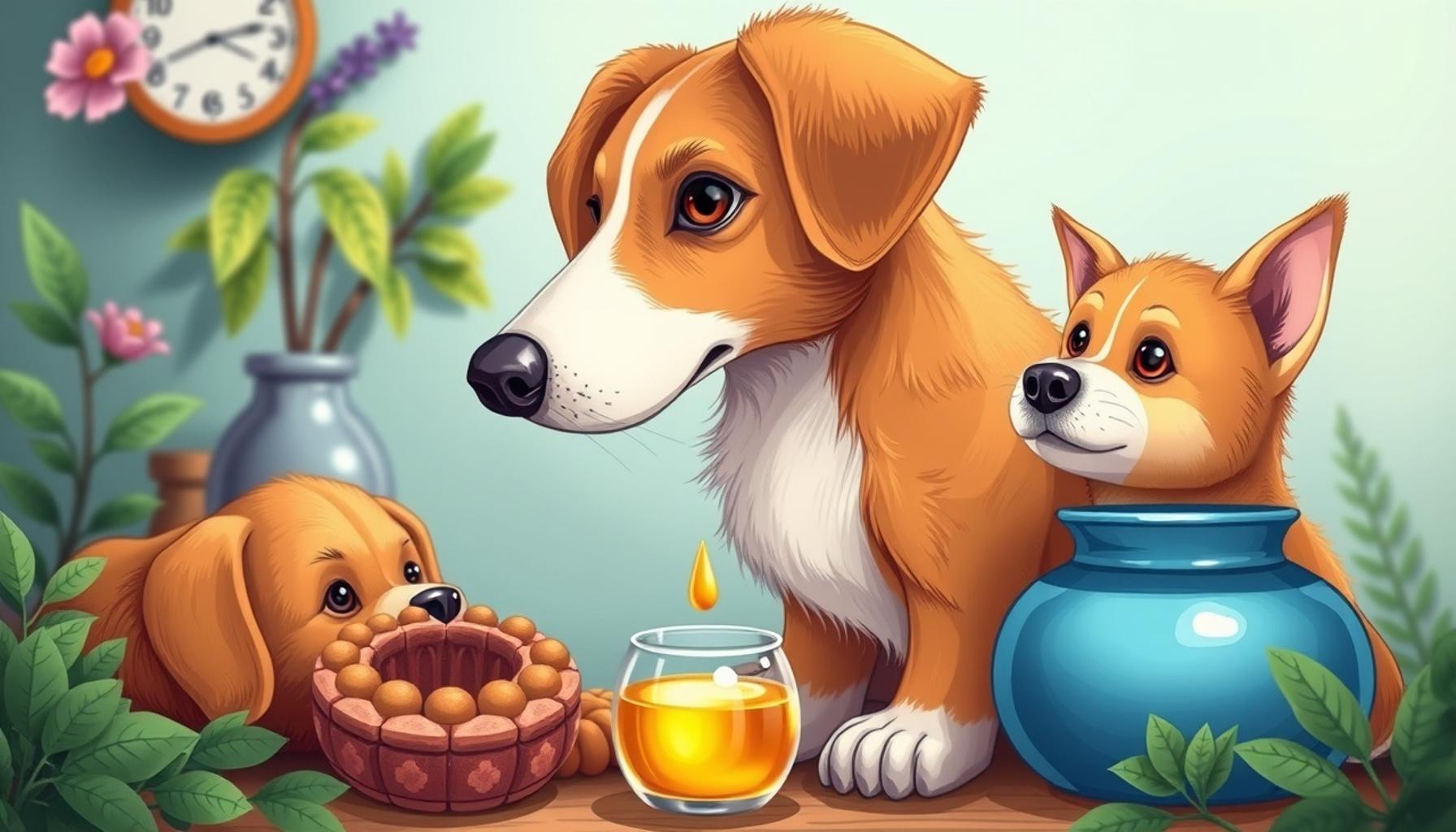
The concept of using aromatherapy to enhance the well-being of pets is rooted in the understanding that they, like humans, are affected by their environment and the scents that permeate it. Essential oils derived from plants have long been used in holistic health practices for their therapeutic properties. For instance, essential oils such as lavender and rose have been celebrated for their calming effects, making them popular choices among pet owners looking to reduce anxiety in their animals.
How Aromatherapy Works
Aromatherapy operates on the principle that inhaling specific scents can elicit physiological and psychological responses. When an essential oil is diffused into the air or applied topically (after being diluted appropriately), it can stimulate the dog’s or cat’s olfactory receptors, sending signals to the brain that may help to promote relaxation or other desired outcomes.
For example, during a thunderstorm, many dogs experience heightened anxiety. In such situations, employing calming scents like chamomile or Frankincense can create a comforting atmosphere, helping the pet feel more secure. A study conducted in 2020 found that dogs exposed to lavender during storms exhibited reduced signs of anxiety compared to those who did not benefit from the fragrance.
Essential Oils for Common Pet Concerns
Aromatherapy not only aids in stress reduction but can also support overall health. Here are some specific examples of essential oils that can benefit pets:
- Peppermint: Known for its invigorating scent, peppermint oil can assist in clearing congestion and easing digestive discomfort in pets.
- Tea Tree: While it must be used with caution, diluted tea tree oil may serve as a natural remedy for minor cuts and skin irritations due to its antibacterial properties.
- Ginger: This oil is praised for its anti-nausea properties, making it a good choice for pets prone to car sickness.
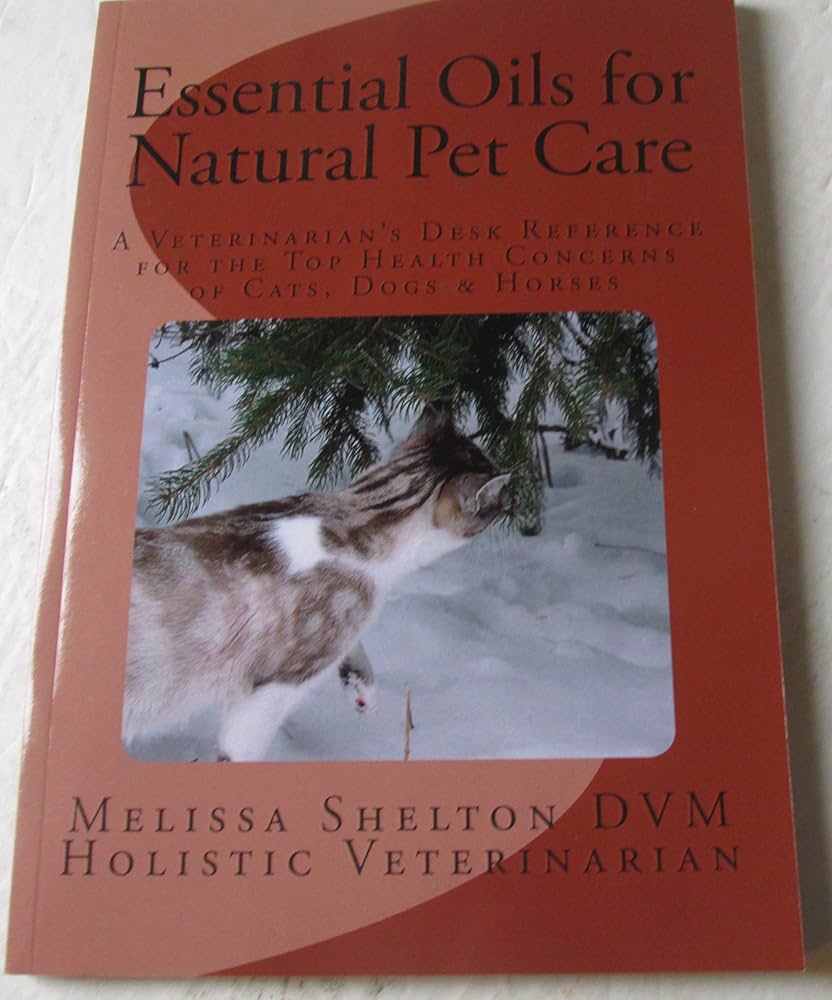
It is important to note that not all essential oils are safe for pets. Oils such as tea tree and cinnamon can be toxic in certain concentrations, which underscores the importance of consulting with a veterinarian knowledgeable in aromatherapy before beginning any regimen.
Conclusion: A Gentle Approach to Pet Wellness
As the interest in natural therapies continues to rise among pet owners, integrating aromatherapy into a pet’s wellness routine provides an exciting avenue for enhancing their quality of life. Whether it’s easing anxiety during travel or promoting restful sleep, essential oils offer a range of potential benefits. However, it is crucial to approach this practice with care and seek guidance from professionals, ensuring that the safety of furry friends remains the top priority.
Ultimately, exploring the world of aromatherapy could open up a realm of comfort and wellness for pets, fostering stronger bonds and enriching experiences for both pets and their owners.
The Benefits of Aromatherapy for Pets
Aromatherapy has rapidly gained traction among pet owners as a complementary treatment that enhances overall well-being. From creating a calmer environment to addressing specific health concerns, the skillful use of essential oils can significantly impact a pet’s daily life. The habits and behaviors of our furry companions can be influenced by their emotional and physical states, and harnessing the power of natural aromas offers a pathway to positive change.
Creating a Calming Environment
One of the primary applications of aromatherapy in pet care is stress reduction. Many pets experience anxiety caused by various triggers, such as loud noises, unfamiliar places, or changes in routine. Utilizing essential oils known for their calming effects can transform a stressful atmosphere into a serene haven. For example, lavender is renowned for its ability to soothe and relax both humans and animals. Studies have shown that compounds in lavender can lower heart rates and reduce cortisol levels, making it particularly effective during stressful situations like vet visits or thunderstorms.
Additionally, oils like valerian and Bergamot have been identified for their comforting properties. Incorporating a diffusion system that disperses these scents throughout the home can help pets associate their environment with tranquility. A dedicated space where pets can retreat to unwind, paired with calming essential oils, can create a sanctuary for any anxious animal.
Addressing Behavioral Issues
Aromatherapy can also be a valuable tool in addressing behavioral concerns such as excessive barking, scratching, or destructive activities that stem from anxiety or boredom. Essential oils like citrus and geranium can refresh the environment and stimulate pets, potentially redirecting their energy toward more positive behaviors. Furthermore, these scents can foster a sense of calm, making it easier for dogs and cats to engage in training and socialization.
Natural Remedies for Physical Ailments
Beyond their emotional benefits, essential oils can serve as natural remedies for common physical ailments in pets. For instance, certain essential oils possess anti-inflammatory or pain-relieving properties. Lavender and peppermint, when appropriately diluted, can be applied topically to soothe muscle soreness or reduce inflammation. Despite their practicality, it is crucial for pet owners to approach the use of essential oils with caution, as some oils may not be suitable for all animals. Understanding the individual needs and sensitivities of a pet will help in selecting the most effective oils.
The Importance of Proper Use
As with any therapeutic method, the effectiveness of aromatherapy for pets depends greatly on how it is implemented. It is imperative to use only high-quality, pet-safe essential oils and to ensure that they are properly diluted before application. Many pet owners are turning to certified aromatherapists or veterinarians who specialize in holistic care, recognizing the importance of professional guidance to avoid common pitfalls. Additionally, it is vital to monitor pets for any adverse reactions when introducing new essential oils to their environment.
Incorporating aromatherapy into a pet’s wellness routine can undeniably enrich their lives, promoting harmony and comfort. Whether battling anxiety, enhancing physical health, or simply fostering a peaceful atmosphere, the potential benefits are noteworthy. As this practice continues to grow in popularity, a balance between safety and effectiveness will remain essential for nurturing our beloved companions.
| Aromatherapy Techniques | Benefits for Pets |
|---|---|
| Essential Oils Diffusion | Creates a calming environment, reducing anxiety in pets. |
| Topical Applications | Can alleviate skin irritations and provide emotional balance. |
| Aromatherapy Baths | Promotes relaxation and enhances the bonding experience between pets and owners. |
| Massage with Aromatic Oils | Helps stimulate circulation and reduces stress levels in pets. |
Incorporating these aromatherapy techniques into your pet’s care routine can significantly contribute to their overall well-being. With safety as a priority, pet owners must always consult a veterinarian before introducing essential oils, ensuring they choose pet-safe options. Aromatherapy offers an array of benefits, enhancing emotional stability and physical health, creating a holistic approach to pet wellness that captivates both owners and their furry companions. Discover the world of essential oils designed specifically for pets and unlock the secrets to improving their quality of life, leading to a happier, healthier existence.
Enhancing Overall Health with Aromatherapy
Aromatherapy is not only a powerful aid for emotional well-being; it can also play a significant role in enhancing the physical health of pets. By addressing issues such as skin irritations, respiratory conditions, and even digestive problems, essential oils can be a natural alternative to traditional medicinal treatments. Pet owners are increasingly looking towards holistic approaches, making it essential to understand how the right oils can promote better health outcomes.
Skin and Coat Care
Many pets suffer from skin conditions including dryness, itching, and hotspot infections. Essential oils such as tea tree and chamomile have been lauded for their antibacterial and antifungal properties, making them excellent candidates for a pet’s skincare regimen. When diluted properly in a carrier oil, these can be applied to affected areas or used in soothing bath recipes. Furthermore, coconut oil, known for its moisturizing characteristics, can provide additional benefits by leaving a pet’s coat soft and shiny.
Respiratory Support
Pets, much like their human companions, can experience respiratory issues such as allergies, asthma, and even congestion. Essential oils like eucalyptus and peppermint are recognized for their potential to open airways and relieve congestion. A gentle diffusion of these oils can create a more pleasant environment, particularly for pets sensitive to indoor allergens. However, it is important to exercise caution. Not all pets respond positively to every essential oil, and some, such as cats, can be especially sensitive. Consulting with a veterinarian before introducing these oils will ensure that you’re selecting options known to be safe for your pet’s specific needs.
Digestive Aid
Digestive issues are a common concern among many pets, often leading to discomfort, excess gas, or irregular bowel movements. Certain essential oils, including ginger and fennel, have been recognized for their digestive benefits. These oils can help soothe an upset stomach, aid in digestion, and even stimulate appetite, particularly beneficial for pets recovering from illness or surgery. Incorporating a safe and appropriate dose of these oils into the diet or using them in a diffuser can effectively support digestive health.
Immune System Support
A strong immune system is crucial for pets, and essential oils may provide that extra boost. Oils like oregano and thieves blend are heralded for their antimicrobial properties, helping to fend off illness and keep pets healthy. Regular exposure to these oils in diluted forms can promote a resilient immune response. As a part of a holistic approach, these oils can work in tandem with a balanced diet and regular exercise to optimize overall well-being.
Consultation with Professionals
The integration of aromatherapy into your pet’s healthcare routine should always involve consultation with professionals who specialize in animal aromatherapy or holistic practices. They can provide insight into the appropriate oils tailored to individual health needs, considering specific pre-existing conditions and sensitivities. Creating a well-informed and balanced approach can maximize the benefits while minimizing risks associated with improper use.
In the world of pet care, the exploration of aromatherapy continues to evolve, revealing promising potential that goes beyond mere relaxation. As awareness grows among pet owners and healthcare professionals alike, the symbiotic relationship between essential oils and animal health is becoming more appreciated, fostering a holistic environment for the furry members of our families.
Conclusion: Embracing Aromatherapy for Pet Wellness
In conclusion, aromatherapy stands as a promising avenue for enhancing the health and happiness of our beloved pets. By integrating essential oils into a pet’s daily routine, pet owners can address a multitude of health concerns ranging from skin irritations to digestive issues. The natural properties of essential oils like chamomile for skin care, eucalyptus for respiratory ease, and ginger for digestive comfort demonstrate the potential benefits that can be reaped when utilizing aromatherapy.
However, it is crucial to approach this integrative method with careful consideration. Engaging with professionals in the field of animal aromatherapy ensures that the specific health needs of your pet are met, while also mitigating any risks associated with improper use of essential oils. This personalized guidance can help maximize the benefits, so that pets can fully experience the calming and healing effects that aromatherapy has to offer.
Moreover, as the trend toward holistic wellness continues, pet owners are encouraged to remain informed and curious about the various applications of aromatherapy. By fostering a fundamental understanding of how these natural remedies can support overall pet health, you empower yourself to make better choices for your furry companions. In our quest for optimal pet care, aromatherapy represents an intriguing intersection of tradition and innovation, inviting pet lovers to explore new horizons in enhancing their pets’ well-being.