
How to Deal with Undesirable Behaviors in Elderly Pets: Effective Modification Strategies

Understanding Undesirable Behaviors in Elderly Pets
As our furry companions mature, they often display undesirable behaviors that can be perplexing and stressful for pet owners. These changes may manifest in various forms, such as increased vocalization, inappropriate elimination, or sudden aggression. It’s essential to understand that these behaviors are not simply acts of defiance; rather, they may indicate underlying health issues or cognitive decline that accompany aging.
Many older pets begin showing signs of discomfort or confusion due to factors like arthritis, dental problems, or even dementia-like symptoms, known in pets as canine cognitive dysfunction syndrome (CCDS). For example, a once-quiet dog might start barking excessively due to confusion or anxiety. Similarly, a cat may stop using the litter box if they are experiencing joint pain that makes access difficult. It’s crucial for owners to recognize these changes and be proactive in addressing them.
- Common behaviors to look out for:
- Excessive barking or howling, which can indicate stress or discomfort.
- Inappropriate elimination stemming from medical issues or anxiety.
- Aggression or irritability that can arise from pain or frustration.
- Destructive chewing as a coping mechanism for anxiety.
- Changes in eating habits, including decreased appetite or sudden food aversions.
Observing an elderly pet dealing with these challenges can be deeply upsetting for any owner. However, there are various effective strategies for modifying these behaviors. Through understanding, patience, and the right techniques, pet owners can significantly improve their aging companion’s quality of life.
- Implementing positive reinforcement: Rewarding desired behaviors with treats or praise can encourage pets to repeat good actions, rather than punish undesirable ones.
- Establishing a consistent routine: Dogs and cats thrive on routine, which helps alleviate anxiety and confusion. Feeding, walking, and playtimes should occur at the same time daily.
- Providing mental stimulation: Engaging activities, such as puzzle toys or interactive games, can occupy your pet’s mind and reduce destructive behaviors born from boredom.
- Consulting with a veterinarian or behaviorist: Professionals can offer tailored advice and treatments, whether that’s through medication for anxiety or specific behavioral training techniques.
Recognizing the cognitive and emotional needs of senior pets is paramount. Understanding the factors behind their behavior not only helps in managing the immediate issues but also enriches their overall well-being. As caregivers, we play a critical role in enhancing their lives during these golden years, making sure they feel safe, comfortable, and loved.
Identifying the Triggers of Undesirable Behaviors
Before embarking on a journey to modify undesirable behaviors in elderly pets, it is crucial to identify the triggers behind these actions. Many pet owners may find themselves frustrated when their beloved companions exhibit sudden vocalizations, aggression, or other disruptive actions without understanding the underlying reasons. Identifying the triggers is the first step toward effective modification and enhancing the quality of life for aging pets.
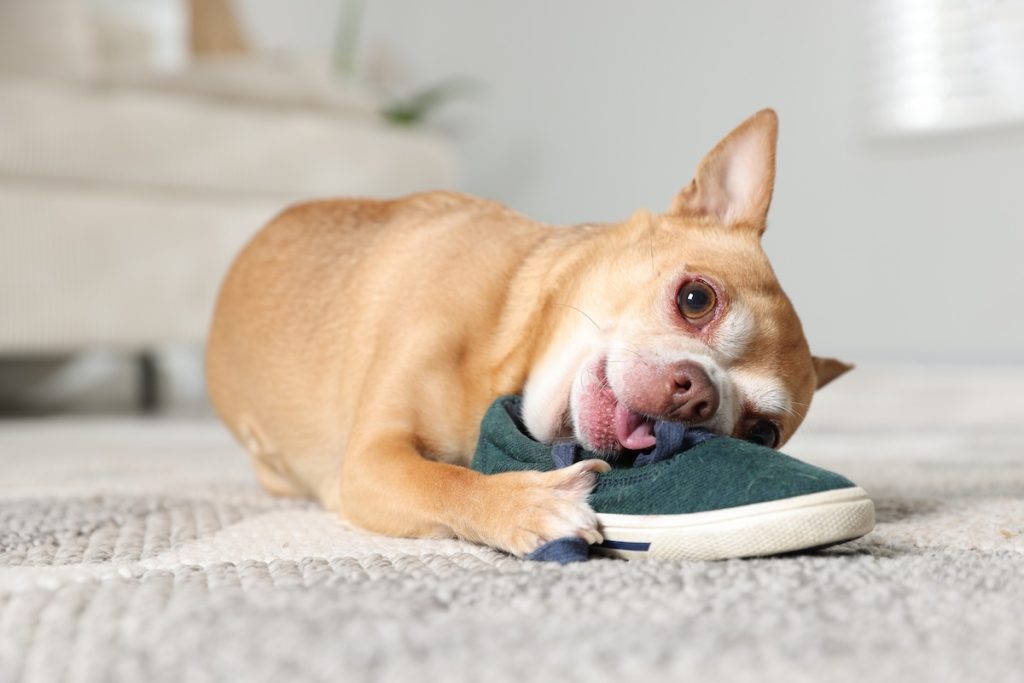
Undesirable behaviors can often be linked to several environmental, physical, and emotional factors. For instance, changes in a pet’s living environment—such as moving to a new home or the addition of a new pet—can lead to increased anxiety, prompting behaviors like excessive barking or even destructive actions. Additionally, physical discomfort, stemming from conditions such as arthritis or gastrointestinal issues, might cause older pets to express their discomfort through aggression or restlessness.
Common Triggers to Observe
- Health-related issues: Consult with a veterinarian to rule out medical problems that may be causing pain or discomfort, which can lead to undesirable behaviors.
- Environmental changes: Observe if your pet’s behavior changes after moving, rearranging furniture, or introducing new animals or people into the home.
- Routine disruptions: Any abrupt changes in feeding or walking schedules can create anxiety in senior pets who thrive on routine.
- Social isolation: Aging pets may become more withdrawn, leading to behavioral issues if they are not engaging with their owners or other pets.
Understanding these triggers is imperative, as it allows pet owners to tailor their approaches to modify the specific behaviors manifested by their pet. Keeping a journal to track when and where these behaviors occur can provide valuable insights into potential causes. For pet owners, it is vital to note that they may themselves be contributing to these behaviors without realizing it; unintentional reinforcement of negative actions, such as giving attention during barking or destructive actions, can further cement these behaviors in the pet’s routine.
Once the triggers have been identified, developing a strategy for modification becomes much more manageable. It is essential to employ positive reinforcement techniques, where desired behaviors are rewarded rather than focusing on punishing undesirable actions. This method builds trust and encourages pets to engage in behaviors that promote their well-being while alleviating any anxiety or discomfort they may be experiencing.
In the next sections, we will delve into specific strategies tailored to address these undesirable behaviors effectively, enlightening pet owners about how to offer their aging companions a more peaceful, enriched life in their twilight years. Understanding the roots of behavioral changes is a pathway toward better communication and a healthier, happier relationship between pets and their owners.
Understanding Undesirable Behaviors in Elderly Pets
As pets age, they often display undesirable behaviors that can be challenging for owners to manage. Common issues include aggression, excessive vocalization, house soiling, and changes in eating habits. Understanding the root causes of these behaviors is crucial. Medical conditions, cognitive decline, and changes in the pet’s environment can all contribute to these troubling actions.Medical Factors: Many elderly pets experience health issues such as arthritis, dental problems, or sensory deficits that can lead to anxiety or discomfort, manifesting as undesirable behaviors. Regular veterinary check-ups are vital for identifying these medical conditions early and addressing them effectively.Cognitive Dysfunction Syndrome (CDS): Much like dementia in humans, CDS affects the mental functioning of senior pets. Symptoms of CDS may include disorientation, disrupted sleep patterns, and altered interaction with family members. Understanding CDS can help owners recognize when behavioral strategies are necessary.
Effective Behavior Modification Strategies
To address these undesirable behaviors, a combination of environmental modifications, training techniques, and positive reinforcement can be employed. Establishing a routine can greatly benefit elderly pets, providing them with a sense of security. Regular exercise tailored to their ability is also important, as it aids in maintaining both physical and mental health.Training Techniques: Positive reinforcement, which involves rewarding desired behaviors with treats, praise, or affection, can encourage more appropriate actions. Consistency is key—owners should use the same commands and rewards to establish clear communication.To further support owners in modifying undesirable behaviors, resources such as training classes or consulting with veterinarian behaviorists can provide invaluable assistance. Educating owners on understanding their pet’s specific needs will contribute to more effective behavior management.Lastly, patience and empathy are essential. Senior pets may simply be responding to stressors they cannot articulate. Solutions require time, but the bond between owner and pet can be strengthened through understanding and support. Engaging with community support groups or online forums can also be beneficial, enabling pet owners to share experiences and solutions.In summary, addressing the behaviors of elderly pets involves recognizing underlying health issues, implementing effective training strategies, and fostering an environment of understanding and safety. Owners equipped with knowledge and resources can find effective ways to modify undesired behaviors while enhancing their pets’ quality of life.
| Category 1 | Category 2 |
|---|---|
| Medical Interventions | Regular veterinary check-ups to identify health issues. |
| Cognitive Support | Implementing mental stimulation through interactive toys. |
| Environmental Adaptations | Creating a safe and comfortable space for relaxation. |
| Training Techniques | Using positive reinforcement methods to encourage good behavior. |
Effective Modification Techniques for Elderly Pets
After pinpointing the triggers of undesirable behaviors in elderly pets, the next vital step is implementing effective modification strategies. These techniques should foster positive changes while ensuring the emotional and physical comfort of our aging companions. Understanding your pet’s unique needs and incorporating tailor-made approaches can significantly enhance their quality of life.
Employing Positive Reinforcement
Positive reinforcement is widely acknowledged as one of the most effective training methods, especially for senior pets. This technique involves rewarding your pet for displaying desirable behaviors rather than simply punishing undesirable ones. For example, if your dog stops barking when asked, offering a treat or verbal praise can encourage that quiet behavior in the future. This approach creates a more interactive and rewarding dynamic between pets and owners. Additionally, using high-value rewards, like their favorite treat or a special toy, can amplify the effectiveness of this method.
Providing Structured Routines
Elderly pets thrive on predictability. Establishing a daily routine regarding feeding, walks, and playtime can significantly reduce anxiety and unwanted behaviors. For instance, if a cat begins displaying signs of destructive behavior during specific times of the day, such as scratching furniture, consider increasing engagement during those times—perhaps with scheduled play sessions or puzzle feeders that stimulate their mind. Consistency not only cultivates security but also helps pet owners anticipate and mitigate potential problems before they escalate.
Environmental Enrichment
Engaging elderly pets in mental and physical activities can prevent them from falling into boredom and developing undesirable behaviors. Environmental enrichment might involve introducing new toys that challenge their cognitive skills, or creating safe spaces in the home where pets can explore at their own pace. Items such as interactive puzzle toys or even basic obedience training can keep your pet’s mind sharp and engaged. Furthermore, offering varied walking routes or scents during outdoor time stimulates their senses and promotes a more dynamic and fulfilling daily experience.
Understanding Medical Interventions
Sometimes, undesirable behaviors stem from unaddressed pain or discomfort. If behavioral triggers are tied to health-related issues, it is imperative to consult with a veterinarian for appropriate medical interventions. Regular health check-ups can go a long way in ensuring that underlying conditions are detected and addressed promptly. For instance, if an elderly pet is limping and exhibiting irritability, this could signal pain aggravated by underlying arthritis. Medication or dietary supplements prescribed by a veterinarian can alleviate the discomfort, ultimately leading to a calmer demeanor. Furthermore, mobility aids such as ramps or orthopedic beds can enhance their quality of life, reducing anxiety associated with pain while also modifying their behavior.
Encouraging Social Interaction
Lastly, social interaction plays a critical role in an elderly pet’s emotional well-being. Isolation can lead to anxiety and depressive behaviors. Consider arranging controlled playdates with other friendly pets, or even incorporating structured family interactions where bonding time is prioritized. Engaging in pet-friendly activities or simply sitting together while watching TV can work wonders in reinforcing feelings of safety and belonging.
Through the application of these modification strategies—positive reinforcement, structured routines, environmental enrichment, understanding medical needs, and fostering social connections—pet owners can significantly diminish undesirable behaviors, paving the way for happier, healthier lives for their elderly companions.
Conclusion
Addressing undesirable behaviors in elderly pets requires a multi-faceted approach that prioritizes both their mental and physical well-being. By employing effective modification strategies such as positive reinforcement, establishing consistent routines, and ensuring environmental enrichment, pet owners can create an atmosphere that fosters harmony and understanding. Additionally, recognizing the significance of medical interventions can be pivotal in alleviating discomfort that may contribute to these behaviors. Regular veterinary check-ups are essential to identify and address any underlying health issues that could be exacerbating your pet’s anxiety or irritability.
Furthermore, nurturing social interactions plays a crucial role in improving the emotional landscape of senior pets. By facilitating engaging activities and promoting companionship, owners can significantly reduce feelings of isolation and anxiety. The journey of adapting to the changing behaviors of aging pets can be both challenging and rewarding; however, with patience, creativity, and the willingness to learn, pet owners can cultivate meaningful relationships with their furry companions.
In conclusion, by embracing a proactive stance and utilizing these comprehensive strategies, one can not only modify undesirable behaviors but also enrich the lives of our cherished elderly pets. This holistic approach not only enhances their quality of life but also strengthens the bond between pets and their owners, fostering an environment of love, respect, and understanding.