The Benefits of Pet Ownership for Seniors: Alleviating Loneliness and Enhancing Cognitive Health
Understanding the Benefits of Pet Ownership for Seniors
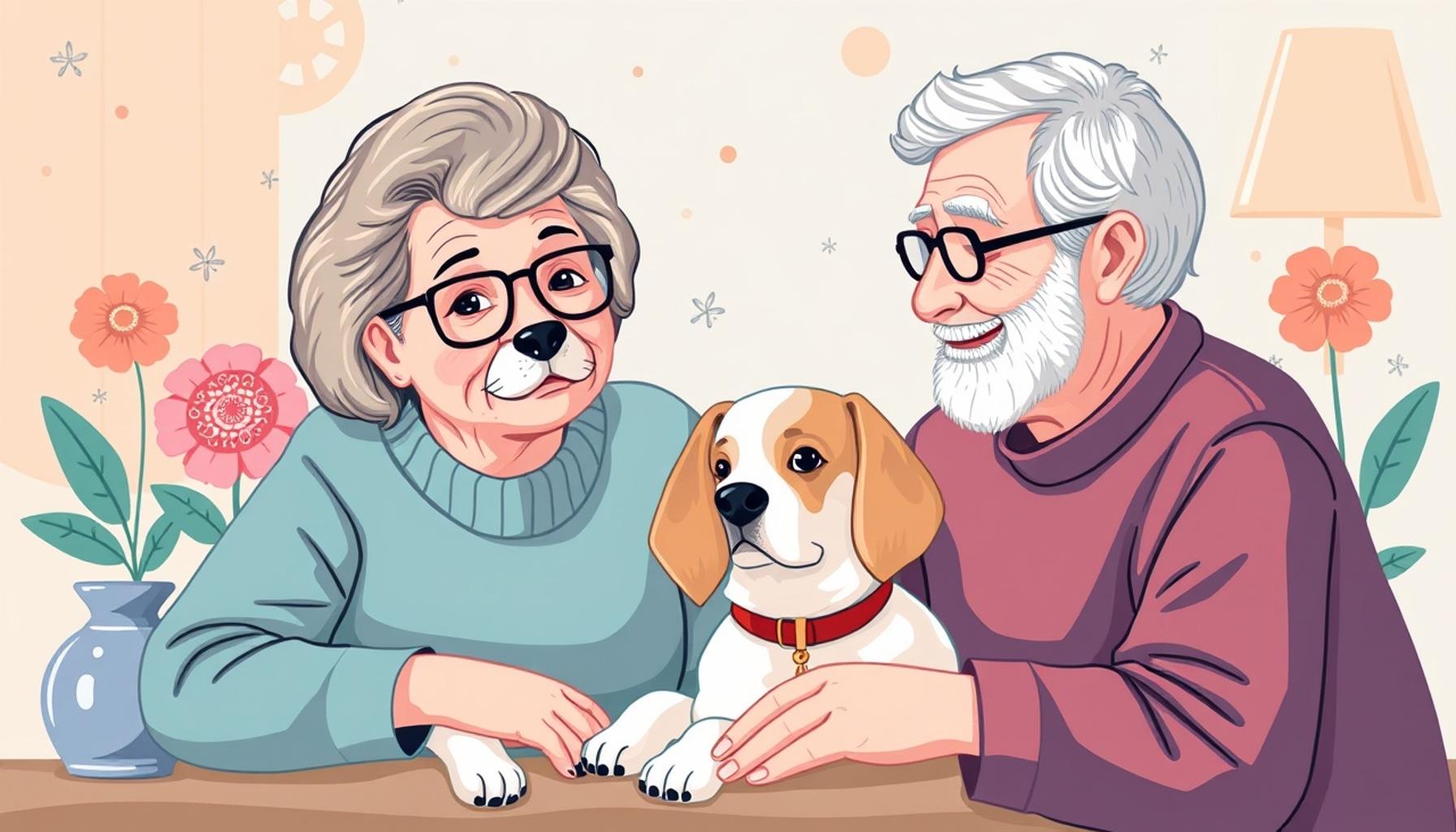
As individuals grow older, the reality of loneliness and cognitive decline often looms larger in their lives. Yet, welcoming a furry companion into their home can be a transformative experience that radically improves their quality of life. The bond between seniors and pets can play a crucial role in fighting feelings of isolation, enhancing emotional well-being, and providing a sense of purpose.
One of the most significant advantages of pet ownership is the companionship pets offer. Dogs, cats, rabbits, or even birds can provide unconditional love, leading to a reduction in feelings of loneliness. For many seniors, pets are more than just animals; they become cherished family members who listen without judgment and provide comfort in times of distress. Studies have shown that people with pets report feeling less lonely and more socially connected, illustrating how crucial this companionship can be.
Moreover, the act of caring for a pet fosters a robust daily routine that can significantly boost mental health. The responsibilities associated with pet ownership, such as feeding, grooming, and exercising, create a structure that can be especially beneficial for those living alone. This structured routine not only helps preserve cognitive function but also instills a sense of accomplishment and purpose.
Physical activity is yet another critical aspect enhanced by pet ownership. Engaging in activities like daily walks with a dog or interactive play sessions with a cat encourages seniors to stay active, which is vital for maintaining both physical health and mobility. A 2019 study highlighted that dog owners tended to engage in more physical activity each week compared to non-dog owners, significantly reducing the risk of obesity-related issues in older adults.
Diving deeper into the implications of pet ownership reveals fascinating insights into mental stimulation. Activities like teaching pets tricks or engaging in interactive games can sharpen cognitive function. Consistent challenges, whether it’s a game of fetch or complex training tasks, stimulate the mind and keep it engaged. Furthermore, the calming presence of pets has been associated with lower levels of stress and anxiety. In a world where mental health is a growing concern, it’s refreshing to see how the companionship of an animal can act as a natural remedy.
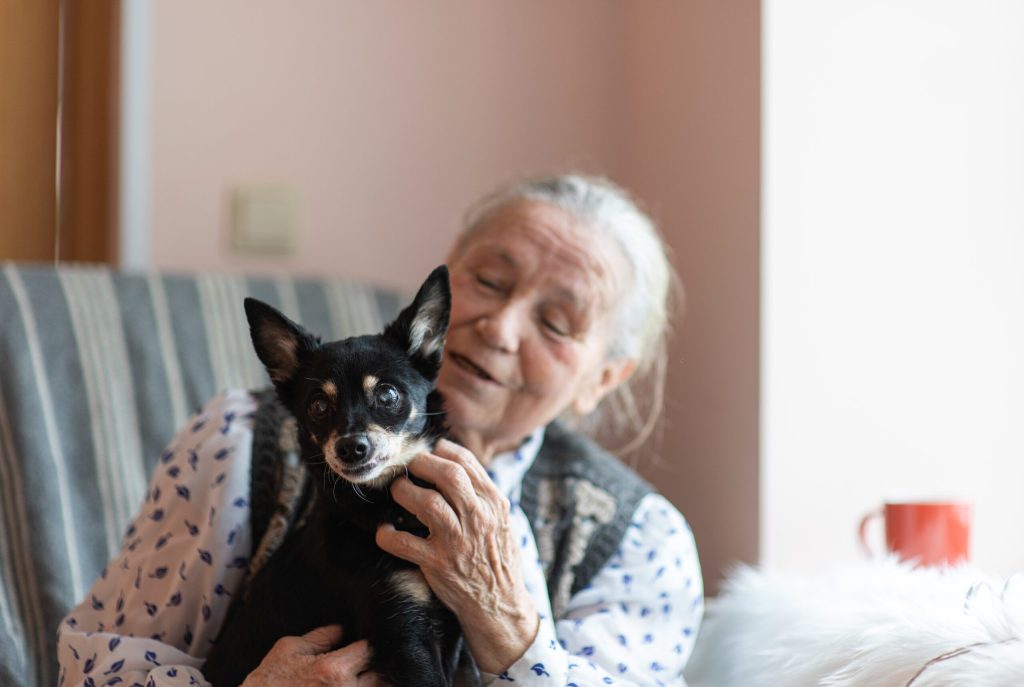
Many studies reflect that pet ownership can lead to substantial psychological and physiological benefits, ultimately enhancing the quality of life for seniors. One meta-analysis from the University of California revealed that seniors who owned pets showed significant improvements in depression and anxiety levels compared to those who did not. It also noted that pet owners exhibited lower blood pressure and heart rates, suggesting that pets can influence not just emotional well-being but also physical health.
In summary, the relationship between seniors and their pets is a dynamic interplay of companionship, responsibility, and well-being. With growing numbers of seniors considering pet adoption, it is crucial to continue exploring and highlighting the manifold benefits of pet ownership. For any elderly individual contemplating a pet, it is an opportunity not just for companionship but also for a more enriched and fulfilling life.
The Role of Companionship in Alleviating Loneliness
Loneliness can cast a significant shadow over the lives of many seniors, leading to emotional distress and a decreased sense of purpose. The simple presence of a pet can serve as a powerful antidote to these feelings. Different types of pets cater to various preferences and lifestyles, allowing seniors to choose companions that resonate with them. For example, seniors who enjoy an active lifestyle may find joy in a dog, while those who prefer a quieter existence might opt for a cat or even a fish.
Seniors often form deep and meaningful connections with their pets, sometimes referring to them as their “best friends.” This deep bond is reinforced through daily interactions, creating a supportive social environment that many may lack. The act of petting a dog or snuggling with a cat releases oxytocin, the hormone associated with bonding and affection. As a result, the physical act of caring for a pet significantly reduces stress levels and fosters happiness.
Establishing Routine and Structure
Pet ownership brings with it a set of responsibilities that can lead to greater emotional stability. Managing a pet’s needs—such as feeding, walking, and grooming—establishes a sense of routine that many seniors find reassuring. This can ultimately translate into improved mental clarity and focus. In addition, having a structured day promotes accountability, which can combat feelings of aimlessness that sometimes accompany retirement or living alone.
Here are several elements of routine that pet ownership can introduce:
- Daily Feeding: Mealtimes present opportunities for seniors to establish a consistent schedule.
- Exercise: Walking a dog not only gets seniors moving but also helps them meet their daily physical activity goals.
- Socialization: Trips to the vet or dog park can encourage seniors to make new friends within their community.
Moreover, the act of following through on a pet’s needs instills a sense of accomplishment. This can be particularly empowering for seniors who may feel sidelined or unneeded after retirement. A fulfilling routine can boost self-esteem and contribute to a more vibrant and engaged lifestyle.
Connecting with the Community
Pets also serve as natural conversation starters, opening doors to social interactions in the community. Whether it’s striking up a chat with another dog owner at the park or exchanging tips with fellow pet lovers in a local pet store, these interactions can lead to new friendships that may alleviate feelings of isolation. Some communities even offer pet therapy programs designed to connect seniors with therapy animals, stimulating social engagement and emotional well-being.
By engaging with their pets and connecting with others, seniors can rediscover the joy of companionship and socialization, ultimately combating loneliness and enhancing their cognitive health. The benefits of pet ownership extend far beyond mere companionship; they create a healthier, happier lifestyle that encompasses emotional, mental, and social well-being.
| Advantage | Description |
|---|---|
| Companionship | Pets provide a constant source of unconditional love and companionship, reducing feelings of loneliness and isolation among seniors. |
| Cognitive Stimulation | Interacting with pets encourages mental engagement, enhancing focus and memory while boosting overall cognitive health. |
| Physical Activity | Walking and playing with pets promotes physical activity, which is essential for maintaining health and mobility in seniors. |
| Emotional Benefits | Pets can help reduce stress and anxiety, leading to improved emotional well-being and overall happiness. |
Pet ownership in senior years presents these key advantages, aiming to not only alleviate the hardships of loneliness but also to stimulate cognitive function. For instance, studies have shown that pets can significantly lower depression levels and increase social interaction. As seniors engage with their pets, be it through playful activities or routine care, they unknowingly participate in a healthier lifestyle that fosters both physical and mental health. The companionship that pets offer ensures that aging individuals feel valued and loved, reminding them that they are not alone during their twilight years. In this exploration of the advantages, it becomes evident that fostering a bond with a pet goes beyond mere affection—it’s a path towards revitalizing life in the golden years.
The Cognitive Benefits of Pet Ownership
Engaging with pets goes beyond emotional well-being; it also significantly contributes to cognitive health for seniors. Studies indicate that pet ownership can stimulate mental activity, offering seniors a chance to exercise their minds as they engage in various activities with their furry friends. Simple tasks, such as teaching a dog new tricks or interacting with a cat through play, can challenge seniors to think critically and creatively.
This mental stimulation arises from the necessity of understanding and responding to a pet’s needs and behaviors. For example, observing a dog’s body language helps seniors develop better observational skills, encouraging them to remain mentally agile. Furthermore, a study published in the Journal of the American Geriatrics Society found that seniors who own pets had lower cognitive decline rates compared to those who do not, underlining the potential of pet ownership as a cognitive health enhancer.
Physical Activity and Its Impact on Mental Health
Physical activity plays a crucial role in maintaining both physical and mental health, and pets can greatly encourage a more active lifestyle. Regular walks and playtime not only supply the exercise that can prevent physical ailments but also boost overall mood and mental clarity. For instance, engaging a pet in playful activities can lead to increased cardiovascular health, also known to improve cognitive function.
Moreover, the American Heart Association highlights that regular physical activity can help combat cognitive decline by improving blood flow to the brain. This connection indicates that the more active a senior is with their pet, the more they benefit from improved mental health. It’s particularly beneficial because many seniors may struggle to find motivation to engage in exercise independently; having a pet provides that necessary impetus.
Enhancing Emotional Intelligence through Interactions
Pet ownership also fosters emotional intelligence, a vital aspect of cognitive health. Caring for a pet encourages seniors to be attuned to the emotional states and needs of their animals. This process can enhance empathy, patience, and emotional regulation—skills that are crucial not just for maintaining healthy relationships with pets but also in broader social settings.
Furthermore, interacting with animals often requires seniors to express affection, understanding, and care, which can translate into improved interpersonal skills with other individuals. Such exchanges can lead to heightened feelings of connectivity, broadening their social networks and exposing them to new social environments that further stave off loneliness.
The Therapeutic Effects of Animal Companionship
Many research studies emphasize the therapeutic impact of animals on human health. Animal-assisted therapy programs have become increasingly popular in senior centers across the United States. These initiatives often involve bringing trained therapy animals into residential facilities, providing tailored interaction that helps seniors feel less isolated.
Furthermore, the Pet Partners organization reports numerous instances where seniors experience significant reductions in symptoms of depression and anxiety after spending time with therapy animals. This suggests that the companionship of pets can be a valuable tool not just for alleviating loneliness, but also for enhancing overall cognitive health through therapeutic interactions.
In summary, the psychological, physical, and cognitive benefits of pet ownership for seniors create a multidimensional approach to enhancing quality of life. By cultivating meaningful relationships with pets, seniors not only combat loneliness but also foster environments for cognitive stimulation, emotional growth, and overall mental well-being.
Conclusion
In a world where loneliness and cognitive decline are prevalent issues facing seniors, the companionship of pets emerges as a key solution. The multifaceted benefits of pet ownership—ranging from emotional support to cognitive enrichment—underscore the profound impact these loyal companions can have on the lives of older adults. As discussed, engaging with pets not only alleviates feelings of isolation but also helps stimulate mental activity, thereby contributing to enhanced cognitive health.
The physical activity that comes naturally with pet ownership promotes a healthier lifestyle, further benefiting seniors’ mental clarity and emotional well-being. By fostering emotional intelligence and improved social interactions, pets help to build stronger connections with others, enriching seniors’ social networks and providing opportunities for community engagement. This is particularly important in the United States, where many seniors face challenges related to mobility and social isolation.
As we witness increasing recognition of the therapeutic effects of animal companionship in senior care, it is vital for families, caregivers, and communities to consider the advantages of integrating pets into the lives of seniors. Whether through adopting a pet or participating in structured therapy programs, the potential to alleviate loneliness and enhance cognitive health is substantial. By prioritizing pet ownership, we can pave the way for a more fulfilling, engaging, and interconnected life for seniors everywhere.