Therapeutic Benefits of Animal-Assisted Therapy for Physical and Emotional Health

The Healing Power of Animal-Assisted Therapy
The bond between humans and animals is profound, weaving through history and culture, yet it is only in recent decades that we have begun to fully understand the therapeutic potential this connection holds. Animal-Assisted Therapy (AAT) taps into this invaluable relationship, utilizing animals as a vital component of therapeutic practices to enhance both physical and emotional well-being. This innovative approach reveals a nuanced method of healing that is being embraced in diverse environments, from hospitals to mental health clinics and rehabilitation centers.
Numerous studies have demonstrated the remarkable benefits of AAT, shedding light on how interactions with animals can lead to substantial improvements in various health outcomes. For instance, a report from the American Psychological Association highlights that mere physical contact, such as petting a dog, can significantly decrease cortisol levels, a hormone associated with stress. This simple yet powerful interaction fosters a calming atmosphere, promoting relaxation and reducing stress and anxiety for individuals of all ages.
Furthermore, the emotional uplift that animals bring cannot be overstated. Animals offer unconditional companionship, enhancing emotional stability and fostering a sense of belonging. For example, children with autism often experience difficulty in social situations, but therapy with dogs can encourage better communication skills and social interaction through play and companionship.
AAT also plays a crucial role in physical rehabilitation. In physical therapy settings, engaging with animals can motivate patients to increase their mobility and participate in physical activities. For instance, veterans recovering from injuries may find that working with trained therapy dogs encourages them to walk longer distances, enhancing their overall physical capabilities.
In the United States, various AAT programs are addressing mental health issues ranging from PTSD to depression and chronic pain. Many veterans have reported significant improvements in their mental health through interactions with therapy animals, fostering connections that transcend words. Similarly, children with special needs have shown excellent progress in social skills and emotional regulation. The presence of animals in hospice care provides comfort and solace, creating a soft space during critical periods of life.
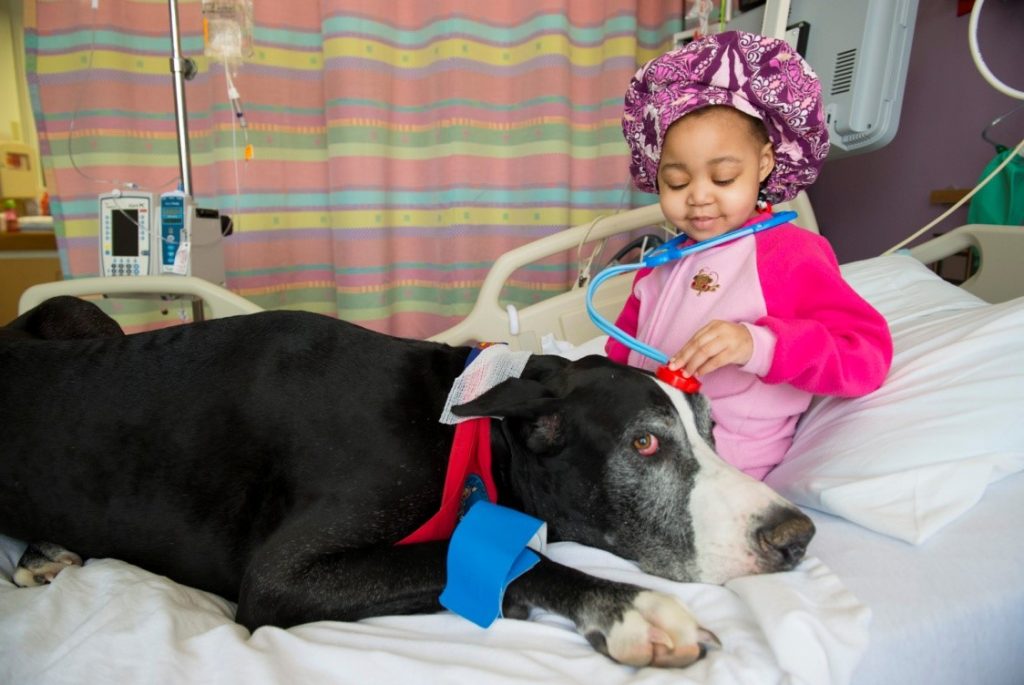
As we delve deeper into the conversation surrounding mental health, the importance of integrating animals into therapeutic practices becomes increasingly evident. AAT not only aids in recovery but also enriches the overall healing journey, demonstrating a holistic approach that benefits individuals profoundly. For anyone seeking alternative or complementary treatment methods, Animal-Assisted Therapy may serve as a vital component in fostering well-being, offering a unique and often life-changing experience. Consider exploring this enriching avenue for yourself or your loved ones, and witness the profound impact it may have on your healing journey.
Exploring the Physical Benefits of Animal-Assisted Therapy
Animal-Assisted Therapy (AAT) has emerged as a promising intervention that bridges the gap between traditional healthcare practices and holistic healing methods. One of the most striking elements of AAT is its capacity to facilitate physical rehabilitation through engaging interactions with animals. Patients recovering from injuries or surgeries often struggle with motivation and pain management, but the presence of a therapy animal can serve as a powerful catalyst for recovery.
Research has continuously shown that animals contribute to improved physical health outcomes. For instance, one study conducted by the University of Missouri found that participants in physical therapy who worked with therapy animals experienced a significant reduction in pain levels and increased participation in physical activities. This can be attributed to the fact that interacting with a therapy dog or other animals can distract patients from discomfort while promoting movement, making rehabilitation exercises feel less daunting.
AAT has specific applications in various contexts, including:
- Post-Surgery Recovery: Patients who engage with therapy animals often report enhanced emotional well-being, which may lead to quicker recovery times.
- Mobility Assistance: Therapy animals can motivate those with limited mobility to take steps or participate in physical activities that they might feel reluctant to attempt on their own.
- Chronic Illness Management: Individuals suffering from chronic illnesses such as arthritis or fibromyalgia often find relief through interactions with animals, as these moments can decrease pain perception and promote relaxation.
Emotional Healing Through Animal Connection
The emotional health benefits of AAT are equally compelling. Many individuals struggle with mental health issues such as depression, anxiety, and PTSD, which can be exacerbated by feelings of isolation. In this context, therapy animals serve an essential role in offering support and companionship, creating an atmosphere where individuals can open up and work through their feelings more effectively.
Therapeutic relationships formed with animals often help to:
- Enhance Social Skills: Particularly for children and those with special needs, therapy animals can act as social facilitators, easing anxiety during interactions with peers.
- Boost Self-Esteem: Caring for an animal fosters a sense of responsibility and achievement, leading to improved self-worth and confidence.
- Provide Unconditional Love: The non-judgmental companionship of therapy animals can create a safe space for individuals to express their emotions and process traumatic experiences.
As contemporary society continues to grapple with rising rates of mental health disorders, the integration of AAT into treatment plans offers a nuanced approach that respects the individuality of each patient. By leveraging the innate bond between humans and animals, therapists can introduce a layer of comfort and compassion that traditional therapies may occasionally lack.
| Therapeutic Benefits | Empirical Evidence |
|---|---|
| Physical Health Improvements | Studies indicate that animal-assisted therapy can enhance recovery post-surgery and decrease blood pressure. |
| Emotional Support | Research demonstrates significant reductions in anxiety and depression levels among individuals participating in therapy programs with animals. |
Animal-assisted therapy (AAT) is gaining recognition for its profound effects on both physical and emotional health. This innovative therapeutic approach facilitates healing through interactions with trained animals, often dogs or horses, creating a unique environment that fosters recovery. The relationship between humans and animals can evoke feelings of joy, comfort, and safety—elements that are pivotal during rehabilitation from both physical and mental health issues. By incorporating AAT into traditional treatment plans, healthcare professionals can leverage the natural bonding process that often occurs between patients and animals. For instance, interactions with animals can encourage mobility in patients recovering from injuries while promoting mental well-being through companionship. Studies show that individuals can experience less pain, increased motivation, and a greater willingness to engage in therapy when animals are involved.In conclusion, the integration of animal-assisted therapy can serve as a powerful adjunct to existing treatment modalities, enriching the therapeutic landscape and delivering significant benefits to individuals seeking comprehensive care.
The Role of Animal-Assisted Therapy in Mental Health Treatment
As mental health challenges become increasingly visible in contemporary society, Animal-Assisted Therapy (AAT) offers innovative strategies for addressing these critical issues. Utilizing animals as therapeutic partners provides a unique opportunity to engage individuals who may otherwise struggle to participate in traditional mental health modalities. The presence of animals often inspires a sense of calm and safety, which can be essential for fostering connections and inspiring personal growth.
One of the most remarkable aspects of AAT is its capacity to foster feelings of empathy and emotional intelligence. Interacting with therapy animals encourages individuals to consider the needs and emotions of another being, thereby enhancing their ability to relate to others. This increased level of empathy can be particularly beneficial for those diagnosed with autism spectrum disorders or social anxiety, as it provides a non-threatening way to practice social interactions.
Recent studies underscore the effectiveness of AAT in combating specific mental health issues:
- Post-Traumatic Stress Disorder (PTSD): Many veterans and survivors of trauma have reported significant reductions in symptoms through AAT. The unconditional acceptance from animals helps to mitigate feelings of fear and isolation, while promoting a sense of purpose as individuals learn to care for their therapy pet.
- Anxiety Disorders: AAT has shown promise in reducing anxiety levels, with therapy animals acting as natural stress relievers. The simple act of petting a dog can result in decreased cortisol levels—a hormone associated with stress—thereby inducing a state of relaxation.
- Substance Abuse Recovery: Individuals in recovery often experience intense emotions and stressors that can lead to relapse. AAT provides a grounding experience, offering companionship and stability during turbulent times.
The Integration of AAT in Healthcare Settings
The integration of AAT into treatment plans has gained momentum in various healthcare settings, including hospitals, rehabilitation centers, and outpatient therapy programs. These implementations not only benefit patients but also promote an atmosphere of compassion and inclusion.
For instance, facilities such as the Children’s Hospital of Philadelphia have developed specialized AAT programs where certified therapy animals engage with young patients. According to patient testimonials, the weekly visits from therapy dogs not only distracted children from needle procedures and medical tests but also created an environment where they felt supported in discussing their fears about illness. This redefines the traditional clinical experience, transforming it into one that retains both emotional warmth and crucial therapeutic benefits.
Healthcare professionals are increasingly recognizing the role of AAT as an adjunct therapy. By incorporating therapy animals into treatment plans, clinicians aim to foster greater patient engagement and retention. The personal bond that patients form with animals often leads to a drop in aggression and disruptive behaviors, making therapeutic settings more conducive to healing.
The growing anecdotal evidence and scientific research surrounding the therapeutic benefits of AAT demonstrate its efficacy in physical and emotional health. As the landscape of mental health care continues to evolve, integrating frameworks like AAT paves the way for innovative therapeutic approaches, ultimately enhancing patient outcomes across diverse populations.
Conclusion
In summary, Animal-Assisted Therapy (AAT) has emerged as a transformative adjunct in the landscape of healthcare, delivering invaluable physical and emotional benefits. By leveraging the innate bond between humans and animals, AAT fosters not only meaningful connections but also profound therapeutic outcomes for individuals grappling with mental health challenges. Whether addressing Post-Traumatic Stress Disorder (PTSD), anxiety disorders, or aiding in substance abuse recovery, the presence of therapy animals can evoke feelings of safety, comfort, and motivation—a triad essential for healing.
The successful integration of AAT within various healthcare settings further exemplifies its versatility and efficacy. As demonstrated by programs like that at the Children’s Hospital of Philadelphia, therapy animals offer vital emotional support that redefines patient experiences, rendering them more compassionate and effective. The dual benefits of lowering anxiety and enhancing emotional intelligence are particularly prominent in settings that focus on vulnerable populations, such as children and veterans.
As research continues to unveil the extensive advantages of AAT, healthcare providers are increasingly encouraged to embrace this innovative approach. By incorporating therapy animals into treatment protocols, there is potential not only for improved outcomes but also for the cultivation of a therapeutic environment that champions empathy and understanding. Individuals interested in exploring AAT for their therapeutic journeys are urged to consult with healthcare professionals knowledgeable about this promising modality. Ultimately, as we continue to uncover and embrace the myriad benefits of Animal-Assisted Therapy, we pave the way for a more holistic approach to physical and emotional health.