Essential Tips for Managing Acne: From Skincare Routines to Lifestyle Changes
The Complexity of Acne and Its Widespread Influence
Acne is not just a teenage hurdle; it is a pervasive skin condition that affects individuals across a spectrum of ages. In fact, studies suggest that approximately 85% of people aged 12 to 24 experience some form of acne, but the condition can persist well into adulthood. In the United States, millions grapple with different types of acne, from mild blemishes to more severe cystic varieties, impacting not only their skin but also their overall quality of life.
While acne may lead to physical discomfort, including pain and inflammation, its repercussions often extend far beyond. Many individuals experience emotional challenges, including anxiety, depression, and a significant dip in self-esteem. This psychological distress can sometimes lead to social withdrawal and avoidance of activities. Understanding the multi-dimensional nature of acne is vital for those affected, emphasizing that it requires more than just topical solutions.
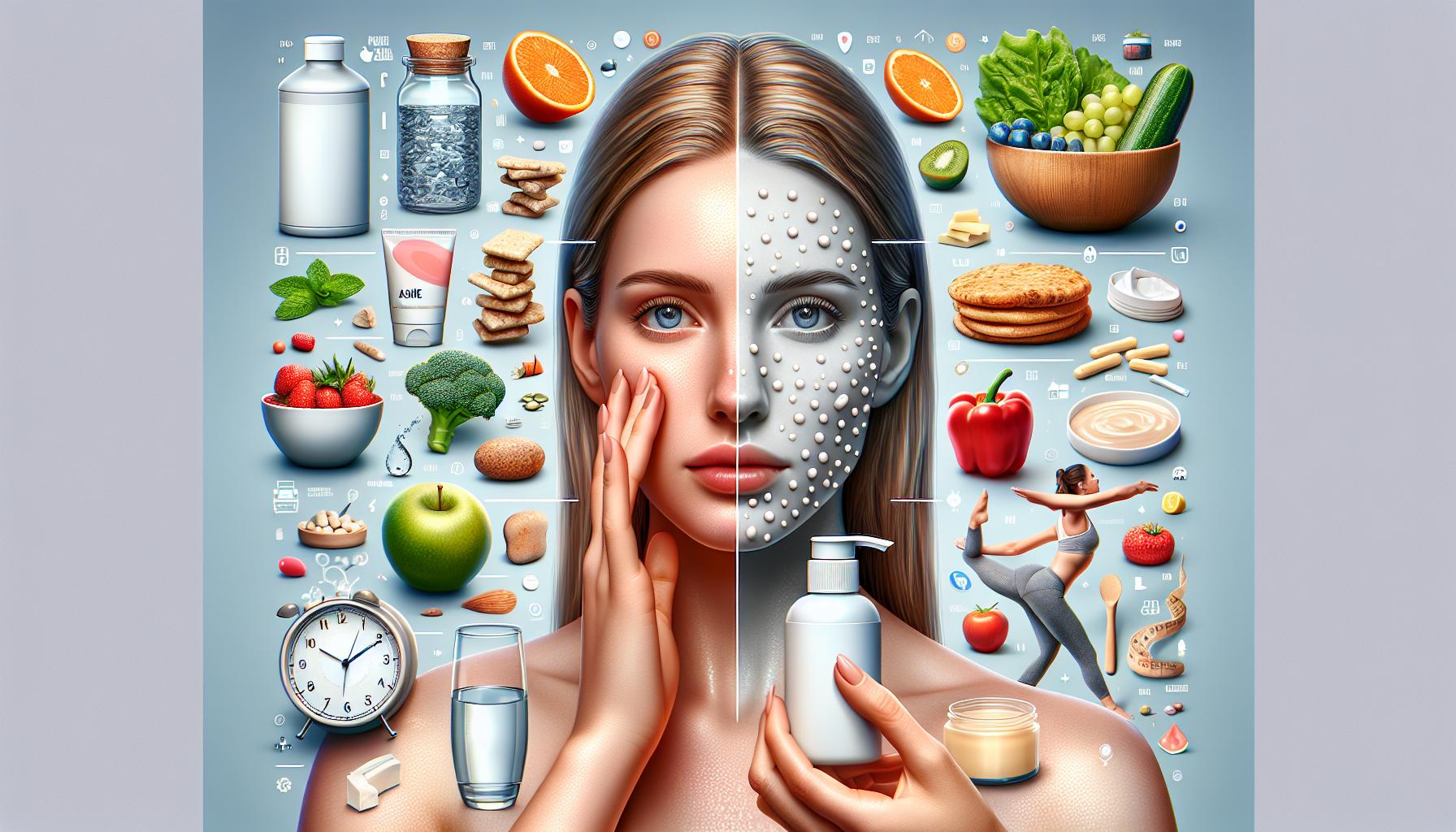
Effectively managing acne involves a holistic strategy, which encompasses:
- Skincare routines: Selecting the right products tailored to your skin type can greatly enhance your skin’s condition. Products containing ingredients like salicylic acid, benzoyl peroxide, and retinoids have shown efficacy in treating acne-prone skin. Furthermore, maintaining a consistent regimen that fits your skin’s unique needs is crucial.
- Lifestyle changes: Simple adjustments can produce remarkable results. For instance, reducing stress through mindfulness practices, regular exercise, and adequate sleep can help regulate hormonal fluctuations, which often lead to breakouts. Additionally, maintaining clean habits—like changing pillowcases and avoiding touching your face—can prevent additional bacteria from aggravating the skin.
- Dietary choices: Nutrition plays a surprisingly integral role in skin health. Emerging research points to a connection between high glycemic index foods and increased acne flare-ups. Foods such as white bread, sugary snacks, and dairy may trigger breakouts in some individuals. Conversely, a balanced diet rich in antioxidants, omega-3 fatty acids, and vitamins can promote skin clarity and reduce inflammation.
Understanding the various elements that contribute to acne is critical for effective management. With the myriad of products and strategies available, individuals can embark on a tailored approach that resonates with their unique skin characteristics.
This guide aims to unveil practical tips that include:
- Creating personalized skincare regimens that fit your specific needs and lifestyle.
- Incorporating beneficial habits into daily routines to mitigate acne triggers.
- Making informed dietary choices that promote a healthier complexion.
Arming yourself with knowledge about acne management not only empowers individuals but can lead to transformative changes. By exploring these essential tips, individuals are encouraged to take proactive steps toward clearer skin, fostering both physical well-being and newfound confidence. Understanding these strategies could uncover new methods to effectively manage acne, making a positive impact on your everyday life.
Crafting a Customized Skincare Routine
The first step in managing acne effectively is developing a personalized skincare routine. The vast array of products on the market can be overwhelming, but understanding your skin type and specific needs is paramount. Oily, dry, and combination skin types may react differently to various ingredients, making it crucial to select products designed for your skin’s unique structure.
For those with oily skin, look for lightweight, non-comedogenic products that won’t clog pores. Ingredients like salicylic acid are effective in penetrating the pores and dissolving excess oil, preventing breakouts before they start. Alternatively, individuals with dry skin may benefit from hydrating products that contain ingredients like glycerin, hyaluronic acid, and ceramides, which can help restore the skin barrier while still keeping acne at bay.
When it comes to cleansing, aim for a routine that’s not overly aggressive. Overwashing can strip the skin of natural oils, leading to increased oil production and, ultimately, more acne. Use a gentle cleanser twice a day, and consider including a chemical exfoliant, such as glycolic acid or a mild scrub, a few times a week to help remove dead skin cells and prevent clogged pores.
Key Ingredients to Look For
Understanding key ingredients can significantly impact the effectiveness of your skincare routine. Here are some of the most beneficial:
- Benzoyl Peroxide: Effective for killing acne-causing bacteria and reducing inflammation.
- Retinoids: Promote cell turnover and help prevent clogged pores, making them a strong ally against acne.
- AHA and BHA: Help exfoliate the skin and keep pores clear.
- Niacinamide: Soothes inflammation and redness while helping to regulate oil production.
In addition to selecting the right ingredients, consistency is key. Use your skincare products regularly and give them time to work; some results may take weeks or even months to become visible. Journaling your progress can be beneficial in understanding what works for your skin and what does not.
Embracing Healthy Lifestyle Changes
Effective acne management extends beyond the bathroom sink. Incorporating lifestyle changes can enhance the overall health of your skin. Stress management, in particular, is crucial; studies indicate a strong correlation between stress and increased acne flare-ups. Engaging in mindfulness practices, such as yoga or meditation, can help mitigate stress and maintain hormonal balance.
Another key aspect is regular physical activity. Exercise boosts circulation, helping to deliver nutrients to the skin while flushing out toxins. Moreover, staying hydrated is essential for maintaining skin elasticity and preventing dryness, which can exacerbate acne.
Establishing Healthy Habits
Simple daily habits can make a significant difference in your skin’s appearance:
- Change bedding regularly: Keep pillowcases clean to minimize the transfer of dirt and oil onto your skin.
- Avoid touching your face: This habit can easily transfer bacteria and oils from your hands to your face.
- Limit makeup use: Opt for non-comedogenic products and ensure thorough removal at the end of the day.
By implementing these essential tips for skincare routines and lifestyle adjustments, individuals can take confident steps toward managing their acne effectively. The journey to clearer skin involves patience and dedication, but understanding the interplay between these elements can lead to significant improvements in both skin health and self-esteem.
Essential Tips for Managing Acne: From Skincare Routines to Lifestyle Changes
As the quest for clear skin continues, implementing the right strategies is crucial in overcoming acne. This section delves into effective skincare routines and significant lifestyle changes that can have a profound impact on your skin health.
1. Establishing a Consistent Skincare Routine
Consistency is key when it comes to managing acne. It’s essential to create a daily skincare routine that includes gentle cleansing, exfoliation, and moisturization. Choose products that are non-comedogenic to prevent clogged pores. Incorporating salicylic acid or benzoyl peroxide can target existing breakouts effectively. Remember, the aim is to remove excess oil and impurities without stripping the skin of its natural moisture.
2. Dietary Considerations
Your diet plays a significant role in skin health. Research suggests that high-glycemic foods can exacerbate acne. Switching to a diet rich in whole foods, fruits, and vegetables can yield visible improvements. Additionally, omega-3 fatty acids, found in foods like salmon and walnuts, can help reduce inflammation, potentially leading to fewer breakouts.
3. Staying Hydrated
Water is vital for overall health and plays a critical role in maintaining skin hydration. Ensuring you drink enough water throughout the day helps your skin maintain its elasticity and clarity. Hydration aids in digestion and detoxification processes, which can further help in keeping your skin clear.
4. Stress Management
High stress levels have been linked to acne flare-ups due to hormonal changes. Implementing stress-reduction techniques such as yoga, meditation, or regular physical activity can lead to healthier skin. Ensuring you get adequate sleep is also essential, as it allows the body to repair and regenerate.
5. Regular Professional Treatments
Consulting a dermatologist for professional treatments can provide tailored solutions for your acne concerns. Options like chemical peels, laser therapy, or prescription medications could be beneficial for more severe cases. Regular follow-ups can help in adjusting treatment plans to suit changing skin conditions.
6. Avoiding Picking and Squeezing
While it may be tempting to pick at blemishes, this can often lead to more significant issues, including scarring and increased inflammation. Instead, focus on treatment solutions that are designed to reduce the appearance of spots without physically disturbing them.
In the journey of managing acne, the combination of a personalized skincare routine and mindful lifestyle choices lays the groundwork for clearer skin. It’s essential to stay informed and adapt new strategies as the skin evolves over time. Embrace these tips to discover a renewed confidence and resilience against acne.
| Category | Key Benefits |
|---|---|
| Skincare Products | Maintain skin balance and prevent breakouts. |
| Dietary Changes | Reduces inflammation and improves skin clarity. |
| Hydration | Enhances skin elasticity and detoxifies. |
Nourishing Your Skin from Within
While a tailored skincare routine and lifestyle adjustments are integral to acne management, it’s equally essential to consider the impact of nutrition on skin health. What we consume can significantly influence our skin’s condition. Emerging research suggests that certain dietary choices may exacerbate acne, while others can promote clearer skin.
The Western diet, often high in refined sugars and dairy products, has been linked to inflammatory responses in the body, which can lead to acne flare-ups. Foods like sugary snacks, soft drinks, and high-glycemic-index items may spike insulin levels, subsequently increasing oil production and clogging pores. Thus, opting for a balanced diet rich in whole foods is recommended. Consider incorporating more fruits and vegetables, whole grains, and lean proteins into your meals.
Key Nutrients for Clear Skin
Particular nutrients can have a profound effect on skin health. Here are some important dietary components to include in your diet:
- Omega-3 Fatty Acids: Found in fatty fish, walnuts, and flaxseeds, these healthy fats can help reduce inflammation and keep skin hydrated.
- Zinc: This mineral is known for its role in healing and may help regulate oil production. Foods like pumpkin seeds, chickpeas, and lentils are excellent sources.
- Antioxidants: Rich in vitamins A, C, and E, antioxidants assist in protecting skin cells from damage. Brightly colored fruits and vegetables, such as berries, carrots, and spinach, can provide these vital nutrients.
- Probiotics: Incorporating fermented foods like yogurt, kefir, and sauerkraut into your diet can support gut health, which studies indicate may indirectly benefit skin conditions, including acne.
Paying attention to hydration is also crucial for maintaining optimal skin health. Drinking sufficient water daily helps to flush out toxins and maintain skin elasticity, potentially reducing the likelihood of breakouts. Aim for at least eight 8-ounce glasses each day, and consider consuming hydrating foods like cucumbers, watermelon, and oranges to supplement your intake.
The Role of Medical Intervention
For some individuals, lifestyle changes and dietary adjustments may not yield the desired results. In such cases, consulting a healthcare professional is advisable. Dermatologists can provide tailored treatment options, including prescription medications or therapies, to tackle severe acne conditions. Oral contraceptives, for instance, can be effective for women suffering from hormonal acne by regulating hormone levels that contribute to breakouts.
Additionally, professional treatments like chemical peels, light therapy, or even laser treatments can be considered. These options are designed to reduce inflammation, unclog pores, and improve overall skin texture. Understanding the available scientific literature around these treatments and discussing them with a trusted dermatologist can lead to informed decisions about managing acne effectively.
As you explore these various approaches, being mindful of all aspects of your acne management journey will help you identify what resonates with your skin. The multifaceted nature of acne often requires patience, adaptability, and a comprehensive strategy that goes beyond topical solutions alone.
Final Thoughts on Managing Acne Effectively
In the quest for clear skin, understanding that acne management is a multifaceted endeavor can set the stage for successful results. Implementing an effective skincare routine tailored to your specific skin type is paramount. However, it’s equally important to recognize the role of nutrition and dietary choices, as they significantly impact your skin’s health. Emphasizing a diet rich in whole foods, essential nutrients, and adequate hydration can help prevent flare-ups and promote a radiant complexion.
Moreover, incorporating crucial elements such as omega-3 fatty acids, zinc, and antioxidants provides your skin with the tools it needs to heal and thrive. If traditional methods fall short, do not hesitate to seek professional advice. Consulting with a dermatologist can offer access to tailored therapies and interventions designed to tackle stubborn acne effectively.
Ultimately, patience and persistence are key. Acne may be a significant hurdle, but through careful attention to skincare, a balanced diet, and when necessary, professional intervention, you can navigate this journey with confidence. Remember, each individual’s skin is unique, and what works for one might not work for another. Embrace the challenge of discovering what best nurtures your skin and fosters a healthier, clearer complexion. By adopting these tips and being proactive, you can pave the way for not only managing acne but also enhancing your overall skin health.