How to Identify Authentic Natural Ingredients in Beauty Products
The Role of Authenticity in Beauty Products
In today’s market, where beauty products are found at every corner, it’s easy to feel overwhelmed. With so many options available, how do we differentiate between authentic natural ingredients and synthetic fillers that may prove harmful? As awareness about beauty product formulations grows, consumers are more determined than ever to discern what they are putting on their skin. This inherent curiosity not only supports personal well-being but protects the environment as well.
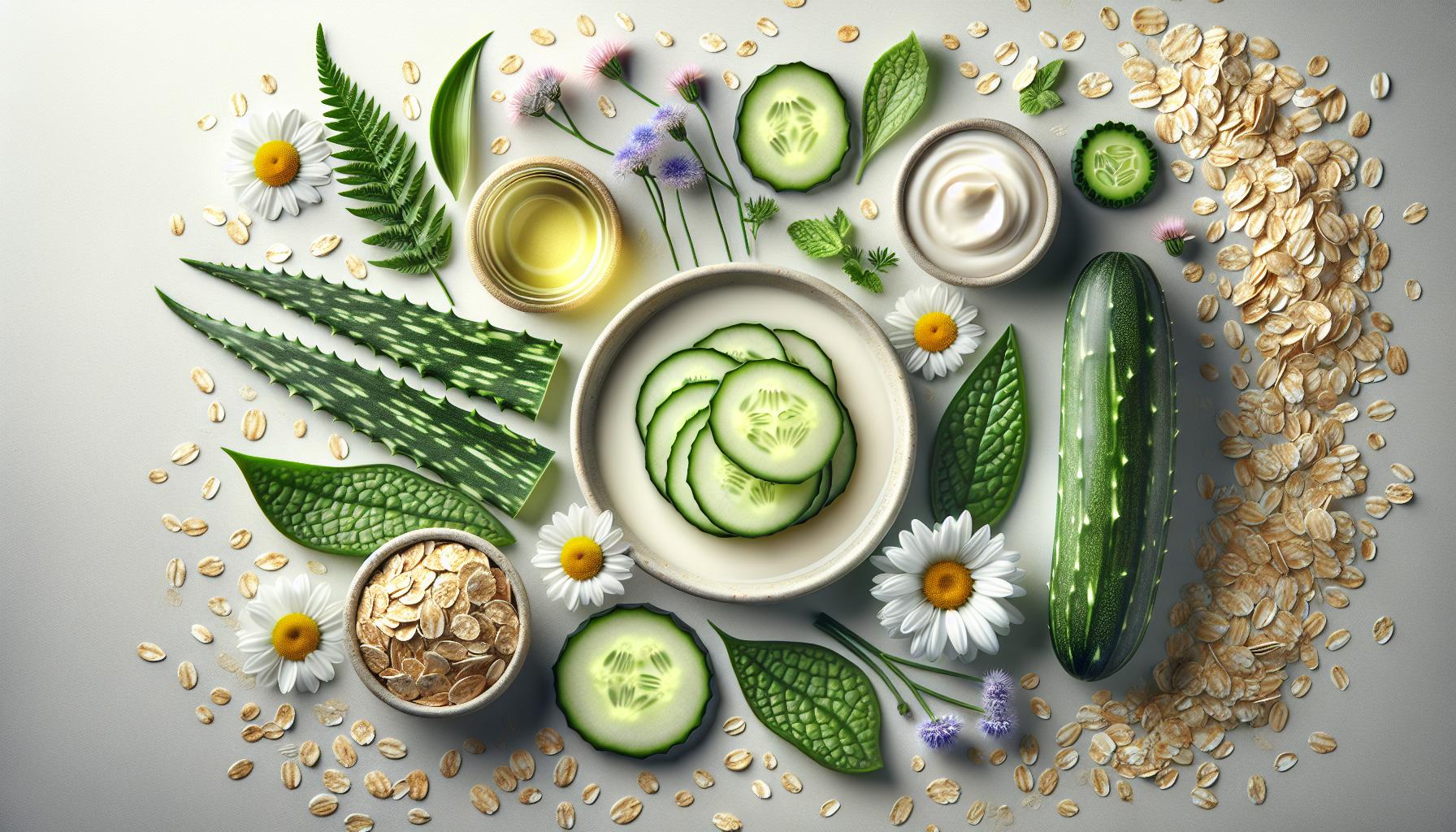
The importance of opting for products with authentic natural ingredients cannot be overstated. The heart of this movement stems from a desire to enhance skin health while minimizing adverse reactions. For instance, many synthetic ingredients can elicit allergic responses or irritate the skin. Individuals with sensitive skin often find relief when they switch to products rich in natural botanicals like aloe vera or chamomile, both known for their soothing properties.
Furthermore, the benefits of better skin health cannot be overlooked. Natural ingredients such as shea butter and coconut oil are replete with vitamins and antioxidants that support skin regeneration and hydration. In contrast to their synthetic counterparts, which often strip the skin of its natural oils, these ingredients work synergistically to nourish and protect, resulting in a radiant complexion.
In addition to personal health, there is a growing emphasis on environmental responsibility. Consumers today are increasingly inclined to support brands that commit to sustainable sourcing and eco-friendly packaging. For example, companies that utilize recyclable materials or source their ingredients from fair-trade suppliers not only garner consumer trust but also contribute to a larger cause — the sustainability of our planet.
However, the market is fraught with challenges, particularly the issue of “greenwashing.” This deceptive practice comes into play when brands exaggerate or fabricate the natural components of their products. To navigate this minefield, it is essential to be informed about key factors when assessing product authenticity.

- Informed Labels: Look for products that explicitly state “100% natural” or “organic” on their packaging. These labels provide a good starting point in determining a product’s authenticity.
- Ingredient Transparency: Analyze the ingredient list critically. Authentic natural products should contain recognizable items rather than a jumble of complex chemical names.
- Certifications: Seek out brands recognized by certifying bodies, such as USDA Organic or Ecocert. Such endorsements can lend credibility to a product’s claims regarding its natural composition.
As you navigate the vast landscape of beauty products, becoming knowledgeable about authentic natural ingredients empowers you to make choices that are not just beneficial for your skin but also for the world at large. The journey toward sustainable beauty practices is not only rewarding but also necessary for fostering a healthier future. So, are you ready to delve deeper into what truly nourishes your skin?
DISCOVER MORE: Click here
Navigating the Ingredient Jungle
With the increasing demand for clean beauty, authentic natural ingredients have gained immense popularity. However, deciphering the ingredient list on product packaging can feel like navigating a dense jungle. This is where knowledge and awareness come into play, enabling consumers to distinguish true natural offerings from those that are only masquerading as such.
One of the first steps to identifying authentic natural ingredients is to familiarize yourself with common terms that often appear on labels. For instance, ingredients like essential oils, botanical extracts, and cold-pressed oils are indicative of natural formulations. These components not only come from plants but also retain their natural benefits, such as antioxidants and essential fatty acids, which promote healthy skin. Conversely, synthetic ingredients like parabens, sulfates, and petroleum-based products are often used as preservatives or foaming agents, which can significantly diminish the overall quality and benefits of a product.
To further assist your quest for authenticity, consider the following strategies:
- Understand the Ingredient Hierarchy: Ingredients on labels are listed in descending order by quantity. Therefore, if water appears first, it means it constitutes the largest proportion of the formulation. Ensure that natural ingredients occupy the top slots instead of synthetic fillers.
- Scout for Recognizable Ingredients: A quick test of authenticity lies in recognizing the ingredients. The fewer the complicated names on the list, the better. Look for simple, straightforward terms that reflect true natural sources.
- Research the Botanical Source: Investigating the origins of key ingredients can provide valuable insight. For example, ingredients like aloe vera and argan oil are not only popular but also well-researched for their skin benefits. Understanding their source and benefits may steer you toward more authentic options.
In addition to ingredient recognition, it is vital to assess the brand’s philosophy and transparency. Many reputable brands prioritize integrity and openly share their sourcing practices, production methods, and quality control measures. This level of transparency can provide peace of mind regarding the authenticity of their products. Brands that offer samples or trial sizes are often more confident about the purity and effectiveness of their formulations, allowing consumers to test before committing to a full-size product.
By taking the time to evaluate both the ingredients and the brand’s commitment to natural beauty, consumers can make informed choices. In a world rife with products claiming to be “natural,” empowering oneself with knowledge not only enhances personal skincare routines but also fosters trust in brands striving for authenticity.
How to Identify Authentic Natural Ingredients in Beauty Products
As consumers become increasingly aware of the ingredients found in beauty products, the demand for authentic natural ingredients has surged. Identifying these ingredients can enhance your skincare routine, ensuring that you’re not only caring for your skin but also making informed choices that promote overall health and well-being. This section delves deeper into some notable benefits of choosing products with genuine natural components.
| Advantages | Details |
|---|---|
| Skin Health | Natural ingredients are less likely to cause irritation compared to synthetic alternatives. |
| Eco-Friendly | Sourcing from nature supports biodiversity and reduces environmental impact. |
| Nutritional Value | Many natural ingredients are rich in vitamins and antioxidants beneficial for skin rejuvenation. |
| Transparency | Brands that focus on natural ingredients often provide clearer labeling and ingredient sourcing. |
Understanding how to recognize these advantages plays a crucial role in making smarter beauty choices. Not only does gravitating towards authentic natural ingredients enhance the performance of your skincare products, but it also fosters a commitment to sustainability. With more brands committed to transparency regarding their formulations, consumers are empowered to scrutinize labels and demand better—making informed decisions that align with their values.
DISCOVER MORE: Click here for essential anti-aging ingredients
Decoding Labels and Certifications
Understanding cosmetic labels can significantly increase your ability to identify authentic natural ingredients. While ingredient recognition is crucial, not all labels are created equal. Various certifications can help guide consumers away from misleading marketing. Look for labels that denote organic or natural certifications from recognized organizations. For example, certifications from the USDA Organic or EcoCert signify that a product meets rigorous standards for ingredient purity and sourcing. The presence of such certifications can often indicate a brand’s commitment to authenticity.
It is also important to be aware that terms like “natural” or “organic” can be interpreted in different ways. In the US, there are no standard regulations governing the use of “natural” on product labels, which makes it a nebulous term. A product can claim to be natural while still containing synthetic additives. Therefore, checking for authentic certifications can provide an extra layer of assurance.
Moreover, consumers should be cautious of brands that display buzzwords or marketing jargon intended to sound appealing without concrete backing. Terms like “free from parabens,” “chemical-free,” or “hypoallergenic” are often used to catch attention but lack regulatory definitions. Instead, focus on clear, verifiable certifications that demonstrate a brand’s credibility and dedication to using natural ingredients.
Investigate Company Practices and Ethics
In addition to scanning the labels, researching the company’s ethos can be just as revealing. Brands that prioritize natural ingredients often have stories that resonate with ethical sourcing, sustainability, and environmental responsibility. Investigate whether the company engages in fair trade practices or supports local farmers, as these factors increase the likelihood of sourcing truly authentic ingredients.
Many brands now share their commitment to sustainability through their websites or social media platforms. You might find behind-the-scenes videos, ingredient sourcing stories, and detailed information about their manufacturing processes. This transparency reflects a company’s accountability and can guide you in choosing products that align with your values.
Moreover, engage with your community. Social media platforms and beauty forums are a treasure trove of reviews and discussions about product authenticity. Remember, firsthand experiences from fellow consumers can reveal whether a product truly lives up to its claims. Check for mentions of ingredient effectiveness, side effects, and overall satisfaction, as these insights can illuminate the reality behind the marketing.
The Role of Technology in Ingredient Auditing
Recent advancements in technology also offer new methods for consumers to assess product authenticity. Mobile applications, for instance, allow users to scan barcodes on beauty products to access detailed information about their ingredients, including sourcing and potential contaminants. This can serve as a powerful shortcut for consumers to demystify product labels and uncover the truth in formulations.
Furthermore, platforms like INCI Decoder and Think Dirty provide databases that reveal ingredient origins and their functions within the formulations. These resources empower consumers to make well-informed decisions while shopping for beauty products. Such tools are particularly beneficial for individuals with specific skin concerns or preferences, such as vegan standards or allergy-sensitive formulations.
Ultimately, navigating the beauty product landscape requires a combination of label scrutiny, research, and community engagement. By arming yourself with knowledge and utilizing available resources, you can significantly enhance your ability to detect authentic natural ingredients and make beauty choices that resonate with your personal values and skincare goals.
DISCOVER MORE: Click here for natural solutions
Conclusion: Empowering Your Beauty Choices
In a world saturated with beauty products, understanding how to identify authentic natural ingredients is vital for making informed purchasing decisions. By focusing on label scrutiny, seeking reputable certifications, and delving into the ethical practices of companies, you can navigate the often murky waters of beauty marketing. Recognizing that labels like “natural” and “organic” may lack strict regulations empowers you to rely on third-party certifications such as USDA Organic and EcoCert, which signify genuine commitment to ingredient quality. Additionally, investigating a brand’s sourcing ethics and sustainability practices can provide insight into their authenticity and dedication to natural beauty.
As technology continues to evolve, so do the tools available for consumers. Leveraging mobile apps and databases like INCI Decoder can demystify product ingredients, making it easier to align your beauty choices with your values and specific skincare needs. Engaging with your community through social media and beauty forums will further enrich your understanding by providing authentic reviews and discussions about actual product efficacy.
Ultimately, becoming a savvy shopper is a journey that combines education, community engagement, and technological tools. With these resources at your disposal, you will be well-equipped to embrace beauty products that genuinely reflect your principles, ensuring that your skincare routine is not only effective but also harmoniously aligned with your values. Investing in authentic natural ingredients is an investment in both your skin and the environment, paving the way for a more sustainable beauty future.