
Trends in Dermatological Treatments: What’s New in Technology and Innovation
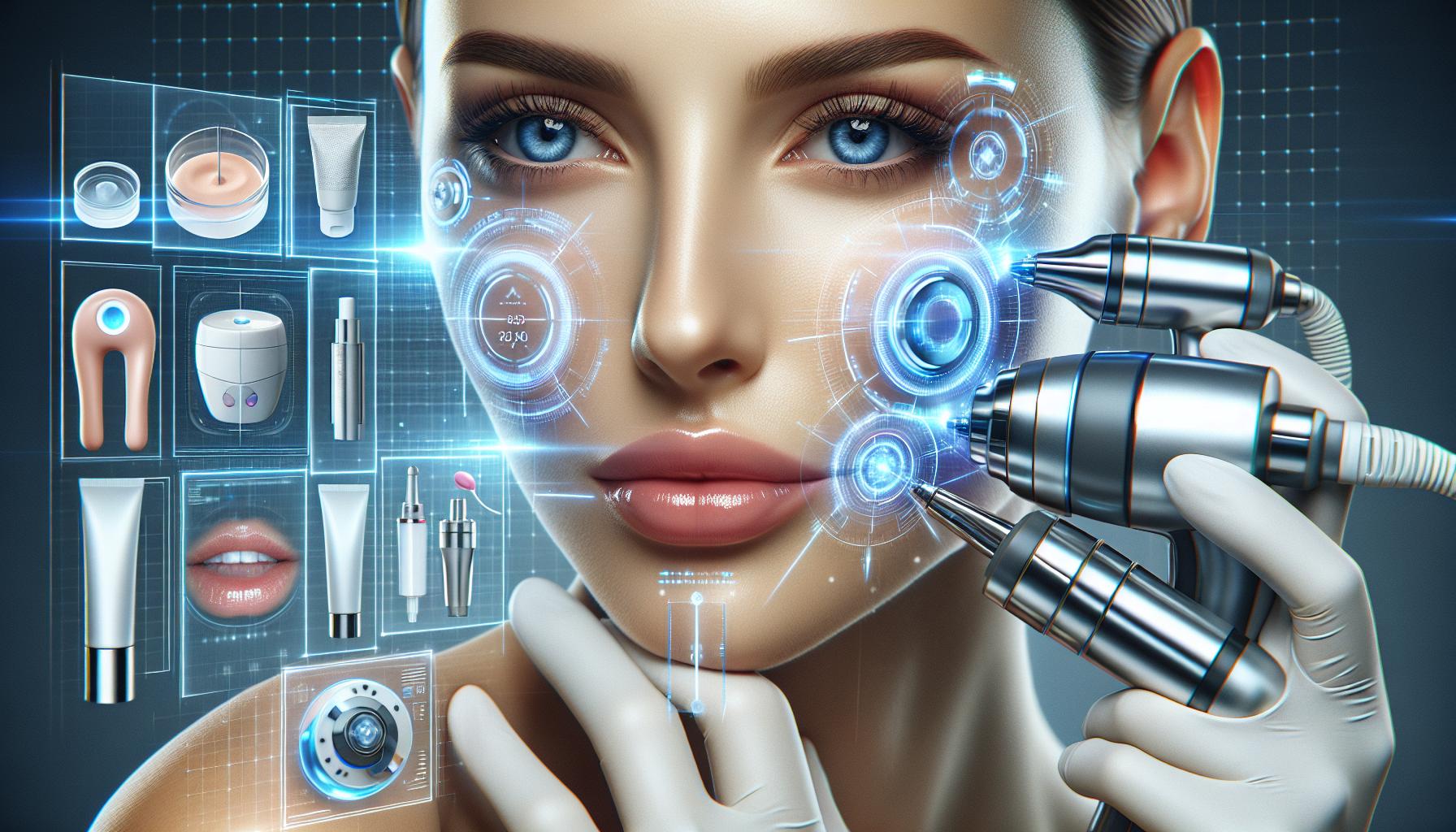
Recent Innovations in Dermatological Care
In recent years, advances in technology have reshaped the landscape of dermatological treatments. Patients and practitioners alike are witnessing an exciting era marked by innovation, effectiveness, and accessibility. This vibrant field is experiencing transformative changes that promise to enhance skin health and rejuvenation.
Dermatology, once confined to traditional office visits and routine procedures, is now evolving through a multifaceted approach that leverages technological advancements. Here are some key trends propelling dermatological treatments forward:
- Teledermatology: Virtual consultations are making expert advice more accessible than ever. Especially in a post-pandemic world, the ability to consult with dermatologists through video calls or mobile apps has revolutionized patient care. For instance, platforms like DermTech allow patients to submit images of skin lesions for assessment, vastly expediting the diagnostic process and enabling timely interventions without the need for physical visits.
- Artificial Intelligence: AI-driven diagnostics are improving accuracy in identifying skin conditions. Algorithms trained on thousands of dermatological images can now assist in diagnosing conditions such as melanoma and acne with an accuracy rate comparable to seasoned dermatologists. A notable example is the use of AI applications like SkinVision, which can analyze skin spots and provide users with early warning signs for potential skin diseases.
- Minimally Invasive Technologies: Techniques like laser therapies and microneedling have gained popularity for their effective, low-risk outcomes. These treatments target issues ranging from acne scars to wrinkles, allowing patients to see significant results with minimal downtime. For example, the “VBeam” laser is widely recognized for treating rosacea and vascular lesions, while microneedling is often praised for stimulating collagen production in a fraction of the time required by traditional facelifts.
- Personalized Skincare: Tailored treatment plans based on genetic and lifestyle factors are on the rise. Companies like Genomind are leading the way by using DNA analysis to create customized skincare regimens that cater to individual skin types and issues. This level of customization not only enhances efficacy but also improves patient satisfaction and adherence to treatment plans.
- Regenerative Medicine: Innovations like stem cells and platelet-rich plasma (PRP) are opening new avenues for healing and rejuvenation. PRP, derived from a patient’s own blood, has shown promising results in hair restoration and skin rejuvenation by harnessing the body’s natural healing processes. Moreover, stem cell therapies are being explored for their potential to treat chronic skin conditions and facilitate wound healing, showcasing an exciting frontier in dermatology.
These developments not only highlight the rapid progress being made but also reflect a shift towards more individualized and technology-driven solutions. As we delve deeper into these innovations, it becomes clear that the future of dermatological care is bright. With improved diagnostic tools, novel treatment methods, and a shift toward patient-centered care, the field is not only enhancing clinical practices but also significantly enriching patient experiences across the United States. The ongoing transformations are not just the result of technological advancements, but also the potent combination of scientific inquiry, patient feedback, and the relentless pursuit of better health outcomes. This is just the beginning of what we can expect as these trends continuously evolve and shape the future of skincare.
LEARN MORE: Click here to discover how to select the perfect SPF
Emerging Technologies Revolutionizing Dermatology
As we look at the forefront of dermatological treatments, it’s clear that technology is becoming an integral part of enhancing skin care. From improved diagnostic techniques to advanced therapeutic options, innovation is taking center stage in dermatology. This evolution is leading to a greater understanding of skin health, more personalized treatment protocols, and enhanced patient outcomes. Let’s explore some of the most significant technological advancements currently shaping the field.

- Digital Imaging and Diagnostics: The rise of high-resolution digital imaging has provided dermatologists with powerful tools for skin examination. Techniques such as 3D imaging allow for precise monitoring of skin lesions over time, greatly assisting in the early detection of conditions like melanoma. This technology enhances communication between patients and doctors, as detailed visual representations can help explain potential risks and treatment options more effectively.
- Wearable Technology: Wearables are transforming not just fitness tracking, but also skin care management. Devices equipped with sensors can monitor UV exposure, humidity, and other environmental factors that can affect skin health. Brands like L’Oréal have introduced UV sensors that alert users when they have reached their daily limit of sun exposure, empowering them to make informed decisions on sun protection.
- Advanced Laser Treatments: Laser technology continues to evolve, with new devices offering faster recovery times and more targeted treatments. Techniques such as fractional laser therapy provide effective solutions for skin resurfacing, minimizing wrinkles, and treating pigmentation issues with minimal invasion. Innovations like the “PicoSure” laser can treat tattoo removal effectively, while also addressing various dermatological concerns, proving the versatility of laser applications.
- Biologics in Treating Chronic Skin Conditions: The field of dermatology is increasingly seeing a shift towards biologics for conditions like psoriasis and eczema. These advanced medications target specific pathways in the immune system to reduce symptoms and flare-ups. For example, drugs like Dupilumab have changed the landscape of eczema treatment, providing hope for patients who struggled with traditional therapies.
- Augmented Reality (AR) in Patient Education: AR technology is enhancing patient understanding of dermatological conditions and treatment options. Through apps that allow users to simulate potential outcomes of treatments, patients are better equipped to make informed choices about their care. This interactive approach not only fosters knowledge but also builds trust between providers and patients.
These emerging technologies highlight a commitment to improving patient experiences and outcomes through innovation. With every advancement, the potential to engage patients in their own care increases, making them active participants in their dermatological health. Furthermore, the integration of these technologies into routine dermatological practice paves the way for a future where skin care is more efficient, effective, and accessible than ever before. As we continue to explore these trends, we uncover layers of possibilities that promise to redefine how we approach skin health in both clinical and personal settings.
Exploring Innovative Dermatological Treatments
As the beauty and healthcare industries continue to evolve, dermatology remains at the forefront of technological advancements. With the integration of cutting-edge solutions, practitioners are now able to offer treatments that are not only more effective but also much safer for patients. One key trend is the use of artificial intelligence (AI)</strong) in skin diagnostics, which allows dermatologists to make more accurate assessments and tailor treatment plans that are uniquely suited to each patient.
Revolutionizing Treatment Methods
Recent innovations such as lasers and light therapies now incorporate smarter technology, enhancing precision and minimizing recovery times. For instance, new fractional laser systems are designed to penetrate deeper layers of the skin while reducing surface damage, resulting in quicker healing and less downtime. Moreover, advanced light therapies are being utilized to treat pigmentation issues and acne with remarkable efficiency, signifying a significant departure from traditional methods.
The Role of Teledermatology
Telemedicine is also creating remarkable shifts in dermatology treatments. Through teledermatology, patients can consult with specialists via video calls, enabling timely diagnoses and treatment plans without the need to visit a clinic physically. This not only expands access to dermatological care but also allows for ongoing monitoring and adjustments to therapies as needed.To keep up with these exciting trends, it is essential for readers and practitioners alike to stay informed about the latest treatments that demonstrate not just promising results but also a commitment to patient safety and satisfaction.
| Technology | Advantages |
|---|---|
| AI in Diagnostics | More accurate skin assessments, personalized treatment plans |
| Laser Treatments | Reduced downtime, enhanced precision, faster recovery |
| Teledermatology | Increased accessibility, timely consultations, ongoing care |
These advancements signify a shift toward more effective and accessible dermatological treatments that prioritize the patient experience. As more innovations emerge, the future of dermatology looks promising, filled with potential to revolutionize how we approach skin health.
DISCOVER MORE: Click here to learn about the best anti-aging ingredients
Innovative Treatment Modalities Changing the Landscape of Dermatology
As technology evolves, so too does the approach to dermatological treatments. The integration of new methodologies continues to revolutionize how physicians treat skin conditions and enhance aesthetic outcomes. These methodologies are not merely fads; they represent a deeper understanding of dermatology and the human body, offering more effective solutions to both chronic skin issues and cosmetic concerns. Let us delve into some of the groundbreaking treatment modalities gaining traction in this dynamic field.
- Teledermatology: With the advent of telemedicine, dermatology is witnessing a seismic shift in patient care delivery. Through virtual consultations, dermatologists can offer timely evaluations and treatment recommendations without patients needing to visit the clinic. This modality becomes especially crucial in rural areas, where access to dermatological expertise may be limited. Internet-enabled platforms enable secure sharing of images and medical histories, facilitating accurate remote diagnosis and individualized treatment planning.
- Regenerative Medicine: The potential of regenerative medicine heralds a new era in dermatological treatments. Techniques involving stem cells and platelet-rich plasma (PRP) are increasingly being utilized to rejuvenate the skin and promote healing. For example, PRP treatments utilize a patient’s own blood to harness growth factors, stimulating damaged tissues and improving overall complexion. Such innovative therapies provide alternatives to traditional surgical methods, reducing downtime and enhancing recovery.
- Skin Microbiome Research: Growing attention is being directed toward the skin microbiome—the diverse community of microorganisms that reside on the skin and influence its health. A new wave of products aims to restore skin balance by rebuilding the microbiome through dedicated prebiotic and probiotic formulations. This paradigm shift encourages a more holistic approach to skincare, targeting systemic issues rather than merely treating surface symptoms.
- Customized Skincare Solutions: The rise of personalized skincare is profoundly changing dermatological treatments. Advances in genetic testing are allowing dermatologists to tailor skincare regimens based on individual genetic profiles. Companies are launching personalized skincare lines that specifically address unique skin types, concerns, and sensitivities identified through advanced diagnostics. This customization optimizes treatment efficacy and enhances patient satisfaction by ensuring that each regimen is mindful of individual differences.
- Artificial Intelligence (AI) for Predictive Analytics: The use of AI in dermatology cannot be overstated. Algorithms are being designed to analyze images for skin conditions at levels comparable to human experts. This technology aids in predicting the progression of skin diseases, helps in decision-making for treatment options, and provides insights into patient outcomes. For instance, AI tools can evaluate moles and lesions more efficiently, allowing dermatologists to focus on complex diagnoses that require their expertise.
These innovative treatment modalities underscore the remarkable advancements in the field of dermatology. They not only provide new hope for patients dealing with various skin concerns but also highlight a progressive shift towards a more personalized and technology-driven approach to skin health. As dermatology continues to harness the power of innovation, the future of skin care instills optimism for enhanced patient experiences and outcomes.
DISCOVER MORE: Click here to explore natural remedies
Looking Ahead: The Future of Dermatological Treatments
The landscape of dermatological care is rapidly transforming, propelled by cutting-edge technology and innovative approaches. The trends highlighted in this article, including teledermatology, regenerative medicine, and a focus on the skin microbiome, are not just reshaping past practices but also forging a new path toward individualized skin health solutions. As healthcare professionals increasingly embrace these advancements, patients are benefitting from faster diagnoses, personalized treatments, and improved outcomes.
Moreover, as artificial intelligence continues to evolve, its implications for predictive analytics cannot be understated. The ability to harness AI for analyzing dermatological conditions opens up exciting possibilities for early intervention and precise treatment plans. The integration of such innovative technologies ensures that dermatology remains at the forefront of medical advancement, fostering a more comprehensive understanding of skin health.
Ultimately, these trends point towards a future where dermatological care is not just reactive but preventive and customized. As patients become more informed and proactive about their skin health, they can take advantage of these technological strides to enhance their well-being. The ongoing exploration of solutions tailored to individual genetic and lifestyle factors signifies a shift from a one-size-fits-all model to one that recognizes the unique complexities of each person’s skin. In this rapidly evolving arena, patients and practitioners alike are encouraged to stay informed and engaged, ensuring they can make the most of these revolutionary advancements. The future of dermatology promises not only improved skin health but also a deeper, more meaningful relationship between patients and their providers.