The Revolution of Natural Ingredients: How the Beauty Industry Is Changing
The Shift Towards Natural Beauty
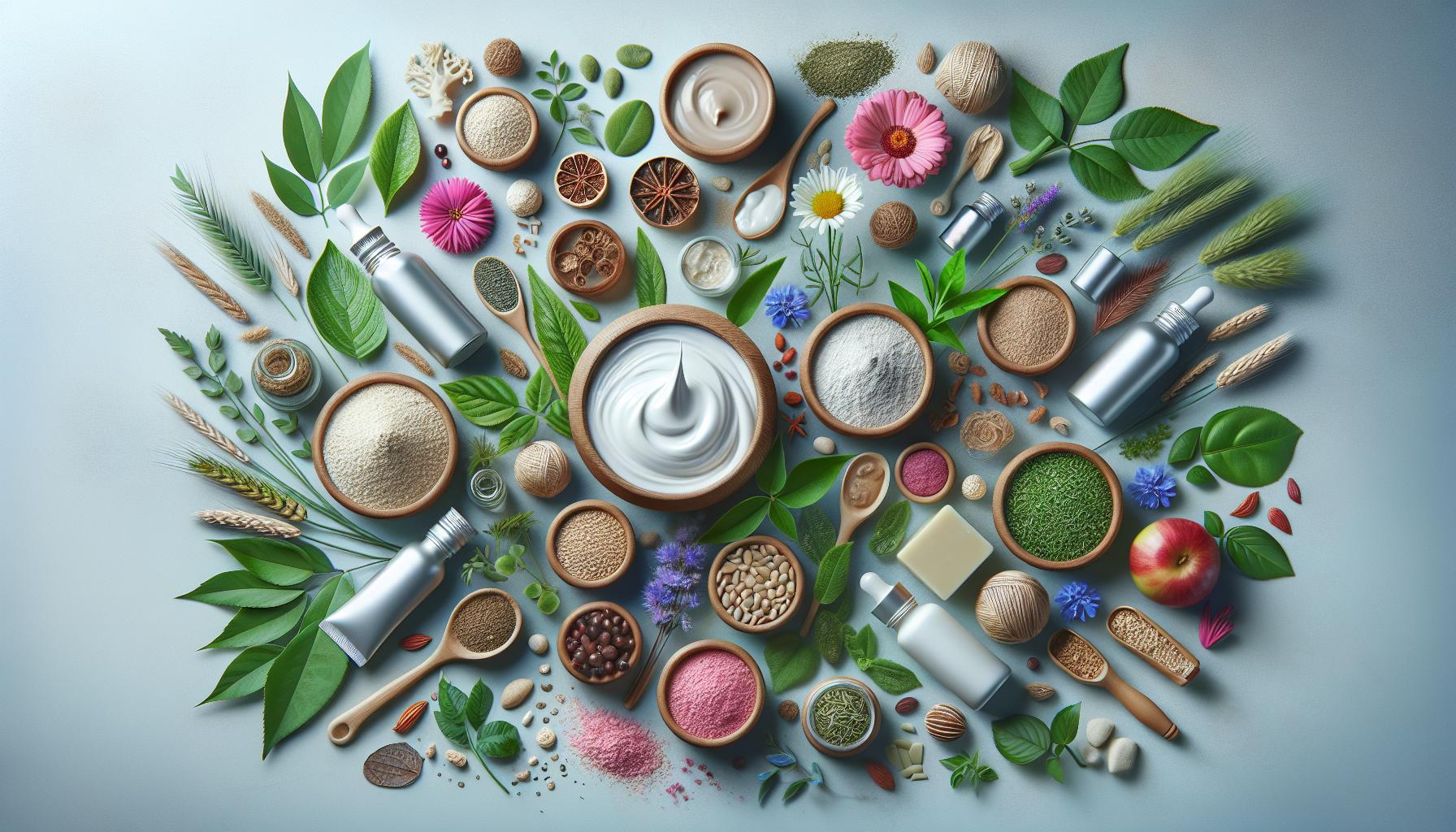
The beauty industry is currently undergoing a monumental transformation, as a palpable shift towards natural ingredients reshapes both consumer expectations and marketing strategies. With increasing awareness surrounding health, sustainability, and the potential hazards of synthetic chemicals, today’s consumers are more informed and conscientious about the products they choose to use. This heightened awareness underscores a groundbreaking change in perceptions about skincare and cosmetics.
Approximately 77% of consumers now favor products enriched with natural components over conventional formulations, reflecting a clear preference for items believed to be safer and more effective. The global organic beauty market is projected to surge, anticipated to reach an impressive $25 billion by 2025. Interestingly, the impact of this transition is particularly pronounced among younger demographics. Studies show that over 60% of millennials prioritize environmentally conscious products, indicating that the intersection of beauty and sustainability is becoming increasingly significant.
Brand Adaptation to Consumer Demand
In response to this evolving landscape, beauty brands are adapting by revamping their product lines, focusing on transparency in ingredient sourcing to foster trust with informed consumers. Many now provide thorough information about where and how their ingredients are obtained, a practice that resonates deeply with eco-conscious shoppers. This approach not only strengthens the brand’s credibility but also appeals to the desire for ethical consumerism.
Moreover, the rise of eco-conscious packaging plays a vital role in this industry revolution. Brands are moving away from excessive plastic and harmful materials in favor of biodegradable or recyclable options. This signal of genuine commitment to environmental stewardship encourages consumers to make more socially responsible choices.
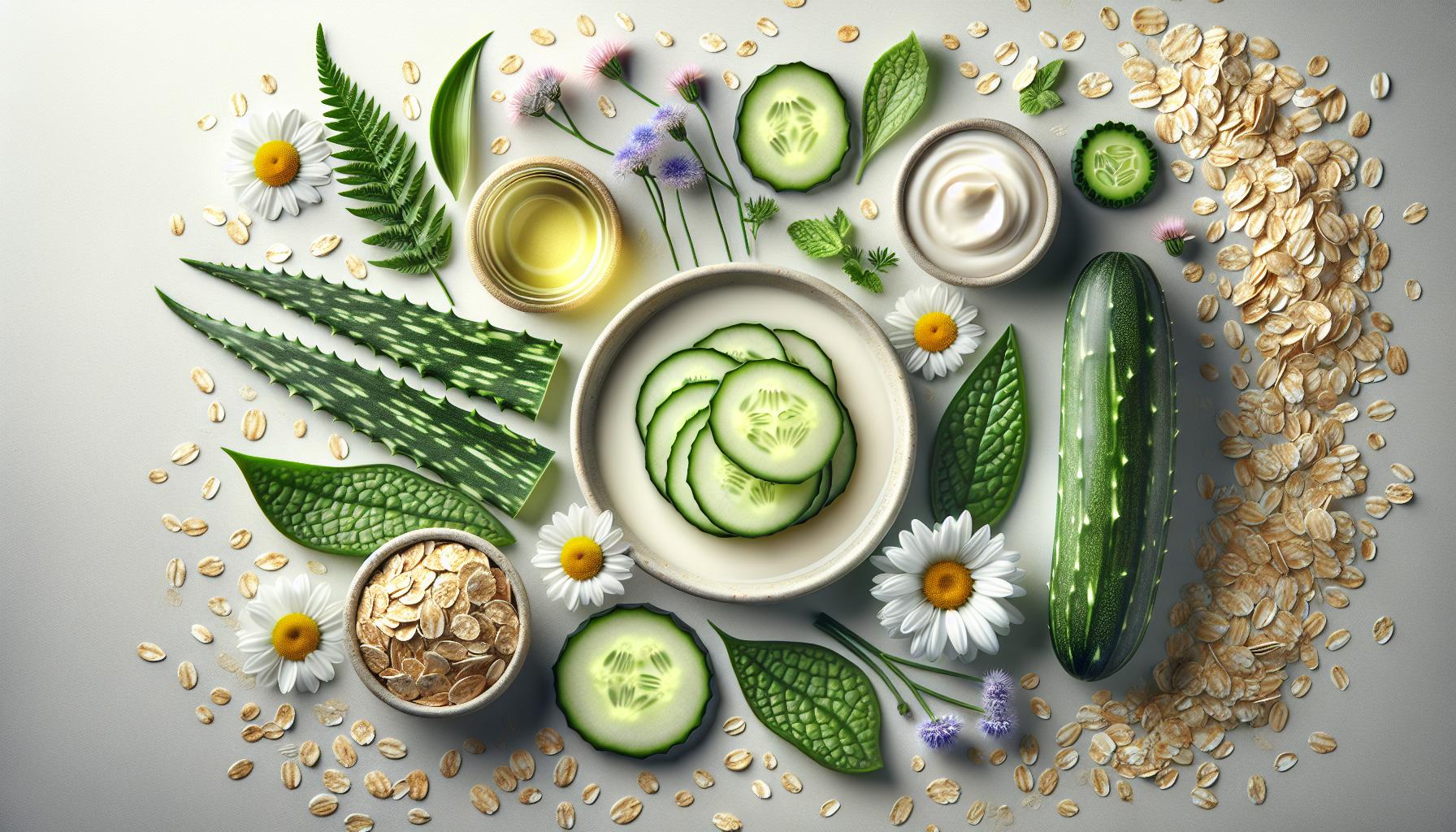
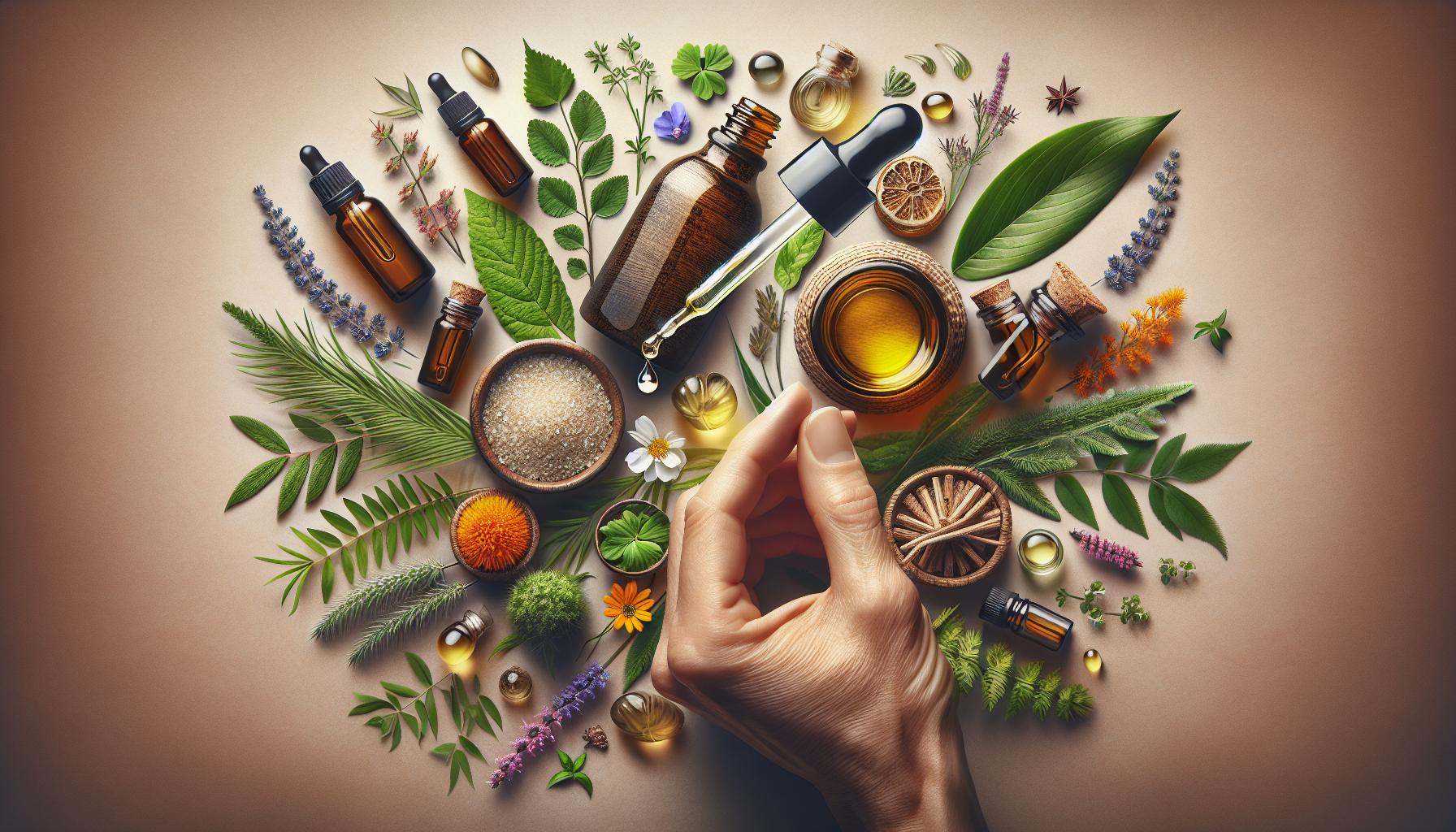
Another dynamic factor is the increasing incorporation of herbal and botanical extracts into formulations. Ingredients such as aloe vera, green tea, and essential oils are gaining popularity, celebrated for their natural benefits and luxurious feel. Many consumers find solace in knowing these ingredients are derived from nature rather than synthesized in a lab, contributing to their overall health and wellness narratives as part of their self-care rituals.

Broader Cultural Movements
This shift is more than just a passing trend; it represents a broader cultural movement towards holistic health and wellness. As individuals seek to improve their lifestyles, the preference for clean beauty products aligns seamlessly with larger discussions around nutrition, fitness, and overall well-being. Companies that embrace this movement not only attract environmentally conscious consumers, but they also cultivate communities focused on mindfulness and self-care.
In conclusion, the beauty industry’s journey towards all-natural formulations is a fascinating intersection of consumer behavior, health consciousness, and sustainability. The landscape is constantly evolving as brands face the challenges and opportunities presented by these new consumer demands. As we explore these dynamics further, the innovative practices adopted by the industry reveal a complex but ultimately rewarding pathway that could redefine beauty standards for future generations.
DISCOVER MORE: Click here to learn about anti-aging foods
The New Age of Ingredient Transparency
The craze for natural ingredients in the beauty industry is not merely a commercial strategy; it signifies a profound shift regarding what consumers demand from brands. This paradigm shift towards clean and natural beauty has paved the way for a new era where transparency is a critical element of consumer-brand relationships. Today, consumers are armed with information and are increasingly questioning the origins of the ingredients in their beauty products.
As the demand for transparency rises, brands are stepping up efforts to share the stories behind their ingredients. This means not just listing what’s inside their products but also detailing how those ingredients are sourced, processed, and tested. Companies are now employing various strategies to communicate their ingredient integrity, such as:
- Ingredient sourcing: Highlighting where and how ingredients are obtained.
For example, brands may use fair trade practices to ensure ethical sourcing. - Third-party certifications: Obtaining certifications such as USDA Organic or cruelty-free, which helps build consumer trust.
- Ingredient education: Providing informative content about the benefits of specific natural ingredients and debunking myths related to them.
As a result, consumers are gravitating towards brands that prioritize these transparency practices. According to a recent survey, approximately 70% of shoppers prefer brands that openly share their ingredient sourcing practices, further establishing the demand for honesty in product formulation.
The Role of Regulations and Standards
This heightened focus on natural ingredients isn’t purely consumer-driven; regulatory bodies are also putting increased emphasis on clean beauty standards. Initiatives set forth by organizations such as the Food and Drug Administration (FDA) and the Environmental Protection Agency (EPA) are calling for stricter guidelines on labeling and ingredient disclosures. As a result, brands that prioritize natural formulations not only find themselves in a favorable light with consumers but also ensure compliance with evolving regulations.
Furthermore, organizations like the Cosmetic Ingredient Review (CIR) actively examine the safety of cosmetic ingredients, driving industry-wide changes. Their assessments help inform brands which natural ingredients are deemed safe for consumer use, encouraging wider adoption across various products.
The Impact of Social Media
The quick rise of social media platforms has amplified the conversation around natural beauty. Influencers and beauty enthusiasts leverage these platforms to share their experiences and advocate for cleaner ingredients. Hashtags such as #CleanBeauty and #NaturalSkincare have dominated platforms like Instagram and TikTok, promoting products without harsh chemicals and showcasing the results achieved by using them. The organic reach of social sharing has made consumers feel empowered to voice their opinions and preferences more than ever before.
This trend towards the revolution of natural ingredients in beauty marks a significant cultural evolution. As consumers increasingly embrace a philosophy centered on health, sustainability, and ethical practices, the beauty industry is poised for a transformation that resonates not only within the market but also within the very fabric of society.
| Advantages | Impacts on the Industry |
|---|---|
| Healthier Skin | Natural ingredients reduce chemical exposure and promote skin health. |
| Sustainable Sourcing | Greater focus on renewable resources lowers environmental impact. |
| Transparency | Brands are increasingly transparent about ingredient sourcing, appealing to conscious consumers. |
| Holistic Approach | Integrates beauty with wellness, framing skincare as a lifestyle choice. |
The beauty industry is currently witnessing a surge in the demand for products that harness the power of nature. This evolution not only caters to the aesthetic desires of consumers but also reflects a growing awareness of health and sustainability. As brands pivot towards plant-based formulations, they are working diligently to educate consumers about the benefits each ingredient can provide. For instance, ingredients like aloe vera, known for its soothing properties, are now staples in skincare lines aimed at providing effective yet gentle solutions.Furthermore, the incorporation of natural ingredients opens the door for greater innovation in product development. Beauty companies showcase not just the efficacy but also the stories behind their ingredients, creating a more relatable narrative that resonates with buyers. In an era where consumers prioritize authenticity and ethical practices, brands utilizing natural components are setting themselves apart in a crowded market landscape.One fundamental shift is the increase in consumer engagement—people are no longer just buyers; they are informed spectators interested in the origins and benefits of what they apply to their skin. As we delve deeper into this revolution of natural ingredients, the beauty industry stands at the intersection of health, sustainability, and conscious consumption, inviting consumers to make choices that align with their values.
DON’T MISS: Click here to discover essential anti-aging ingredients
Shifting Consumer Mindsets and the Rise of Clean Beauty Brands
The revolution of natural ingredients in the beauty industry extends beyond ingredient transparency; it embraces a substantial change in consumer mindsets. Today’s consumers are not merely looking for products that work; they are searching for solutions that align with their personal values, health consciousness, and environmental concerns. As a result, the term clean beauty has garnered widespread recognition, referring to products that are free from potentially harmful chemicals, synthetic fragrances, and other known irritants.
With this in mind, it is no surprise that clean beauty brands have emerged as serious contenders in the market. Companies such as RMS Beauty, Tata Harper, and Herbivore Botanicals focus on formulations with natural, organic, and often locally sourced ingredients. These brands position themselves not just as beauty providers but as champions of a more holistic lifestyle, which includes sustainability and ethical considerations in product development.
Emerging Trends in Natural Ingredients
In the evolution of natural beauty, several emerging trends are capturing consumer attention further. From superfoods in skincare to ancient remedies finally making their way into mainstream products, the innovation around natural ingredients is significant. For instance, the incorporation of adaptogens—natural substances that help the body mitigate stress—has begun appearing in skincare lines. Ingredients like ashwagandha, reishi mushroom, and holy basil are celebrated not just for their historical uses but for their skin-soothing properties.
- Ayurvedic Influences: More brands are tapping into the rich history of Ayurveda, reviving ancient formulations that utilize herbs and oils traditionally known for their therapeutic effects.
- Biotechnology: Natural ingredients are now being enhanced through biotechnology, allowing for more effective extraction methods and sustainable production. This means that even if an ingredient seems exotic, it can be created in a lab without harming the environment.
- Ingredient-Focused Branding: Brands like Osea are spotlighting star ingredients like seaweed and using them as central themes in their marketing strategies, elevating consumer awareness of the benefits of specific natural components.
Challenges and Criticism of the Clean Beauty Movement
<pDespite its promising rise, the clean beauty movement is not without challenges. Critiques arise around the definitions of "natural" and "clean," as these terms lack standardized regulatory definitions. For instance, a product labeled as 'natural' may still contain synthetic ingredients or chemicals that can cause irritation. Many consumers, while enthusiastic about embracing natural formulations, find themselves navigating a complex landscape of marketing terms and labels that can be misleading.
Moreover, the rising trend of natural ingredients has prompted some big brands to reformulate existing products or introduce new lines that cater to this demand, potentially leading to accusations of “greenwashing.” This term describes the practice of making misleading claims about environmental benefits, where brands promote themselves as eco-friendly without substantial proof.
Nevertheless, the consumer’s ongoing appetite for natural and sustainable products remains a driving force in the beauty industry. Brands that genuinely commit to transparency, ethical practices, and effective natural formulations are likely to thrive in this evolving landscape, capturing the hearts and wallets of conscious consumers.
DISCOVER MORE: Click here for DIY beauty recipes
Conclusion: Embracing the Future of Beauty
The beauty industry is undergoing a profound transformation fueled by the revolution of natural ingredients. As consumers increasingly prioritize health, sustainability, and ethical practices, the shift toward clean beauty has emerged as a defining trend. Consumers now seek products that not only enhance their beauty but also align with their values, leading to a burgeoning market for brands committed to transparency and eco-friendliness.
Innovation is at the heart of this movement, showcasing the versatility and effectiveness of natural ingredients. From ancient Ayurvedic remedies to the latest advancements in biotechnology, the possibilities are vast and exciting. However, this evolution is not without its challenges. The complexities surrounding definitions of “natural” and “clean” require consumers to stay informed and vigilant to avoid misleading claims, such as greenwashing.
As the demand for authentic and responsibly sourced beauty products continues to rise, brands that genuinely embrace these principles will surely stand out in a crowded marketplace. For consumers, this presents an opportunity to make choices that not only elevate their beauty routines but also contribute to a healthier planet.
Ultimately, the revolution of natural ingredients signals a new era in the beauty industry, one where conscious consumerism and innovation exist in harmony. As we progress, the connection between wellness and beauty will only strengthen, inspiring all to take part in this transformative journey toward a more sustainable future in beauty.