
The Importance of Hydration in Skincare Routine
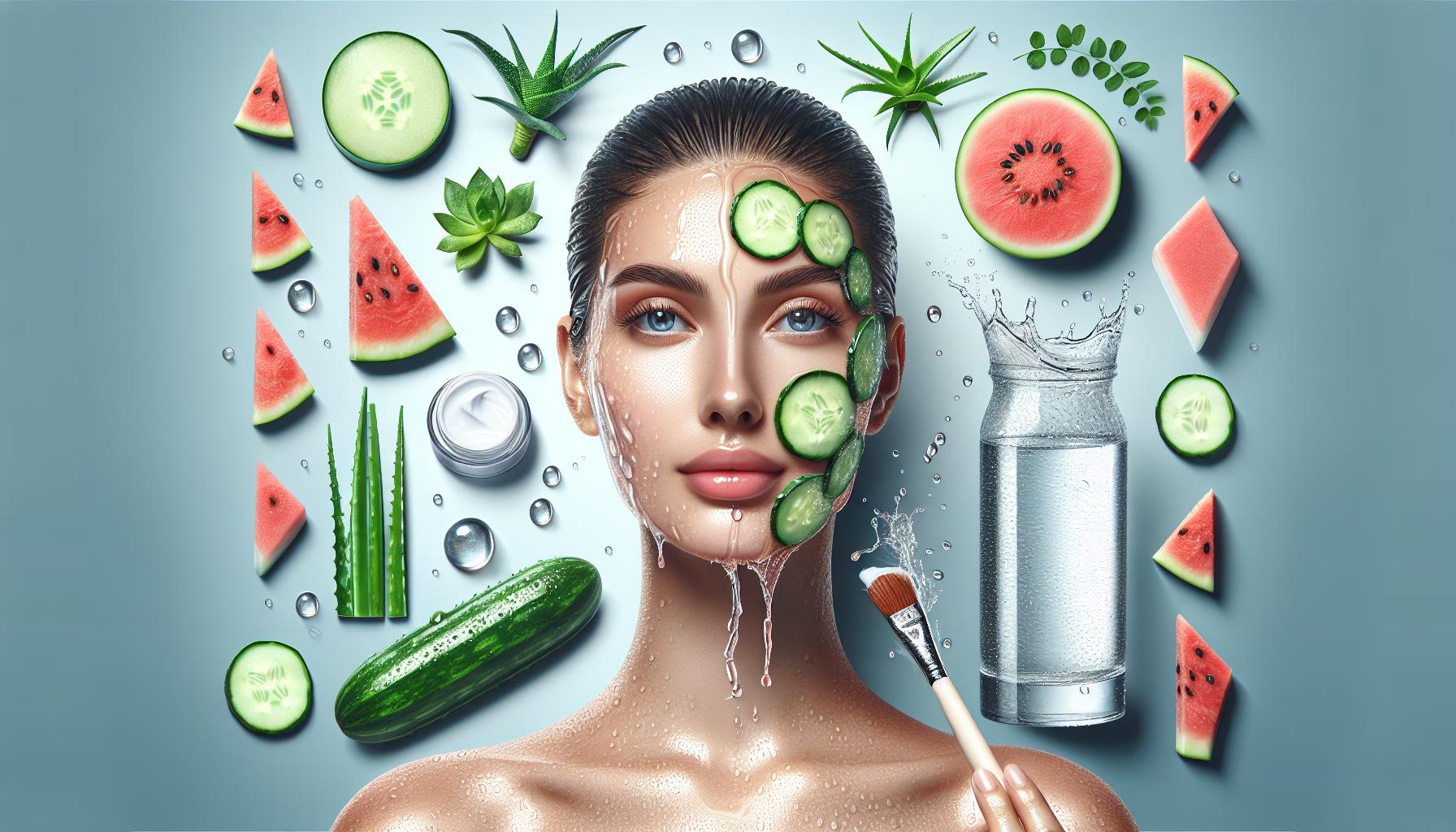
Understanding the Role of Hydration
Water is essential not only for survival but also for maintaining healthy skin. Hydration plays a pivotal role in your skincare routine, impacting everything from elasticity to radiance. The reality is that dry skin can lead to a host of issues, including premature aging and increased sensitivity. Without adequate hydration, the skin may become flaky, dull, or even exhibit a rough texture that can cause discomfort.
Key Benefits of Hydrated Skin
- Improved Elasticity: Hydrated skin is more supple and resilient. When skin lacks moisture, it can lose its ability to bounce back after stretching or contracting, which is essential for maintaining a youthful appearance. Proper hydration keeps collagen and elastin in the skin plump and functioning effectively.
- Reduced Fine Lines: Proper moisture levels can help diminish the appearance of wrinkles. Fine lines often become more pronounced with dehydration, as dry skin accentuates their visibility. Products infused with hyaluronic acid or glycerin, for example, can draw moisture to the skin’s surface, effectively softening these lines.
- Enhanced Complexion: Well-hydrated skin gives a natural glow, making skin look vibrant and youthful. Hydration can also help reduce redness and irritation, contributing to an even skin tone. Foundations and tinted moisturizers often sit better on well-hydrated skin, enhancing overall makeup application.
Incorporating hydration into your skincare regimen can be as simple as using the right products or adjusting your lifestyle. Identifying the best sources of hydration is crucial for any skincare enthusiast. Look for serums, creams, and lotions that contain hydrating ingredients, and consider adding a humidifier to your living space to maintain moisture levels in the air, especially during the dry winter months.
Meanwhile, maintaining hydration isn’t just about external applications; dietary considerations play a vital role too. Consuming plenty of water, alongside fruits and vegetables with high water content—such as cucumbers and watermelons—can significantly contribute to your skin’s health. Moreover, essential fatty acids from sources like fish or nuts can help maintain skin barrier function, minimizing moisture loss.
Why You Should Care
Ignoring hydration can have long-lasting consequences for your skin. In the United States, environmental factors like climate and pollution further exacerbate the need for proper moisture. In urban areas, for instance, air pollution can lead to dehydrated skin, highlighting the importance of a robust hydration strategy. As we delve deeper into this critical component of skincare, you’ll discover innovative practices and products—from hydrating mists to aquaporin-boosting moisturizers—that can transform your approach to hydration.
Ultimately, making hydration a priority can reshape not just your skin’s appearance, but also its overall health, leading to sustained results and a more youthful glow. Taking the time to investigate and implement effective hydration tactics will empower you to achieve lasting benefits and confidence in your skincare regimen.
Dive deeper: Click here to discover how diet influences skin health
Hydration: The Cornerstone of Effective Skincare
When it comes to healthy skin, hydration is critical. The skin, being our body’s largest organ, requires a significant amount of moisture to function correctly. Adequate hydration helps maintain the skin’s barrier, which is essential for protecting against environmental stressors and preventing water loss. Unfortunately, many people overlook the importance of hydration in their skincare routines, often focusing more on cleansing and exfoliating. Yet, without sufficient moisture, all those efforts may go to waste.
How Hydration Affects Skin Health
The benefits of hydration extend beyond just plumpness and radiance. The body’s moisture levels directly correlate with several aspects of skin health:
- Protective Function: Hydrated skin serves as a more effective barrier against environmental pollutants, UV rays, and toxins. A robust barrier keeps harmful substances out while locking moisture in, ensuring your skin remains protected and healthy.
- Enhanced Repair Mechanisms: Continuous hydration helps facilitate skin repair processes. A well-hydrated epidermis has better regenerative properties, allowing it to recover more swiftly from damage or irritation.
- Minimized Sensitivity: Lack of moisture can lead to irritations and heightened sensitivity, making skin more reactive to products and pollutants. On the other hand, hydrated skin can better tolerate different skincare products, reducing the chances of redness or breakouts.
With so much hinging on hydration, it’s essential to ensure that your skincare routine includes a variety of hydrating practices. From serums to creams containing water-binding humectants like hyaluronic acid and glycerin, your selections should focus on delivering moisture deeply into the skin. Consider layering products as well, starting with lighter formulations and following up with richer creams to lock in hydration effectively.
The Connection Between Hydration and Skin Types
Understanding your skin type is crucial in determining your hydration needs. Here’s a quick breakdown:
- Dry Skin: Often requires heavier creams and oils, along with hydrating serums to combat dryness effectively.
- Oily Skin: May benefit from lightweight, non-comedogenic hydrating gels or lotions to maintain moisture without clogging pores.
- Combination Skin: Typically needs targeted hydration—using heavier products on dry areas while opting for lighter formulations in oilier zones.
- Sensitive Skin: Should prioritize fragrance-free and hypoallergenic hydrating products to minimize potential irritations.
In conclusion, recognizing the significance of hydration in your skincare routine can transform your approach to maintaining healthy, radiant skin. By integrating hydration strategies tailored to your skin type and utilizing effective products, you cultivate an environment for your skin to thrive—ultimately leading to a more vibrant and youthful complexion.
The Role of Hydration in Facial Treatments
When discussing hydration in skincare, it’s essential to recognize its integral role in various facial treatments. Hydrated skin is more receptive to treatments and products, maximizing their effectiveness. For instance, procedures like microdermabrasion and chemical peels can offer better results on well-hydrated skin, as it allows for a smoother application and less irritation.
The Importance of Drinking Water
Hydration starts from within. While topical products are vital, the foundation of healthy skin is adequate water intake. Drinking sufficient water supports bodily functions and skin elasticity, directly affecting overall complexion. Studies indicate that increasing daily water consumption can significantly improve skin moisture levels, resulting in a youthful, radiant appearance.
Choosing the Right Hydrating Products
Not all moisturizers are created equal; selecting products with proven ingredients like hyaluronic acid or glycerin can make a significant difference in how the skin retains moisture. These humectants attract water to the skin’s surface, ensuring that hydration is locked in for longer durations, enhancing the overall glow and health of your skin.
Environmental Factors
The environment also plays a crucial role in skin hydration. Factors such as climate, air quality, and pollution can contribute to moisture loss. Incorporating elements like facial mists or humidifiers in dry climates can combat this effect, keeping skin barrier function intact and preventing dry patches or irritation.
Understanding these aspects can greatly encourage individuals to prioritize hydration in their skincare routine, leading to improved skin health and vitality. By learning how to hydrate effectively, the steps towards achieving luminous, hydrated skin become more actionable and achievable.
| Category | Description |
|---|---|
| Skin Elasticity | Hydration improves skin elasticity, reducing the appearance of fine lines and wrinkles. |
| Barrier Function | Well-hydrated skin maintains its barrier function, preventing moisture loss and keeping irritants at bay. |
LEARN MORE: Click here for essential sun protection tips
Hydration Techniques: Elevating Your Skincare Game
Incorporating hydration strategies into your skincare routine requires an understanding of various techniques and ingredients that can optimize moisture retention. It’s not just about slapping on a moisturizer and calling it a day; strategic application and choice of products can create a significant impact on your skin’s overall health.
Key Ingredients for Optimal Hydration
When choosing hydrating products, keep an eye out for certain ingredients that have been proven to deliver substantial moisture to the skin. Here are some key players:
- Hyaluronic Acid: This powerful humectant can hold up to 1000 times its weight in water, making it a superstar in hydration. Hyaluronic acid not only draws moisture into the skin but also helps to maintain hydration levels throughout the day. Incorporating a serum with this ingredient into your routine can drastically improve skin texture and elasticity.
- Glycerin: Another excellent humectant, glycerin works similarly to hyaluronic acid by attracting moisture to the skin. It’s particularly beneficial for those with dry skin or in arid environments, where moisture levels are low.
- Aloe Vera: Known for its soothing properties, aloe vera is rich in vitamins and minerals that hydrate the skin. Its lightweight gel-like texture makes it suitable for all skin types, offering a refreshing boost without clogging pores.
- Squalane: Derived from olives or sugarcane, squalane mimics the skin’s natural oils, providing long-lasting hydration and preventing moisture loss. It’s a fantastic option for those who suffer from dehydrated skin.
The Role of Lifestyle in Skin Hydration
While topical hydration is vital, lifestyle choices play a crucial role in maintaining skin moisture levels as well. Here are some impactful habits to nurture hydration from within:
- Stay Hydrated: Drink plenty of water throughout the day. Although topical hydration is essential, internal hydration cannot be overlooked. Dehydration can manifest as dry, flaky skin and can be exacerbated by caffeine and alcohol consumption. Aim for about eight 8-ounce glasses of water daily, adjusting based on activity levels and climate.
- Diet Rich in Omega Fatty Acids: Consuming foods high in omega-3 and omega-6 fatty acids, such as fish, nuts, and seeds, can bolster the skin’s moisture barrier. These nutrients are essential for maintaining skin elasticity and hydration.
- Maintain Humidity Levels: Dry indoor air can strip your skin of moisture. Using a humidifier, especially during colder months, can significantly help retain moisture in your skin.
- Practice Gentle Cleansing: Over-cleansing or using harsh soaps can dehydrate the skin and break down its natural oils. Opt for a hydrating cleanser and avoid hot water, which can exacerbate dryness.
Studies show that daily hydration, both through what we apply on our skin and what we consume, translates to visibly healthier skin. For instance, a skin hydration study published by the Journal of Clinical and Aesthetic Dermatology found that participants who increased their water intake reported a notable improvement in skin elasticity and smoothness.
As you navigate your skincare journey, remember that hydration is not merely a step; it is an ongoing commitment to your skin’s well-being. By implementing effective hydration practices and addressing your lifestyle choices, you can ensure your skin remains nourished, vibrant, and resilient against everyday challenges.
Dive Deeper: Click here to discover the best foods for a radiant complexion
Conclusion: Embracing Hydration for Beautiful Skin
In summary, hydration is an essential pillar of an effective skincare routine that should not be overlooked. It goes beyond simple moisturization; it involves understanding how different products and lifestyle choices intertwine to enhance your skin’s overall health. By incorporating potent hydrating ingredients like hyaluronic acid, glycerin, and aloe vera into your daily regimen, you can actively combat dryness and achieve a more radiant complexion. Additionally, adopting healthy habits such as drinking adequate water, maintaining a balanced diet rich in omega fatty acids, and being mindful of your environment significantly contribute to your skin’s moisture retention.
The evidence is clear: hydrated skin not only looks youthful and plump but also possesses a resilient barrier against environmental stressors. Studies, including those published in the Journal of Clinical and Aesthetic Dermatology, show the transformative effects of a holistic hydration strategy, presenting improvements in skin elasticity and overall texture. With the ever-growing demands of life, make hydration a priority, treating it as an ongoing commitment rather than a mere step in your routine. At the end of the day, your skin deserves the love and nourishment that only proper hydration can provide.
Explore and experiment with different hydrating techniques, and discover what works best for your unique skin type. With consistent effort, you’ll unlock the secret to achieving a complexion that not only looks good but feels good. Remember, healthy skin starts from within, so hydrate wisely!