DIY: How to Create Your Own Line of Beauty Products with Natural Ingredients
Transforming Beauty: A Personal and Sustainable Choice
As consumers become more educated about the impact of their choices on the planet and their own health, the shift towards natural ingredients in the beauty industry has gained momentum. This transformation is not merely a trend; it’s an invitation for individuals to take charge of their beauty routines. Crafting your own line of beauty products from natural substances invites creativity and personal expression while aligning with sustainable practices.
One of the most compelling reasons to engage in DIY beauty is the opportunity for personalization. Each of us has unique skin types, concerns, and scent preferences, and creating your own products means you can address those needs directly. For instance, if you have sensitive skin, you can select gentle ingredients like chamomile essential oil, while someone with oily skin might opt for tea tree oil. This tailored approach allows for the creation of beauty products that work specifically for you, avoiding the trial-and-error that often accompanies store-bought items.
Another significant aspect of this movement is sustainability. Many commercial beauty products are packaged in single-use plastics and contain synthetic ingredients sourced from far-flung locations. By making your own products at home, you can significantly reduce waste through the use of eco-friendly packaging options, such as glass jars or biodegradable materials. Moreover, you can choose to source local ingredients, which not only supports local businesses but also minimizes your carbon footprint.
Cost-effectiveness is another compelling argument for DIY beauty. High-quality ingredients, like organic jojoba oil or raw honey, can often be purchased in bulk at a lower price than you would pay for a comparable commercial product. By investing in these versatile components, you can create multiple formulations over time and save on the costs associated with brand-name labels.
Furthermore, making your own beauty products presents the health benefits of knowing exactly what you are putting on your skin. Many mainstream cosmetics are laden with preservatives and synthetic fragrances that may lead to skin irritations or other health issues. By choosing pure, natural ingredients, you can enjoy peace of mind about your beauty regimen.
This journey into DIY beauty is not just about creating products; it is a pathway to creativity and self-discovery. Each blending of ingredients can be a new experiment, much like crafting your own signature scent or finding the perfect moisturizing balm by combining shea butter with your favorite essential oils. Think of it as an art form, where each creation reflects your personal values and lifestyle choices.
In this article, we will dive deeper into the essentials of DIY beauty, covering vital topics like sourcing quality ingredients, mastering formulation techniques, and discovering creative packaging solutions. Whether you are just starting or have experience in crafting your beauty line, you are bound to find inspiration to fuel your journey.
Join us as we explore the art of cultivating beauty products that not only enhance your outward appearance but also align with your inner values. Get ready to embark on an exciting adventure that marries creativity and conscientious living, equipping you with the knowledge to create beauty options that resonate with your unique essence.
DON’T MISS: Click here for essential hydration tips
Unlocking the Essentials: Sourcing Quality Ingredients
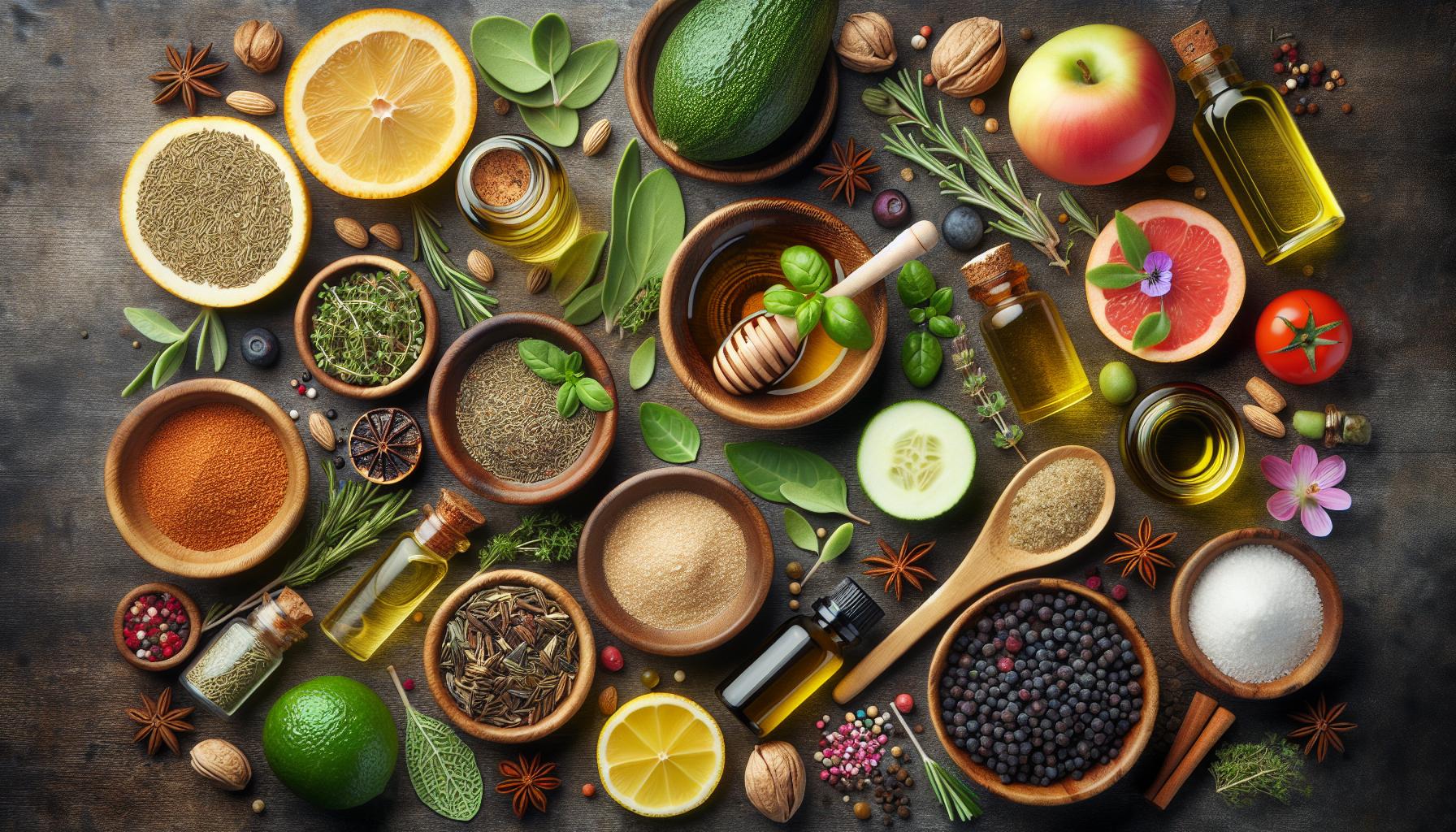
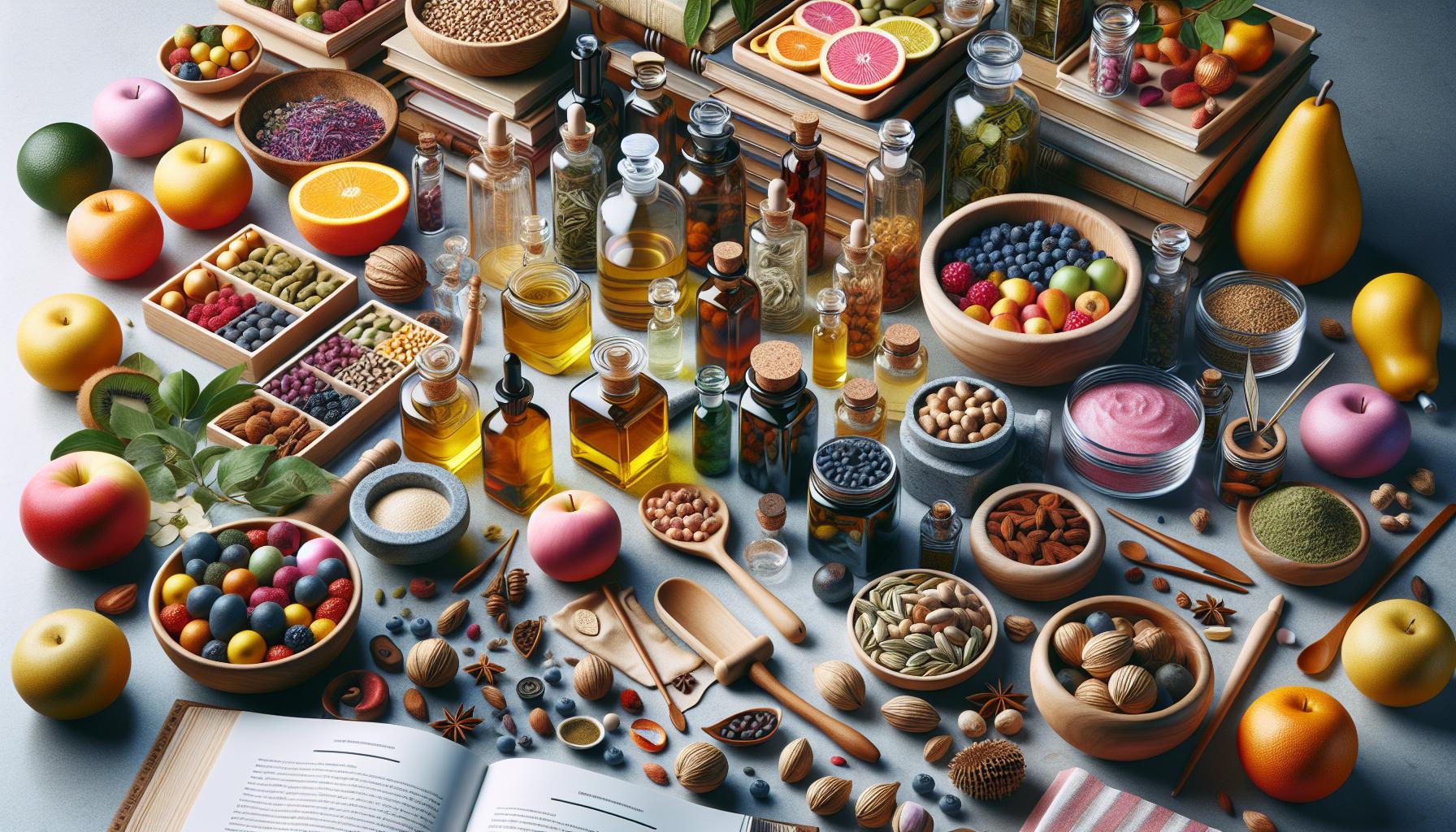
Creating your own line of beauty products begins with the first crucial step: sourcing high-quality, natural ingredients. While the array of options can be overwhelming, understanding the basics can set you on the right path to developing effective and nourishing products tailored to your needs. Several factors come into play when selecting your ingredients, including their origin, quality, and intended use.
First and foremost, consider familiarizing yourself with common natural ingredients and their benefits. Here are a few popular choices that serve as excellent building blocks for a range of beauty formulations:
- Jojoba Oil: A liquid wax that mimics the skin’s natural oils, making it a superb moisturizer.
- Shea Butter: Rich in vitamins A and E, it acts as a powerful emollient for dry skin.
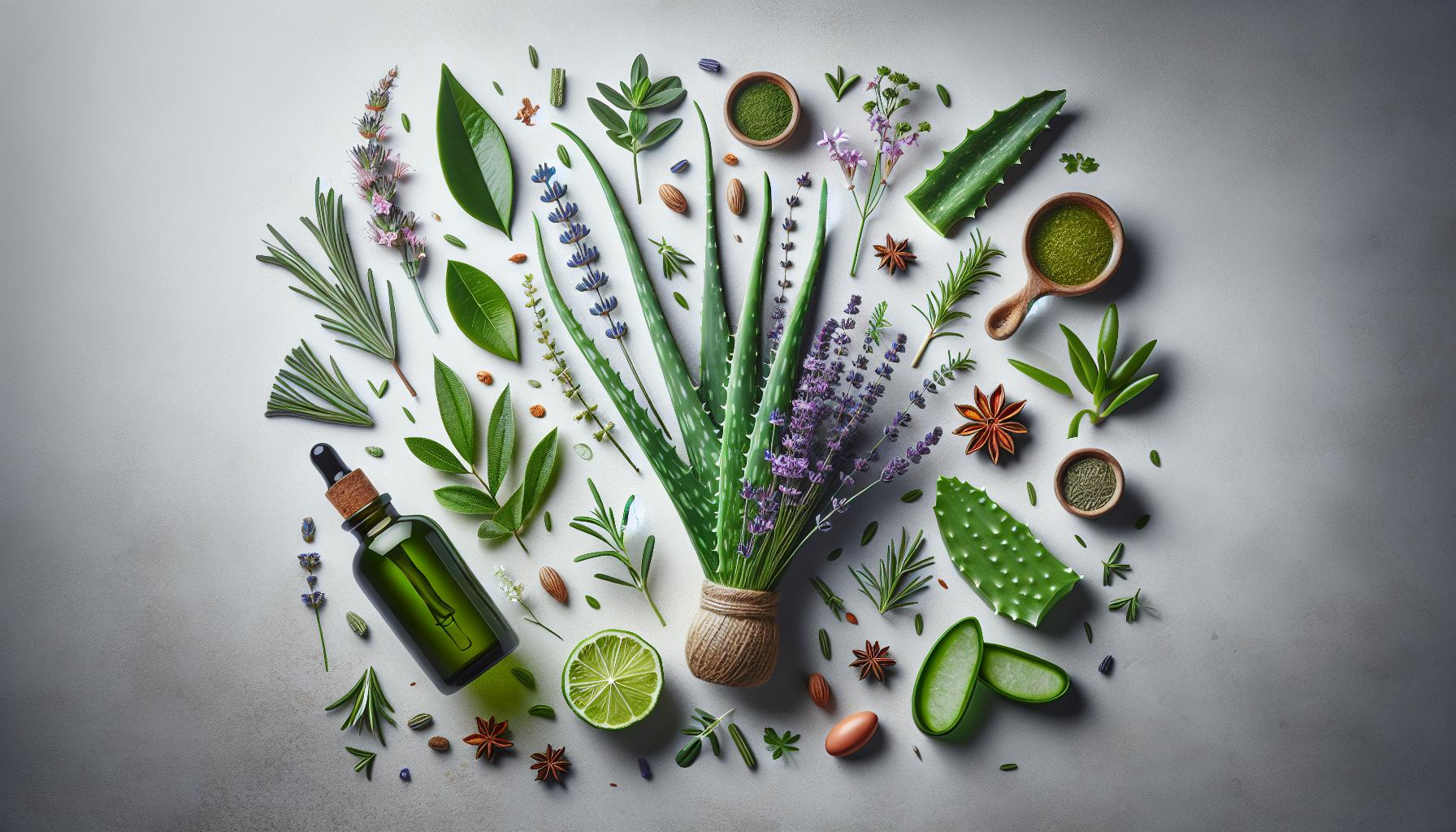
- Essential Oils: Extracted from plants, these oils not only provide delightful scents but also carry various therapeutic properties; for example, lavender oil can promote relaxation.
- Beeswax: Often used in lip balms and creams, it offers a natural barrier that locks in moisture and protects the skin.
- Aloe Vera Gel: Renowned for its soothing properties, great for calming irritation and hydrating the skin.
When sourcing these ingredients, consider looking for organic options where possible. Organic certification often implies fewer pesticides and synthetic fertilizers, leading to cleaner and purer ingredients for your products. In the United States, stores such as Whole Foods and local health food shops generally carry organic ingredients, but the rising popularity of farmer’s markets also provides an excellent opportunity to connect with local producers.
Moreover, many online retailers specialize in natural ingredients specifically for DIY beauty enthusiasts. Websites like Mountain Rose Herbs or Bulk Apothecary offer extensive selections of herbal products, essential oils, and carrier oils, ensuring you have everything you need to concoct your unique beauty line.
Understanding Formulation Techniques
Once you have gathered your natural ingredients, the next step is mastering the formulation techniques necessary to create effective beauty products. Formulations are all about balance and ensuring that your products provide desired benefits while maintaining stability and safety.
To get started, it’s essential to understand the difference between oil-based and water-based products. Oil-based products, such as balms and butters, are typically simpler to formulate since they rely heavily on combining oils and waxes. In contrast, water-based products, including lotions and serums, often require emulsifying agents to blend liquids and oils properly.
Basic formulations can often start with simple recipes, such as:
- Lip Balm: Combine beeswax, coconut oil, and your choice of flavoring.
- Moisturizing Cream: Use shea butter, jojoba oil, and a few drops of essential oil.
- Facial Serum: Mix a carrier oil like sweet almond oil with essential oils tailored for your skin type.
Experimenting with these formulations can lead to delightful discoveries about what works best for your skin. With practice, you’ll develop a keen sense of how to balance the ingredients to enhance benefits, ensuring your DIY beauty products are both effective and indulgent.
As you embark on this creative journey, remember that the world of DIY beauty is one of exploration and personal expression. In the upcoming sections, we will discuss creative packaging solutions that maintain your eco-friendly ethos while providing an aesthetically pleasing presentation for your creations.
| Advantages | Details |
|---|---|
| Cost-Effective | Creating your own beauty products can significantly reduce costs associated with commercial brands, allowing you to invest in higher quality ingredients. |
| Customization | Tailor your products to suit your personal needs and preference by choosing natural ingredients that work best for your skin type or concerns. |
Taking on the project of creating your own line of beauty products can be both fulfilling and rewarding. With natural ingredients gaining popularity for their effectiveness and safety, DIY beauty has moved from niche to mainstream. Each product has its own unique formulation; understanding how to combine ingredients such as shea butter, essential oils, and botanical extracts allows you to unlock potential for innovative product lines.Harnessing the power of aromatherapy can elevate your creations, as scents derived from natural sources can evoke emotions and improve overall well-being. Furthermore, diving into DIY beauty products not only fosters creativity, but also instills a sense of empowerment. You control what goes into your products, giving you complete transparency.The movement towards sustainable beauty has never been more significant. By sourcing your materials locally and making products at home, you contribute to reducing waste and the carbon footprint associated with mass production. Embracing the DIY ethos encourages consumers to engage with their beauty routines on a deeper level, ensuring products are not just applied but respected and appreciated.Finally, experimenting with different natural ingredients leads to personalized beauty solutions, promoting a holistic approach to skincare. Not to mention, sharing your creations with friends and family can spark meaningful conversations around self-care and sustainability in beauty practices.
DISCOVER MORE: Click here for insights on diet and skin health
Crafting Your Signature Formulas: Inspiration and Techniques
Once you’ve gathered your ingredients and grasped the basics of formulation, the exciting adventure of crafting your own beauty products begins. With the vast world of natural ingredients at your disposal, you can create unique formulas that cater to specific skin types and conditions. Here, we’ll explore creative inspirations and advanced techniques to help elevate your DIY beauty line.
Infusing Creativity into Your Formulations
Consider starting your product line with formulations that serve everyday needs. For example, body scrubs, facial masks, and hair treatments are all fantastic options that can be tailored with various natural ingredients. Consider the following inspirations:
- Exfoliating Sugar Scrub: Combine brown sugar, coconut oil, and a few drops of vanilla extract or citrus essential oils to create a rejuvenating body scrub.
- Revitalizing Face Mask: Blend honey, oats, and yogurt into a smooth paste; apply to the face to hydrate and nourish the skin, leaving it soft and radiant.
- Nourishing Hair Mask: Mix avocado, olive oil, and honey for a deep-conditioning treatment that rejuvenates dry or damaged hair.
Taking inspiration from traditional beauty practices and popular trends can also spark creativity. For instance, the incorporation of superfoods like matcha or activated charcoal has gained traction in DIY beauty formulations for their purported skin health benefits. By harnessing the power of these trendy ingredients, you can create standout products that catch the eye of beauty enthusiasts.
Mastering Advanced Techniques
As you become more comfortable with basic formulations, advancing your skills in emulsification and preservation will enhance your product offerings. For water-based products, understanding how to incorporate an emulsifier is crucial. Common natural emulsifiers include beeswax, soy lecithin, and vegetable waxes. An example of a simple emulsified lotion involves:
- Combining a phase of oils (like jojoba and olive oil) heated to around 70°C with a phase of water (distilled water) at the same temperature.
- Carefully mixing in an emulsifier to ensure the two phases combine smoothly.
Moreover, preservation is key in extending the shelf life of your creations. Natural preservatives such as rosemary extract or vitamin E can help to prevent rancidity without the use of synthetic alternatives. Exploring these options can allow your products to maintain their efficacy while still being mindful of their natural essence.
Another approach to enhancing your product line is through customization. Encourage your customers to personalize their selections by offering base products like unscented lotions that can be infused with various essential oils according to their preferences. This not only establishes a personal connection with consumers but also cultivates a creative community among DIY enthusiasts.
Packaging That Speaks to Your Values
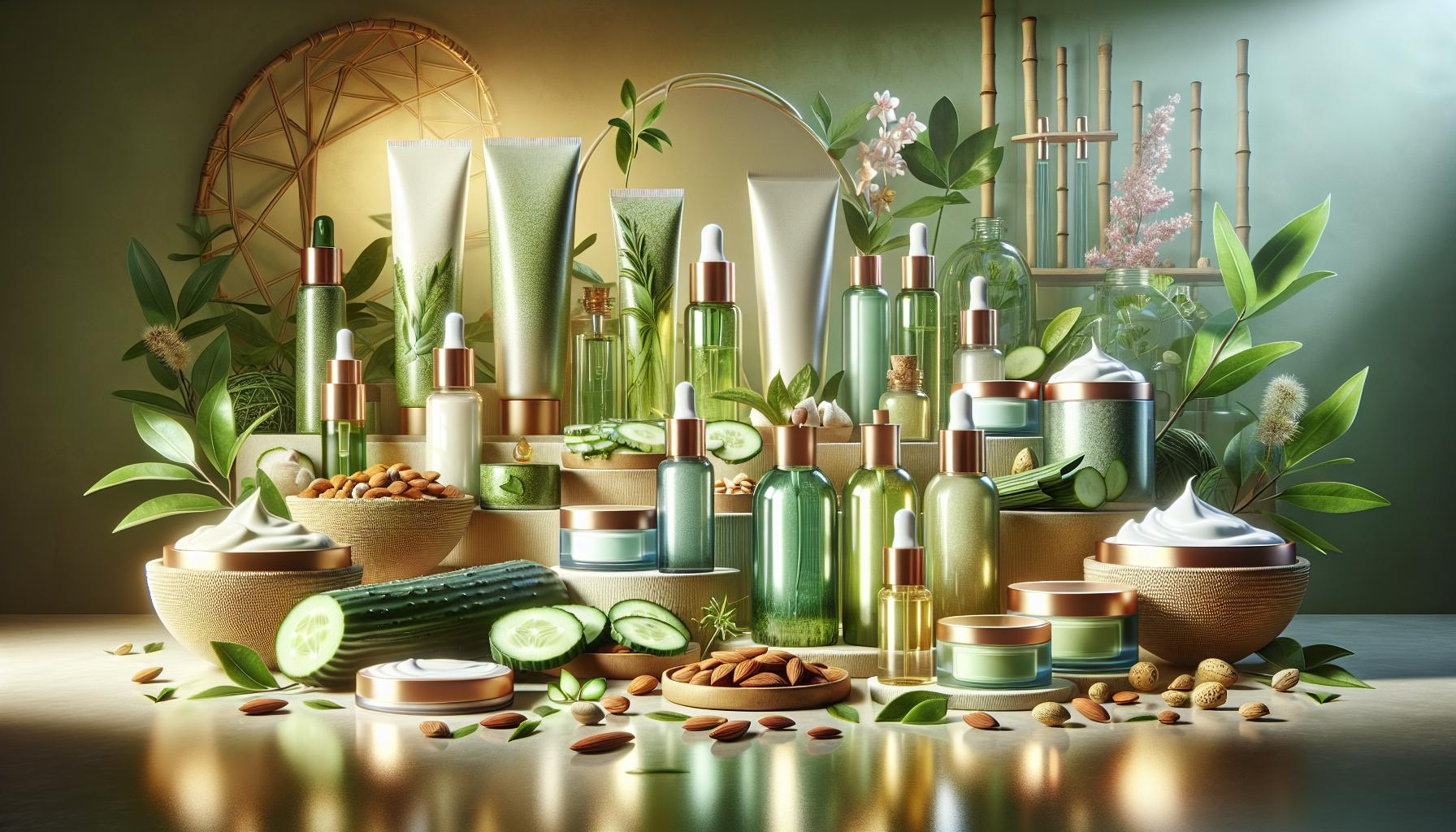
As you perfect your formulations, the presentation becomes equally important in establishing your brand. Packaging your products thoughtfully can enhance their appeal while reflecting your commitment to sustainability. Look for eco-friendly options such as biodegradable or recyclable containers. Glass jars, aluminum tins, and refillable bottles can add value as they tend to feel more luxurious while reducing environmental impact.
Incorporating thoughtful labels that educate consumers about the benefits of each ingredient will further elevate your brand. Consider including a brief story or your inspiration behind each product for a more engaging presentation. This strategy not only informs customers but also fosters a connection to your brand’s ethos.
With a balance of creativity, skill, and narrative, your DIY beauty products can transform from simple formulations into a sought-after line that celebrates the beauty of nature in its purest form. Embrace the journey as you explore and innovate, paving the way for a beauty revolution that resonates with your audience.
DISCOVER MORE: Click here to uncover the latest trends
Conclusion: Embrace Your Beauty Crafting Journey
Creating your own line of beauty products with natural ingredients offers an exciting opportunity to express your creativity while promoting health and sustainability. Throughout this journey, you’ve explored essential methods for formulation, embraced unique inspirations, and mastered advanced techniques that elevate your product offerings. As you venture into the world of DIY beauty, remember that experimentation and personal touch are vital in setting your brand apart.
Incorporating innovative elements, such as customizable options for your consumers and eco-friendly packaging, not only enhances customer engagement but also reinforces your commitment to the environment. Highlighting the benefits of each ingredient and sharing your inspiration will create a deeper connection with your audience, ultimately fostering loyalty and community.
Moreover, by keeping abreast of industry trends and consumer preferences, you can continuously adapt and refine your formulations, ensuring your product line remains relevant and appealing. As the beauty landscape evolves, your unique perspective and imaginative creations will contribute to the growing demand for natural beauty solutions.
As you embark on this fulfilling venture, remember that your craft is not limited to product creation; it’s about telling your story and sparking a movement. With passion, knowledge, and innovation, you can carve out a niche that resonates with beauty enthusiasts and promotes the power of nature in personal care. Now is the perfect time to dive in, experiment, and watch your DIY beauty line flourish!