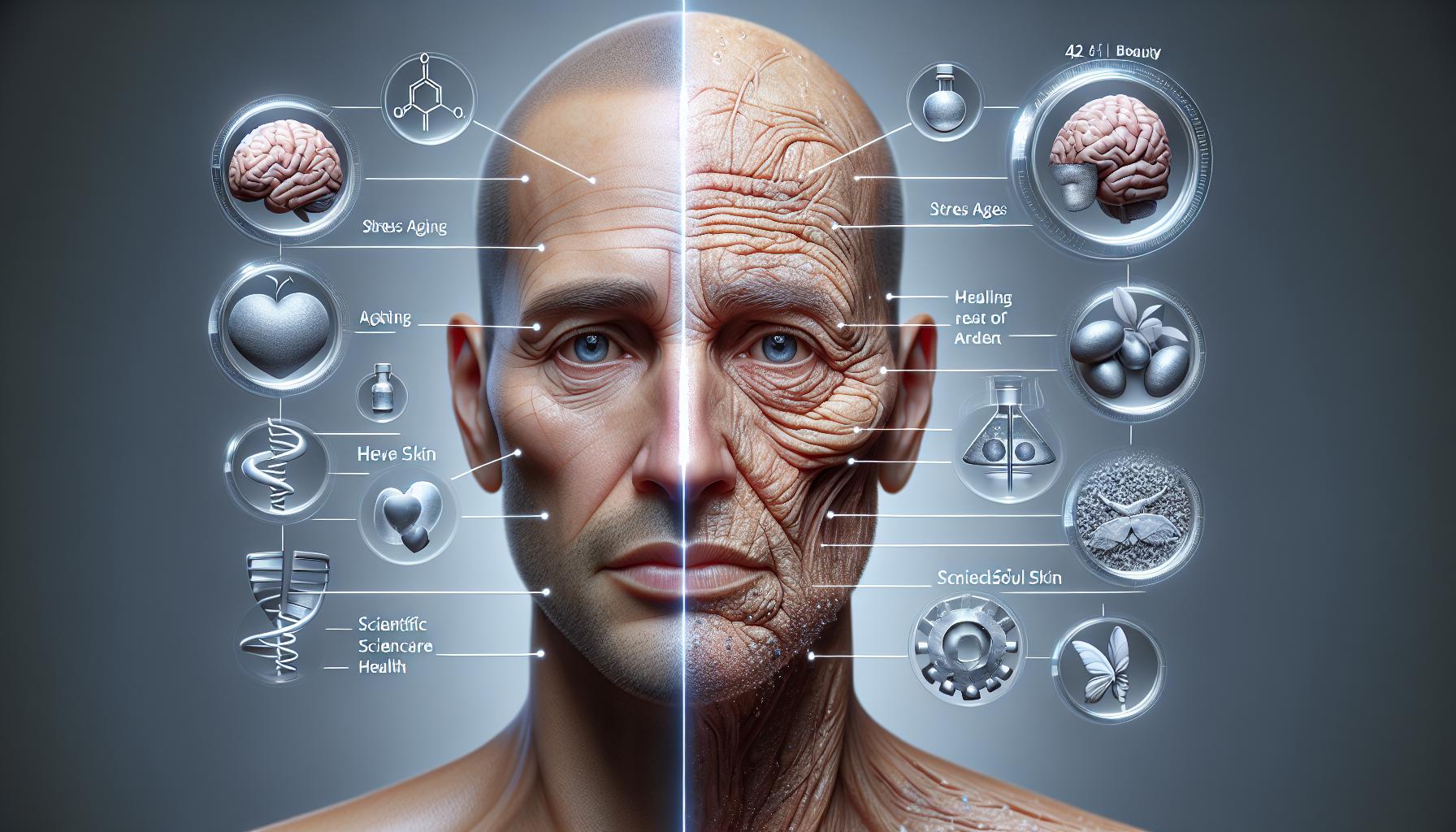
How Stress Affects Skin Aging and Strategies to Minimize Its Effects
Understanding the Impact of Stress on Skin Health
In an era marked by relentless schedules and the pressures of modern life, it is increasingly common for people to overlook the profound effects that stress can exert on physical health, particularly on our skin. While many are familiar with the concept of stress affecting internal wellness, its visible consequences on the skin are equally significant. Stress doesn’t merely burden our minds; it manifestly impacts our skin, propelling the aging process at an alarming rate.
When faced with stress, our bodies respond by ramping up the production of cortisol, a hormone that, while necessary for managing short-term stress, can have detrimental long-term effects when elevated. This increase in cortisol levels can provoke a host of skin issues that most people might never connect to their emotional state. These problems include:
- Increased inflammation: Elevated cortisol levels can trigger inflammatory skin conditions such as eczema and psoriasis, which are characterized by red, itchy patches that can exacerbate feelings of self-consciousness.
- Reduced collagen production: Collagen is a vital protein that maintains skin elasticity and structure. Stress-induced hormonal changes can lead to a decrease in collagen synthesis, resulting in more pronounced wrinkles and sagging skin, which are common signs of aging.
- Decreased hydration: Stress can cause the body to divert moisture away from the skin, resulting in a dull and lifeless complexion. Proper skin hydration is essential for maintaining a youthful appearance and healthy glow.
Understanding these interconnections helps individuals take a proactive stance against premature aging. Recognizing the subtle warning signs—like an unexpected breakout, dark under-eye circles, or dry patches—can be the first step toward alleviating stress and caring for the skin.
To combat stress and mitigate its effects on skin aging, adopting practical and effective strategies is vital. Here are some essential approaches:
- Mindfulness practices: Engaging in regular mindfulness techniques, such as meditation or yoga, can help reduce stress levels significantly. For instance, studies have shown that just 10 minutes of deep breathing can lower cortisol levels and improve overall skin health.
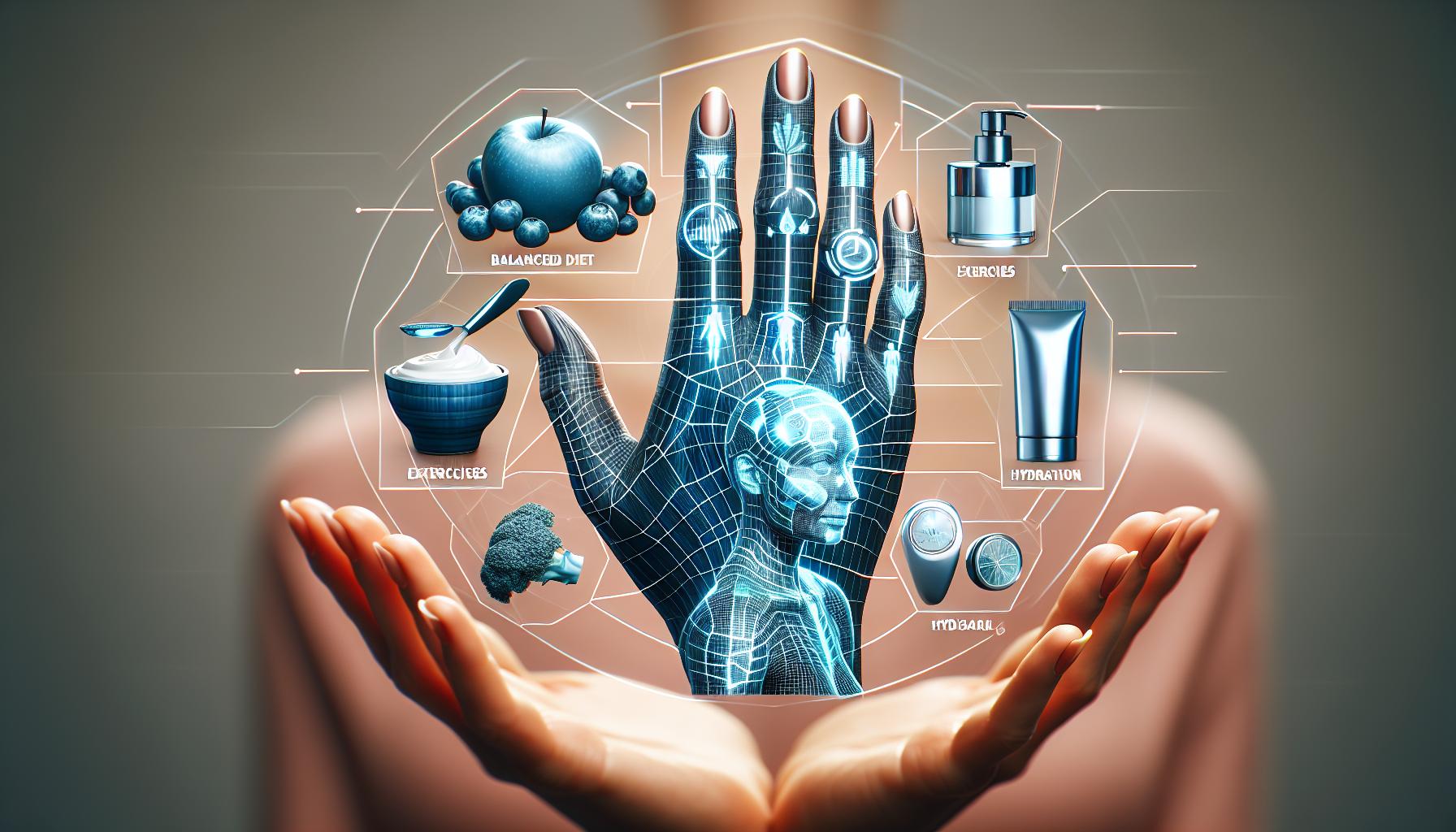
- Healthy lifestyle choices: Prioritizing hydration by drinking ample water and focusing on balanced nutrition—including fruits, vegetables, and omega-3 fatty acids—can promote skin vitality. Foods rich in antioxidants, like berries and green leafy vegetables, counteract oxidative stress, contributing to healthier skin.
- Skincare routines: Implementing a skincare regime tailored to nourish stressed skin is crucial. Look for products containing hyaluronic acid for hydration, antioxidants for protection, and peptides to stimulate collagen production. A consistent nighttime routine can work wonders in rejuvenating the skin while you rest.
By deeply exploring the relationship between stress and skin aging, individuals can discover not only the roots of their skin issues but also practical and impactful strategies to enhance both their emotional well-being and skin health. A more resilient complexion is within reach, waiting to be unlocked through mindful living and self-care.
DISCOVER MORE: Click here to learn about the beauty industry’s transformation
Unraveling the Connection: Stress, Skin Aging, and Hormonal Influence
The intricate relationship between stress and skin aging is a growing area of interest for dermatologists and researchers alike. While it’s easy to dismiss the occasional breakout or dry patch as a minor inconvenience, these skin issues often serve as glaring indicators of our internal emotional state. When the body is subjected to stress, the primary player in this reaction is cortisol, more affectionately known as the “stress hormone.” But what exactly does elevated cortisol do to our skin?
When stress triggers the release of cortisol, it creates a cascade of physiological responses that can hasten the aging process. For example, a study published in the Journal of Investigative Dermatology found that increased cortisol levels can lead to oxidative stress, a condition where the body experiences an imbalance between free radicals and antioxidants. Free radicals can wreak havoc on skin cells, leading to accelerated aging signs such as:
- Fine lines and wrinkles: The deterioration of collagen and elastin fibers due to oxidative stress contributes to the formation of those unwanted lines, making you look older than your years.
- Loss of skin firmness: As collagen production declines under stress, the skin loses its natural structure, further increasing sagging and drooping.
- Uneven skin tone: Stress can trigger the production of melanin in an uneven manner, resulting in hyperpigmentation or dark spots, which also tend to amplify the appearance of aging.
Moreover, the underbelly of this hormonal storm doesn’t just impact the skin’s texture; it also affects moisture retention. Under chronic stress conditions, the skin’s natural barrier function is compromised. This dysfunction leads to transepidermal water loss, leaving the skin parched and prone to irritation. Lack of hydration can make fine lines more pronounced and the overall skin appearance less vibrant.
Interestingly, while many may associate stress with reactive skin, it’s also essential to understand how our skin can influence our stress levels. The challenge of dealing with skin issues resulting from stress can result in a vicious cycle—poor skin health can exacerbate feelings of low self-esteem and anxiety, further fueling stress. Understanding this cyclical relationship opens the door for effective interventions, allowing individuals to reclaim control over their skin health.
Combatting this cycle is crucial. By recognizing the intimate link between emotional wellness and dermal integrity, individuals can take actionable steps toward restoring both. Strategies aimed at reducing stress can be invaluable. These methods include:
- Exercise: Physical activity is one of the most effective ways to manage stress. Engaging in activities like walking, yoga, or biking not only boosts mood but also increases blood flow to the skin, promoting a radiant complexion.
- Social connectivity: Building and nurturing relationships can provide essential emotional support, helping to alleviate stressors that contribute to skin degradation.
- Sleep hygiene: Quality sleep is non-negotiable for good skin health. Lack of sleep increases cortisol levels and diminishes skin repair processes, leading to earlier signs of aging.
Integrating these strategies into daily life can serve dual purposes: alleviating stress while improving skin health. The quest for youthful, glowing skin is not just rooted in cosmetic products but also in a holistic approach toward mental and emotional welfare. Recognizing and addressing stress is key to maintaining both mental peace and youthful skin.
Understanding the Connection Between Stress and Skin Aging
Stress is an inevitable part of life, but its effects on the skin can be profound. When the body is under stress, it produces higher levels of cortisol, a hormone that can lead to various skin issues. This includes the breakdown of collagen, the protein responsible for maintaining skin’s elasticity and firmness. As a result, skin may lose its youthful appearance, leading to increased wrinkles and sagging. Additionally, stress can exacerbate existing skin conditions such as acne, eczema, and psoriasis, causing further discomfort and distress.
In particular, oxidative stress from anxiety can accelerate the skin aging process. Free radicals generated during stressful moments can damage skin cells, further impacting their ability to regenerate. This biological response is particularly concerning as it can trigger inflammation and make skin more sensitive.
Strategies to Minimize the Aging Effects of Stress on Skin
While the adverse effects of stress on skin aging can be daunting, there are effective strategies to mitigate these impacts. One of the most significant is incorporating stress-relief techniques into daily routines. Practices such as yoga, meditation, and deep-breathing exercises can significantly lower cortisol levels and help the body handle stress more effectively. Regular physical activity is also beneficial; it not only reduces stress but also boosts circulation, providing more oxygen and nutrients to the skin.
Moreover, a well-balanced diet rich in antioxidants can combat oxidative stress, promoting healthier, younger-looking skin. Foods like berries, nuts, and leafy greens can help fight inflammation and restore skin vitality. Staying hydrated is equally crucial, as water is essential for maintaining skin elasticity and flushing out toxins.
Finally, consider the use of anti-aging skincare products that contain hyaluronic acid, retinoids, and peptides. These ingredients can help boost collagen production and improve overall skin texture, effectively counteracting some of the stress-related changes. Taking proactive steps in skincare can not only help in maintaining health but can also empower individuals amidst life’s pressures.
| Category | Advantages |
|---|---|
| Stress Management Techniques | Promotes relaxation and lowers cortisol levels, improving skin health. |
| Diet and Hydration | Supports skin elasticity and combats oxidative stress with antioxidants. |
| Skincare Products | Enhances skin texture and boosts collagen, countering stress-related aging. |
DISCOVER MORE: Click here for the latest eye makeup trends
Addressing the Stress-Skin Connection: Nutrition and Skincare Solutions
While we cannot completely eliminate stress from our lives, we can implement effective strategies to mitigate its impact on our skin. Another vital aspect to consider in the battle against skin aging caused by stress is nutrition. What we consume plays a crucial role in how our bodies react to stress and, consequently, how our skin behaves. Incorporating nutrient-rich foods into your diet can fortify the skin’s natural defenses and improve its appearance.
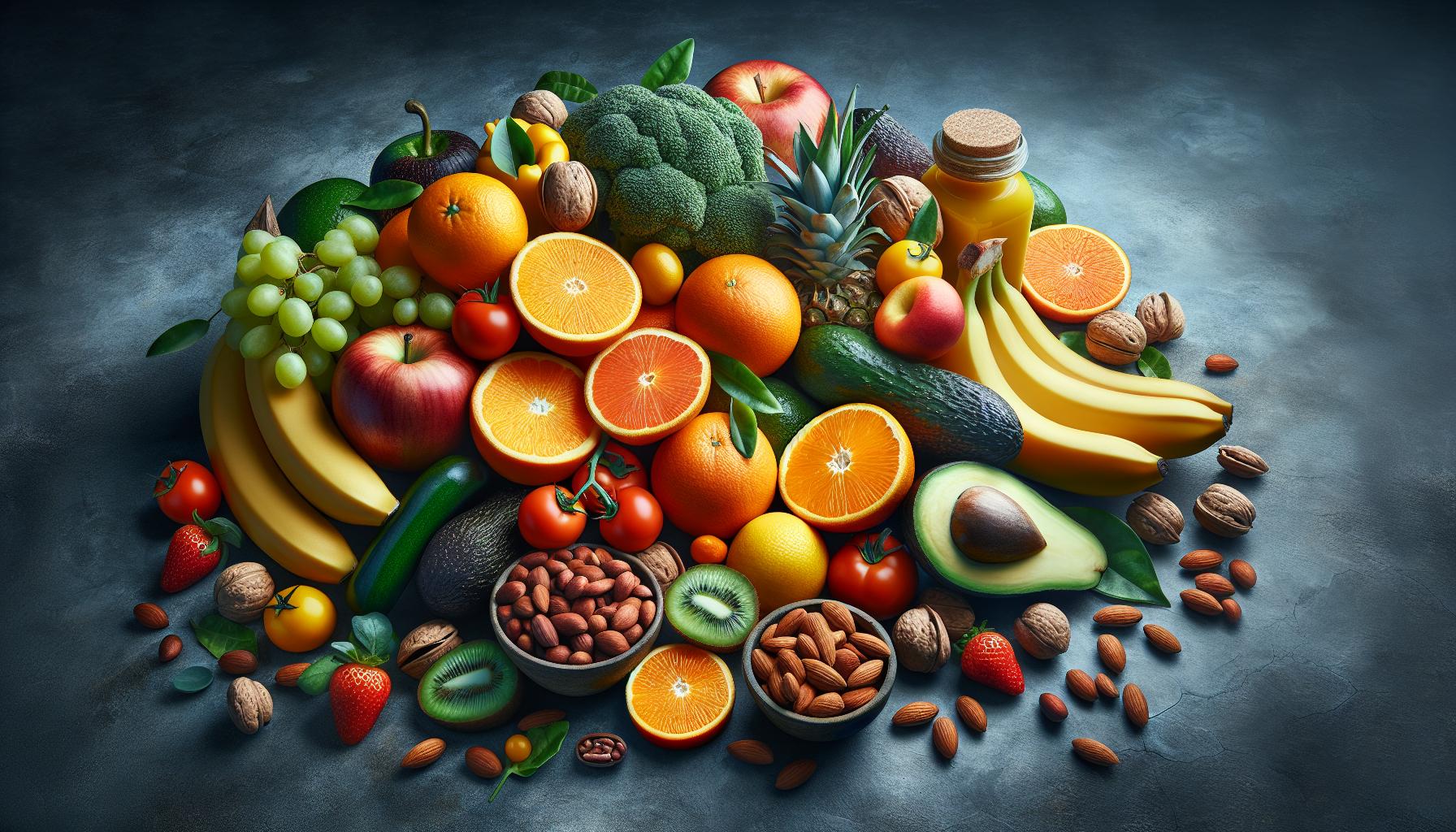
Antioxidants are particularly essential in combating oxidative stress. Nutrients such as vitamins C and E are potent antioxidants that can help neutralize free radicals, thereby reducing the the visible signs of aging. Fruits and vegetables like oranges, berries, spinach, and nuts are excellent sources of these vitamins. Additionally, incorporating omega-3 fatty acids found in fish, walnuts, and flaxseeds can also support the skin’s barrier and promote hydration.
Hydration, meanwhile, cannot be overstated. Chronic stress often leads to forgetfulness regarding hydration needs. Skin that is adequately hydrated appears plumper and more resilient. Aim for a daily intake of at least eight glasses of water and include hydrating foods like cucumbers, watermelon, and oranges in your regimen.
To further enhance skin health under stress, establishing a robust skincare routine becomes essential. Incorporating products that are specifically designed to combat the effects of stress can be especially beneficial. Look for formulations containing ingredients like:
- Hyaluronic acid: Helps retain moisture, making the skin appear fuller and more elastic.
- Peptides: These are known for their ability to stimulate collagen production, further fighting the signs of aging.
- Niacinamide: This powerful form of vitamin B3 can reduce hyperpigmentation and improve skin barrier function.
Moreover, self-care practices such as regular facial massages can enhance circulation, relieve tension, and promote radiance. Engaging in simple at-home techniques, such as using jade rollers or gua sha tools, can be a calming and rejuvenating experience, allowing for both physical and emotional benefits.
In addition to these nutritional and skincare strategies, exploring natural stress relief techniques can also yield impressive results for your skin. Practices like mindfulness meditation, breathing exercises, or even engaging in creative hobbies can significantly reduce cortisol levels. Research from the American Psychological Association highlights how mindfulness can not only reduce stress but also enhance overall quality of life, ultimately having positive effects on physical health, including your skin.
The impact of stress on skin aging is undeniable, but it is also manageable. By adopting a comprehensive approach that includes mindful nutrition, consistent skincare, and stress reduction techniques, individuals can effectively minimize harmful effects on their skin. The journey to youthful, healthy skin does not solely rely on top-shelf products; it is a lifestyle adjustment that harmonizes mental wellness and physical appearance.
DIVE DEEPER: Click here to learn more about contouring techniques
Conclusion: Embracing Holistic Solutions for Aging Skin
Stress is an unavoidable aspect of modern life, yet its implications on skin aging are profound and often underestimated. The evidence suggests that chronic stress triggers a cascade of physiological responses, accelerating the aging process and manifesting visually through dullness, fine lines, and loss of elasticity. However, the good news is that by adopting a holistic approach, we can significantly counteract these effects.
Integrating nutrient-dense foods and hydration into our diets equips our bodies with the necessary tools to combat oxidative stress, while a dedicated skincare routine fortified with effective ingredients can provide an additional layer of defense against aging. Moreover, embracing practices like mindfulness meditation and engaging in fulfilling hobbies plays a critical role in stress reduction, subsequently improving our skin’s resilience and appearance.
Ultimately, the pathway to youthful skin is not solely paved with high-end beauty products but is rather a comprehensive lifestyle adjustment aligned with both mental well-being and physical care. As we continue to explore the intricate relationship between stress and skin health, let us empower ourselves with knowledge, embracing both preventive measures and restorative practices. In doing so, not only do we promote the vitality of our skin, but we also enhance our overall quality of life.
As you embark on this journey, consider each element we’ve discussed—nutrition, skincare, and mindfulness—as vital components of a cohesive strategy. By implementing these strategies into your daily routine, you can help shield your skin from the burdens of stress, ensuring it remains radiant and youthful into the future.