The Effects of Antioxidants on the Prevention of Skin Aging
The Transformative Power of Antioxidants
As the seasons of life change, so too does our skin, often revealing the tale of time through its texture and appearance. For many, the pursuit of a youthful visage is not just about aesthetics; it’s a reflection of health and vitality. Recent research has illuminated the critical role of antioxidants in this journey, suggesting their incorporation into daily routines can yield substantial benefits in mitigating the signs of aging.
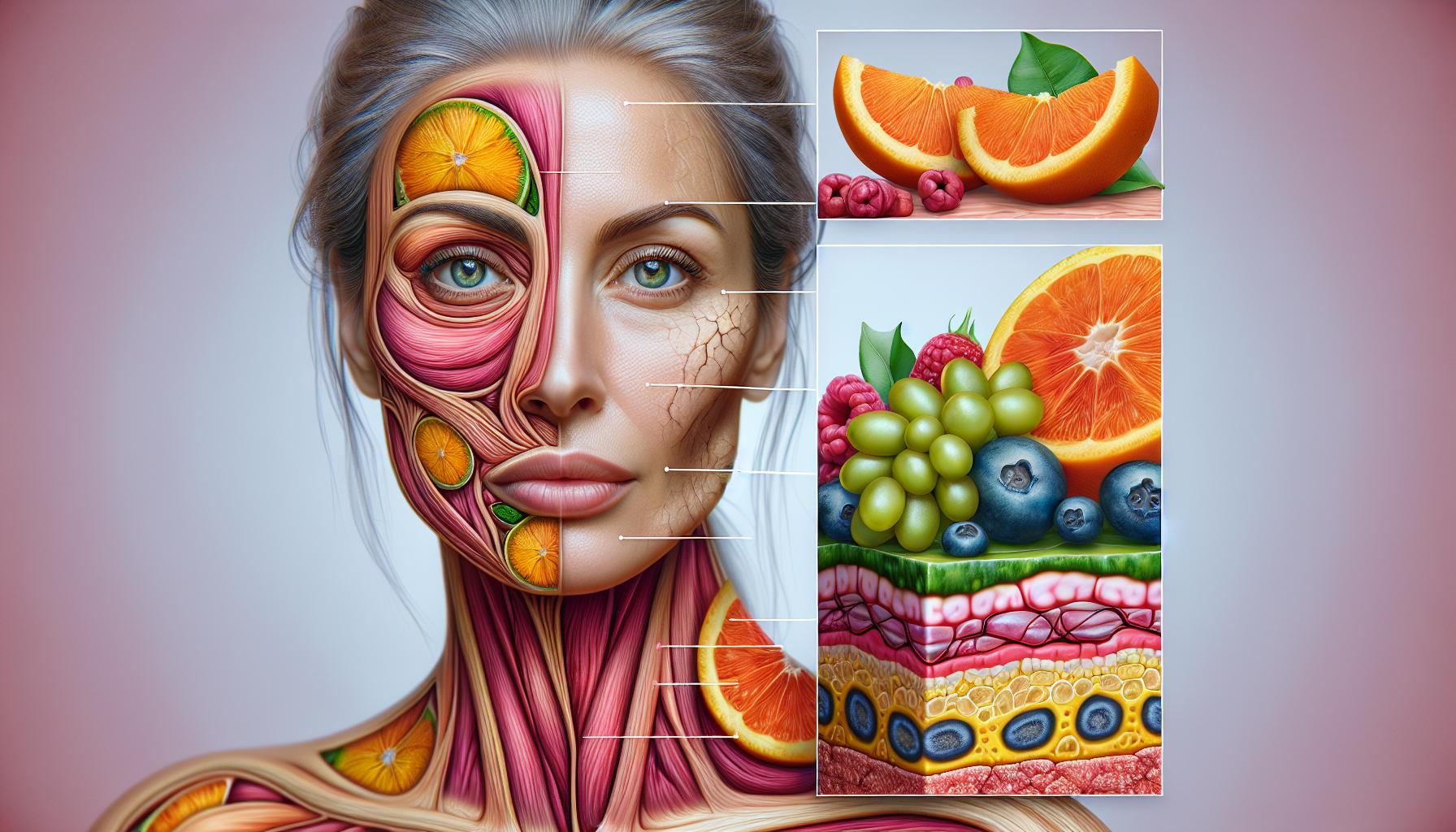
Antioxidants such as vitamins A, C, and E are celebrated for their prowess in neutralizing harmful free radicals—unstable compounds that wreak havoc on skin health. These free radicals are not merely internal enemies; external aggressors like:
- Pollution: Urban areas often expose residents to smog and chemicals that can lead to skin irritation and accelerated aging.
- UV radiation: Sun exposure, while necessary for vitamin D synthesis, also significantly contributes to skin damage and aging.
- Stress: The pressures of daily life can lead to hormonal changes that further exacerbate skin issues.
As these free radicals accumulate, they interfere with essential cell functions, damaging cellular structures and impeding collagen production. This can lead to visible signs of aging, including dullness, rough texture, and sagging. The incorporation of antioxidants into one’s skincare regimen may offer a variety of benefits:
- Improved skin texture: By promoting cell turnover, antioxidants can enhance the overall smoothness of the skin.
- Enhanced elasticity: Strengthening the skin’s structural integrity can help it appear firmer and more resilient.
- Reduction of fine lines and wrinkles: Antioxidants can support collagen and elastin production, addressing these common signs of aging.
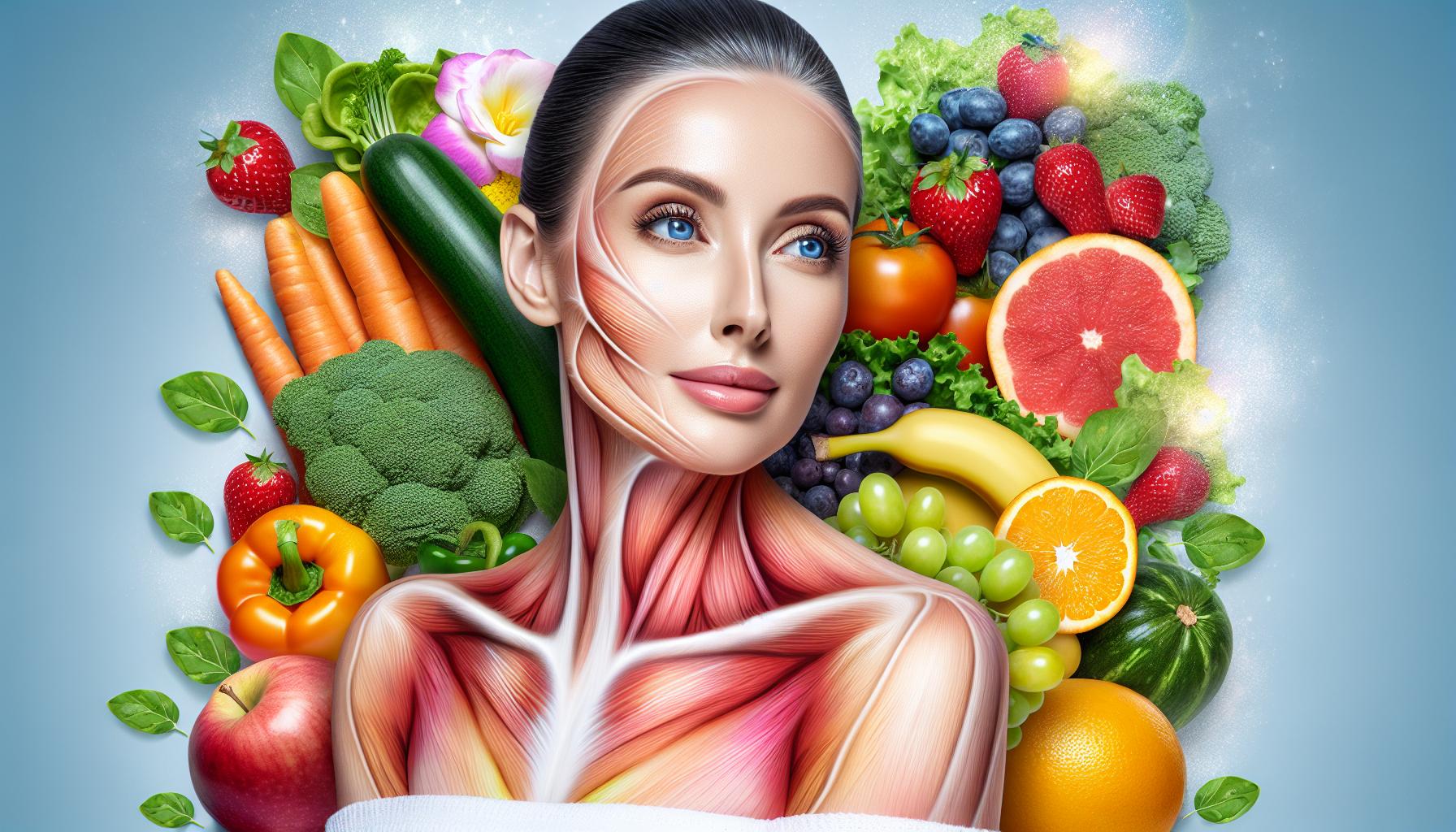
In addition to topical applications, emerging research highlights the importance of a diet rich in antioxidant foods. Nutrient-dense options, such as berries, green leafy vegetables, and nuts, not only offer compelling health benefits but also enhance the skin’s inherent ability to repair and rejuvenate itself. A diet abundant in these foods can facilitate antioxidant intake, thereby providing a dual approach to skin health—inside and out.
In exploring the fascinating effects of antioxidants on skin aging, it becomes evident that simple lifestyle changes can lead to significant improvements in skin health. Whether through adopting a skincare routine fortified with antioxidant-rich products or embracing a colorful plate filled with fruits and vegetables, individuals can take actionable steps towards preserving their youthful glow. Understanding these powerful compounds empowers us to navigate the aging process with confidence and grace, reminding us that vibrant skin is within reach for all.
DISCOVER MORE: Click here for insights on natural skincare benefits
The Science Behind Antioxidants and Skin Health
To truly understand the effects of antioxidants on the prevention of skin aging, it’s essential to delve into the biological mechanisms at play. At the core of this relationship is the fight against oxidative stress, a condition triggered when there is an imbalance between free radicals and antioxidants in the body. This imbalance results in cellular damage that accelerates the aging process, particularly in the skin, which is often exposed to the elements.
When free radicals encounter delicate skin cells, they can initiate a chain reaction that damages proteins and lipids, contributing to a breakdown of collagen and elastin. These proteins are instrumental in maintaining the skin’s structure and elasticity. Consequently, a persistent presence of free radicals can lead to premature signs of aging such as fine lines, wrinkles, and a loss of firmness.
To combat this, antioxidants work by stabilizing free radicals, effectively neutralizing their harmful effects. Some of the most potent antioxidants for skin health include:
- Vitamin C: Renowned for its ability to brighten the skin, vitamin C also helps in the synthesis of collagen, enhancing skin firmness.
- Vitamin E: This fat-soluble vitamin offers hydration and protection from UV damage, allowing the skin to retain moisture.
- Coenzyme Q10 (CoQ10): A key player in energy production within cells, CoQ10 also protects against oxidative damage and reduces the appearance of wrinkles.
- Green tea extract: Rich in polyphenols, it provides anti-inflammatory benefits and can protect against the effects of sun exposure.
Incorporating these antioxidants into both skincare products and dietary habits can significantly influence skin vitality. For instance, using serums or creams fortified with these compounds can directly target signs of aging at a cellular level. Moreover, dietary sources, such as citrus fruits, nuts, and whole grains, not only enrich the body’s overall nutritional profile but also bolster skin health from within.
Studies have shown that a consistent application of topical antioxidants can lead to improved skin complexion, reduced inflammation, and even a decrease in the severity of conditions like uneven pigmentation. A noteworthy finding from recent clinical trials indicates that individuals who engage in both topical and dietary antioxidant strategies experience marked improvements in skin texture and elasticity over time.
As we strive for a youthfully radiant appearance, understanding the dual impact of antioxidants—both externally and internally—serves as a reminder that skin aging is not an inevitability. Instead, it can be managed effectively through informed choices and proactive habits. By prioritizing antioxidants in daily life, individuals in the United States and beyond can adopt a scientific approach to skincare, fostering resilience against the forces of aging.
| Category | Key Features |
|---|---|
| Natural Sources | Antioxidants are commonly found in fruits, vegetables, and nuts, offering a powerful way to combat skin aging. |
| Skin Benefits | They help in reducing oxidative stress, improving skin elasticity, and providing a youthful glow. |
| Vitamins C and E | These vitamins are potent antioxidants that protect skin cells from free radical damage and promote healing. |
| Topical Treatments | Serums and creams enriched with antioxidants can significantly enhance skin health and appearance. |
When it comes to understanding the profound impact of antioxidants in delaying the signs of aging, it is crucial to consider their mechanisms of action. Oxidative stress, caused by environmental factors like UV radiation and pollution, leads to skin damage and the formation of wrinkles. Antioxidants effectively neutralize these harmful free radicals, thus preserving skin integrity. Moreover, recent studies indicate that a diet rich in antioxidants can substantially improve skin hydration and texture, further emphasizing the importance of incorporating these elements not just topically but also through nutrition. The synergy between dietary antioxidants and topical applications can create a formidable defense against the visible signs of aging, catalyzing the skin’s natural repair processes. In-depth analyses reveal that the continuous use of antioxidants can yield long-term benefits, enhancing collagen synthesis and reducing the appearance of fine lines. Additives like polyphenols from green tea and resveratrol have garnered attention for their exceptional protective and regenerative properties. Keeping skin healthy and youthful is not just a fleeting trend; it is a proactive approach rooted in science and nature.
DISCOVER MORE: Click here for in-depth insights
The Role of Lifestyle Choices in Maximizing Antioxidant Benefits
While topical applications and dietary sources of antioxidants play a significant role in preventing skin aging, the impact of lifestyle choices cannot be overlooked. Factors such as hydration, sun protection, and smoking cessation are pivotal in enhancing the effectiveness of antioxidants on the skin.
Firstly, maintaining adequate hydration is essential for overall skin health. Water acts as a conduit for nutrients and antioxidants, allowing them to reach the skin cells more effectively. Studies suggest that individuals who consistently drink enough water show improved skin elasticity and a reduction in the appearance of fine lines. In the arid climate of certain regions in the United States, such as the Southwest, hydration becomes even more critical, emphasizing the need for personalized skincare routines depending on local environmental conditions.
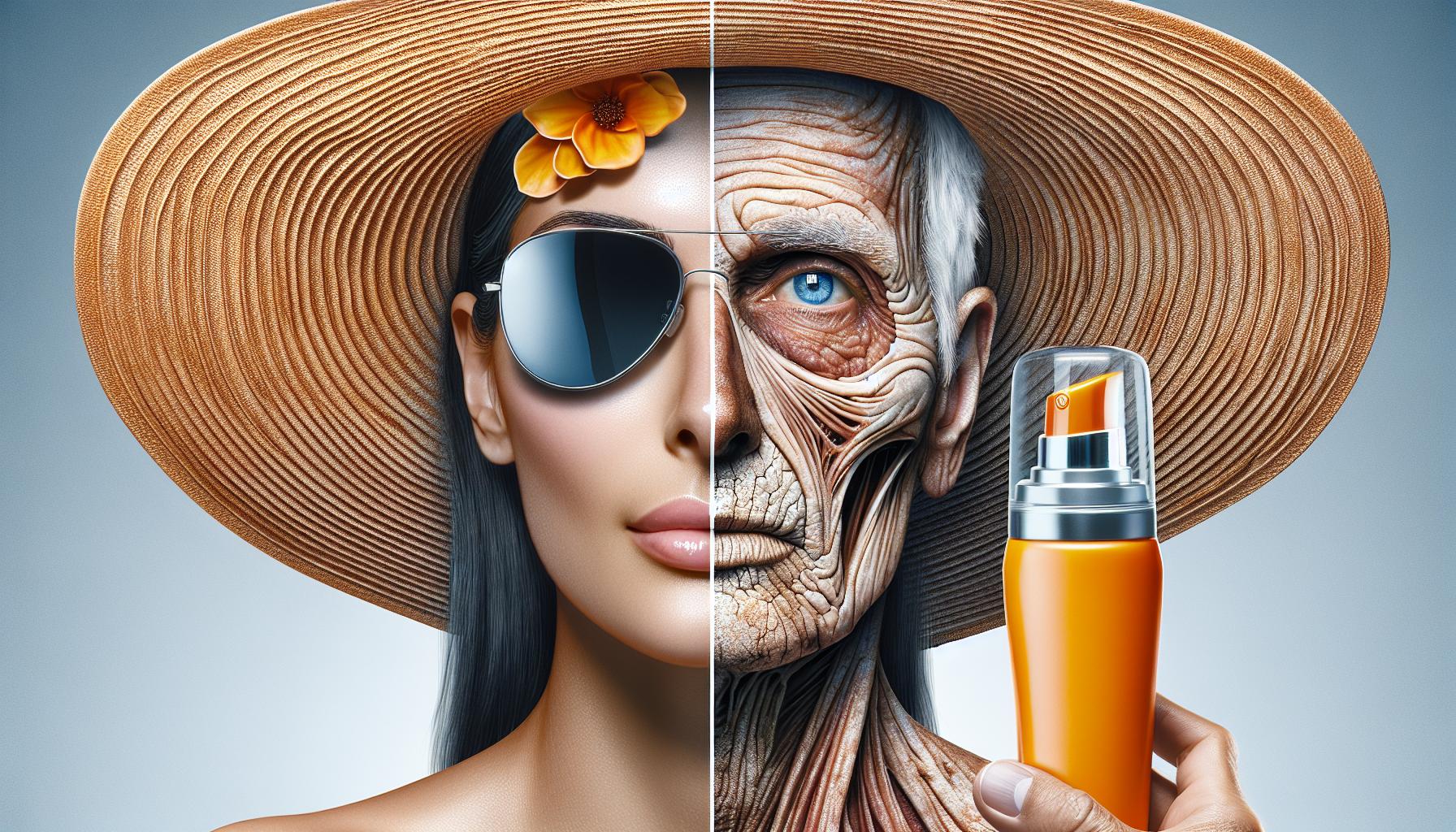
Moreover, exposure to UV radiation from the sun is a powerful catalyst for oxidative stress. Regular use of sunscreen containing antioxidant properties can serve as a double defense mechanism. Products fortified with antioxidants like vitamin C can absorb UV rays and mitigate their damaging effects, further protecting the skin’s dermis. It is fascinating to note that some research indicates individuals who use sunscreen enriched with antioxidants exhibit fewer signs of aging, correlating strong sun protection with reduced oxidative damage.
Another glaring lifestyle choice is smoking, which introduces a host of free radicals into the body, exacerbating skin aging. Not only does smoking diminish the protective effect of antioxidants, but it also significantly impacts blood circulation, depriving the skin of essential nutrients. A study published in the Journal of Investigative Dermatology indicated that non-smokers had a 50% lower risk of displaying premature signs of aging compared to smokers, underscoring the importance of avoiding tobacco products to maintain healthier skin.
Furthermore, dietary habits play a crucial role in increasing the body’s antioxidant levels. The Mediterranean diet, rich in fruits, vegetables, nuts, and whole grains, is often associated with slower aging processes in various studies. Berries, for example, are celebrated for their high levels of anthocyanins, a form of antioxidant that has been linked to improved skin thickness and elasticity. Incorporating foods such as salmon, which are rich in omega-3 fatty acids, can further enhance skin hydration and aid in the absorption of fat-soluble antioxidants like vitamin E.
Additionally, regular physical activity promotes circulation and helps to deliver antioxidants to skin cells more effectively. Exercise not only supports a healthy complexion but also contributes to the detoxification process, helping to rid the body of harmful free radicals. As a bonus, a good workout routine can reduce stress levels, which has a secondary benefit of lessening the skin’s susceptibility to aging, as chronic stress can further accelerate oxidative damage.
Lastly, incorporating mindfulness practices such as meditation or yoga can also support skin health. Reducing stress hormones can lead to decreased inflammation and, consequently, enhanced skin vitality. Some skin experts point to the concept of “beauty from within,” suggesting that overall well-being—physically and mentally—comes together to create the perfect environment for antioxidants to do their job effectively.
EXPLORE MORE: Click here for the latest innovations
Conclusion: Embracing Antioxidants for Youthful Skin
In summary, the effects of antioxidants on the prevention of skin aging are multifaceted, integrating dietary intake, topical applications, and critical lifestyle choices. As we’ve explored, antioxidants play a crucial role in protecting the skin from oxidative stress, which is accelerated by environmental factors such as sun exposure and pollution. Their ability to neutralize free radicals significantly contributes to maintaining skin structure, elasticity, and overall health.
However, to truly harness the power of antioxidants, individuals must embrace comprehensive lifestyle changes. Adequate hydration, sun protection, smoke cessation, and a nutritious diet rich in antioxidant sources like fruits, vegetables, and omega-3 fatty acids are cornerstones of effective skin care. Regular exercise further enhances circulation and supports the delivery of these protective compounds to the skin, while practices like meditation can help manage stress, which, if left unchecked, can accelerate the aging process.
As trends continue to evolve, combining cutting-edge formulations with well-researched lifestyle choices will enable individuals to present a rejuvenated, glowing complexion that defies the aging process. It is increasingly clear that skin health is not just about products but a holistic approach to overall well-being. By prioritizing a lifestyle that promotes antioxidant efficiency, individuals can enjoy the lasting benefits of youthful skin in an effective and sustainable way.
For those seeking to deepen their understanding of antioxidants and skin health, further investigation into emerging research may reveal even more astounding insights into the complex interplay between nutrition, lifestyle, and skin aging.