Exploring Contouring Techniques: How to Enhance Your Features with Makeup
The Art of Contouring: A Comprehensive Guide
Makeup has a transformative power that allows individuals to enhance their unique features, and contouring is at the forefront of this artistry. Many makeup enthusiasts seek to master contouring techniques to achieve that coveted sculpted look. Whether you’re aiming for a subtle enhancement or a dramatic change, mastering these techniques can be your key to looking stunning.
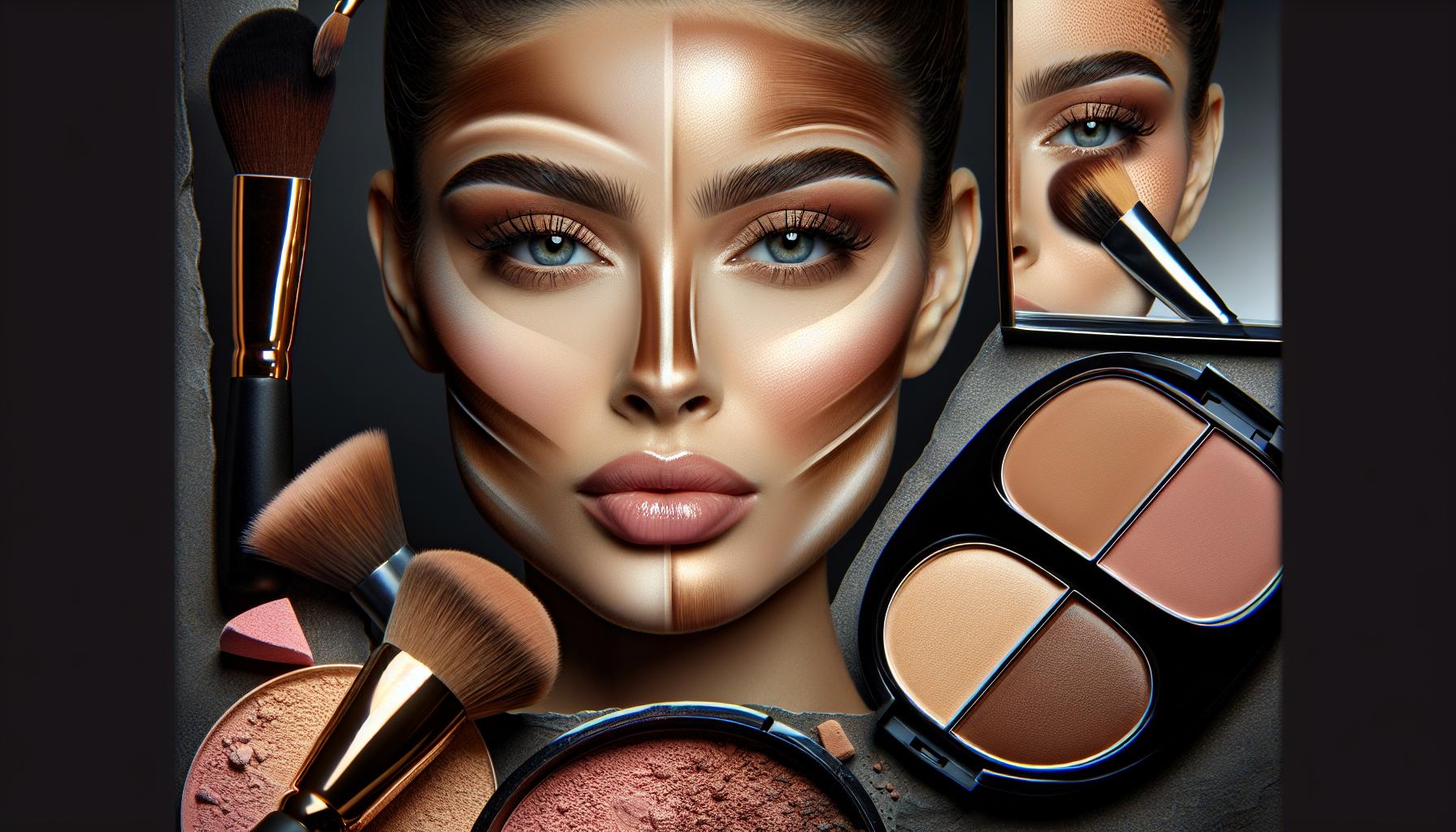
At its core, contouring is about creating the illusion of shadows and highlights on your face. This process can skillfully emphasize your natural bone structure and add depth, enhancing your overall appearance. The right contour can drastically influence how light interacts with your features, ultimately leading to dramatic results.
Contouring offers an opportunity to:
- Define your cheekbones
- Shape your jawline
- Highlight your nose
To achieve these looks, you’ll need a combination of essential makeup products. The primary tools of the trade include bronzers, which are used to create depth, and highlighters, which serve to make specific areas of the face pop. For beginners, cream contour products are a popular choice as they are blendable and can easily be adjusted for a natural finish, while powders can provide a more long-lasting effect, ideal for a night out.
Types of Contouring Products
When it comes to contouring products, the variety can be overwhelming. You have liquid, cream, stick, and powder formulas, each with its unique benefit. For instance, cream contour is excellent for a seamless blend, while powder contour can be perfect for setting your look. Moreover, different undertones—warm, cool, and neutral—can dramatically influence your overall makeup vibe, making the selection process crucial for achieving your desired appearance.

Step-By-Step Techniques
To contour effectively, start by applying a foundation that matches your skin tone evenly across your face. Next, identify where you want to add dimension. For cheekbones, apply contour in the hollows right below your cheekbone and blend upwards. For the jawline, gently shade along the jaw and blend downward to create a shadow that defines this area. Finally, apply highlighter on the tops of your cheekbones, on your brow bone, and down the center of your nose to draw light to those areas.
Tips for Different Face Shapes
Understanding your face shape can vastly improve your contouring technique. For example, individuals with oval faces may prefer contouring along the outer edges to maintain balance, while those with a round face might focus on contouring the sides of the cheeks to create the illusion of length. Meanwhile, square-faced individuals can soften angular features by contouring at the jawline.
As you explore the world of contouring, you not only learn how to enhance your features but also gain confidence in your makeup application skills. It empowers you to express your individuality through artistry, where each technique unveils new possibilities for self-expression and personal style. Embrace the journey of contouring; the potential for your beauty transformation is limitless.
DISCOVER MORE: Click here to learn about mindfulness techniques for better skin health
Getting Started: The Foundations of Contouring
Before diving into the world of contouring, it’s essential to understand the principles behind this makeup technique. At its heart, contouring techniques revolve around the concept of light and shadow, an age-old tool used by artists and makeup aficionados alike to create depth and amplify the natural beauty of one’s face. This technique is not merely a method for applying makeup; it is an art form that can highlight your best features while discreetly downplaying areas you may want to conceal.
To embark on your contouring journey, you should first familiarize yourself with key products that will serve as your canvas and tools. Here are some fundamental products that are indispensable in any contouring kit:
- Foundation: A well-blended foundation creates an even base, making your contouring efforts more effective.
- Concealer: Ideal for covering blemishes or dark circles; it also helps define areas after contouring.
- Bronzer: A versatile product that adds warmth and defines your facial structure.
- Highlighter: Used to accentuate certain areas of your face, giving a radiant glow.
- Contour Creams or Powders: These are specially formulated to create shadows on your face, available in various shades for different skin tones.
Understanding the characteristics of your skin type is just as crucial as selecting the right products. For instance, individuals with oily skin may prefer powder formulas, while those with dry skin could benefit more from cream-based products, as they provide moisture and blend seamlessly. Additionally, knowing your skin’s undertones can significantly impact the selection of bronzers and highlighters, allowing you to customize your contouring approach for the most flattering effect.
Determining Your Contouring Style
No two faces are the same, and contouring should reflect this individuality. Factors such as your face shape, skin color, and personal style play a critical role in developing your unique contouring style. Here’s a brief overview of common face shapes and how they can dictate your contouring application:
- Oval Face: This shape benefits from minimal contouring, with slight shading along the jawline and forehead to maintain balance.
- Round Face: To create the illusion of length, contour the sides of your cheeks and the top of your forehead.
- Square Face: Soften angular features by applying contour at the jawline and along the cheekbones.
- Heart-Shaped Face: Focus on contouring the forehead and temples while highlighting the chin.
As you embark on your contouring adventure, keep in mind that practice makes perfect. It’s recommended to experiment with different products and techniques to find what works best for you. Take inspiration from various beauty influences and tutorials, but remember that contouring is ultimately about enhancing your unique features rather than conforming to a specific trend.
In the next sections, we will delve into advanced techniques, blending strategies, and industry secrets that can elevate your contouring game. From emphasizing your cheekbones to perfecting your jawline, the art of contouring is an exciting world waiting to be explored.
Mastering Contouring Techniques to Enhance Your Features
When it comes to makeup artistry, contouring plays a vital role in defining and enhancing facial features. The technique hinges on understanding the interplay between light and shadow, allowing individuals to achieve a more sculpted appearance. Here, we delve into the nuances of contouring, highlighting various methods, products, and tips to embrace the art of facial enhancement.
Selecting the Right Products
Begin your contouring journey by selecting the right products. Creams, powders, and sticks are all viable options; however, the choice largely depends on your skin type and the desired finish. Cream contours offer a dewy finish ideal for dry skin types, while powders can create a more matte look suitable for oily skin. Additionally, consider shades that complement your skin tone—typically, one or two shades darker than your natural hue for contour, and one or two shades lighter for highlighting.
The Mapping Technique
Understanding where to apply contour products is critical. The mapping technique involves identifying key areas such as the hollows of your cheeks, the sides of the nose, the jawline, and the forehead. For an effective map:- Cheeks: Apply contour in the hollows to create depth and lift.- Nose: A subtle line down each side can create the illusion of a slimmer nose.- Forehead: Contour along the hairline to diminish a prominent forehead.Achieving the perfect balance between enhancement and subtlety is essential, and practice makes perfect!
Tools of the Trade
Investing in the right tools can significantly impact your contouring success. Brushes, beauty blenders, and applicators enhance precision. A flat-top brush works wonders for blending cream formulas, while a tapered brush is perfect for powdered contours. Remember, blending is crucial; harsh lines can counteract the very enhancement you seek.
Setting Your Look
Once your contour is complete, setting it with a translucent powder will help maintain longevity throughout the day. A setting spray can also provide a final touch, locking in your beautifully sculpted look.As you explore the intricacies of contouring, it’s important to remember that makeup is an art form; practice allows for personalization and mastery. With the right tools, techniques, and products, you can enhance your features and express your unique beauty through the art of makeup.
DON’T MISS: Click here to discover innovative aging prevention techniques
Mastering the Art of Blending and Application
Once you’re familiar with the fundamental products and have determined your unique contouring style, the next crucial step is to perfect your blending and application techniques. The key to achieving a flawless contour lies in how well you can blend your products. Uneven lines or harsh edges can detract from the polished look contouring aims to create. Therefore, mastering these techniques is essential for transforming your makeup application into a work of art.
Blending Tools: There are various tools available for blending your contour and highlight, each offering different benefits. The most common tools include:
- Beauty Blenders: These sponges are great for seamless blending and provide a natural finish when dampened.
- Brushes: A variety of brushes can be used, such as angled brushes for contouring and fan or flat brushes for highlighters.
- Fingers: Your fingers can also be quite effective for blending, especially if you’re using cream formulas, as body heat can help melt the product into the skin.
For a natural-looking finish, always start with a light hand. Apply contouring products in layers, gradually building up intensity until you achieve your desired effect. When using powder products, remember to tap off excess product from your brush to ensure a seamless application.
Techniques for Different Features
Identifying specific techniques for highlighting and contouring various facial features can take your makeup game to the next level. Here are some targeted strategies for enhancing key areas:
- Cheekbones: To accentuate cheekbones, apply contour directly beneath them, blending upward towards the ear. A hint of highlighter on the apples of your cheeks will further lift and define the area.
- Nose: For a slimmer-looking nose, apply contour along the sides of the bridge and blend well. Highlight the center of the nose to create the illusion of length.
- Jawline: To sharpen and define your jawline, apply contour along the jaw and blend downwards towards the neck. This technique can help create a more chiseled appearance.
- Forehead: If you’re aiming for a smaller-looking forehead, contour along the hairline and blend down gently toward the temples.
Choosing the Right Undertones: The success of your contouring technique can also hinge on picking the right undertones. Warm bronzers usually suit those with warm undertones in their skin, while cool-toned contours may better suit individuals with cool or neutral undertones. Testing products on your jawline in natural light can help you find the right shades. Remember—what works for one makeup enthusiast might not work for you, so explore and experiment with different shades and techniques that resonate with your personal style.
Moreover, an integral part of any successful makeup routine is setting your looks for longevity. Consider using a translucent powder to set your contour and highlight, which can help keep everything in place throughout the day. A finishing spray can also lock in your efforts, providing lasting beauty that stands the test of time.
As you continue your contouring journey, don’t forget the transformative power of practice and patience. Each application is an opportunity to refine your techniques, and soon enough, you’ll be blending like a pro, ready to share your newfound tips with others in the vibrant world of makeup artistry.
DISCOVER MORE: Click here to learn about the beauty benefits of sleep
Conclusion: Unlocking Your Best Features Through Contouring
In the realm of makeup artistry, contouring techniques serve as a powerful tool for transforming and enhancing your natural beauty. By understanding the basics of highlighting and contouring and mastering the use of various blending tools, you can sculpt your facial features to achieve a polished and radiant appearance. Remember that the key lies not just in the application but also in how well you can blend, allowing the makeup to seamlessly meld with your skin for that coveted natural look.
As you refine your skills, consider how different techniques can be customized to flatter your unique facial features, from sculpting prominent cheekbones to creating the illusion of a smaller forehead. Experimenting with various products that suit your skin undertones will also facilitate a more personalized and effective contouring experience.
Moreover, the importance of setting your makeup cannot be overstated. Properly setting your contouring work with a translucent powder or finishing spray will not only enhance longevity but also preserve the artistry you’ve undertaken throughout your application.
Ultimately, the journey of mastering contouring is one of creativity and self-expression. With practice and an adventurous spirit, you’ll discover the techniques and products that resonate with you, transforming your approach to makeup. Embrace this opportunity to enhance your features, and soon enough, you’ll not only feel confident in your makeup application but also shine as an inspiration to others venturing into the captivating world of contouring.