Technology and Innovation in Anti-Aging Treatments: The Future of Beauty
Technological Innovations in Anti-Aging Treatments
Every day, new advancements in technology are reshaping the landscape of beauty and health. Particularly in the realm of anti-aging treatments, innovation is paving the way for solutions that were once confined to the realms of science fiction. This transformation is fueled by a blend of cutting-edge technology and a deeper understanding of human biology, leading to a revolution in how we approach aging.
Today’s anti-aging treatments utilize a variety of groundbreaking methods, creating a multifaceted approach to maintaining youthfulness and vitality. For instance, regenerative medicine is increasingly popular, leveraging techniques like stem cell therapy and platelet-rich plasma (PRP) to rejuvenate skin and restore lost volume. These treatments harness the body’s natural healing capabilities, promoting tissue repair and growth that can significantly improve the appearance of aged skin.
Another exciting frontier is nanotechnology, an innovative method that involves manipulating matter on an atomic or molecular scale. In the context of beauty products, nanoparticles can deliver active ingredients directly to skin cells, enhancing the effectiveness of formulations. This precise delivery system can maximize hydration, stimulate collagen production, and accelerate the repair of damaged skin. For example, serums infused with nanoparticles of hyaluronic acid can provide deep moisture where it’s needed most, leading to plumper, healthier skin.
Artificial Intelligence and Personalized Care
Artificial intelligence is also playing a crucial role in the evolution of anti-aging treatments. AI algorithms can analyze individual skin types, conditions, and histories to create personalized skincare regimens. Companies are developing smart apps that recommend custom products based on user input and advanced skin analysis technology. Such tailored approaches not only yield better results but also empower consumers to take charge of their skincare journey by providing insights that were once only accessible through professional consultations.
Biotechnology and Beyond
Biotechnology further enhances the scope of anti-aging solutions. By using biological systems and organisms, scientists are now able to formulate potent skin care products derived from natural sources at the molecular level. For instance, products with peptides and growth factors derived from plants can aid in cellular regeneration and improve skin elasticity. These natural components can be synthesized to produce safer and more effective alternatives to harsh chemicals traditionally used in anti-aging treatments.
Moreover, the convergence of these innovations is not merely improving traditional methods but also introducing alternatives that can revolutionize the way we perceive aging. Customizable serums developed through DNA analysis represent a fascinating intersection of genetics and cosmetics, allowing consumers to understand their unique skin needs down to their genetic makeup. Similarly, smart devices that monitor skin health in real-time are becoming more commonplace, enabling users to make informed decisions about their skincare routines based on tangible data.
Wearable technology, such as skin patches that analyze moisture levels or UV exposure, offers preventive care and targeted interventions that were previously unimaginable. As consumers become more health-conscious, these technological advancements are resonating well, providing a sense of empowerment in maintaining one’s beauty and wellness.
Conclusion
As we delve deeper into the implications of these technologies, it becomes increasingly clear that the future of beauty is not just about looking younger; it is about empowering individuals to maintain vitality and confidence throughout their lives. This ongoing transformation prompts society to reevaluate conventional beauty standards and redefines our relationship with aging itself. Expanding knowledge and technology in the field offers hope and excitement for what the future may hold, making it a remarkable era for health and beauty enthusiasts alike.
DISCOVER MORE: Click here to uncover the benefits
The Role of Advanced Technologies in Anti-Aging Solutions
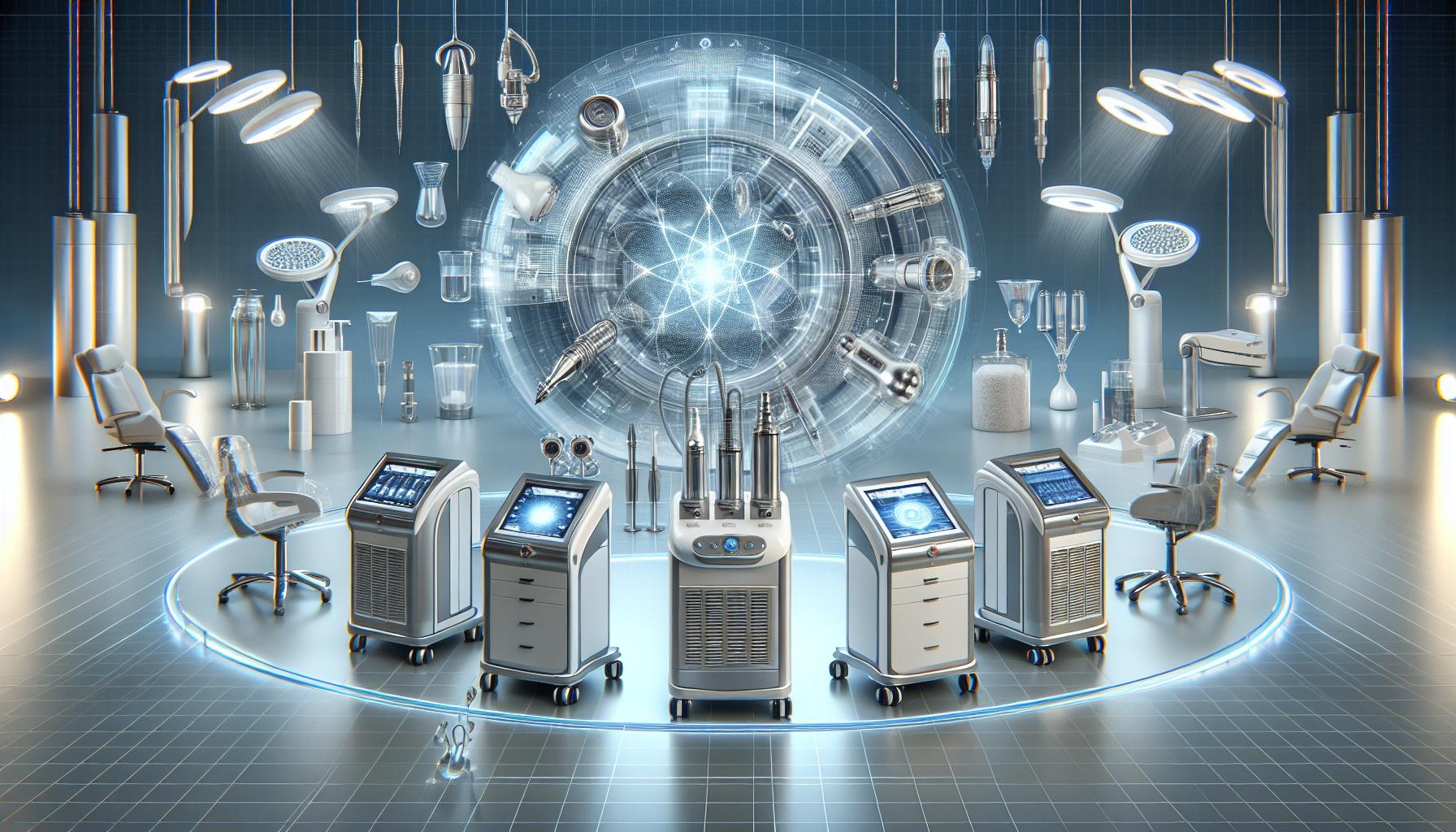
As the quest for eternal youth continues, advanced technologies are leading the way, transforming how society perceives aging. With an increasing number of breakthroughs in the field, today’s consumers are better equipped than ever to tackle the aging process head-on. From micro-needling techniques to sophisticated laser treatments, the options available are vast, with each designed to cater to various skin concerns and aging signs.
The rise of 3D bioprinting is one of the most exciting innovations in anti-aging treatments. This technology allows scientists to create skin tissues layer by layer, using bio-inks made from living cells. The potential applications are staggering, as these custom skin grafts can aid in repairing sun-damaged skin, scars, and even wounds, significantly speeding up recovery times. Not only does this represent a leap in medical technology, but it also has profound implications in the cosmetic world, opening doors for personalized solutions that consider the unique characteristics of an individual’s skin.
Breakthroughs in Light Therapy
Another technological advancement gaining momentum is light therapy. This technique employs various wavelengths of light to stimulate cellular activity, improve circulation, and bolster collagen production. Red light therapy, specifically, has gained a solid reputation for its anti-aging benefits, helping to reduce wrinkles and improve skin texture. The convenience of at-home light therapy devices also makes this treatment increasingly appealing to consumers seeking effective results without the time and expense of professional visits.
The Impact of Big Data and Analytics
Big data is revolutionizing how companies approach anti-aging treatments. Beauty brands now harness data analytics to track trends and consumer preferences, enabling them to innovate in real time. For instance, understanding how specific ingredients perform on different skin types allows companies to refine their products and develop cutting-edge formulations that are both effective and widely appealing. This data-driven approach is fostering a new era where personalized skincare regimens tailored to individual needs are not just a luxury but an accessible standard for consumers.
Through the integration of technology in beauty treatments, companies can now offer holistic solutions. Here are some of the key technological innovations reshaping anti-aging treatments today:
- Teledermatology: Remote consultations have made it easier for consumers to connect with skincare specialists, obtaining personalized advice from the comfort of their homes.
- Smart Mirrors: These innovative devices analyze skin conditions in real time, recommending treatments and products based on current needs.
- Wearable Skin Monitors: Offering insights into skin hydration and UV exposure, these devices empower users with actionable data to tailor their skincare routines.
The intersection of technology and anti-aging treatments is not only enhancing efficacy but also enabling a more proactive approach to skincare. As consumers become more health-conscious, these innovations resonate with their desire for both beauty and wellness, making the relationship between self-care and technology essential in the modern age.
The world of anti-aging treatments is rapidly evolving, driven by cutting-edge technology and innovative research. As researchers delve deeper into the science of aging, new methods and products are being developed that not only target the visible signs of aging but also aim to enhance overall skin health. One of the most promising advancements is the application of stem cell therapy. This pioneering approach utilizes the regenerative properties of stem cells to rejuvenate skin, drastically improving its texture and elasticity while promoting natural cell turnover.
Furthermore, the integration of artificial intelligence (AI) in dermatology has revolutionized how we approach personal skin care. AI algorithms can analyze individual skin types and recommend customized treatment plans, ensuring optimal results. These personalized regimens often include a combination of microneedling technology, which stimulates collagen production, and laser therapies that effectively target pigmentation and fine lines.
The rise of at-home devices featuring advanced technology offers consumers convenient options to maintain youthful skin. Tools that incorporate LED light therapy and ultrasonic waves are gaining popularity for their ability to enhance skin texture and promote healing right in the comfort of your home.
Moreover, regenerative medicine is forging new pathways with the development of platelet-rich plasma (PRP) treatments, where plasma derived from a patient’s blood is injected into specific areas to enhance skin rejuvenation. This method not only reduces signs of aging but also promotes collagen synthesis, allowing for a more natural and youthful appearance over time. As these technologies advance, the fusion of science and beauty continues to push the boundaries of what is possible in the fight against aging.
| Category | Benefits |
|---|---|
| Stem Cell Therapy | Rejuvenates skin by harnessing regenerative properties. |
| AI in Dermatology | Offers personalized skincare solutions for optimal results. |
| Microneedling Technology | Stimulates collagen production for improved skin texture. |
| PRP Treatments | Enhances rejuvenation by promoting natural healing and collagen synthesis. |
DISCOVER MORE: Click here for essential anti-aging tips
Innovative Chemical Treatments and Their Future Impact
The world of chemical treatments is also experiencing remarkable advancements thanks to innovation in formulation technologies. Aesthetic treatments that were once restricted to clinics now find their way into everyday skincare routines, driven by the demand for more scientifically-backed solutions. Among the game-changers, peptides have emerged as significant players in the anti-aging arena. These amino acid chains penetrate the skin deeply, promoting the production of collagen and elastin, crucial proteins responsible for maintaining skin elasticity and suppleness.
Another innovative chemical agent gaining traction is retinoids. Enhanced formulations featuring retinol and other derivatives are now more stable and less irritating, making them suitable for various skin types. Users can expect visible results in treating fine lines, hyperpigmentation, and uneven texture. This development is particularly noteworthy as it suggests a move towards more inclusive skincare solutions that offer efficacy without compromising comfort.
The Rise of Artificial Intelligence in Skincare
Artificial Intelligence (AI) is revolutionizing the skincare industry, enabling companies to provide highly personalized anti-aging solutions. AI algorithms analyze thousands of skin samples, ensuring products are refined to suit a wide range of individual needs. Companies are now deploying AI-driven apps that offer virtual skin assessments, suggesting optimal skincare routines and products. This technology not only enhances user experience but also increases the likelihood of satisfying outcomes.
For example, leading brands are developing AI tools that allow users to input their skin concerns and receive tailored ingredient recommendations. As consumers increasingly turn to digital solutions, the incorporation of AI promises to advance the development of targeted treatments that effectively address their specific aging concerns.
Regenerative Medicine: Pioneering the Next Generation of Anti-Aging
Furthermore, emerging fields such as regenerative medicine are garnering attention for their potential to transform anti-aging treatments. Techniques leveraging stem cells and growth factors are being researched to rejuvenate aging skin at the cellular level. These developments could offer revolutionary alternatives to traditional procedures, focusing on regenerating the skin’s natural resources instead of merely addressing external signs of aging.
Examples of these pioneering methods include platelet-rich plasma (PRP) therapy, often referred to as the ‘vampire facial.’ This treatment uses the patient’s own blood to enrich the skin with growth factors, enhancing cellular turnover and encouraging rejuvenation. As research continues to evolve, there could be even greater breakthroughs on the horizon, making regenerative solutions more accessible to a broader audience.
The Role of Sustainability in Anti-Aging Innovations
Alongside technological advances, sustainability emerges as a crucial factor when examining the future of anti-aging treatments. Today’s consumers increasingly prioritize eco-friendly products and ethical practices. Brands are responding by developing sustainable formulations that not only target aging concerns but also minimize environmental impact. Innovations such as biodegradable packaging and responsibly sourced ingredients are becoming standards in the beauty industry.
Investments in sustainable biotechnology open a new realm of possibilities, allowing for effective anti-aging solutions derived from renewable resources. For instance, some companies are exploring the use of plant-based peptides or developing fermentation-based technologies that yield powerful active ingredients without depleting natural resources.
The convergence of technology with sustainability marks a significant shift in the anti-aging landscape—one that resonates with a growing audience of environmentally conscious consumers seeking rejuvenation without compromising their values. As these trends evolve, it becomes increasingly clear that the future of beauty lies in the seamless integration of efficacy, personalization, and responsibility.
DISCOVER MORE: Click here to dive deeper
Conclusion: Shaping Tomorrow’s Beauty Standards
The realm of anti-aging treatments is rapidly evolving, driven by remarkable advancements in technology and innovation. As we stand on the brink of a beauty revolution, breakthroughs in chemical formulations, artificial intelligence, and regenerative medicine are setting new standards in skincare. The rise of peptides and retinoids signifies a shift towards products that not only improve skin appearance but also prioritize individual skin needs through tailored solutions driven by AI algorithms.
Moreover, regenerative techniques like platelet-rich plasma (PRP) therapy highlight a pivotal transition towards rejuvenating the skin from within, rather than merely masking symptoms. As these innovative treatments gain mainstream acceptance, the potential for more effective, safe, and novel solutions becomes increasingly apparent.
In tandem with these scientific advancements, the emphasis on sustainability reflects a broader consumer sentiment. Today’s beauty enthusiasts demand products that resonate with their eco-conscious values while delivering results. Innovations in sustainable biotechnology are paving the way for green alternatives, ensuring that the future of beauty aligns with responsible practices.
In conclusion, the future of anti-aging treatments promises to be a harmonious blend of efficacy, personalization, and sustainability. As these trends continue to unfold, consumers are encouraged to embrace this exciting journey of discovery, unlocking new possibilities that redefine beauty standards and cater to a diverse audience. The convergence of technology and innovation in this field not only shapes our perception of aging but also empowers individuals to take charge of their skincare routines with confidence and responsibility.