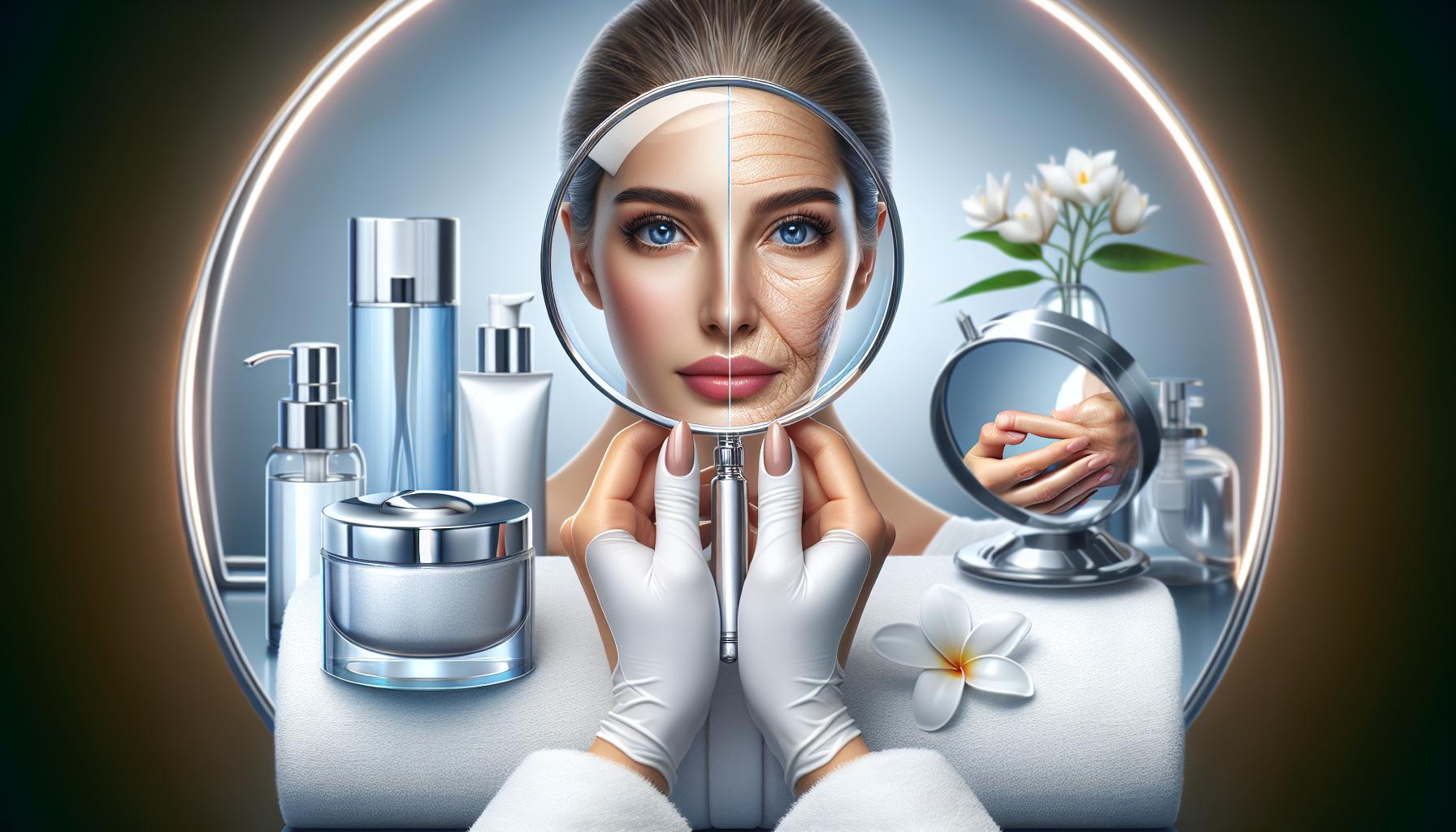
Sun Protection Strategies: How Sun Exposure Affects Skin Aging
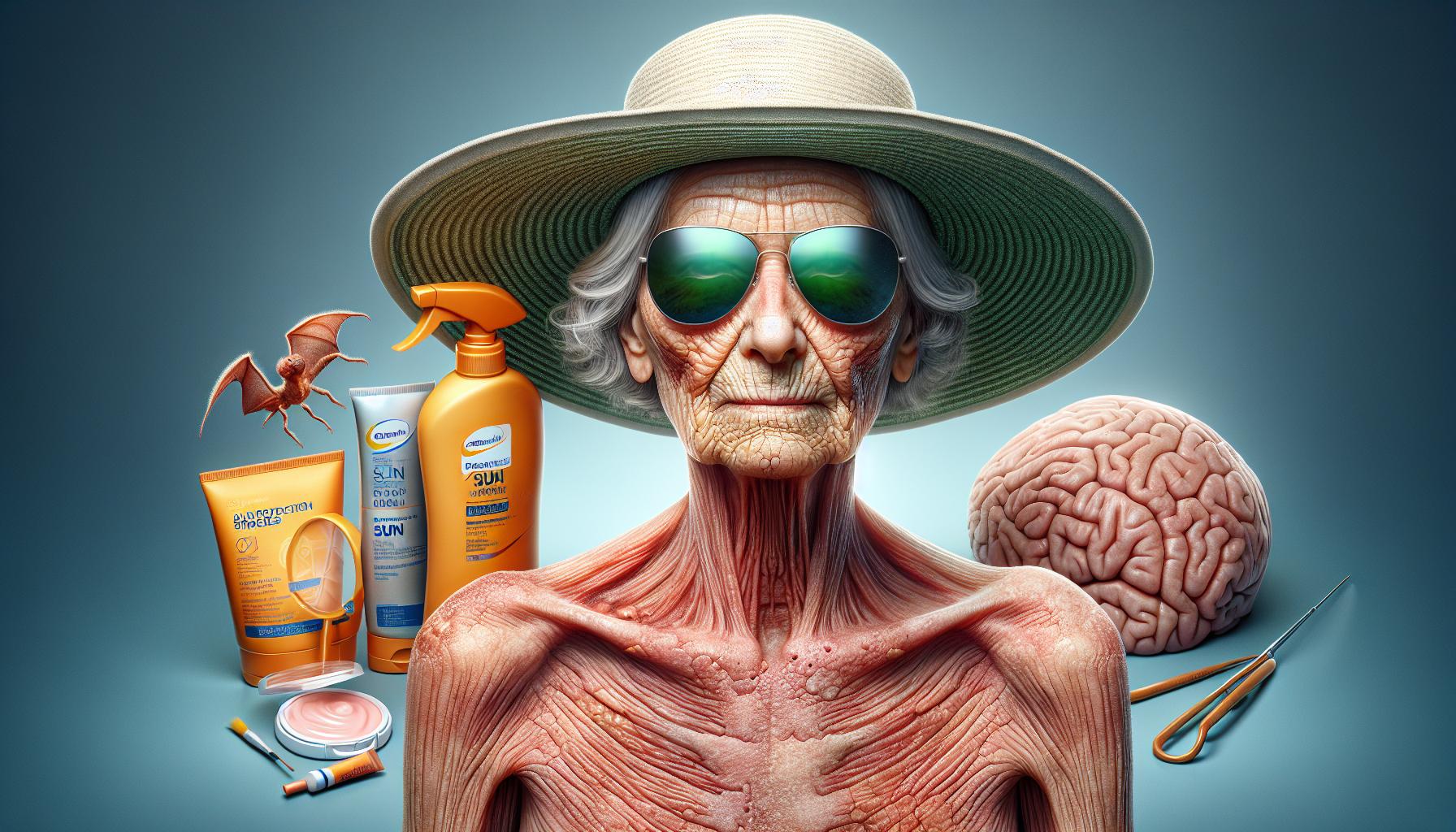
The Impact of Sun Exposure on Skin Aging
Every year, millions of Americans bask in the sun, often unaware of the hidden dangers lurking in those warm rays. As enjoyable as sun exposure can be, prolonged engagement without proper protection can lead to significant skin aging. This manifests through various skin conditions such as premature wrinkles, age spots, and a loss of skin elasticity. Understanding the effects of UV radiation is crucial for maintaining youthful skin and preventing long-term damage.
One of the most important concepts to appreciate when discussing skin aging is photoaging. This term encapsulates the damage caused by UV light, which accelerates the natural aging process of the skin. With ongoing exposure, people may notice fine lines, deep wrinkles, and changes in texture, all of which can significantly affect an individual’s appearance.
Another critical aspect is the collagen breakdown that occurs with sun exposure. Collagen and elastin are essential proteins that provide structural integrity to the skin. UV rays break down these proteins, compromising the skin’s ability to maintain its firmness and elasticity. As collagen levels decline, the skin may sag and lose its youthful suppleness, leading to an aged appearance much earlier than expected.
Additionally, sun exposure can lead to hyperpigmentation, where uneven skin tone and dark spots begin to emerge. This occurs as UV rays stimulate melanin production, causing specific areas of the skin to darken. It can be frustrating for many, especially since these blemishes can be difficult to treat and often require professional intervention to mitigate their appearance.
To combat the harmful effects of UV exposure, adopting effective sun protection strategies is vital. Here are some essential practices to consider:

- Wearing Sunscreen: A broad-spectrum sunscreen with an SPF of 30 or higher is recommended for daily use. It’s important to reapply every two hours, especially if swimming or sweating.
- Seeking Shade: Limiting sun exposure during peak hours—typically from 10 AM to 4 PM—can significantly reduce the risk of skin damage.
- Wearing Protective Clothing: Choose hats with broad brims and long sleeves made from UV-blocking fabrics to provide added protection when outdoors.
By taking these proactive measures, individuals can minimize the damaging effects of sun exposure on their skin. Not only does this enhance one’s appearance, but it also promotes overall long-term skin health. Interested readers are encouraged to dive deeper into these protective strategies as they explore the intricacies of skincare, potentially leading to healthier, more youthful skin over time.
DISCOVER MORE: Click here to find out how to choose the perfect shades
Understanding the Science Behind Sun Damage
To grasp the significance of sun protection strategies, it is essential to delve into the underlying science of how UV radiation affects the skin. The sun emits three types of ultraviolet (UV) rays: UVA, UVB, and UVC. While UVC rays are absorbed by the ozone layer and do not reach the earth’s surface, UVA and UVB rays can have profound implications for skin health. UVA rays penetrate deeply into the skin, leading to premature aging and contributing to the development of skin cancers. Conversely, UVB rays are primarily responsible for causing sunburn and play a significant role in the formation of skin cancers as well.
Studies reveal that chronic exposure to UV radiation can cause a myriad of changes in the skin. For instance, the skin’s basal layer, where new cells are generated, can become compromised due to excessive sun exposure. As a result, the skin loses its ability to regenerate and repair itself effectively over time. This inability to produce new cells can amplify the visible signs of aging, like sagging skin and pronounced wrinkles.
Moreover, it’s crucial to recognize the cumulative effect of sun exposure throughout one’s life. Even brief, unprotected sun exposure adds up and can lead to significant damage over time. A study published by the American Academy of Dermatology denotes that approximately 90% of visible skin aging is attributed to sun exposure, emphasizing the importance of consistent and vigilant protection.
Vulnerable Skin Types and the Importance of Individual Care
Each skin type reacts differently to sun exposure, underscoring the need for tailored sun protection strategies. Individuals with fair skin, red or blonde hair, and light-colored eyes are often at a higher risk for sun damage. These individuals tend to sunburn easily and may experience skin aging more rapidly due to their lower levels of protective melanin. Meanwhile, people with darker skin can also suffer from sun damage, but they may not notice the effects as quickly due to greater natural pigmentation. Regardless of skin tone, adopting a personalized approach to sun protection is critical.
Some effective sun protection strategies individuals can apply to their daily routines include:
- Daily Sunscreen Application: Incorporate a broad-spectrum sunscreen with an SPF of 30 or higher into your morning skincare routine, ensuring full coverage of all exposed areas.
- Monitoring UV Index Levels: Pay attention to the daily UV index, which can help in planning outdoor activities around peak sunlight hours.
- Regular Skin Examinations: Conduct routine skin checks to identify any new moles or changes to existing moles, seeking professional advice when necessary.
These preventive measures not only help mitigate the risk of skin aging but also promote overall skin health, paving the way for a rejuvenated, youthful appearance. In our quest for longevity, understanding the intricate relationships between sun exposure and skin aging is the first step toward a more proactive and informed approach to skincare.
| Protection Method | Key Benefits |
|---|---|
| Sunscreen Application | Regular use of broad-spectrum sunscreen with at least SPF 30 can significantly reduce UV damage responsible for premature aging. |
| Protective Clothing | Wearing long sleeves and wide-brimmed hats helps block UV rays and provides a physical barrier against harmful sun exposure. |
Sun exposure plays a critical role in the aging process of the skin. Therefore, understanding effective sun protection strategies can help mitigate its detrimental effects. The skin’s natural barrier can become compromised due to chronic UV exposure, leading to wrinkles, fine lines, and loss of elasticity. By employing protective measures, individuals can maintain healthier and more youthful-looking skin.Another valuable strategy includes seeking shade during peak sun hours—typically from 10 AM to 4 PM—when UV radiation is strongest. Additionally, incorporating antioxidants into one’s skincare routine can provide further protection by neutralizing free radicals generated from sun exposure. Such practices enhance the skin’s resilience and make it easier to stave off signs of aging. With advanced formulations in the skincare market today, finding a product that integrates sun protection with anti-aging properties is easier than ever. Engage with these concepts to reveal the broader implications of safe sun practices and how they can transform your skin’s future health.
DISCOVER MORE: Click here to learn about how diet affects your skin
Additional Sun Protection Strategies to Combat Skin Aging
In addition to the foundational sun protection strategies mentioned earlier, there are a variety of advanced techniques and tools individuals can utilize to further shield their skin from the damaging effects of the sun. Understanding these methods not only enhances protection but also serves as an essential part of an effective skincare regimen.
Incorporating Physical Barriers
Aside from choosing the right sunscreen, physical barriers can significantly reduce direct sun exposure. Wearing protective clothing made from tightly woven fabrics, broad-brimmed hats, and UV-blocking sunglasses can provide an additional layer of defense against harmful UV rays. The Skin Cancer Foundation recommends clothing with an Ultraviolet Protection Factor (UPF) rating of 30 or higher for optimal shielding. Additionally, accessories like wide-brimmed hats are effective not only in providing shade but also in reducing direct sunlight on the face, neck, and ears—areas often neglected during sun protection efforts.
Seeking Shade and Timing Outdoor Activities
Strategically planning outdoor activities can also play a crucial role in minimizing sun exposure. The sun’s rays are most intense between 10 a.m. and 4 p.m. Smart scheduling means seeking shade whenever possible or planning activities outside these peak hours. For instance, a quick afternoon jog can be swapped for an early morning or evening stroll, which significantly lowers the risk of sun damage. Interestingly, the American Academy of Dermatology notes that staying in the shade even during peak hours can reduce incidental sun exposure by approximately 50%.
Utilizing Antioxidant-Rich Skincare Products
Integrating antioxidant-rich skincare products into daily routines can offer extra protection by combating the oxidative stress induced by UV radiation. Ingredients such as vitamins C and E, green tea extract, and niacinamide serve to neutralize free radicals and minimize sun damage. A study highlighted in the journal Clinical, Cosmetic and Investigational Dermatology suggests that applying topical antioxidants can enhance the effectiveness of sunscreen and help in repairing sun-damaged skin.
Regular Chemical Peels and Facials
For those looking to mitigate visible signs of sun damage, regular chemical peels and facials can be beneficial. These aesthetic treatments can help remove dead skin cells, promote the growth of new cells, and improve skin texture. By incorporating such treatments into routines, individuals can effectively address issues like pigmentation, roughness, and fine lines associated with photoaging.
Professional Guidance and Advanced Treatments
Consulting with a dermatologist can provide tailored strategies specific to individual skin types and concerns. Dermatologists often recommend advanced treatments, such as laser therapy or fillers, which can effectively address deep wrinkles or sunspots that traditional skincare routines may not eliminate. Regular consultations help not only with personalized skincare regimens but also with ongoing education about the latest in sun protection advances.
Ultimately, the quest for youthful skin demands an understanding of both the short- and long-term effects of sun exposure. By equipping oneself with a thorough knowledge of protective strategies, individuals can not only shield their skin from aging but also foster a culture of proactive self-care in their daily lives. With an array of preventive measures at one’s fingertips, achieving and maintaining resilient, healthy skin is more attainable than ever.
DISCOVER MORE: Click here to learn how stress impacts your skin
Conclusion
In conclusion, the impact of sun exposure on skin aging cannot be overstated. Prolonged ultraviolet (UV) exposure leads to visible signs of aging, including fine lines, wrinkles, and pigmentation issues. However, by implementing effective sun protection strategies, individuals can significantly mitigate these effects and promote healthier, more resilient skin.
From the importance of applying broad-spectrum sunscreen daily to the incorporation of physical barriers like protective clothing and hats, these strategies empower individuals to take charge of their skin health. Moreover, seeking shade during peak sun hours and making informed choices about outdoor activities can greatly reduce the risk of sun damage. As we’ve discussed, integrating antioxidant-rich skincare products into your regimen further supports your skin’s defense against UV-induced oxidative stress, enhancing overall protection.
Additionally, seeking professional guidance from dermatologists can provide personalized approaches tailored to one’s unique skin needs, including access to advanced treatments that combat the consequences of photoaging. The incorporation of regular facials and chemical peels can also rejuvenate the skin, addressing the visible signs of damage.
As awareness grows regarding the lifelong effects of sun exposure, fostering a culture of proactive skin care becomes essential. By embracing these comprehensive sun protection strategies, individuals can not only shield their skin from aging but also pave the way for a future where youthful, healthy skin is the norm. With a wealth of knowledge and resources available, the quest for youthful skin is not just attainable—it’s within reach for everyone.