
Ecological Routes: Sustainable Itineraries for Exploring the Biodiversity of the USA
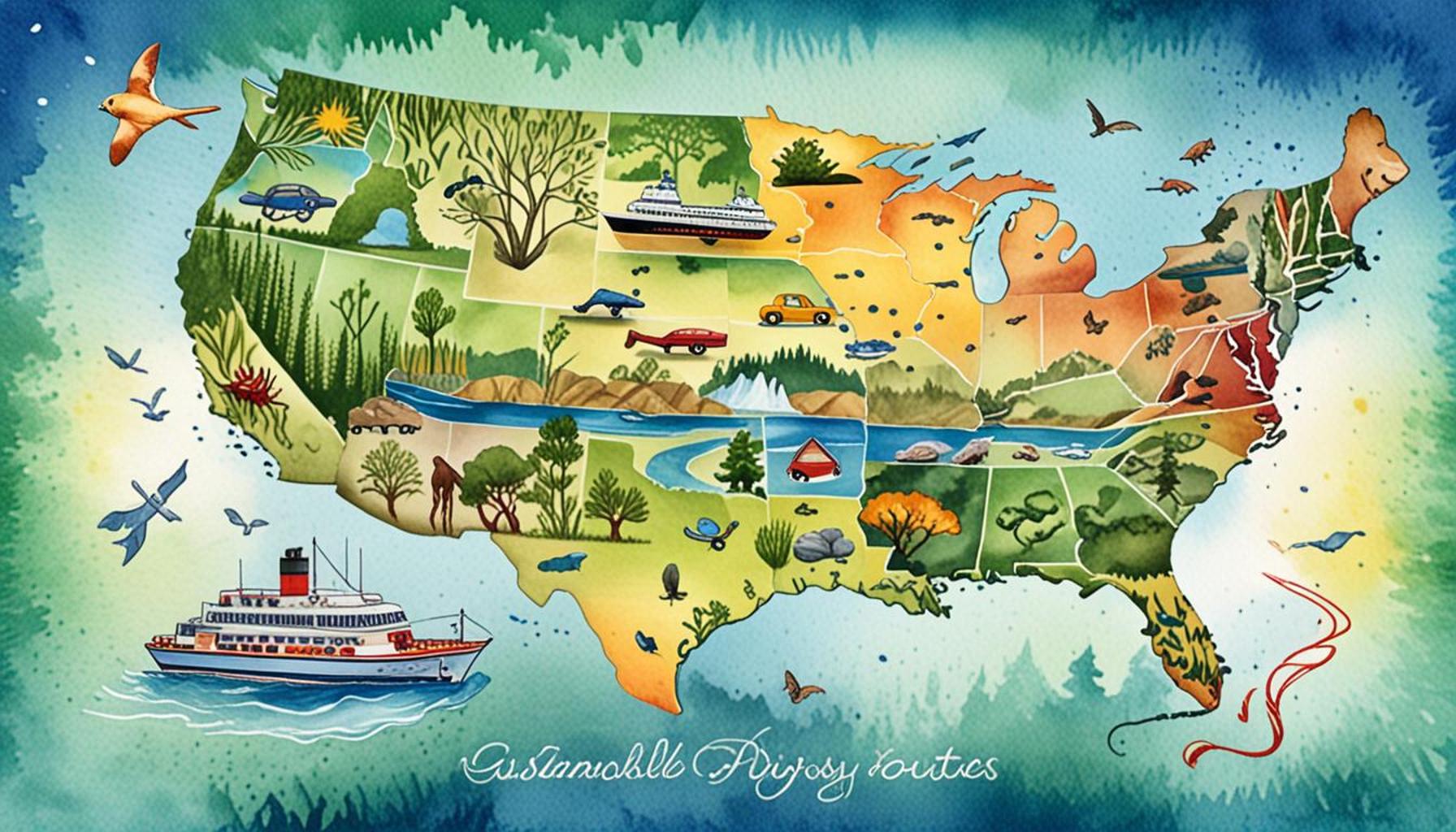
Exploring the Ecological Wonders Across the USA
The vast landscapes of the United States offer a tapestry of ecosystems teeming with life, from lush rainforests to arid deserts. Each ecosystem presents a unique palette of biodiversity, making the country an attractive destination for adventure seekers and nature lovers alike. Through carefully crafted ecological routes, travelers can engage with these diverse environments in ways that foster a deeper appreciation for our natural world and promote sustainable travel practices.
These specially designed itineraries allow explorers to delve into the heart of America’s rich flora and fauna while discovering numerous highlights:
- National Parks: Iconic locations like Yellowstone, the first national park in the world, showcase geothermal wonders alongside a rich variety of wildlife, including bison and grizzly bears. Similarly, the Great Smoky Mountains, known for its ancient mountains and diverse species, is home to over 19,000 documented species of living organisms, and the potential for discovering many more is vast.
- Wildlife Refuges: The San Juan Islands in Washington State are a haven for marine life and offer opportunities to witness orcas in their natural habitat. The Kenai Peninsula in Alaska is another prime spot where visitors can observe large populations of moose, bears, and salmon while enjoying pristine wilderness.
- Eco-Trails: The Appalachian Trail stretches over 2,190 miles, providing hikers with a remarkable cross-section of American biodiversity as it winds through the Appalachian Mountains. In contrast, the Pacific Crest Trail spans from California to Washington, featuring varied climates that shelter unique plant and animal communities, from desert tortoises to luscious old-growth forests.
Every ecological route offers an extraordinary opportunity to witness nature’s delicate equilibrium. As travelers journey through these habitats, they learn invaluable lessons about the significance of biodiversity and the dire need for conservation efforts. With the increasing threats to ecosystems worldwide, understanding these concepts becomes essential for responsible tourism.
Exploring these sustainable itineraries enriches your travel experience while simultaneously benefiting local communities and ecosystems. By choosing to wander along paths less traveled, adventurers help raise awareness of the pressing environmental issues currently facing our planet. Engaging directly with nature fosters a sense of responsibility for its preservation, ensuring that future generations can also enjoy these ecological treasures.
Join the movement to uncover the hidden gems of biodiversity across the USA. Each journey not only enhances your connection to the environment but also contributes to the collective effort to safeguard our planet’s natural heritage.

DISCOVER MORE: Click here for an in-depth look
Understanding the Importance of Ecological Routes
As we navigate through the stunning diversity of ecosystems across the United States, the role of ecological routes becomes increasingly vital. These routes not only serve as pathways for adventure but also as educational tools that illuminate the intricacies of our natural world. By traversing through carefully curated itineraries, travelers can immerse themselves in the beauty of nature while developing a greater understanding of the delicate balance that sustains life.
One of the key aspects that invite exploration along these sustainable itineraries is the ability to interact directly with nature’s wonders. From the arid landscapes of the Sonoran Desert that showcase resilient cacti and unique wildlife, to the marshy wetlands of the Everglades, where alligators silently glide through ancient waters, travelers are met with the rich tapestry of life that thrives in these habitats.
Engaging in ecological routes allows individuals to observe critical environmental interactions firsthand, deepening their connection to the ecosystem. Here are some compelling reasons to explore such itineraries:
- Encouraging Conservation Awareness: Traveling along ecological routes helps raise awareness about conservation efforts. As visitors witness the effects of climate change, habitat loss, and pollution, they become advocates for preserving these precious environments.
- Cultural Experiences: Many ecological routes are intertwined with the cultures of Indigenous peoples, offering a unique opportunity to learn about their connection to the land and wildlife. This cultural context enhances the travel experience and fosters respect for diverse traditions.
- Wildlife Encounters: The thrill of encountering wildlife in their natural habitat is a significant draw for many travelers. Whether spotting bald eagles soaring over Lake Superior or listening to the haunting call of a howler monkey in a Pacific rainforest, these moments create lasting memories and inspire a commitment to protect these species.
- Promoting Local Economies: Sustainable travel practices along ecological routes have a positive impact on local economies. By supporting local guides, eco-lodges, and businesses, travelers contribute to community development while ensuring that the environment remains a priority.
As individuals embark on these ecological journeys, they leave behind less of a carbon footprint by choosing sustainable transportation options like biking, hiking, or utilizing public transit. This conscious effort to minimize environmental impact aligns with the overall mission of ecological routes: to provide unforgettable travel experiences while championing the cause of conservation.
The allure of ecological routes goes beyond just the aesthetic value of breathtaking landscapes; they represent a conscious choice to engage with nature responsibly. Through these journeys, we not only enhance our understanding of the ecological forces at work but also commit to protecting the biodiversity that sustains our world. Such explorations pave the way for a deeper, more informed appreciation of our planet’s rich heritage, which is essential for fostering a culture of environmental stewardship.
| Category | Details |
|---|---|
| Environmental Conservation | Sustainable routes enhance habitat preservation and promote awareness of local ecosystems. |
| Community Engagement | Local communities benefit from tourism revenue while participating in cultural preservation efforts directly linked to ecological routes. |
| Wildlife Monitoring | These itineraries often include opportunities for citizen science projects that foster wildlife observation and research. |
| Health Benefits | Outdoor activities along ecological routes encourage physical activity and mental well-being, contributing to overall health. |
Engaging with the ecological routes in the USA offers a unique opportunity to explore diverse ecosystems while understanding each area’s unique biodiversity. From coastal plains filled with migratory birds to mountainous regions housing rare flora, these routes entwine adventure with education. Each trek promises not only picturesque vistas but also insights into local conservation efforts fostering sustainability. Travelers often discover unexpected benefits, such as the chance to taste locally sourced food on guided tours or witness restoration projects in action. By embracing such itineraries, enthusiasts can transform their travels into impactful experiences, advocating for the preservation of these essential habitats for future generations. Adventure seekers are not just passive tourists; they become stewards of the environment, connecting with nature in profound ways. This engagement supports ongoing conservation initiatives, making every hike or bike ride on these ecological routes an integral part of a greater narrative. The integration of community and nature reflects a harmonious balance that defines modern ecological exploration.
DISCOVER MORE: Click here to enhance your travel experience
Exploring Ecological Routes Across America
The United States offers a remarkable variety of ecological routes that cater to a diverse range of interests and skill levels. From favored national parks to hidden gems, each route functions as a unique portal into the country’s ecological diversity. As avid explorers seek sustainable travel experiences, several notable itineraries emerge that exemplify the balance between adventure and environmental stewardship.
One exemplary pathway is the California Coastal Trail, which stretches over 1,200 miles along the picturesque Pacific coastline. This trail not only encompasses breathtaking ocean vistas but also provides a sanctuary for marine life. With opportunities to witness migrating whales or playful sea otters, this route encourages travelers to appreciate the intricate ecosystems along the coast. It serves as a reminder to protect these habitats as they face threats such as pollution and habitat encroachment.
Another compelling itinerary can be found in the heart of the Great Smoky Mountains National Park, America’s most visited national park. The park’s extensive trail system allows visitors to journey through ancient Appalachian forests, showcasing a rich variety of flora and fauna. While hiking along serene paths, travelers can discover native species such as the endangered Southern Appalachian bog turtle and learn about the park’s role in preserving biodiversity. Interactive programs offered by park rangers foster appreciation for the park’s natural heritage and encourage responsible recreation.
For those drawn to wetlands, the Florida Keys Eco-Discovery Center provides an engaging gateway to the fragile marine ecosystems of the Caribbean. Here, travelers can learn about coral reef conservation and the significant role these ecosystems play in supporting diverse marine life. Guided kayak tours through the mangroves offer a chance to witness the intricate balance of life within these coastal areas. These activities not only deepen the understanding of the environment but also advocate for its protection amid rising sea levels and climate change impacts.
Beyond established parks, lesser-known routes like the Pacific Northwest Trail invite intrepid adventurers. Spanning 1,200 miles from the Continental Divide to the Pacific Ocean, this trail weaves through mountainous terrain, alpine meadows, and old-growth forests. With its biodiversity hotspots, hikers have the chance to encounter unique wildlife, such as the elusive wolverine or critically endangered species like the northern spotted owl. The trail serves as a reminder of the ongoing conservation efforts necessary to safeguard these irreplaceable habitats.
The Role of Technology in Sustainable Exploration
As technology becomes an integrated part of the travel experience, it enables sustainable practices to flourish in the exploration of ecological routes. Mobile applications highlight the flora and fauna endemic to specific regions, allowing users to identify species while educating them about their importance. Additionally, platforms like AllTrails provide insights into the environmental conditions of various trails, ensuring that travelers can make informed choices while planning their journeys.
Furthermore, online communities dedicated to hiking and ecological exploration offer support and advocacy for sustainable travel practices. Sharing experiences, recommendations, and conservation tips helps cultivate a culture committed to protecting ecosystems while fostering a sense of camaraderie among like-minded adventurers. As the popularity of ecological routes continues to grow, these communal resources will play a crucial role in steering individuals and families toward responsible travel choices.
Overall, the exploration of ecological routes across America not only enhances appreciation for diverse ecosystems but also empowers travelers to become active participants in conservation efforts. Through these responsible journeys, individuals can help ensure that the vibrant biodiversity of the United States remains preserved for future generations to explore and admire.
DIVE DEEPER: Click here to explore the Pacific’s vibrant maritime culture
Conclusion: Embarking on a Sustainable Journey
In a nation rich with ecological wonders, the exploration of ecological routes offers not only breathtaking landscapes but also an invaluable opportunity to connect with nature while promoting sustainability. From the rugged beauty of the Great Smoky Mountains to the vibrant marine ecosystems of the Florida Keys, every trail and pathway allows travelers to engage deeply with America’s diverse flora and fauna. These routes are not simply a means of leisure but a call to action for travelers to embrace their role as stewards of the environment.
As ecological routes become a popular choice for adventurers of all ages, it is vital to empower individuals with the knowledge and tools necessary for responsible exploration. The use of technology, such as mobile apps and online communities, enhances the travel experience while fostering a culture of conservation and environmental awareness. By harnessing these resources, explorers can make informed decisions that prioritize ecological preservation.
Ultimately, every journey undertaken along these sustainable itineraries contributes to a greater cause— the protection and appreciation of America’s unique biodiversity. By prioritizing sustainability in our travel choices, we ensure that future generations will have the opportunity to experience and enjoy the same awe-inspiring landscapes and ecosystems that shape the identity of the United States. Let us embark on these ecological routes not just as travelers but as committed guardians of our planet’s natural heritage.