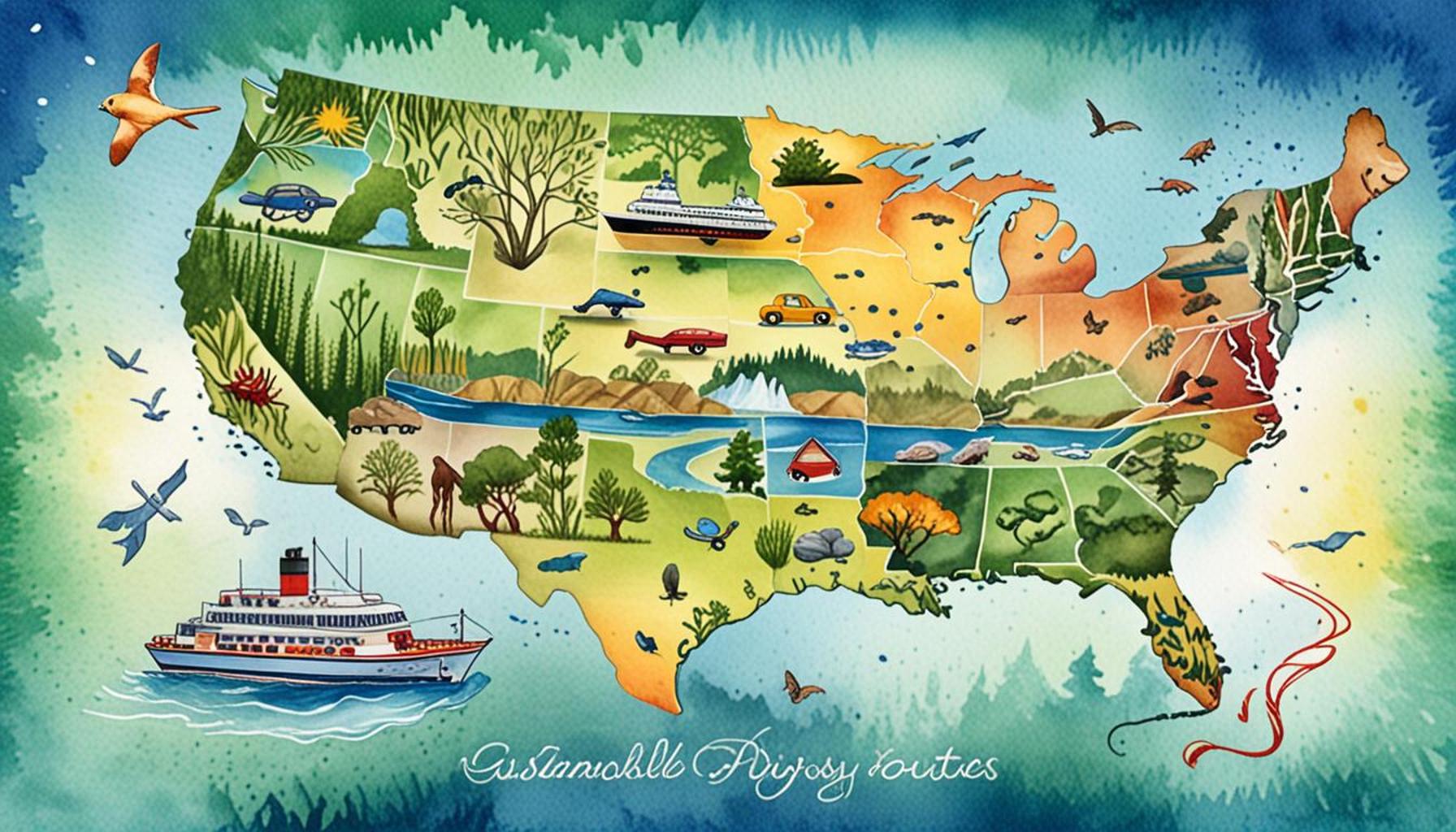
Historical Routes: The Roads that Tell American History
Uncovering America’s Story Through Its Roads
Every mile of pavement tells a tale, weaving through the past with every turn. Historical routes across the United States are not just pathways; they are living narratives that encapsulate moments of triumph, struggle, and transformation. These roads not only facilitate movement but also serve as conduits of history, reflecting the dynamic story of a nation that continually evolves.
From the Oregon Trail, a 2,170-mile route that carried thousands of pioneers westward in the 1800s, to the iconic Route 66, celebrated as the “Main Street of America,” these thoroughfares have witnessed the unfolding of American history. Each route offers a unique lens through which we can explore significant events, cultural exchanges, and the evolution of communities.
Historic Trails
Pathways like the Santa Fe Trail connect us to early settlers and indigenous cultures. Originally a trading route starting in Missouri and ending in Santa Fe, New Mexico, this trail facilitated not only commerce but also cultural exchanges between diverse groups. Similarly, the Natchez Trace Parkway runs through the heart of the South, once used by Native Americans and early pioneers, and presents a rich tapestry of stories related to the American frontier and the complex relationships formed along the way.
Infrastructure Impact
The construction of highways such as the Interstate System drastically reshaped American life and commerce in the 20th century. Spearheaded by President Eisenhower in the 1950s, this network not only improved national defense but also fostered suburbanization, making it possible for millions of Americans to travel farther for work and leisure than ever before. The impact of this infrastructure can still be seen today in the sprawling nature of many U.S. cities and the rise of car culture.
Tourism Treasures
Routes rich in heritage, like the Blue Ridge Parkway, attract millions each year, blending scenic beauty with historical significance. Stretching through the Appalachian Mountains, this parkway is renowned for its sweeping vistas and access to historic sites such as the Mabry Mill, providing insight into early 20th-century mountain life. Each year, visitors embark on this journey, not only to appreciate the landscape but also to engage with the cultural history that permeates the area.

Exploring these historical routes reveals much more than just scenic views; it invites you to engage with the rich tapestry of American identity. Each journey offers opportunities for discovery, echoing the stories of those who traveled before us and leaving an indelible mark on the landscape. As you traverse these roads, consider the countless footsteps that have tread upon them and the narratives they carry, reminding us that the path forward is a continuation of the stories that came before.
DISCOVER MORE: Click here for a scenic adventure
Tracing Pioneering Paths
The journey along the Oregon Trail is one of the most storied in American history, encapsulating the spirit of adventure and the quest for a better life. This route, established in the early 1840s, allowed over 400,000 settlers, farmers, and dreamers to journey to the promised lands of the West. Along this challenging path, families faced harsh conditions, but they also forged connections with fellow travelers and Indigenous peoples. The remnants of the trail can still be explored today, offering a glimpse into the past through historical markers, museums, and scenic rest stops. Each site along the way inspires visitors to reflect on the sacrifices and hopes that drove these pioneers.
As we delve deeper into America’s roads, Historic Route 66 emerges as a symbol of the American Dream. Stretching from Chicago to Santa Monica, this route, affectionately referred to as the “Mother Road,” became a lifeline for those seeking opportunity during the Great Depression and the Dust Bowl era. Along the way, travelers encountered unique roadside attractions, diners, and vintage motels. This iconic highway not only symbolizes freedom and adventure but also highlights the cultural exchange between urban and rural America. In recent years, restoration efforts have preserved many vintage establishments, allowing visitors to experience the nostalgia of a bygone era.
Routes of Rebellion and Progress
Throughout American history, roads have also played a crucial role in social movements. The Selma to Montgomery March, famously illustrated in the film “Selma,” took place on U.S. Route 80 and showcased the struggle for civil rights in the 1960s. Thousands marched to demand voting rights, transforming this road into a powerful symbol of resistance and determination. Today, commemorative trails and monuments highlight the bravery of those who walked these pavements, inspiring new generations to continue the fight for equality.
Moreover, routes like the Freedom Road connected abolitionist communities, facilitating the escape of enslaved individuals via the Underground Railroad. These paths, often woven through forests and secluded areas, were hidden from sight and fraught with danger. Today, several historical markers and educational programs celebrate the bravery and ingenuity of those who risked everything for freedom. In visiting these sites, we can honor their legacies and better understand the complexities of America’s journey toward justice.
The Legacy of Transportation in America
The historical routes of the United States reflect not just the physical act of travel, but the myriad stories that shaped the nation. From early trails enabling trade and exchange, to iconic highways that symbolize freedom and rebellion, the roads we travel are imbued with the spirit of those who came before us. By exploring these important thoroughfares, we can uncover America’s rich narrative — one that continues to evolve as new stories unfold across the landscapes of our nation.
As you embark on exploring these historical routes, consider how each path tells the story of resilience and hope, connecting our past to the present and beyond. The journey is not merely about the destination; rather, it’s about the rich tales that lie along the way, waiting to be discovered by those willing to wander.
Exploring the Significance of Historical Routes
The roads that traverse the vast landscapes of America serve not only as pathways for travel but also as veins of history, pulsating with stories of struggle, triumph, and transformation. These historical routes encapsulate the essence of American culture, from the ancient trails of Indigenous peoples to the famous Route 66. Understanding their significance offers invaluable insights into the American identity.
One of the most notable aspects of these routes is their ability to connect disparate communities through shared narratives. For example, the Lewis and Clark Expedition Route not only demonstrated early explorations of the West but also facilitated trade and interaction among Native American tribes and European settlers. Such routes serve as educational tools, encouraging travelers to immerse themselves in the past.
Furthermore, these roads have contributed significantly to the tourism industry, attracting millions each year to historic sites and national parks. The National Scenic Byways program, for instance, highlights scenic routes that enhance visitor experience through educational signage and promotional materials, allowing travelers to appreciate the beauty and history of these roads. By discovering these paths less traveled, visitors engage with America’s rich heritage, fostering a sense of connection to the broader narrative of the nation.
Moreover, historical routes are instrumental in preserving America’s past for future generations. They inspire local communities to maintain the sites and stories associated with these paths, thus supporting cultural heritage. As awareness increases, initiatives arise to protect these significant landmarks, ensuring that their tales are not forgotten in the relentless march of modernity.
| Category | Advantages |
|---|---|
| Cultural Awareness | Promotes understanding of diverse histories and traditions |
| Economic Benefits | Boosts local economies through tourism and infrastructure development |
The stories that unfold along these historical routes weave a complex tapestry, rich with experience and meaning. Each road traveled reveals yet another chapter in the epic saga of America, inviting exploration and engagement with the nation’s history.
DIVE DEEPER: Click here to discover the impact of luxury stays
Highways of Innovation and Infrastructure
In addition to paths carved by pioneers and activists, America’s historical routes reflect the ambitious spirit of innovation and infrastructure development. The National Road, also known as the Cumberland Road, was the first federally funded highway in the United States, connecting the eastern states to the western frontier in the early 19th century. Spanning over 600 miles from Cumberland, Maryland to Vandalia, Illinois, this road facilitated the movement of goods and people, significantly impacting trade and settlement patterns. With milestones and toll houses still standing, visitors can trace the evolution of transportation, experiencing firsthand the challenges and triumphs of those who sought passage across a nascent nation.
The development of the Transcontinental Railroad took this spirit of innovation to new heights, linking the east and west coasts by rail in 1869. The journey along Route 40, which parallels parts of the original rail line, offers insights into a critical period in American history. Travelers can stop at numerous museums and national parks that celebrate the impact of the railroad on commerce, migration, and technology. Moreover, iconic locations, such as Promontory Summit in Utah, where the two railroads met, provide a poignant reminder of the ingenuity and determination that propelled the United States into an era of unprecedented growth.
As the automobile revolutionized travel in the 20th century, U.S. Route 1 emerged as a vital artery along the East Coast. This road, stretching from Key West, Florida, to Houlton, Maine, showcases the diverse landscapes, cultures, and histories of American communities. Visitors can experience everything from the sandy beaches of Florida to the historic cannons of Fort Knox in Maine, making it a living tapestry of Americana. The preservation of vintage diners and motels along this highway serves as a nostalgic nod to the mid-20th century, a time when car culture blossomed and the open road became synonymous with freedom.
Routes of Discovery in Nature and Industry
Apart from civil rights and industry, historical routes also unveil America’s exploration and relationship with its natural landscape. Scenic byways, such as the Blue Ridge Parkway, not only exhibit breathtaking views of the Appalachian Mountains but also interweave the narratives of the Indigenous tribes who inhabited these lands and the settlers who sought to tame them. Visitors traveling this route can stop at visitor centers to learn about the cultural and ecological significance of the region, bridging the past with the natural beauty that remains today.
Furthermore, the Lewis and Clark Trail, retracing the expedition of Meriwether Lewis and William Clark from 1804 to 1806, symbolizes exploration and the quest for knowledge. Spanning thousands of miles, this route covers numerous states and offers educational experiences at interpretive centers that document the journey. Travelers can engage with both the history of exploration and the landscapes that the expedition encountered, highlighting the synergy between mankind and nature.
Americans are encouraged to delve into these historical routes, as each stretch of road facilitates a deeper understanding of the nation’s multifaceted history. They serve as reminders of the past while offering inspiration for the future, encouraging everyone to forge their own path in the ever-evolving story of America.
DIVE DEEPER: Click here for enchanting experiences along the East Coast
In Summation: The Enduring Legacy of America’s Historical Routes
The historical routes of America are more than mere paths on a map; they are narratives woven into the fabric of the nation, each telling stories of resilience, innovation, and exploration. From the pioneering spirit embodied by the National Road, which fostered westward expansion, to the transformative impact of the Transcontinental Railroad on commerce and culture, these arteries of travel have been pivotal in shaping the American experience. The emergence of U.S. Route 1 only deepens this connection, showcasing the rich diversity of the landscapes and lifeways that define the East Coast.
Moreover, routes such as the Blue Ridge Parkway and the Lewis and Clark Trail provide immersive experiences that highlight our relationship with nature, exploration, and the Indigenous histories that predate European settlement. These roads invite travelers to delve into the stories that have made America what it is today, offering insights and connections that transcend time.
As we traverse these historic pathways, we gain a better understanding of the nation’s evolution—its triumphs, tribulations, and the continuous pursuit of progress. By actively engaging with historical routes, we not only honor the past but also inspire future generations to carve their own stories along the road ahead. Let each journey serve as a reminder that the paths we travel reflect our shared history and illuminate the ongoing adventure of what it means to be American.