Art and Technology: How Digital Tools Are Redefining Creativity and Personal Expression
Understanding the Transformation of Artistic Expression
In today’s rapidly evolving world, technology is not just a tool; it is transforming the very nature of artistic expression. More than ever, artists, musicians, and filmmakers are embracing digital platforms, fundamentally reshaping how we perceive and engage with creativity. This revolution has brought significant changes to various aspects of the artistic landscape.
- Increased Accessibility: Digital tools have diminished barriers for artists from diverse backgrounds, enabling them to create and share their work on a global scale. Platforms such as Instagram and YouTube allow budding artists to showcase their creations without the need for galleries or traditional outlets, democratizing the art world. For instance, street artists can now share their work in real-time, reaching a wider audience through social media.
- New Mediums: The integration of technology has given rise to innovative mediums. Artists are experimenting with virtual reality (VR), augmented reality (AR), and AI-generated art, expanding the parameters of their craft. For example, the use of VR allows viewers to immerse themselves in an artist’s vision, experiencing art in a three-dimensional space that challenges conventional viewing methods.
- Collaborative Spaces: Online platforms foster collaboration among creatives, breaking down geographic barriers that once confined artistic partnerships. Websites such as Behance and Soundcloud not only enable artists to connect and collaborate but also create vibrant communities where individuals can engage in constructive feedback and share inspiration, thereby enriching the creative process.
As we delve deeper into the intersection of art and technology, we witness the emergence of a compelling blend of tradition and innovation. Many artists leverage sophisticated software like Adobe Creative Suite and Procreate to produce exceptional visuals, while musicians utilize applications like GarageBand and Soundtrap to compose unique sounds. These digital tools not only enhance individual skills but also provide an expansive canvas for experimentation, allowing creators to push the limits of what is possible.
The impact of technology on art extends beyond the creative process; it significantly influences how audiences experience art. Take the rise of interactive installations and digital art exhibitions, for instance. These experiences invite viewers to actively participate, challenging the conventional roles of the artist and the observer. In cities like New York and Los Angeles, immersive art experiences such as Meow Wolf and TEAMLab have captivated audiences by blending technology with storytelling, transforming a passive viewing experience into an engaging participatory journey.
Join us as we uncover how art and technology intertwine to redefine our concepts of creativity and self-expression in this digital age. By understanding this dynamic relationship, we can appreciate the evolving landscape of art and its profound implications, urging us to rethink not just the art itself but also the intricate processes behind its creation.
DISCOVER MORE: Click here to dive deeper
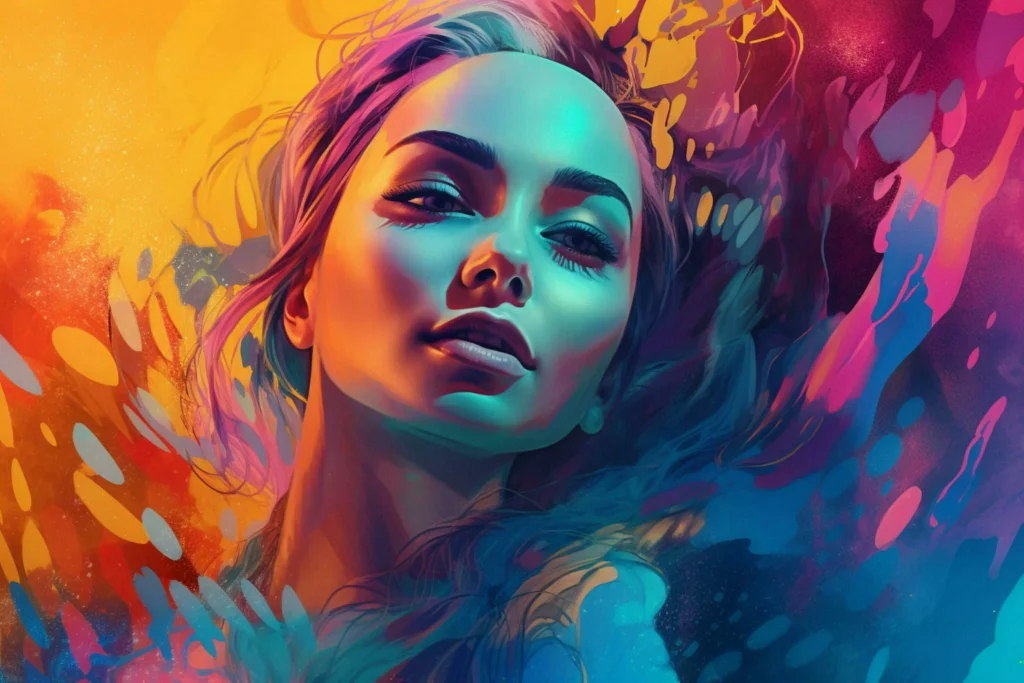
Exploring the New Dimensions of Creativity
The collision of art and technology has spawned a vibrant ecosystem where creativity thrives in unprecedented ways. As the tools available to artists evolve, so too do their methods of expression. Digital platforms are not only facilitating the creation of art but also redefining what it means to be an artist in today’s context. This evolution raises important questions about authenticity, accessibility, and the future of art itself.
At the heart of this transformation is the idea of accessibility. No longer confined to conventional spaces, artists can share their unique narratives and perspectives with just a few clicks. This shift is particularly significant for marginalized communities, where voices that were once stifled can now flourish in online contexts. For example, platforms like TikTok have created a space where visual artists can showcase their talents in short-form videos, merging their art with storytelling and reaching diverse audiences across the globe.
The Expanding Palette of Digital Art
Alongside increased accessibility, digital tools have expanded the very mediums through which artists express themselves. The rise of software such as Blender for 3D modeling or Adobe After Effects for animation has revolutionized artistic workflows, allowing creators to blend traditional techniques with cutting-edge technology. Artists today are not limited to canvas or film; they are diving into realms such as interactive installations, generative art, and even NFTs (non-fungible tokens) that challenge conventional ownership concepts in the digital realm.
- Visual Artists: Utilizing applications like Procreate, artists are creating intricate illustrations directly on tablets, blurring the lines between digital and traditional artistry.
- Musicians: With tools like Ableton Live and FL Studio, composers are able to experiment with sounds in ways that were once only limited to professional studios.
- Filmmakers: Editing software such as Adobe Premiere Pro allows filmmakers to employ complex techniques, crafting narratives that captivate modern audiences.
Moreover, the techniques being developed under this digital umbrella also include AI-driven art, where algorithms learn from existing works to produce unique pieces that raise discussions about originality and authorship. Artists are adapting rapidly, leveraging these tools not just as aids in their process but as integral components of their creative identity.
Changing Experiences for Audiences
The impact of technology on art transcends the creation process, fundamentally reshaping how audiences encounter and interact with artistic creations. Virtual and augmented reality are offering experiences that propel viewers from passive observation to active participation. Art installations that require audience interaction, such as those prevalent in exhibits like the immersive “The Infinity Room” by teamLab, redefine viewer engagement by compelling them to become part of the artistic experience.
This embrace of technology is not merely a trend; it is a testament to the evolving nature of art in a fast-paced digital landscape. Understanding this profound relationship between art and technology invites us to reassess the roles of artists and audiences alike, driving deeper connections and appreciation for creativity in today’s world.
Exploring the Intersection of Art and Technology
As we dive deeper into the transformative relationship between art and technology, it is essential to recognize how digital tools are enriching the creative landscape. Artists today have unprecedented access to a myriad of digital mediums, making it easier to experiment and innovate. Technologies such as virtual reality (VR), augmented reality (AR), and artificial intelligence (AI) are not only expanding artistic possibilities but also redefining the very essence of creativity.For instance, VR allows artists to create immersive environments where audiences can engage with art in ways that were previously unimaginable. These virtual experiences invite viewers to step inside a digital canvas, fostering a deeper emotional connection and participatory engagement. AR, on the other hand, enhances real-world environments with digital overlays, offering a unique platform for artists to interact with their audience in everyday spaces.Artificial intelligence plays a pivotal role in generating new forms of artistic expression. AI-powered software can analyze vast amounts of data to produce artworks, compositions, and even literature, challenging traditional notions of authorship. This technology empowers artists to collaborate with machines, creating an entirely new paradigm in the creative process.Moreover, digital platforms have democratized access to art-making tools, allowing anyone with a smartphone to become a creative. Applications designed for drawing, music production, and video editing provide users with professional-level features at their fingertips. As a result, the barriers to entry have decreased, enabling a newfound wave of self-expression and artistic exploration among diverse communities.In addition, social media platforms serve as amplifiers for emerging artists, enabling widespread sharing and visibility. This connectivity allows artists to network and collaborate, leading to a fusion of ideas and styles that reflect a global perspective. The intertwining of art and technology cultivates an environment where creativity thrives, inspiring a generation of innovators who challenge traditional boundaries.As we continue to explore the implications of technology on artistic practices, it becomes evident that the fusion of art and digital tools holds immense potential for future discovery and expression. The journey into this vibrant intersection promises to redefine the narrative of creativity in the digital age, inviting enthusiasts and professionals alike to engage in a conversation about the evolving landscape of artistic endeavor.
| Category 1 | Category 2 |
|---|---|
| Emerging Technologies | Utilizing VR and AR to create immersive art experiences. |
| AI Art Generation | Machine collaboration leads to unique artistic outputs. |
| Digital Platforms | Accessibility of creative tools for broader self-expression. |
| Social Media Impact | Facilitating artist networks and collaborative creations. |
DISCOVER MORE: Click here to learn about the impact of craft materials on children’s skills
The Interplay of Community and Collaboration
In an era where isolation can feel all too common, technology is fostering dynamic communities that encourage collaboration among artists across geographical boundaries. Social media platforms such as Instagram and Behance allow creators to not only showcase their work but also connect with fellow artists, critics, and art enthusiasts. This interconnectedness has opened avenues for collaborative projects that transcend individualistic expressions, leading to innovative outcomes that may not have been possible in more traditional settings.
Collaboration tools such as Google Docs and Miro facilitate real-time brainstorming and conceptual development across continents. Artists can co-create illustrations, music, or multimedia projects without ever being in the same physical space. The result is a melting pot of ideas, styles, and cultural backgrounds that enrich the art-making process. For instance, the success of collaborative online exhibitions during the pandemic illustrates the power of digital tools in uniting creative minds. Projects like the “Art of Lockdown” on Instagram featured artists from various backgrounds sharing their responses to the pandemic, ultimately weaving together a rich tapestry of artistic expression.
Art Education and Digital Tools
The impact of technology on art also extends into the realm of education. Artists of all experience levels now have access to a wealth of online resources that previously may have been limited. Platforms such as Skillshare and MasterClass provide structured lessons from experienced artists, enabling learners to dive into new techniques, styles, and applications without the confines of traditional institutions. Additionally, online forums and YouTube channels dedicated to tutorials have democratized access to learning, allowing anyone with an internet connection to explore their creativity.
These resources not only empower budding artists to hone their skills but also foster a culture of lifelong learning among established creators. For example, established visual artists may explore digital painting for the first time, discovering entirely new avenues for self-expression amidst the ever-evolving digital landscape.
Art in the Age of Data
Furthermore, the integration of data in the creation of art is emerging as a groundbreaking frontier. Artists are utilizing big data analytics to inform their artwork, harnessing algorithms to analyze patterns and trends that shape societal viewpoints. This juxtaposition of data and creativity offers profound insight into humanity, as seen in projects that visualize climate change statistics or social media sentiment analysis.
Art institutions and galleries are increasingly incorporating data-driven installations that engage the audience in thought-provoking ways. For instance, the “Data Explorer” exhibit in New York City intertwined statistics about urban living with interactive art, prompting viewers to reflect on the implications of their digital footprints. Artists are discovering that data is not just a tool for analysis but a rich source of inspiration that challenges traditional boundaries of what art can be.
In this digital age, the very definition of creativity is evolving; it now encompasses not just the act of making art but also the myriad ways that technology influences our perceptions and interactions. As artists continue to harness the power of digital tools, the landscape of personal expression will undeniably shift, inviting a new generation of creators and audiences to engage with art in ways previously unimaginable.
DISCOVER MORE: Click here to delve into the impact of social media on creative hobbies
Conclusion: The Future of Art in a Digital World
As we navigate the landscape of art and technology, it becomes increasingly clear that digital tools are not merely redefining how art is created; they are transforming the very notion of creativity and personal expression. The fusion of artistic vision with technological advancements is creating a vibrant ecosystem where diverse voices can thrive and collaborate. From the ability to connect with global communities to the wealth of educational resources available online, the barriers once limiting artistic participation are eroding.
The resurgence of collaborative projects showcases the limitless potential of artists coming together regardless of boundaries. Similarly, the incorporation of data into artistic practices shows that even numbers and trends can become a canvas for profound storytelling, further blurring the lines between art and what we can measure. This paradigm shift invites us to reflect on the broader implications of our digital existence—how our interactions shape both our art and our world.
Moreover, as art educators harness digital platforms to democratize learning, a new generation of artists is empowered to explore unconventional mediums and styles, leading to innovative expressions of identity and conscience. This ongoing evolution raises crucial questions about the future of artistry: How will technology continue to inform and inspire? What new stories will emerge from the creative collisions of cultures and ideas?
In conclusion, as we witness the integration of technology into the art world, it serves as a reminder that creativity is an ever-evolving journey. As the tools we use develop, so too will the forms of expression we cherish. The digital age is not an end but rather a new beginning—one that invites deeper exploration and a renewed appreciation for creativity in all its multifaceted glory.