Art as a Form of Activism: Artistic Expression in Social Movements and its Influence on Cultural Change
The Role of Artistic Expression in Social Movements
Throughout history, art has been a powerful tool for social change. From murals to music, artistic expression has galvanized movements, fueled protests, and conveyed messages that resonate deeply within society. Whether through visual art, performance, or literature, artists have transformed their creative platforms into stages for activism. These artistic expressions engage audiences, elicit emotions, and inspire action, making them integral components of societal progress.
Graffiti and Street Art: Artists like Banksy have revolutionized the art world by using public spaces to challenge societal norms and raise awareness of pressing issues. Banksy’s iconic works often critique government actions and consumer culture, such as his piece “Girl with a Balloon,” which serves as a poignant reminder of fleeting hope amidst despair. Street art often democratizes art, making it accessible to all and prompting public discourse on themes like poverty, police brutality, and immigration. Cities like Philadelphia and Los Angeles have turned their streets into open-air galleries, where community voices can be amplified through visual storytelling.
Music: Genres such as hip-hop and folk have long been vehicles for social commentary and resistance. Artists like Kendrick Lamar and Bob Dylan have used lyrics to address systemic racism, economic disparity, and social justice. For instance, Lamar’s “Alright” became an anthem during the Black Lives Matter protests, encapsulating a message of resilience and hope. Folk music, with its roots in activism, has historically rallied people around causes, such as Pete Seeger’s involvement in civil rights and anti-war movements. Music, in its rhythmic and emotional appeal, mobilizes people, fostering a sense of community and urging collective action.
Performance Art: Pioneering artists like Marina Abramović create immersive experiences that compel audiences to confront challenging social issues. Through her work “The Artist is Present,” Abramović invites viewers to engage in a silent dialogue, revealing the power of human connection and emotional vulnerability. Performance art often transcends traditional forms, blurring the lines between the artist and the audience, thereby fostering a communal response to social injustices. For example, the work of groups such as The Guerrilla Girls utilizes provocative performances to unveil the gender and racial disparities in the art world, igniting conversations about equality and representation.
Beyond individual movements, art has become a unifying force in larger social paradigms. In various social movements, such as Black Lives Matter and climate activism, art has played a crucial role. Murals honoring victims of police violence adorn neighborhoods, while climate-themed installations raise awareness of environmental degradation, demonstrating that creativity can ignite a fire within the quest for equality and justice.
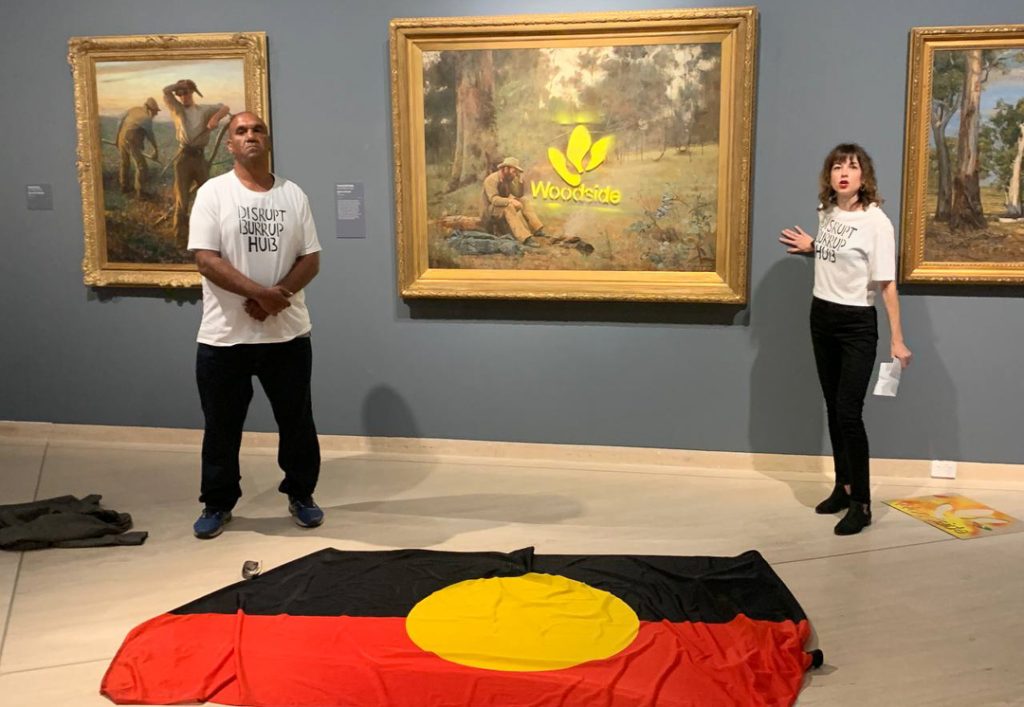
As we explore the synergy between art and activism, we uncover the profound influence of creative expressions on society. Artists do not only document history; they shape it, influencing perceptions and driving cultural shifts. Art challenges us to reflect, engage, and act in support of a more equitable world. Join us on a journey to understand how art continues to challenge perceptions and shape the cultural landscape.
DISCOVER MORE: Click here to learn about the intersection of arts
Epicenters of Creative Resistance
Artistic expression serves as a vibrant heartbeat within social movements, often emerging as a crucial element in driving cultural change. As society confronts issues of inequality, injustice, and oppression, artists rise to the occasion, wielding their creativity not just as a form of personal expression, but as a catalyst for collective action. By examining various art forms in social movements across the United States, we can begin to understand their profound impact on society and culture.
Visual Art as Protest: The power of visual art in shaping narrative cannot be overstated. Street artists and muralists often take to urban landscapes to create striking visuals that resonate with the community’s struggles and aspirations. The mural movement – a testament to this phenomenon – has developed in cities across the U.S., including Chicago and San Francisco. These walls, peppered with images and texts, not only beautify public spaces but also serve as a form of public protest against social issues such as racial violence, police brutality, and gentrification. Artists like Diego Rivera and Shephard Fairey have utilized their murals as powerful social commentaries, inviting viewers to ponder the complexities of their environment deeply.
For example, the iconic mural “The Wall of Respect” in Chicago, created in the late 1960s, celebrated Black culture and became a rallying point for the civil rights movement. These artistic endeavors transform mundane walls into canvases of resistance, igniting dialogues about marginalized experiences.
Photography: Documenting Reality: Beyond visual art, photography has emerged as a critical instrument in documenting social injustices and human experiences. Photojournalists and activists often employ this medium to visually convey the harsh realities faced by communities. For instance, the Photographing Black America project captures contemporary life for Black Americans, exposing systemic racial issues while promoting awareness. Similarly, the impactful images from events such as the Women’s March and LGBTQ+ Pride demonstrate the ability of photography to highlight solidarity and activism.
Moreover, platforms like Instagram and social media can amplify these powerful images, unleashing them into global conversations. Candid photographs, videos, and personal stories can reach millions, fostering cross-cultural solidarity and raising awareness regarding social issues that may otherwise go unseen.
Interdisciplinary Collaborations: Art as activism is often not confined to a single medium; rather, it emerges from interdisciplinary collaborations that cross-pollinate ideas and ignite enthusiasm. As seen in events like the Artivism for Change in New York, artists, activists, and community members converge to create performances that encapsulate diverse perspectives on critical issues. These collaborations often pave the way for new art forms that resonate with a broader audience.
One such collaboration is the intersection of art and technology, with projects that utilize virtual reality and digital media to create immersive experiences. These unique presentations challenge audiences, offering them a chance to engage with social issues in ways that traditional forms of art may not achieve.
In light of these explorations, it becomes apparent that artistic expression is more than mere aesthetics; it is a profound form of activism that can spur conversations, shift cultural paradigms, and inspire movements toward justice. The synergy between art and activism allows society to confront uncomfortable truths while simultaneously imagining a fairer, more equitable future. As we continue to delve into this dynamic relationship, we uncover stories of resilience and creativity that define social movements across the nation.
| Advantage | Impact on Society |
|---|---|
| Amplification of Voices | Art allows underrepresented communities to express their stories, amplifying their struggles and demands. |
| Emotional Engagement | Through visual arts, music, and performance, activism evokes emotional responses and fosters empathy towards social issues. |
| Catalyst for Change | Artistic expressions serve as calls to action, inspiring movements and encouraging community involvement. |
| Cultural Transformation | Art influences perceptions and shifts cultural narratives, opening dialogues on critical issues like social justice. |
Art as a form of activism plays a crucial role in shaping public consciousness. It transcends traditional communication, offering a unique lens through which social movements convey their messages. The infusion of creativity into advocacy not only garners attention but also strengthens the community bonds that are essential for sustainable change. As we navigate through contemporary issues such as climate change, racial inequality, and human rights, artists have become pivotal figures in articulating the urgent narratives that demand societal shifts. Through murals, performances, and digital media, they harness their talents to challenge norms, provoke thought, and foster dialogue among diverse audiences. These expressions of dissent are not merely aesthetic; they create spaces for collective reflection, allowing individuals to see their experiences represented in a broader cultural context. The art produced in these movements often becomes iconic, carving a permanent imprint on the collective memory and inspiring future generations to engage with pressing social challenges creatively. Artistic activism empowers individuals to visualise the possibilities of social change, encouraging everyone to partake in the ongoing pursuit of justice and equity. As the landscapes of art and activism converge, they continue to redefine the narrative that binds us together as a society.
DISCOVER MORE: Click here for DIY party ideas
Performative Activism: The Art of Engagement
The realm of performative art has steadily emerged as a dynamic avenue for activism, inviting audiences to participate actively in creative expressions that demand social change. Theater, dance, and live performances have proven effective for activists, as they immerse viewers in narratives that resonate emotionally and intellectually. This engagement fosters deeper connections to social movements, ensuring that the message lingers long after the performance ends.
Community Theater: Grassroots movements have utilized community theater as a platform to articulate local issues. For instance, the New York City-based organization, Theater of the Oppressed employs theatrical techniques to encourage dialogue about injustices like poverty, racism, and gender inequality. By transforming participants into actors and audience members into collaborators, this form of theater empowers individuals to share their stories while pursuing collective change. In turn, these performances create an open space for discussion, reflection, and activism, demonstrating the interconnectedness of personal experiences and broader social narratives.
Dance as Resistance: Dance, too, acts as a powerful tool for activism. This expressive form transcends language, enabling dancers to convey complex emotions and social critiques through movement. The Black Lives Matter movement has inspired choreographers to produce works that speak to racial injustice, bringing diverse communities together through collective expression. Artistic collectives, such as the Urban Bush Women, use dance to highlight African American culture and address social disparities, engaging audiences in dialogues about race and identity. Performances evoke empathy, compelling spectators to examine their biases while encouraging solidarity in the face of oppression.
Music and Protest: Music stands as a cornerstone of social movements, acting as both a rallying cry and a means of unification. Protest songs have been instrumental throughout American history, from the civil rights era’s “We Shall Overcome” to contemporary anthems like Childish Gambino’s “This Is America,” which reflects complexities surrounding systemic racism. Musicians often leverage their platforms to amplify societal issues, challenging the status quo and mobilizing listeners toward collective action. Festivals and concerts, particularly those geared toward activism, can gather thousands, creating a sense of community and purpose among attendees.
Furthermore, social media has transformed how music is disseminated, making songs of protest rapidly accessible. Streaming platforms like Spotify and platforms such as TikTok foster viral awareness on social issues, enabling artists to engage with their audiences directly and create movements around their narratives.
The Role of Public Performance: The visibility of public performance art also plays a significant role in activism. Events such as flash mobs and spontaneous art installations provide surprising moments of engagement that captivate bystanders, inviting them to reflect on pressing societal issues. Artists like Hans Haacke and Marina Abramović have utilized their public performances to provoke thought, challenge preconceptions, and invite interaction, transforming everyday spaces into stages for social commentary.
The resulting effect is a heightened awareness of social and political issues that may otherwise remain benign to many. Public performances encourage observers to question societal norms as they witness creativity interwoven with activism in real time.
Artistic expression in its various forms—whether through community theater, dance, music, or public performance—acts as a profound means of engaging society with pertinent issues. It propels conversations, strengthens movements, and continues to redefine cultural narratives in the face of injustice, inspiring untold numbers to envision and pursue a future that aligns with their aspirations for equality and social justice.
DIVE DEEPER: Click here to unleash your culinary creativity
Conclusion: The Transformative Power of Art in Activism
In examining the intersection of art and activism, it is evident that artistic expression serves not merely as a reflection of social movements but as a potent catalyst for cultural change. The various forms of creative engagement—ranging from community theater and dance to music and public performance—illuminate societal issues in ways that are both evocative and accessible. These art forms transcend traditional boundaries, fostering conversations that compel individuals to confront injustices and envision collective solutions.
Moreover, the integration of technology, particularly social media, has expanded the reach of artistic activism, allowing messages to resonate across diverse communities and demographics. As platforms like TikTok and streaming services amplify protest songs and performances, artists can mobilize audiences globally, creating a unified front in the pursuit of equality and justice.
The implications are profound; art not only enriches cultural landscapes but also shapes public discourse and cultivates empathy. By challenging the status quo through creativity, artists encourage individuals to examine their roles within systemic power structures and to actively participate in social change. As we navigate an increasingly complex world, the role of art as a form of activism could not be more crucial. It inspires hope and resilience, turning the act of creation into a powerful agent for societal transformation. Through art, we are reminded that we are not merely passive observers of change but pivotal actors who can influence the trajectory of our communities and the world at large.