Artistic Expression Boosting Mental Health Through Creative Therapy
Unlocking the Power of Creativity
Artistic expression plays a vital role in nurturing mental wellness. Beyond leisure, creative endeavors like painting, writing, and music offer a rich tapestry of benefits that enhance emotional health. Delving into these hobbies is akin to embarking on a journey toward self-discovery and personal growth. By engaging in art, individuals gain therapeutic benefits that often transcend traditional therapeutic methods.
The Connection Between Creativity and Mental Resilience
Research highlights a compelling link between creativity and improved mental resilience. People who immerse themselves in creative pursuits often report lower levels of anxiety and depression. Engaging in these activities can serve as a mental health booster, offering individuals new ways to express complex emotions and experiences that may otherwise be difficult to verbalize. This form of expression functions as a release, providing clarity and peace.
Top 5 Creative Hobbies for Mental Health
In this article, we will explore the Top 5 creative hobbies proven to boost mental health. Each of these activities fosters personal expression and serves as an effective form of therapy. They encourage individuals to tap into their creative potential, forming deep connections between mind and spirit.
- Painting: Through colors and brushstrokes, painting offers a dynamic and visual form of expression that can unveil inner emotions.
- Writing: Whether journaling or composing fiction, writing provides a reflective and narrative outlet for processing thoughts and experiences.
- Music: Creating or listening to music helps individuals articulate feelings and connect with others on an emotional level.
- Dancing: This physical and expressive activity allows for the release of emotional tension and boosts endorphins.
- Crafting: Engaging in crafts like knitting or sculpting can induce a soothing meditative state, reinforcing mindfulness.
Each of these creative outlets provides a route to improving mental well-being, opening doors to self-expression, and encouraging exploration of one’s artistic capacities. By incorporating them into daily life, you may find a path to enhanced emotional health and a greater understanding of yourself. The potential of creativity as a tool for mental wellness is a field ripe for exploration, inviting further investigation and personal experimentation.
Top 5: The Importance of Artistic Expression in Mental Health: How Creativity Can Serve as Therapy
In today’s fast-paced world, where mental health concerns are becoming increasingly prevalent, the bridge between artistic expression and psychological well-being has caught the attention of both researchers and individuals seeking improvement in their mental state. As understanding grows, there is a focus on how stimulating creative endeavors can significantly enhance one’s quality of life. Numerous studies have concluded that engaging in artistic activities such as painting, writing, or dancing can lead to enhanced emotional well-being and a reduction in anxiety and depression. This article delves into the top five ways artistic expression enriches mental health, offering insights into its transformative power.
5. Emotional Regulation
Artistic expression provides a unique avenue for emotional regulation, often serving as a non-verbal tool for individuals to process complex emotions. Unlike conventional communication, art allows individuals to express feelings without uttering a single word. Activities such as painting, sculpting, or music can become a sanctuary where emotions are explored without judgment.
The psychological framework behind this suggests that creating art allows the brain to process emotions in a way that verbal exchanges may not. By engaging in artistic pursuits, individuals often experience an emotional release, akin to journaling, but in a visual or auditory format. For example, someone feeling overwhelmed might find solace in the repetitive motion of brushing paint across a canvas or the rhythmic strumming of a guitar. This mechanism helps in deciphering and controlling their emotional responses, ultimately leading to better mental equilibrium.
4. Stress Reduction
The fast-paced nature of modern life contributes heavily to elevated stress levels. Artistic activities can become a haven for stress reduction, offering a retreat for the mind. Studies have shown that engaging in creative hobbies such as knitting, pottery, or digital design can lower cortisol levels, the hormone associated with stress.
These activities require concentration and focus, drawing individuals into a state of “flow” where worries fade into the background. The concept of flow, identified by psychologist Mihály Csíkszentmihályi, highlights the intrinsic joy and time-altering nature of a deeply engaged mind. Crafting, for example, demands a precision that occupies the mind fully, pushing intrusive thoughts aside and fostering a meditative state of relaxation. Even just 30 minutes a day dedicated to such activities can significantly impact mental health, promoting a more tranquil existence.
3. Building Self-Confidence
Developing self-assurance through artistic expression often involves discovering untapped abilities and nurtures a sense of accomplishment. By engaging in creative undertakings, individuals can greatly enhance their self-confidence. Every finished piece of artwork or completed musical piece serves as a testament to their capabilities, reinforcing self-belief.
For instance, someone venturing into photography may initially work through trial and error but eventually develops a style that brings forth a sense of pride. Sharing their work with peers or within online communities can lead to constructive feedback, transforming art from a solitary endeavor into a shareable, confidence-boosting experience. Over time, this positive reinforcement cultivates resilience, proving to individuals that they can learn and master new skills.
2. Social Connection
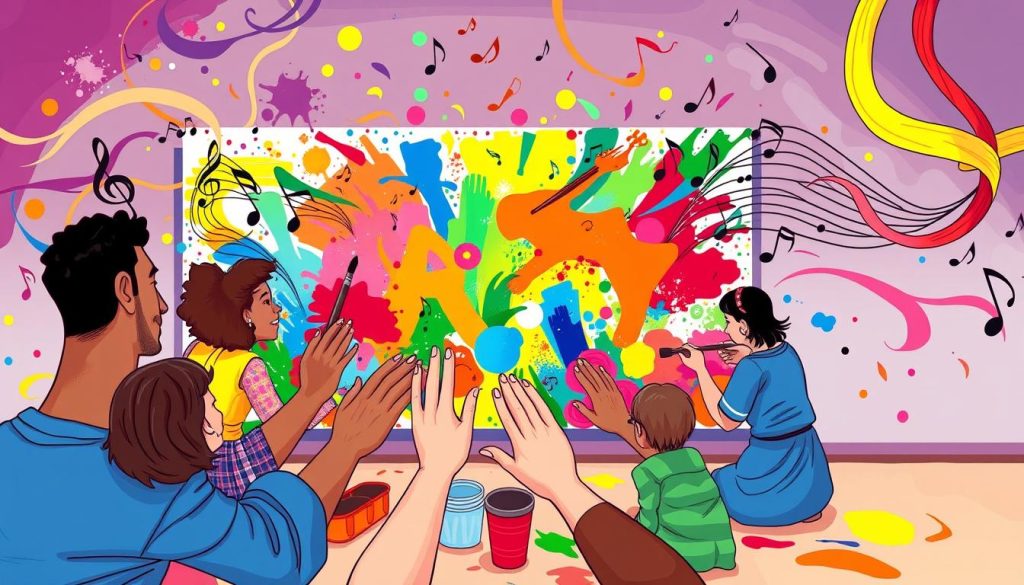
The benefits of art extend beyond the solitary experience, contributing significantly to social connections. Art often serves as a bridge to community engagement, combating isolation by encouraging interpersonal interactions. Group activities like choir singing or collaborative mural projects create environments ripe for establishing bonds among participants.
Involvement in community art classes or clubs offers not only skill development but also companionship found through shared interests. These collective artistic endeavors provide platforms where people can gather, converse, and support one another. For individuals facing loneliness or exclusion, these groups represent a lifeline to social inclusion and comfort. Furthermore, exhibiting artworks in galleries or sharing performances on social media can foster dialogues with a wider audience, expanding one’s social circle and communal support network.
1. Therapeutic Benefits
At the pinnacle of our list are the profound therapeutic benefits associated with artistic expression. As a significant avenue for self-exploration, art therapy has gained recognition for its efficacy in addressing mental health disorders such as depression, anxiety, and PTSD. It provides a safe, non-invasive medium for individuals to confront and process experiences and emotions.
Different forms of art therapy cater to various personal needs, such as the use of visual art to uncover underlying issues or music therapy to express emotions. For example, trauma victims might find relief in art therapy sessions, where creating visual expressions of their experiences leads to partial detachment from trauma, facilitating healing. This approach is notably inclusive because it allows participation regardless of individuals’ verbal capabilities or readiness to discuss their struggles.
The therapeutic impact of art lies in its ability to facilitate self-reflection and emotional healing. It gives a voice to the unspeakable, allowing individuals to articulate pain and hope. Therefore, integrating art into therapy plans can be instrumental in bringing about mental clarity and peace, acting as a crucial aid in recovery journeys.
In conclusion, artistic expression’s role in enhancing mental health cannot be underestimated. Its wide-ranging benefits encompass emotional regulation, stress alleviation, confidence building, fostering social connections, and therapeutic healing, ultimately leading to enriched lives. As society continues to grapple with mental health challenges, adopting and encouraging creativity can serve as a vital strategy for personal and communal well-being.
| Category | Description |
|---|---|
| Therapeutic Benefits | Artistic expression allows individuals to convey emotions that might be difficult to articulate verbally. Engaging in creative activities can reduce levels of anxiety and depression, enabling a healthier mental state. |
| Personal Growth | Exploring artistic pursuits can lead to significant self-discovery and personal insight. As individuals experiment with their creativity, they identify their values, desires, and even unresolved personal issues, which can be crucial for growth. |
| Community and Connection | Participating in artistic activities often fosters a sense of belonging and community. This shared experience with others can combat feelings of isolation, providing social support and enhancing emotional well-being. |
| Stress Relief | Engaging in creative processes can serve as a powerful stress reliever. The act of creating diverts attention away from daily pressures, allowing individuals to unwind and process feelings in a constructive manner. |
Artistic expression plays a multifaceted role in enhancing mental health, acting not only as a medium of personal expression but also facilitating therapeutic processes that aid in healing from psychological struggles. Art’s ability to offer a voice to the unspeakable pain or joy one feels underscores its value as a therapeutic tool, making it an essential component in mental health strategies. Active participation in the arts— whether it’s painting, writing, music, or dance—holds profound implications for emotional regulation and stability. When individuals immerse themselves in these activities, they are granted a safe space to process their thoughts and feelings. Research highlights that structured creativity, combined with reflective practices, can lead to significant reductions in stress and improve coping mechanisms.Moreover, artistic endeavors ignite personal growth and enhance self-esteem. They confront one’s vulnerabilities, transforming challenges into creativity-rich narratives. This positive transformation is pivotal in fostering resilience, where individuals learn to embrace their flaws and utilize them as a canvas for art rather than shame.The community aspect of artistic expression cannot be overlooked. Engagement in artistic groups or workshops fosters connection and empathy, attributes that are critical for healing. Such settings offer participants an opportunity to see that they are not alone in their experiences, thereby cultivating solidarity and a shared journey of emotional exploration.Lastly, the stress-relief benefits of artistic activities are well-documented. These creative outlets encourage mindfulness and immersion, which distract the mind from negative thought patterns and promote a more joyful, present-focused perspective. As the body becomes engaged in the creative process, mental burdens can be eased, highlighting why the link between creativity and mental wellness is increasingly emphasized in therapeutic practices.
Frequently Asked Questions about Artistic Expression and Mental Health
How does artistic expression contribute to mental well-being?
Artistic expression plays a significant role in mental well-being by providing a safe outlet for individuals to explore and process their emotions. Engaging in creative activities can lead to a reduction in stress levels and serve as a medium for self-reflection. Strongly backed by various studies, the release of endorphins during creative activities is shown to foster a sense of achievement and satisfaction, which are crucial for mental health.
Can art therapy be effective for everyone?
Art therapy can be beneficial for a wide range of people, including those who might struggle with verbal communication. However, its effectiveness can vary based on each individual’s openness to creative processes and their personal preferences. While some might find therapeutic value in painting or music, others might prefer different forms of artistic expression, such as dance or writing. The important factor is finding the right form of expression that resonates with the person.
What are some different forms of artistic expression used in therapy?
Art therapy encompasses diverse forms of artistic expression, each catering to different therapeutic needs. Common forms include visual arts, such as painting and sculpture, which allow individuals to convey emotions through colors and shapes. Music therapy utilizes rhythm and sound to enhance emotional well-being. Additionally, drama therapy and dance/movement therapy enable participants to embody stories or emotions physically, facilitating a deeper connection with their feelings.
Is there scientific evidence supporting the benefits of art therapy?
Numerous studies have demonstrated the positive impact of art therapy on mental health. For example, research published in psychology journals has documented improvements in PTSD symptoms, anxiety, and depression through regular engagement in artistic activities. Furthermore, neuroscience research highlights that engaging in creative tasks can stimulate brain regions associated with memory, attention, and emotional processing, providing a neurobiological basis for the benefits observed in art therapy.
Conclusion: The Therapeutic Power of Artistic Expression
In an increasingly complex world, the quest for mental well-being has become paramount. This article has explored the profound impact of artistic expression on mental health, emphasizing how creativity can serve not only as an outlet for emotions but as an essential therapeutic tool. Through engaging in creative hobbies, individuals can experience substantial improvements in their mental state, gaining insights into their emotional landscapes.
The Healing Process of Creativity
Creative activities such as painting, writing, dancing, and music have been shown to foster personal introspection and emotional expression. As outlined earlier, the therapeutic effects of these activities stem from their ability to encourage mindfulness, provide a sense of achievement, and cultivate resilience. The article highlighted numerous studies demonstrating that art therapy can significantly reduce anxiety, depression, and stress levels, offering a non-invasive alternative to traditional therapeutic approaches.
Reinforcing Importance
As we have seen, the connection between artistic expression and mental health is not merely anecdotal. Scientific research underscores the value of creativity as a therapeutic mechanism, providing individuals with tools to navigate the complexities of their emotions. By incorporating artistic activities into daily routines, people can foster a healthier mental environment, encouraging both personal growth and emotional well-being.
In conclusion, the role of creativity in mental health should not be underestimated. Artistic expression is more than a pastime; it is a powerful instrument that affords individuals the opportunity to heal, explore, and discover. As awareness of its benefits grows, art therapy must be recognized as a vital component in the holistic approach to mental health care. This information invites further exploration, urging more people to discover the transformative power of creativity in enhancing their quality of life.