Artistic Expression Evolves How Social Media Transforms Creative Hobbies
In today’s digital age, the way we engage with art and creativity is undergoing a significant transformation. Social media platforms have emerged as powerful tools that amplify creative expression while also fostering communities of like-minded individuals. This evolution has not only democratized artistic practices but also reshaped how hobbies are perceived and pursued.
As millions flock to platforms like Instagram, TikTok, and Pinterest, the visibility of creative endeavors has skyrocketed, allowing artists from all backgrounds to share their work and inspiration. Some key points to consider are:
- Widespread Access: Anyone with an internet connection can showcase their talents.
- Collaborative Opportunities: Artists can connect, collaborate, and learn from each other across borders.
- Learning Resources: Tutorials and workshops are readily available to enhance skills.
This article will explore the top 5 ways in which social media is transforming creative hobbies, revealing the surprising impacts these platforms have on artistic expression.
Top 5: The Evolution of Artistic Expression on Social Media
How Digital Platforms are Transforming Creative Hobbies
In the vibrant landscape of the digital era, social media platforms have become indispensable connectors for artists and hobbyists alike. Once confined to the intimate space of galleries and private studios, artistic expression is now thriving on the virtual stages of the internet. Each platform today serves as a unique canvas, mirroring the varied behaviors, cultures, and interactions of modern creators. Here, we delve into the top five ways in which digital platforms have revolutionized creative hobbies, forever altering the landscape of art itself.
5. Accessible Showcase of Talent
Perhaps one of the most significant transformations brought about by social media is the democratization of art. No longer tethered by geography or access to traditional pathways, artists can now share their work with a global audience with just a few taps on their devices. This accessible showcase means that:
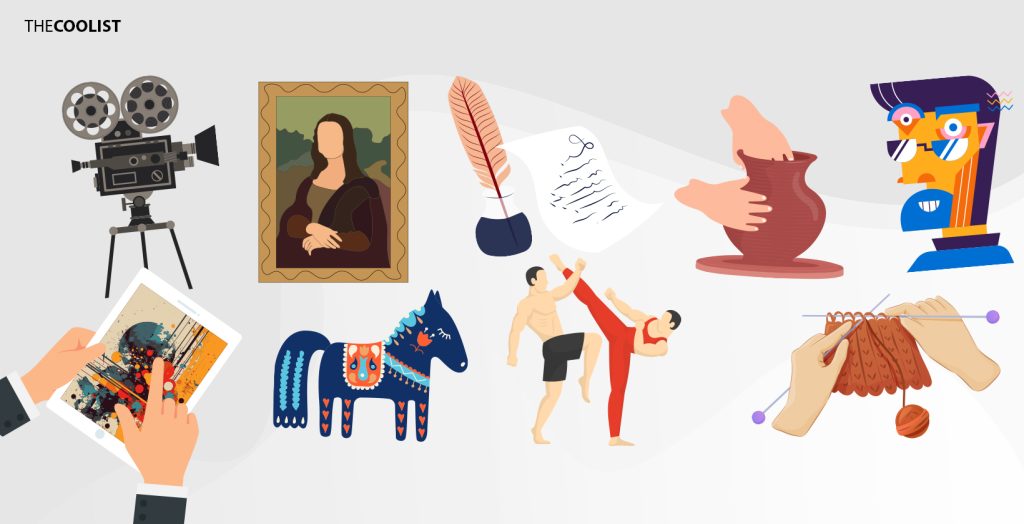
- Emerging artists who once struggled to find representation in traditional galleries now have a stage free of intermediaries. Take the example of Kelsey Montague, who gained fame by pairing murals with interactive social media campaigns, illustrating how vibrant art can go viral, reaching audiences far beyond local bounds.
- Creative hobbyists, from amateur painters to budding photographers, can connect with like-minded individuals across continents, forming supportive communities that promote growth and solidarity. The knitting community on platforms like Ravelry exemplifies this, where creatives share patterns and inspiration globally.
- Feedback is instant and global, allowing artists to gain insights and improve. This immediacy was unheard of before, offering an invaluable tool for self-improvement and innovation.
Platforms such as Instagram and TikTok become stages where visual and performance arts flourish. In this interconnected world, aspiring creators are no longer bound by limitations of locale or traditional career paths.
4. Collaborative Opportunities
Social media has become a fertile ground for collaboration among artists, leading to exciting, innovative projects that might not have been possible in a pre-digital age. The ability to connect with creatives worldwide opens a vast realm of possibilities and innovations. Such collaborations lead to:
- Crossover projects, where artists oftentimes from disparate fields—such as visual arts and music—join forces, creating interdisciplinary works that redefine art forms. For instance, the interaction between DJ Marshmello and digital artists creating immersive online experiences demonstrates these creative synergies.
- The rise of online challenges: thematic prompts encourage creators to push their boundaries. Monthly art challenges like Inktober unite artists worldwide under a common theme, providing a platform for mutual inspiration and growth.
- Expanded networking opportunities that can result in career-defining outcomes such as exhibitions or other professional engagements. Artists collaborate in virtual spaces, leading to offline success.
This global connection isn’t merely confined to sharing ideas but frequently leads to significant artistic breakthroughs that challenge and reshape existing genres and styles.
3. Diverse Artistic Mediums
The wealth of content formats offered by social media platforms creates a fertile ground for exploration and reinvention of artistic mediums. Today’s artists experiment across various styles, enjoying unprecedented freedom to engage with any form of expression—from painting and digital art to video creation and photography. This diversity fosters an environment where:
- Experimentation thrives, encouraging artists to transgress traditional boundaries and try new techniques and methodologies. Visual artist David Hockney transitioned into digital art using iPads, showcasing the endless possibilities these tools present.
- Hybrid forms of artwork emerge, integrating different disciplines into cohesive wholes that push the boundaries of creativity.
- Unique voices and stories come to the fore, representing myriad backgrounds and cultural histories, bringing a truly global perspective.
The abundant tools and interactive platforms enable both hobbyists and professionals to thrive in a rich, multimedia landscape.
2. Direct Engagement with Audiences
Social media transcends traditional forms of art promotion by enabling direct interaction between artists and their audiences. This direct communication fosters a deeper connection, bound by immediacy and authenticity. Artists benefit from this engagement in several transformative ways:
- By crafting and conveying their narratives, building a personal brand becomes a seamless task. Stories and value can be communicated directly without intermediaries.
- An artist can solicit audience input for projects, creating a sense of community ownership and engagement among fans.
- The possibility of real-time feedback allows artists to swiftly adapt and evolve their work, enhancing their artistic process with each post and interaction.
Through tools such as polls, Q&A sessions, and live streams, artists engage directly with their audience, making them integral parts of the artistic journey.
1. The Hyper-Speed of Trends and Virality
At the pinnacle of this transformative landscape is the impact of trends and virality on creative hobbies. Social media amplifies the speed at which trends spread, fundamentally transforming how art is created and perceived. This phenomenon allows artists to:
- Capitalize on trending topics and themes, ensuring their work remains relevant and connected to current culture. Artists are constantly inspired by cultural shifts and emerging trends, enriching their creations with contemporary relevance.
- Experience rapid exposure, wherein algorithms promote trending content that can result in artists gaining overnight fame and recognition. The “Instagram effect” has heralded careers of influencers and photographers alike.
- Adapt quickly to the cultural zeitgeist, blending styles and inspirations to cultivate dynamic and eclectic works.
The instant gratification of likes, shares, and comments serves as both motivation and validation, pushing artists towards a cycle of innovation and engagement, which can ultimately transform their careers.
In conclusion, as we explore these creative landscapes shaped by social media, it becomes evident that digital platforms are not just conduits for artistic expression—they’re vital ecosystems fostering growth, diversity, and innovation in the arts. Whether through engagement, collaboration, or exposure to unprecedented audiences, the transformative power of social media continues to redefine what it means to be an artist in the modern age.
In recent years, the evolution of artistic expression on social media platforms has redefined how individuals engage with their creative hobbies. Each platform offers unique features that empower users to showcase their talents, connect with like-minded individuals, and build a following. The integration of technology into everyday creative pursuits has had a significant impact, emphasizing the importance of digital presence for artists and hobbyists alike.One key feature of many platforms is the ability to share video content. From TikTok to Instagram Reels, these dynamic formats allow creators to convey their artistic process, enhance storytelling, and captivate audiences. For instance, visual artists can create time-lapse videos that showcase their work from start to finish, allowing viewers to appreciate the effort behind the art. This not only garners admiration but also educates the audience about different techniques, materials, and styles used in various art forms. Platforms designed for photo sharing can also significantly enhance visibility; hashtags relevant to niche art communities can lead to greater discovery and engagement.Furthermore, social media has fostered a sense of community among creators. The ability to follow artists, participate in challenges, and engage in discussions creates a network of support that encourages collaboration and creativity. Many artists leverage platforms to host virtual workshops, guiding budding creators in honing their skills. This not only advances their own practice but also democratizes access to artistic education. As enthusiasts share their progress and achievements online, it cultivates an environment where creativity flourishes, prompting more individuals to express themselves without the constraints of traditional barriers.Sales and marketing have also been transformed by the rise of digital platforms. Artists can bypass galleries and traditional distribution channels, opting to sell their work directly to consumers. Platforms like Etsy, Instagram, and Facebook Marketplace allow creators to reach a global audience, eliminating geographical limitations and enabling the flourishing of unique, independent brands. The integration of e-commerce tools within social media provides a seamless experience for users, blending content creation with commercial opportunities. Engaging stories and authentic interaction with an audience can help artists build loyal followings, translating direct sales into sustainable livelihoods.Moreover, the instantaneous feedback mechanism provided by likes, shares, and comments on social media fosters an engaging and interactive experience. Creators can gauge audience reactions in real-time, allowing for adaptations and innovations in their work. This evolving cycle of creation, feedback, and modification reflects a shift from traditional artistic endeavors to a more agile approach in artistic expression.In this vibrant digital landscape, one notable aspect is the promotion of diversity and inclusivity. Social media amplifies underrepresented voices, offering a platform for marginalized communities to showcase their art. Artists from various backgrounds are celebrated for their unique perspectives and experiences, enriching the cultural dialogue and inspiring others to engage in creative expression. The democratization of art encourages a plethora of styles and narratives, contributing to a richer and more diverse artistic landscape.As the digital age continues to evolve, the potential for artistic expression on social media remains limitless. The newfound accessibility, community support, and opportunities to reach broader audiences are reshaping how individuals approach their hobbies and share their talents. As more people turn to these platforms to connect and create, the transformation of artistic expression is likely to gain even more momentum. Through continuing innovations in technology and platform features, the future holds promising avenues for individuals seeking to explore and elevate their creative passions.
Frequently Asked Questions about the Evolution of Artistic Expression on Social Media
How have social media platforms transformed artistic hobbies?
Social media platforms have dramatically altered the landscape for artistic hobbies by providing a global stage for creatives to share their work. Artists can now reach larger audiences without the need for traditional galleries or agents. This shift has paved the way for diverse expressions of art to flourish. In addition, the immediate feedback mechanism of these platforms allows artists to engage with their audience directly, leading to faster growth and adaptation of their skills.
What role do algorithms play in the visibility of artistic content on social media?
Algorithms are crucial in determining which content users see on social media. They sift through massive amounts of data to showcase posts that align with a viewer’s past behavior and preferences. For artists, this means that visibility is often influenced by how well their content resonates with users and an ever-evolving formula that can sometimes favor quantity over quality. It’s vital for artists to understand these algorithms to optimize their content delivery and maximize exposure.
Are there any notable artists who have gained popularity solely through social media?
Indeed, numerous artists have risen to fame through their savvy use of social media platforms. A notable example is the digital artist Mike Winkelmann, known as Beeple, who gained widespread attention and commercial success through his daily art posts on Instagram. His massive online following played a pivotal role in his transition into the NFT space, eventually leading to record-breaking sales. Such stories highlight how platforms like Instagram and TikTok can serve as powerful launchpads for creative talent.
How do social media trends impact artistic creativity?
Social media trends can both inspire and constrain artistic creativity. On one hand, exposure to varied styles and techniques from around the world can spark new ideas and inspire innovation. On the other hand, there is a risk that artists might tailor their work to fit popular trends rather than pursuing genuine creative expression. This balance between trend engagement and authentic creation is a nuanced challenge that contemporary artists frequently navigate.
What are some challenges artists face when using social media platforms?
Artists using social media must manage several challenges, including the pressure to maintain consistent content output, adapt to algorithm changes, and develop unique strategies to stand out in a saturated environment. Moreover, the digital space can expose creators to copyright issues and troll behavior. Despite these challenges, the potential rewards, such as increased visibility and direct engagement with a global audience, often make navigating these obstacles worthwhile.
Conclusion
The evolution of artistic expression on social media has fundamentally reshaped how creative hobbies are pursued and shared. As platforms like Instagram, TikTok, and Pinterest continue to evolve, they offer unprecedented tools for artists and hobbyists alike to showcase their creativity and build communities. Social media has democratized art, allowing voices from all corners of the world to be heard, providing a diverse spectrum of creativity that was previously inaccessible.
This transformation has not only amplified traditional artistic pursuits but also given rise to entirely new forms of creativity. Visual storytelling has become a dominant trend, with digital platforms enabling complex narratives through simple images and videos. Artists have learned to leverage hashtags and algorithms to reach vastly larger audiences than was possible through conventional means.
Moreover, the instant feedback loop provided by these platforms has accelerated the learning curve for many hobbyists, pushing them from novice to expert faster than ever before. Social media has also made collaboration across geographical boundaries more feasible, enabling joint projects that enrich the creative landscape.
While these advancements offer numerous opportunities, they also bring challenges such as ensuring originality and dealing with information overload. Yet, the substantial benefits are undeniable. The ongoing evolution of artistic expression on social media is not just transforming how hobbies are performed; it is altering the very definition of what it means to be an artist today.
As we navigate this digital age, it is essential to explore these platforms with an open mind, ready to both appreciate and contribute to the vast world of creative expression. Thus, social media continues to serve as a catalyst for innovation, urging hobbyists to rethink and expand their creative horizons.