Artistic Expression through Literature: The Intersection of Creative Writing and Other Forms of Art
The Confluence of Art in Diverse Forms
Artistic expression serves as a fundamental building block of human culture, intertwining a multitude of forms to forge rich and multifaceted experiences. Among these, literature notably emerges as a profound medium that conveys emotions, ideas, and stories with remarkable depth. Creative writing invites readers into intricately woven narratives, while often intersecting with other artistic forms to enhance its overall expressiveness.
To understand this dynamic interaction, let us explore how literature intertwines with several prominent artistic avenues:
- Visual Arts: The relationship between literature and visual arts manifests in various adaptations and inspirations. For instance, countless novels, such as J.K. Rowling’s Harry Potter series, have been skillfully transformed into blockbuster films, enriching the original text with visual storytelling elements. Additionally, poetry often serves as a muse for visual artists; think of how the haunting verses of Emily Dickinson inspire stunning paintings that encapsulate her themes of nature and solitude.
- Music: The melding of literature with music is both profound and vibrant. Song lyrics frequently embody elements of poetry, as seen in the works of artists like Bob Dylan and Leonard Cohen, who are celebrated for their lyrical storytelling that parallels the narrative styles found in prose. Furthermore, literary themes continuously find their way into music; for example, the novel “The Great Gatsby” by F. Scott Fitzgerald has influenced countless songs capturing the era’s spirit and aspirations, compelling musicians to explore its universal themes of love, loss, and ambition.
- Theater: Drama exemplifies the intersection where literature and performance art converge. Plays, whether classic or contemporary, rely heavily on dramatic writing to evoke engaging storytelling. Shakespeare’s timeless works are a cornerstone of theater, bringing characters like Hamlet and Juliet to life, and showcasing the enduring power of the written word on stage. This medium allows audiences to experience literature not just as a static form but as a dynamic performance, breathing life into plotlines and characters in real-time.
This rich amalgamation fosters a complex tapestry of artistic expression, facilitating new interpretations and innovative experiences. Through the lens of literature, we uncover profound connections that push the boundaries of imagination, awakening our senses to new possibilities.
As we embark on this journey through the interplay of art forms, we encounter various creators and their exemplary works, providing a vivid backdrop to illustrate how literature transforms while simultaneously being reshaped by other artistic realms. In this captivating dialogue, we explore how words entwine with color, sound, and movement, inviting us to further investigate the profound impact of artistic fusion on culture and individual experience.
DON’T MISS OUT: Click here to discover unique ingredients
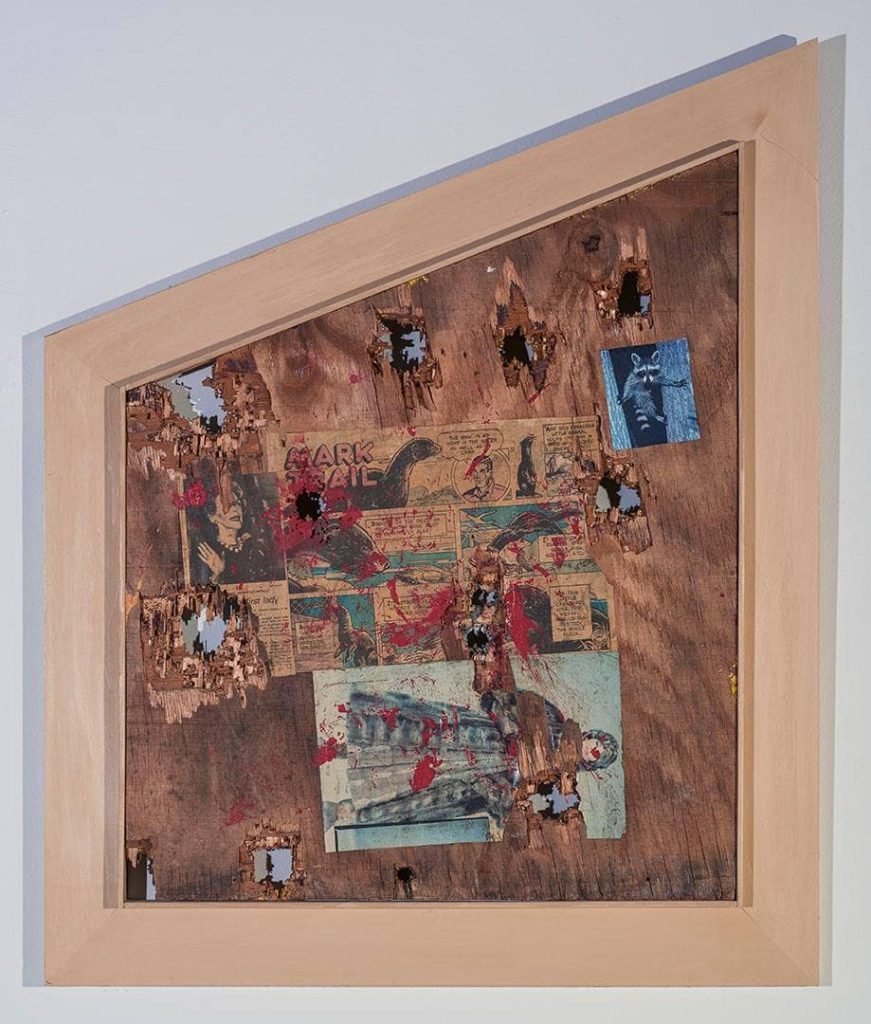
Exploring the Synergy between Literature and Visual Arts
The intersection of literature and visual arts crafts a compelling narrative that transcends traditional storytelling boundaries. This relationship is not merely a historical coincidence but a vibrant dialogue where words inspire images and vice versa. Many renowned artists have drawn aesthetic inspiration from literary works, using their brushes to paint the emotions and themes embedded in the text. For instance, the exquisite imagery found in the works of Edgar Allan Poe has led to numerous artistic interpretations, generating art that echoes his haunting themes of mystery and the macabre.
Illustrations in Books have long served to amplify the impact of literary narratives. Consider the illustrated editions of classic novels, where each image not only captures scenes from the story but also crafts an emotional response, enhancing readers’ engagement. Award-winning artist and illustrator Chris Riddell emphasizes this connection through his intricate line drawings in “The Edge Chronicles,” which visually represent the whimsical worlds crafted by author Paul Stewart. These visual elements heighten the readers’ immersion into the storyline beyond what words alone can achieve.
Moreover, literature and visual arts converge in the realm of adaptation. With the rise of graphic novels such as “Persepolis” by Marjane Satrapi and “Maus” by Art Spiegelman, literature transforms into a visual experience that retains its narrative power while appealing to a broader audience. These adaptations challenge traditional views on literature, illustrating how stories can adapt to different forms without losing their essence.
Literature and its Musical Resonance
The entwining of literature and music unveils a profound cultural commentary that transcends genres and generations. Literary figures often turn to lyrics as a means of conveying complex themes and emotions succinctly. For example, the profound words of Taylor Swift capture narratives reminiscent of classic literary conflicts—be it love, betrayal, or personal growth. Songs like “All Too Well” resonate deeply with listeners, fostering connections akin to those experienced by readers absorbed in a poignant novel.
- Musical Adaptations of Literature: Numerous musicals and opera productions draw directly from well-known literary works, transforming texts into melodious narratives. Consider “Les Misérables,” which breathes life into Victor Hugo’s novel through powerful song, showcasing how lyrics can evoke similar emotions as prose.
- Lyricism in Various Genres: The influence of poetic devices can be traced across diverse music genres, including hip-hop and country. Artists like Kendrick Lamar infuse storytelling akin to that found in classic novels, where lyrics weave together personal and societal experiences in a manner that invites audiences to reflect deeply.
This interplay between literature and music not only enhances the artistic landscape but also invites audiences from various backgrounds to engage with stories in multiple formats. Through these synchronized expressions, literature becomes more than just a series of written words; it evolves into a multifaceted form of artistic expression that invites exploration and prompts personal discovery.
Within the realm of Artistic Expression through Literature, the collaboration of creative writing with other forms of art creates a vibrant tapestry that enriches both fields. This intersection offers unique opportunities for writers and artists to explore themes, emotions, and narratives in a multifaceted manner. By examining how literature interacts with visual arts, music, and performance, we can appreciate the myriad ways creativity manifests itself.For instance, visual art often serves as inspiration for poets and novelists alike. The interplay between a painting’s imagery and a writer’s words can create a compelling narrative that evokes deeper sensory responses. Artists such as Vincent van Gogh, whose works have inspired countless literary pieces, exemplify this connection. Authors often draw upon the emotions and themes expressed in art to develop their characters and plots, resulting in a rich, intertextual dialogue.Additionally, music’s rhythm and structure often inform creative writing. Many poets incorporate musical elements into their work, experimenting with sound patterns and flows to enhance their lyrical expression. Lyrics themselves serve as a powerful narrative form, intertwining storytelling with melody, inviting listeners to engage in a unique experience of narrative interpretation.Moreover, theatre brings another layer of creativity, where playwrights directly mold their narratives for performance. This form sharpens dialogue and character development, allowing writers to explore human experiences in real-time, sparking emotional connections with audiences.The blending of these art forms not only enhances individual creativity but also broadens audiences’ appreciation for literature. With each artistic interaction, the boundaries of expression are expanded, encouraging further exploration into how literature can intertwine with other artistic mediums, giving rise to innovative trends and fresh voices in the creative landscape. Overall, the intersection of creative writing and other art forms underscores the importance of collaboration and cross-pollination in artistic expression, urging writers and artists alike to delve deeper into this enrichening dialogue. By embracing these intersections, we foster a culture that celebrates creativity in its most diverse and interconnected forms.
DIVE DEEP: Click here to discover the artistry of flavors
The Dynamic Relationship Between Literature and Performing Arts
At the heart of the artistic expression landscape lies the profound relationship between literature and performing arts, where written words give rise to unforgettable performances. Theater, dance, and spoken word poetry are vibrant arenas that allow literary texts to leap off the page and transform into visceral experiences. William Shakespeare’s plays, traditionally performed worldwide, exemplify this relationship. The language might be archaic, but the universal themes of love, ambition, and tragedy continue to resonate, bringing audiences closer to the human experience.
Spoken Word Poetry revitalizes literature by infusing rhythm and performance into the written word. Artists like Sarah Kay and Phil Kaye have captivated audiences with their ability to weave stories that explore identity, love, and social justice issues. Their performances showcase how the cadence of spoken language can elevate written poetry, resonating on emotional levels that are often lost in print. In many ways, spoken word serves as a bridge between literature and everyday life, making profound concepts accessible to a broader audience.
- Cross-Disciplinary Collaborations: Projects like the “Royal Shakespeare Company’s” recent initiative to pair their performances with live music and digital media reflect this dynamic interplay. These collaborations not only enhance theatrical experience but also breathe new life into classical texts, introducing them to new generations.
- Theater Adaptations: The enduring popularity of Broadway adaptations of literature—think “The Great Gatsby” or “To Kill a Mockingbird”—highlights literature’s ongoing relevance. These adaptations distill complex narratives into engaging performances, ensuring the essence of the original stories lives on while also branching into contemporary issues.
Literature as Inspiration for the Visual and Digital Mediums
In an era defined by transformation through technology, literature has increasingly intertwined with digital arts and multimedia projects. Digital storytelling platforms allow writers to create immersive experiences that combine text, audio, and visual art. Websites like Wattpad and FictionPress have cultivated communities where literature merges with multimedia, enabling readers to experience stories in novel ways, from interactive narratives to augmented reality adaptations.
Moreover, installation art and literary festivals often join forces to celebrate literary brilliance through physical spaces. For instance, the “literary installations” at the Los Angeles Public Library give visitors a sensory engagement with texts, demonstrating how literature can be reimagined in a visual context. This evolving landscape emphasizes an ongoing exploration of how different art forms can complement each other to enhance artistic expression.
- Film Adaptations: The film industry continues to adapt beloved novels into cinematic experiences, breathing new life into literary worlds. Movies like “The Fault in Our Stars” have not only generated box office success but have also reignited interest in the original texts, fueling a cycle of consumption across different media.
- Graphic Novels and Webcomics: The evolution of these forms showcases how literature continues to innovate. The combination of visuals and text engages new readerships, encouraging more people to embrace narratives that might have seemed intimidating in traditional formats.
The juxtaposition of literature with other artistic forms creates a unique synergy that culminates in cultural discourse and innovation. This ongoing dialogue across disciplines underscores the versatility of storytelling and invites audiences to consider literature not merely as written word, but as a foundation upon which other artistic expressions can build and flourish.
DISCOVER MORE: Click here to get inspired with DIY home decor ideas
Exploring New Dimensions of Artistic Expression
As we delve into the intricate tapestry of artistic expression through literature, it becomes clear that the intersection of creative writing and other art forms enriches both disciplines. The synthesis of literature with performing arts, digital mediums, and visual installations not only breathes life into words but also amplifies their emotional and cultural resonance. This relationship enables artists to rewrite narratives and engage audiences in unconventional yet profound ways.
The evolution of literature’s role in contemporary culture—evident through theater adaptations, spoken word performances, and digital storytelling—highlights a dynamic dialogue that invites further exploration. This cross-pollination of creativity fosters a rich environment where ideas can flourish, and artists push the boundaries of traditional forms. By embracing various media, writers and creators can communicate complex themes, ensure that their messages reach broader audiences, and inspire future generations.
Furthermore, the continuous evolution of artistic collaboration opens up new avenues for engagement, making literature accessible to individuals who may not have previously interacted with it. As technology advances and cultural landscapes shift, the possibilities for storytelling are more promising than ever. The question remains: how will emerging artists harness these vibrant intersections to challenge conventions and unveil contemporary realities? The journey of artistic expression in literature is ongoing, inviting us to witness, participate, and imagine how these beautiful links can inspire and transform society.