
Behavioral Training Strategies to Reduce Anxiety in Pets

Understanding Pet Anxiety
Pet anxiety is a pervasive issue that impacts animals of all breeds and sizes across the United States. It can arise in myriad situations, from experiencing separation from their owners to fear of loud noises like thunderstorms or fireworks. As pet owners, it is essential to recognize that managing this anxiety can significantly enhance the overall well-being of both our furry companions and ourselves. Through effective behavioral training strategies, we can considerably improve their quality of life, allowing them to thrive in a less stressful environment.
Signs of Anxiety in Pets
Being able to recognize the signs of anxiety is a fundamental step in developing a tailored training and management plan. Common indicators that your pet may be feeling anxious include:
- Excessive barking or whining: Many dogs vocalize more than usual when anxious, signaling their discomfort or distress.
- Destructive behaviors, like chewing or digging: Anxiety can compel pets to engage in harmful behaviors such as chewing on furniture or digging up the yard as a means of escape or to channel their nervous energy.
- Increased aggression or withdrawal: Pets might either lash out as a defensive mechanism or become reclusive, hiding in corners, which can be alarming for owners.
- House soiling or accidents inside: An anxious pet may not be able to control their bladder or bowels, leading to accidents in the home despite prior training.
Identifying these behaviors can help pet owners gain insights into their animal’s emotional state, laying the groundwork for effective intervention and care.
Effective Training Techniques
Several training techniques have proven effective in reducing anxiety among pets. These methods can be fine-tuned to fit the unique needs and personalities of individual animals:
- Desensitization: This involves gradually exposing your pet to their anxiety triggers in a controlled manner. For example, if your dog is fearful of loud noises, playing recordings of thunder at a low volume and gradually increasing the intensity can help them adjust over time.
- Counter-conditioning: This method aims to change your pet’s emotional response to a trigger. Suppose your dog becomes anxious during car rides; associating the car with positive experiences, like treats or play, can create a more favorable emotional link.
- Positive reinforcement: Rewarding calm behavior during triggering situations helps reinforce that behavior. This could mean giving your pet treats or affection when they remain calm during a thunderstorm.
Implementing these techniques not only fosters a calm environment for your pet but also enhances the bond between pet and owner. With patience and consistency, even the most anxious pets can learn to navigate their fears, ultimately leading to a happier and less stressed life.
Creating a Safe Space
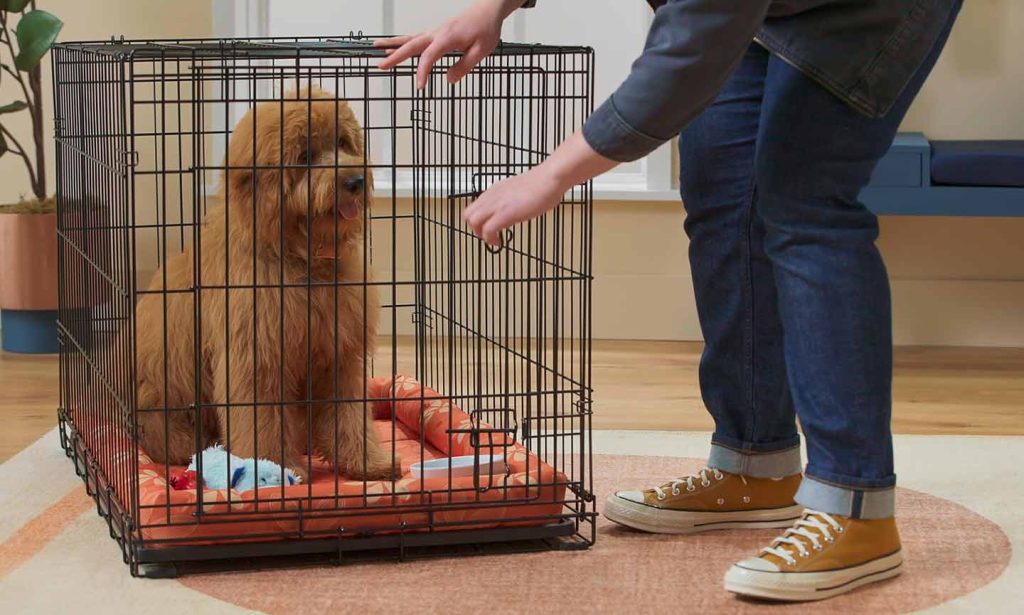
One vital aspect of reducing anxiety in pets involves establishing a safe and comfortable environment where they can retreat during stressful situations. A designated area, equipped with their favorite toys, blankets, and even a cozy bed, serves as a sanctuary. This space should be away from the hustle and bustle of the household, allowing your pet to retreat and feel secure. Utilizing items that carry familiar scents can further enhance this sense of safety, as it provides a comforting reminder of their owner’s presence even during trying times.
Utilizing Calming Products
In addition to behavioral training, many pet owners have found success in using calming products to support their pets through anxiety. These products can complement training efforts, creating a holistic approach to managing anxiety. Some popular calming aids include:
- Thundershirts: These snug-fitting garments apply gentle pressure on a pet’s body, mimicking a hug, which has a calming effect for many animals during stressful events.
- Calming treats and supplements: Made with natural ingredients, these treats are designed to ease anxiety and can be administered as part of a daily routine.
- Essential oils and diffusers: Certain essential oils, such as lavender and chamomile, can help create a calming atmosphere. However, it is crucial to ensure that any oil used is safe for pets, as some oils can be toxic to animals.
Each pet responds differently to anxiety management products, making it essential for owners to observe their animal’s reactions and adjust accordingly. Consulting with a veterinarian can provide valuable insights into the most effective calming aids, particularly if your pet has specific health needs.
Establishing a Routine
Another critical strategy to alleviate anxiety in pets is creating a consistent routine. Animals, particularly dogs, thrive on predictability and structure. A regular schedule for feeding, walks, and playtime can significantly contribute to their sense of security. When pets anticipate their routines, it can help minimize anxiety stemming from uncertainty. Incorporating training exercises into daily activities can also assist in alleviating stress. Short training sessions that focus on basic commands can redirect their energy and attention, reinforcing positive behaviors and contributing to their mental well-being.
Overall, a multifaceted approach that combines behavioral training strategies with environmental adjustments, calming products, and consistent routines creates a robust framework for managing pet anxiety. This ongoing effort not only enriches the lives of our beloved companions but also strengthens the bond between pet and owner, nurturing an atmosphere of trust and reassurance.
Understanding Behavioral Training Strategies
Behavioral training strategies are essential for pet owners looking to mitigate anxiety in their furry companions. Incorporating these techniques can lead to a healthier, more balanced pet life, enabling both pets and owners to enjoy happier moments together.
One crucial aspect of implementing behavioral training is positive reinforcement. This method encourages desired behaviors by rewarding pets with treats, praise, or playtime when they respond correctly. For example, if a dog remains calm during a thunderstorm, offering treats can help associate storms with positive experiences, making them less anxious over time.
Moreover, desensitization is another effective technique. It involves gradually exposing pets to their anxiety triggers in controlled environments. For instance, if a pet shows fear of strangers, introducing them to new people slowly while rewarding calm behavior can help them learn to cope better with unfamiliar situations. This method not only reduces anxiety but also builds trust between the pet and its owner.
Furthermore, environmental management plays a vital role in anxiety reduction. Creating a safe haven, complete with comfortable bedding and familiar toys, enables pets to retreat to a secure space when feeling overwhelmed. This strategy helps them feel more grounded and secure in their surroundings.
To give you a better understanding of how these strategies can benefit your pet, here’s a brief table outlining the advantages of these behavioral techniques:
| Category | Description |
|---|---|
| Positive Reinforcement | Rewards for calm behavior help pets associate positive outcomes with anxiety-inducing situations. |
| Desensitization | Gradual exposure to triggers reduces sensitivity and builds coping skills. |
| Environmental Management | Creating safe zones fosters security and reduces anxiety in overwhelming situations. |
These strategies not only help in reducing anxiety but also enhance the bond between pets and their owners. For those looking to implement these methods, working with a qualified trainer can provide tailored support and additional techniques to ensure effective outcomes. Understanding your pet’s unique triggers and responses is paramount, making active involvement in their behavioral training a rewarding journey.
Exposing Pets to Anxiety Triggers
One effective behavioral training strategy involved in reducing anxiety in pets is controlled exposure to their anxiety triggers. This process, often referred to as desensitization, allows pets to gradually become accustomed to the source of their fear. For example, if a dog is anxious around loud noises like thunderstorms, slowly introducing them to similar sounds at a lower volume can be beneficial. Start by playing a recording of thunder at a very soft volume while engaging your pet in a fun activity or offering a favorite treat. Over time, as they become more comfortable, the volume can be increased. This gradual exposure gives pets the opportunity to learn that these stimuli are not harmful, thereby reducing their anxiety response.
Clicker Training for Positive Reinforcement
Another highly effective method for alleviating anxiety in pets is the use of clicker training. This technique employs a handheld clicker to mark desired behaviors followed by a reward. The click sound acts as a positive reinforcement that helps pets associate good behaviors with rewards. This approach not only reinforces calmness in anxious situations but also enhances the overall bond between the pet and the owner. For instance, during a thunderstorm, if a dog remains calm while lying in its safe space, the owner can click the clicker and reward the dog with a treat. This method teaches the pet that remaining calm during previously anxiety-inducing scenarios can yield positive outcomes.
Socialization and Interaction
Proper socialization is crucial for reducing anxiety in pets, particularly during their early developmental stages. Ensuring that a puppy is exposed to diverse environments, people, and other animals can help build their confidence and diminish fears later in life. Regularly organized meet-ups with other pets, visits to pet-friendly locations, and participation in training classes can foster positive experiences. For adult pets, engaging in controlled introductions to new situations and gradual social interactions can continue to instill confidence. This approach helps reduce anxiety associated with new experiences and hones their coping mechanisms for future interactions.
Professional Guidance and Support
Lastly, seeking guidance from a professional animal behaviorist or trainer can provide a tailored approach to managing a pet’s anxiety. These specialists offer valuable insights based on each pet’s unique needs and behaviors. They may suggest customized training plans that identify specific anxiety triggers and provide actionable strategies for addressing them. Moreover, participation in group classes, under the supervision of a professional, can foster social skills in pets while allowing owners to learn techniques and share experiences with fellow pet owners. This collaborative support enhances the process of behavioral training and offers pet owners a comprehensive toolkit for managing anxiety.
While implementing these behavioral training strategies, it is essential for pet owners to remain patient and consistent. Progress may take time, but the active engagement in reducing anxiety leads to a happier and healthier pet who feels secure in their environment.
Conclusion
In summation, implementing behavioral training strategies to reduce anxiety in pets can significantly enhance their quality of life and strengthen the bond between pets and their owners. Through techniques such as controlled exposure to anxiety triggers, clicker training for positive reinforcement, and fostering socialization, pet owners can effectively minimize their pets’ fear responses. Each of these strategies contributes to a supportive environment where pets can develop confidence and coping mechanisms.
Moreover, enlisting the help of a professional trainer provides a personalized approach to addressing specific anxieties, ensuring that the unique needs of each pet are met. As pet owners engage actively in this journey, they not only help alleviate their pets’ stress but also cultivate a deeper understanding of their behaviors and emotional needs. Patience and consistency will be key; progress may take time, but the rewards are profound.
Ultimately, the stakes are high: an anxious pet can exhibit frustrating behaviors, impacting both their well-being and the harmony of the household. By prioritizing behavioral training strategies, pet owners can pave the way for a happier, healthier pet who feels secure within their environment. As we continue to explore and adapt these training approaches, it’s worth reflecting on the positive difference they can make in our furry companions’ lives and encourage a shift towards protective, supportive ecosystems for all pets.