Boost Problem-Solving Skills with Puzzles A Study on Cognitive Growth

Unlocking Cognitive Potential
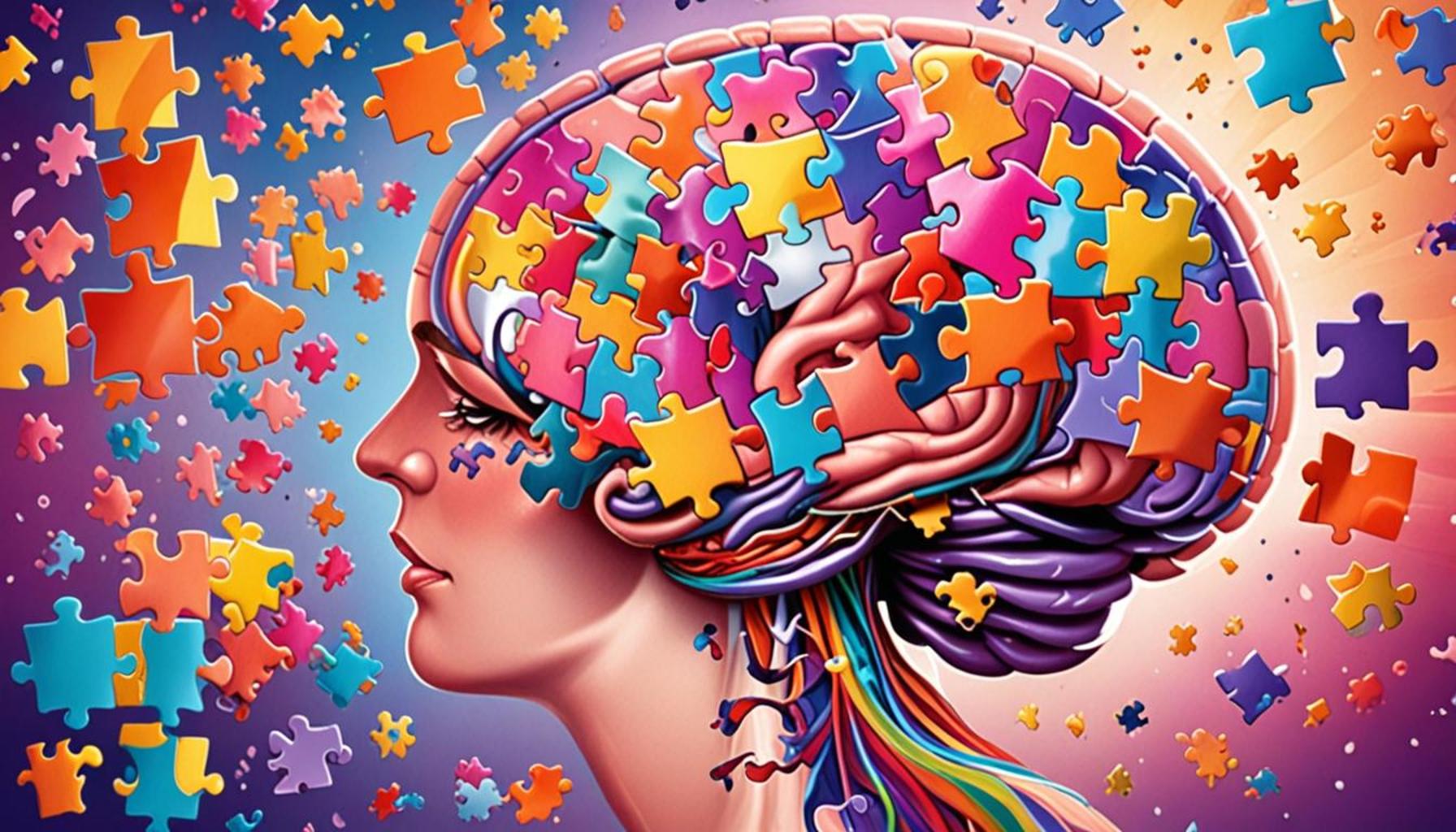
In today’s fast-paced world, enhancing our problem-solving skills is more crucial than ever. Rapid technological advancements and constant information influx demand that individuals stay mentally agile. Engaging with mind games and puzzles offers an exciting avenue for fostering cognitive development. These activities are structured to entertain while simultaneously serving as powerful tools for brain enhancement.
The Power of Puzzles
Puzzles uniquely challenge the brain. They require us to think critically and creatively, often pushing us to consider new perspectives on obstacles. By solving intricate designs or navigating through multi-layered scenarios, participants can experience a variety of cognitive benefits.
- Sharpen analytical abilities: Tackling puzzles enhances logical thinking and supports the development of a methodical approach to problem-solving.
- Improve memory retention and processing speed: Regular engagement with puzzles can lead to better memory performance and quicker information processing.
- Enhance focus and attention to detail: Concentrating on specific tasks helps strengthen attention spans and trains the brain to spot subtle details.
Curious about the top puzzles that can aid cognitive growth? Stay tuned as we reveal the Top 5 mind games that promise not just fun but also an opportunity to cultivate your mental acumen. From logic-based riddles to strategy-intensive board games, these activities promise both challenges and rewards. Our upcoming list will guide you through options that not only engage but also educate, offering a pathway to enhanced mental performance. Prepare to unlock your full potential.
DISCOVER MORE: Click here to unlock the fun
Top 5: Developing Problem-Solving Skills Through Puzzles
5. The Role of Logic Puzzles in Cognitive Development
Logic puzzles have long been cherished for their capacity to stimulate the brain in a way that’s both challenging and rewarding. These puzzles encompass a range of formats, from grid-based puzzles like Sudoku to word-based formats such as logic grid puzzles. Each type demands an intellectual rigor that requires solvers to sift through clues and deduce a logical conclusion. This practice can act as a powerful tool to promote critical thinking. By practicing logic puzzles, users engage in cognitive processes that ultimately sharpen their problem-solving skills.
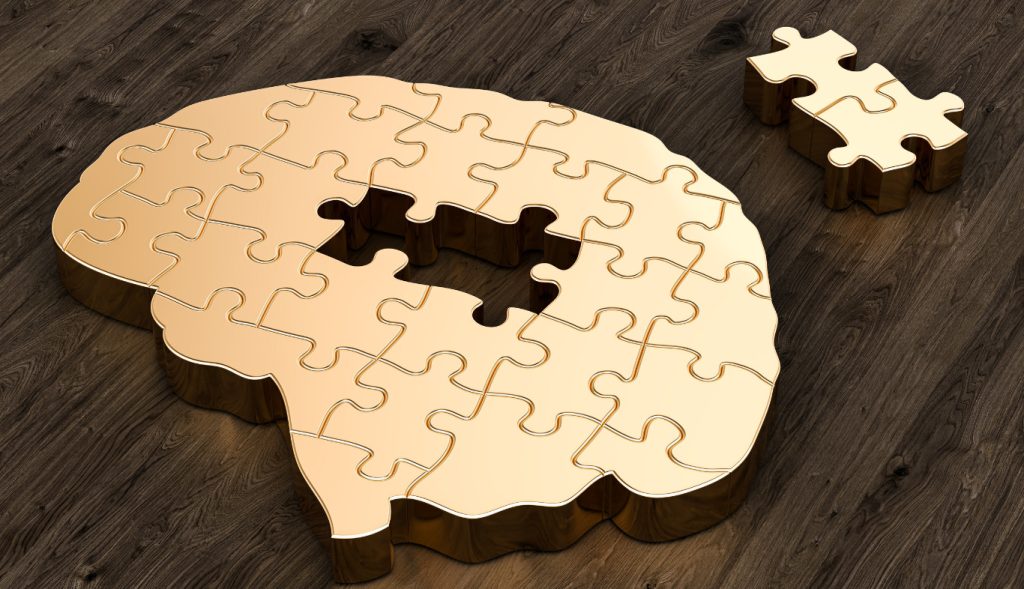
Engaging with these puzzles facilitates skill development in various ways. The process of deductive reasoning, where individuals derive specific conclusions from general premises, forms the foundation of logical challenge. On the other hand, pattern recognition allows puzzle solvers to identify where sequences and correlations exist, often hidden within the puzzle itself. Additionally, critical analysis is required to evaluate the accuracy of each clue, encouraging rational decision-making and evaluating information objectively.
As people engage more with these puzzles, the improvements are evident beyond the joy of solving them. A boost in mental agility is one of the most noticeable benefits; brains accustomed to logical puzzles solve problems more swiftly, both in the puzzles and real-life scenarios. Therefore, integrating logic puzzles into regular routines fosters robust cognitive development for individuals of all ages.
4. Crosswords: Enhancing Vocabulary and Memory
Crossword puzzles stand as bastions of linguistic exercises that serve to expand vocabulary and bolster memory. More than mere pastimes, they demand a formidable recall of language stored in our long-term memory, acting as a cognitive workout. By regularly delving into crosswords, individuals can significantly mitigate the effects of cognitive aging.
Research into crosswords reveals their profound influence on memory and language skills. One of the primary outcomes is improved word recall. Regular engagement with crosswords helps reinforce neural pathways associated with language, making word retrieval more seamless. Furthermore, boosting memory is an inherent benefit as solvers continuously interact with language, a process that positively influences comprehensive recall abilities.
Interestingly, crosswords also stimulate different areas of the brain. The puzzle-solving process demands lateral thinking, engaging the creative left hemisphere for language processing, and the analytical right hemisphere for puzzle clues. This dual engagement promotes mental agility while fostering a rich vocabulary. Overall, crosswords are invaluable for anyone aiming to enhance cognitive functions, language skills, and memory retention.
3. Sudoku: Cultivating Logical Thinking
Sudoku puzzles have made a formidable mark in the realm of cognitive challenges, particularly for those seeking to enhance their logical thinking. These number-based puzzles require players to fill grids under specific constraints, thereby nurturing strategic planning and logical reasoning. Sudoku enthusiasts must continuously apply and test various strategies to solve the puzzles, which aids in cognitive enhancement.
The cognitive benefits of regularly engaging with Sudoku are multifaceted. Firstly, there is an improvement in number sense, as players become increasingly familiar with numbers and their relationships. Moreover, Sudoku bolsters visual-spatial skills; by visualizing numerical patterns and relationships, players manipulate elements inside constrained structures, heightening spatial awareness.
A lesser-known advantage of Sudoku is its contribution to stress relief. Many solvers report entering a ‘flow state’ where the challenge of the puzzle allows a mental respite from everyday stresses. This combination of logical rigor and relaxation makes Sudoku a popular tool for brain workouts, contributing not just to puzzle-solving abilities but also to elements of real-life decision-making.
2. Jigsaw Puzzles: Strengthening Visual Perception
Jigsaw puzzles may appear simple at first glance, yet their contribution to cognitive development is substantial. These puzzles require individuals to fit together small pieces into a whole image, thereby enhancing visual perception and problem-solving skills. The cognitive benefits derived from engaging with jigsaw puzzles extend beyond visual-spatial skills, encompassing a range of mental faculties crucial for overall psychological well-being.
The primary advantage of jigsaw puzzles lies in their capacity to enhance attention to detail. Players need to carefully consider the shape, color, and patterns on each piece to successfully solve the puzzle. In addition, jigsaw puzzles promote patience and diligence. Solving these intricate puzzles requires time and effort, training the mind to focus and persist through challenging tasks.
Moreover, jigsaw puzzles can be a powerful tool for collaborative skill-building when solved in a group setting. Not only do they enhance teamwork, but they also improve communication skills and social interaction. Therefore, jigsaw puzzles serve not only as engaging individual challenges but also as exercises in fostering social bonds and enhancing higher-order cognitive functions.
1. The Ultimate Impact of Puzzles on Cognitive Growth
Engaging with a variety of puzzles not only provides entertainment but also contributes significantly to cognitive growth. These mental exercises have gained recognition for their ability to sharpen the mind across various domains, including problem-solving, memory, and cognitive flexibility. Studies consistently support the notion that frequent engagement in puzzles correlates with improved mental acuity and resilience against cognitive decline as one ages.
Perhaps the most significant advantage of puzzles lies in their promotion of neuroplasticity. Through challenging and novel experiences inherent in puzzles, the brain is encouraged to form new neural connections, adapting dynamically to enhance mental efficiency. This process is integral to maintaining cognitive health, particularly in the face of aging-related challenges.
As interest in cognitive enhancement continues to grow, the role of puzzles in sustaining mental health becomes increasingly acknowledged. Regular participation is associated with increased attention, adept decision-making, and efficiency in mental tasks. In conclusion, puzzles are more than mere distractions— they are indispensable tools for nurturing an agile and resilient mind throughout life.
| Category | Details |
|---|---|
| Cognitive Flexibility | Puzzle-solving activities enhance a person’s ability to adapt their thinking to new and unexpected conditions, fostering a dynamic problem-solving approach. |
| Memory Enhancement | Engaging with complex puzzles stimulates memory retention and recall, ultimately leading to improved memory function as the brain exercises its memory-related pathways. |
| Analytical Skills | Through repeated engagements with various puzzles, individuals develop a more analytical mindset, allowing for deeper evaluation of problems and more strategic approaches to solutions. |
| Stress Relief | Solving puzzles can serve as a form of mental escape, helping to reduce stress and cultivate mindfulness, which studies show can lead to greater overall cognitive performance. |
The relationship between problem-solving through puzzles and enhanced cognitive abilities is a captivating subject that invites readers to explore further. Each category outlined above represents a vital component of cognitive improvement that can be nurtured through engagement with puzzles. For instance, cognitive flexibility encourages an individual to pivot their mindset based on the hurdles presented, a skill increasingly valued in fast-paced environments. Moreover, the enhancement of memory through puzzle-solving not only aids in everyday tasks but also counters age-related cognitive decline, making it a topic of interest for both younger and older adults. The analytical skills cultivated through consistent problem engagement lead to refined strategies in not just puzzles but real-world problem-solving scenarios, offering a fascinating intersection of logic and creativity.Furthermore, the potential for puzzles to serve as a form of stress relief adds another layer to their importance, as mental health is closely linked to overall cognitive function. This requires an increased awareness of the benefits of incorporating puzzles into daily routines, thereby promoting a holistic approach to cognitive enhancement. Engaging with these elements not only captivates the intellect but also inspires readers to delve into the diverse implications of such findings.
DISCOVER MORE: Click here to enhance your logical reasoning skills
Frequently Asked Questions on Problem-Solving Skills Through Puzzles
How do puzzles enhance problem-solving skills?
Puzzles are known for their ability to challenge cognitive functions by encouraging strategic thinking and analytical skills. When solving puzzles, individuals are required to think critically and develop solutions efficiently. This process is tied to strengthening neural connections, which can lead to improved problem-solving skills in various real-life situations.
What types of puzzles are most effective for cognitive development?
There are numerous puzzles that contribute to cognitive improvement, each offering distinct benefits. Jigsaw puzzles enhance visual and spatial reasoning, whereas Sudoku and crosswords improve logical thinking and language skills. The ability to solve a variety of puzzle types can lead to a broader range of cognitive skills being developed.
Can engaging with puzzles have any additional mental health benefits?
Yes, beyond enhancing cognitive abilities, puzzles can offer significant mental health benefits. They can help reduce stress and improve mood by providing a sense of accomplishment. Additionally, puzzles stimulate dopamine release, which is a neurotransmitter associated with feelings of happiness and satisfaction.
How often should one engage in puzzle activities to see benefits?
Consistency is key when it comes to cognitive development through puzzles. Engaging in puzzle-solving activities several times a week can lead to noticeable improvements. Establishing a regular habit, whether it means dedicating 20 minutes a day or a few hours weekly, is crucial for long-term cognitive enhancement.
Are there any age restrictions on who can benefit from puzzle-solving?
Puzzle-solving is an activity beneficial to all ages. In children, it can boost early cognitive development, enhancing skills like problem-solving and critical thinking. For adults, puzzles maintain cognitive sharpness and facilitate continued mental growth. Even the elderly can benefit, as puzzles have been linked to slowing cognitive decline and potentially delaying symptoms of degenerative diseases such as Alzheimer’s.
DISCOVER: Click here to learn how crossword puzzles boost your memory
Conclusion: Unlocking Cognitive Potential through Puzzles
In today’s fast-paced world, the ability to solve problems effectively is both a personal and professional asset. According to the findings discussed in this article, engaging with puzzles can significantly enhance cognitive abilities, providing a holistic approach to skill development. Whether tackling complex jigsaw puzzles or logical conundrums, these activities serve as fertile ground for cultivating a sharp mind.
Key Takeaways
- Enhanced Cognitive Skills: Regular interaction with puzzles has shown a marked improvement in various cognitive functions, including memory, reasoning, and processing speed.
- Problem-solving Abilities: Puzzles challenge the brain to think strategically and creatively, fostering robust problem-solving skills that are transferable to real-life situations.
- Stress Reduction: Engaging in puzzle-solving can also provide a therapeutic effect, helping to reduce stress and promote mental well-being.
- Age-defying Benefits: Puzzles are not just for the young; they can help preserve cognitive function in older adults, contributing to a healthier aging process.
- Social Interaction and Collaboration: Puzzle-solving can also be a collaborative endeavor, encouraging teamwork and communicative skills.
As we move further into an era reliant on technology and quick decision-making, embedding these cognitive skills in our daily routines is more crucial than ever. The evidence suggests that incorporating puzzles into our lives doesn’t only entertain but also sharpens our minds, bridging the gap between leisurely activity and rigorous mental exercise.
Therefore, it might be time to reevaluate how we spend our downtime. Whether you’re a novice or a seasoned puzzled enthusiast, the act of tackling a puzzle can offer remarkable benefits, sparking curiosity and driving innovation. The unexplored potential of puzzles could very well be a key to unlocking the next chapter in cognitive enhancement.