Cognitive Enhancement Through Collaborative Mind Games: The Benefits of Social Interaction
Unlocking Potential through Togetherness
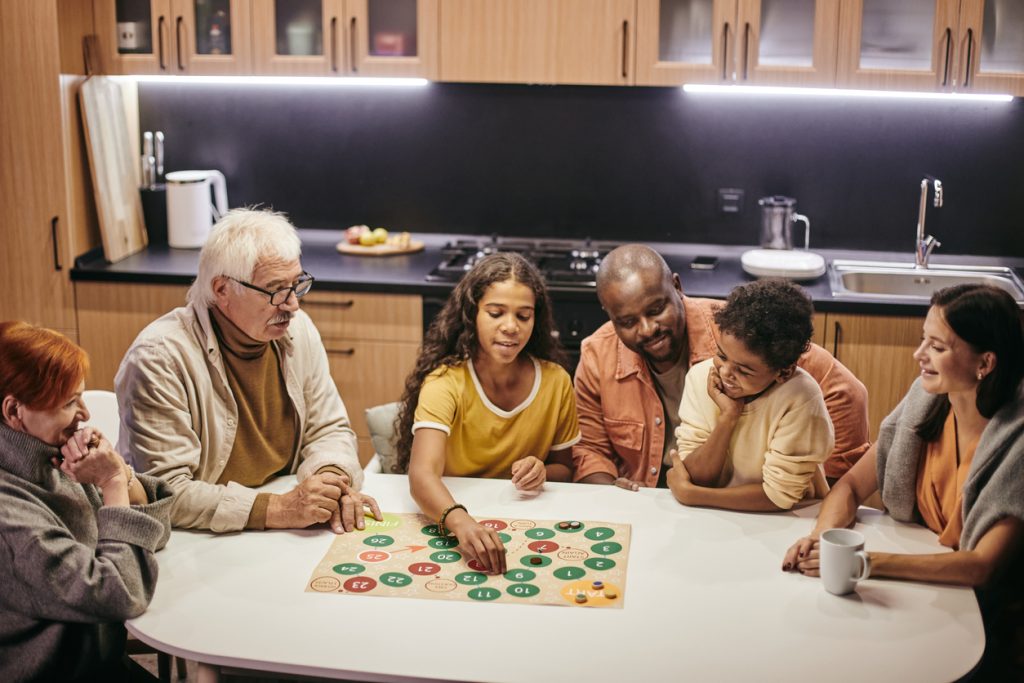
In an age where individualism often reigns supreme, the power of collaboration is being rediscovered, particularly in the realm of cognitive enhancement. Engaging in mind games within a social context doesn’t just provide fun; it offers significant mental benefits. From improved problem-solving skills to enhanced creativity, the impact of teamwork in cognitive tasks is profound. These collaborative efforts can take various forms, whether through board games, team sports, or even group strategy games played online, creating a rich tapestry of interaction that stimulates the mind.
Benefits of Collaborative Mind Games
Research has shown that collaborative mind games yield numerous advantages, such as:
- Enhanced Cognitive Ability: Players often exhibit better memory recall and faster decision-making. For instance, participating in games like chess or collaborative puzzles not only requires players to think critically but also to anticipate their opponents’ moves, thereby sharpening their strategic thinking skills.
- Improved Communication Skills: Interaction fosters clearer expression and feedback. In team-based games like Escape Rooms, players must articulate their thoughts effectively to solve clues, honing their ability to convey complex ideas succinctly.
- Stronger Emotional Bonds: Shared experiences can build trust and camaraderie. Engaging in a challenging game together can lead to moments of triumph and defeat, which strengthen relationships by fostering shared memories and mutual support.
Moreover, as individuals engage socially through these strategic games, they tap into a wellspring of diverse perspectives. This process not only sharpens their cognitive faculties but also nurtures an understanding of teamwork and collaboration. For example, when friends or colleagues come together to strategize in a game of Settlers of Catan, they navigate complex social dynamics, influencing outcomes based on cooperation and negotiation.
As we delve deeper into the world of cognitive enhancement via social interaction, we find exciting avenues in bridging game dynamics with personal growth. Exploring these connections may lead you to unlock new dimensions of your mental capabilities. These experiences encourage participants to step outside of their comfort zones, fostering resilience and adaptability—traits that are invaluable in both personal and professional settings. Additionally, participating in collaborative mind games cultivates a sense of community and belonging, which is crucial in today’s fast-paced and often isolating world.
Stay tuned to discover how collaborative mind games can transform not just your thinking, but also your social interactions. The journey towards enhanced cognitive ability through togetherness is not just a possibility; it’s an exciting adventure waiting to unfold.
DISCOVER MORE: Click here to dive deeper
The Science Behind Collaboration and Cognition
Engaging in collaborative mind games involves more than just a fun afternoon with friends; it’s a scientifically backed method to boost one’s cognitive abilities. Researchers have increasingly highlighted the link between social interaction and mental performance, revealing that the brain functions differently when individuals work together compared to when they operate alone. This connection is crucial for understanding how collaborative games can enhance cognitive performance and foster valuable life skills.
Studies indicate that social learning plays a key role in cognitive enhancement. When people come together to solve problems, they share information and insights that would otherwise remain hidden in individual play. This pooling of knowledge not only helps players achieve better game outcomes but also cultivates a deeper understanding of various strategies and approaches. In turn, this shared experience can lead to heightened creativity and critical thinking, vital attributes in today’s fast-paced environment.
Consider, for instance, the game of charades. Not only does it promote laughter and enjoyment, but it also demands a keen understanding of non-verbal communication and quick thinking. Players are required to interpret and express ideas without words, which sharpens their ability to think on their feet and adapt to emerging situations—skills that are transferrable to everyday interactions.
The Role of Engagement in Skill Development
Equally important is the element of engagement that collaborative mind games foster. When individuals participate actively in team-based challenges, they often find themselves in high-stakes situations that encourage concentration and memory retention. Research highlights the impressive impact of such engagement on cognitive functions, reinforcing the idea that “the more you play, the more you learn.” Here are some key benefits associated with engagement in collaborative games:
- Increased Social Interaction: Engaging with others boosts social skills, which contributes to emotional intelligence and empathy.
- Enhanced Memory Retention: Players are likely to remember facts and strategies better when they have discussed and worked through them collaboratively.
- Greater Motivation: Working with teams often leads to a higher level of inspiration and drive, pushing players to perform at their best.
Moreover, the shared goal of winning or solving puzzles promotes a healthy competitive spirit. This does not merely apply to games but extends to workplace scenarios, where team projects thrive on this sense of unity and collective achievement. In an environment that emphasizes cooperation, individuals become more open to feedback and innovative ideas, thus contributing to a culture of continuous improvement.
The growing popularity of collaborative mind games underscores their significance in enhancing cognitive functions. As we explore the broader implications of these activities, it’s clear that the intersection of cognitive enhancement and social engagement offers a unique opportunity for personal and communal growth.
| Advantages | Description |
|---|---|
| Enhanced Problem Solving | Collaborative mind games promote critical thinking and innovative solutions by tackling challenges as a team. |
| Social Bonding | Engaging in games together fosters a sense of community and strengthens relationships, enhancing emotional support. |
The concept of cognitive enhancement through social interaction in mind games underscores the profound impact of teamwork on mental agility. When players engage collaboratively, they not only tap into each other’s strengths but also learn from distinctive perspectives. This interaction often leads to robust discussions that stimulate intellectual curiosity and creative thought processes, crucial elements in mastering complex tasks. Furthermore, when individuals come together in pursuit of a common goal, they harness the leveraging power of varied skill sets and thought patterns, further enhancing the cognitive return on participation.Importantly, socializing during gameplay offers benefits beyond intellectual growth. As players navigate the challenges presented in these games, they cultivate deep-seated relationships based on mutual interests and collaboration. This aspect of engagement reveals that participation in such activities is not merely about competition but also about forging bonds that can withstand the test of time. By recognizing these interconnected advantages, individuals are encouraged to immerse themselves in collaborative mind games, making them a beneficial cornerstone of cognitive development.
DISCOVER MORE: Click here to unlock your creativity
Emotional and Social Intelligence: The Unseen Benefits
While cognitive functions such as memory and problem-solving abilities tend to take the spotlight in discussions about collaborative mind games, the emotional and social intelligence fostered through these activities is equally critical. In a society that values soft skills alongside analytical capabilities, the development of emotional intelligence through collaborative play shapes individuals into better communicators and leaders.
Participating in mind games requires players to navigate various interpersonal dynamics. For example, in games that require negotiation—such as Diplomacy—players must learn to manage alliances, read social cues, and build trust effectively. This interaction encourages the development of skills like empathy and active listening, which are pivotal not just in game settings but also in navigating personal and professional relationships. Research has indicated that those who engage regularly in social games tend to score higher on emotional intelligence assessments, showcasing that emotional acuity can be sharpened through social engagement.
The Impact of Diverse Perspectives
Another fascinating aspect of collaborative mind games is the opportunity they provide for exposure to diverse perspectives. Each player brings their unique background and thought process to the table, affecting strategies and solutions to the puzzles presented during gameplay. This diversity acts as a training ground for collaboration skills, pushing players to consider alternate viewpoints and approaches to problem-solving.
For instance, in games like Settlers of Catan, players must weigh the advantages of trading resources among one another, which not only necessitates strategic thinking but also an appreciation of each player’s situational context. This experience extends beyond mere game mechanics, fostering critical discussions that can apply to workplaces or even community projects, thus enhancing one’s adaptability and collaborative skills in real-world situations.
Building Long-Lasting Relationships
Moreover, the camaraderie built through engaging in collaborative mind games can lead to lasting friendships and professional networks. When individuals work together toward a common goal, they often experience a bonding effect, which can enhance team cohesion. This is particularly evident in settings such as corporate team-building events or educational environments, where collaborative mind games provide a relaxed and enjoyable way to establish rapport among peers.
According to psychology experts, the feeling of belongingness that arises from such shared experiences is integral for both personal well-being and group dynamics. The formation of connections leads to enhanced collaboration, which, in turn, can circle back to bolster cognitive capabilities as teams become accustomed to working together seamlessly.
In summary, while collaborative mind games are primarily recognized for their cognitive benefits, their role in fostering emotional and social intelligence cannot be overstated. They provide an engaging platform for enhancing collaborative skills, building relationships, and appreciating diverse perspectives, allowing individuals to thrive both mentally and socially.
DISCOVER MORE: Click here to enhance your problem-solving skills
Conclusion: Unleashing Potential Through Play
As this exploration of cognitive enhancement through collaborative mind games reveals, such activities serve a dual purpose of bolstering both mental acuity and social skills. The blend of strategic thinking, emotional intelligence, and interpersonal dynamics that unfold during these games creates a rich tapestry for personal development. In an age where the importance of teamwork and communication rises alongside technical skills, the value of social interaction embedded in mind games cannot be understated.
Engaging in these games fosters an environment where players can leverage their unique perspectives, ultimately enhancing their problem-solving abilities while cultivating empathy and adaptability. Furthermore, the friendships and networks formed through shared experiences directly contribute to improved collaboration, benefiting not just individual players, but the groups and organizations they belong to. In workplaces, educational settings, or casual gatherings, the profound impact of deepening interpersonal connections within such collaborative settings is evident.
For those seeking to expand their cognitive capacities, seeking out opportunities for collaborative mind games could be a transformative step. Beyond the enjoyment and thrill, these interactions can be life-changing, fostering a more connected, intelligent, and adaptable society. As we look towards the future, it becomes increasingly clear that the intersection of play and social interaction will remain vital in developing well-rounded individuals capable of navigating the complexities of modern life. In embracing this approach, we truly unleash our potential, paving the way for a brighter, more collaborative world.