
Cooperative Board Games: Building Bonds and Reducing Stress Through Collaboration
The Unifying Experience of Cooperative Board Games
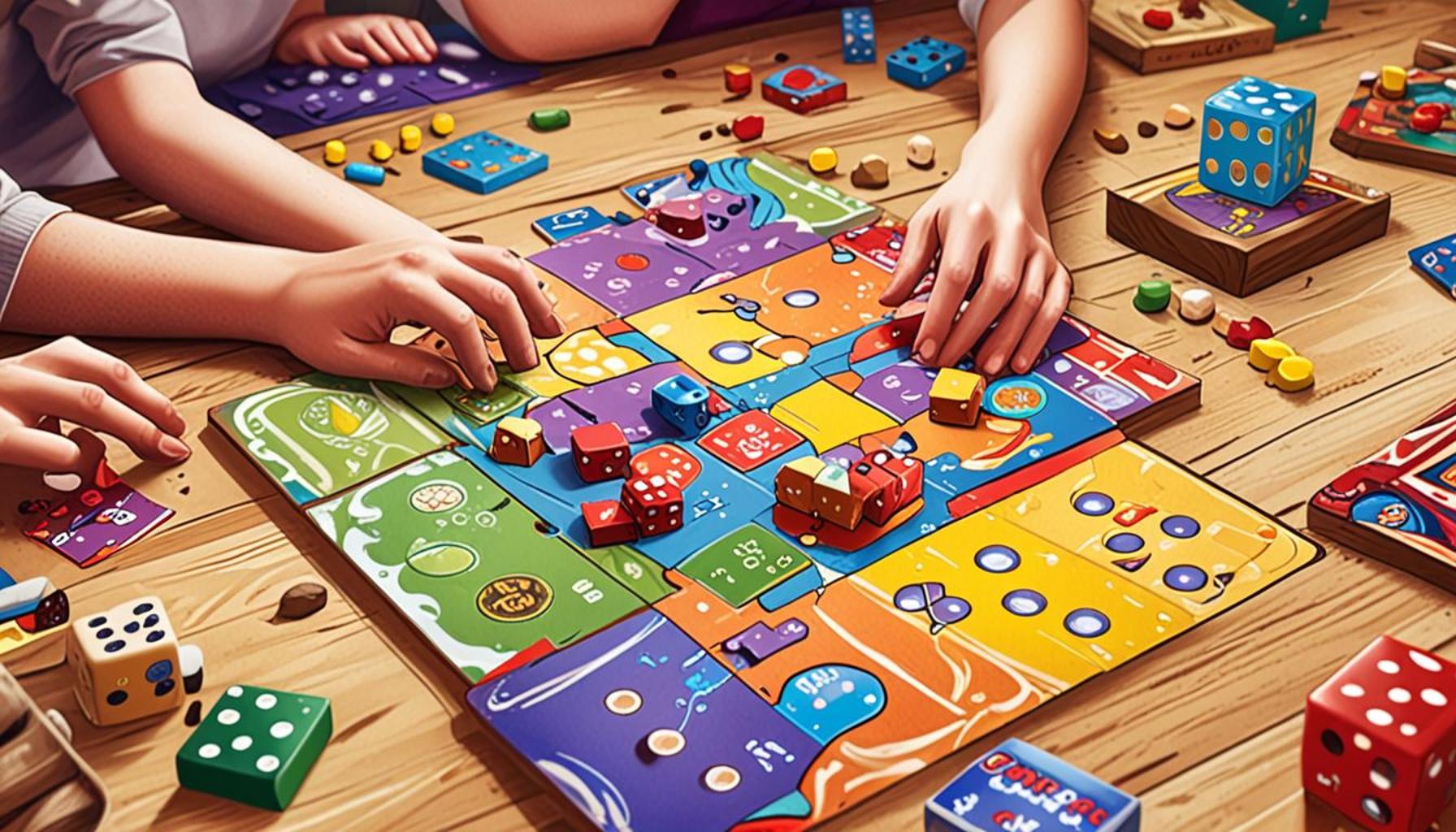
In today’s fast-paced world, where individualism is often celebrated, cooperative board games emerge as a refreshing alternative, reinforcing the values of unity and collaboration. These engaging games offer players the opportunity to work together towards a shared objective, cultivating a sense of camaraderie that transcends the ordinary gaming experience. Through teamwork, individuals not only have fun but also forge stronger interpersonal connections that can extend beyond the game board.
As people increasingly search for effective ways to unwind, cooperative gaming presents an enriching solution that caters to both the mind and spirit. Below are a few compelling benefits associated with this genre:
- Strengthens Relationships: Cooperative board games necessitate open communication and strategic collaboration, which can deepen relationships between players. For instance, a family playing Pandemic must coordinate their efforts to combat a global outbreak of diseases, requiring discussions, plans, and collective decision-making. This collaborative effort can lead to a more profound understanding of one another’s strengths and weaknesses.
- Reduces Stress: Engaging in teamwork naturally shifts the focus from personal anxieties to collaborative goals. Players working together to solve problems can create an atmosphere of support and encouragement. For example, while navigating challenges in The Forbidden Island, players often find camaraderie in shared accomplishments and mutual encouragement, helping alleviate individual stressors.
- Encourages Problem-Solving: Facing obstacles as a team enhances creativity and innovation. When players strategize and brainstorm solutions together, they develop critical thinking skills fostered in a cooperative environment. This is vividly illustrated in games like Gloomhaven, where players must collectively devise tactics to overcome formidable adversaries, requiring adaptability and teamwork.
The popularity of these games is steadily rising, appealing to varied demographics and making them perfect for family gatherings, friendly reunions, or even team-building events. They are highly accessible, catering to both seasoned gamers and newcomers alike, thus broadening their appeal across different age groups. The myriad choices available also mean that there’s likely a cooperative game suitable for everyone, whether it’s casual family play or serious strategy lovers.
Moreover, the growing body of research supporting the positive impact of cooperative board games on mental well-being highlights their merit. Studies have shown that engaging in social activities, such as collaborative gaming, can lead to increased happiness, reduced feelings of isolation, and greater emotional resilience. Delving further into the world of cooperative board games may unveil a powerful avenue for relaxation and connection that enhances both mental health and social relationships.
DIVE DEEPER: Click here to uncover more tips
Enhancing Connection Through Collaborative Play
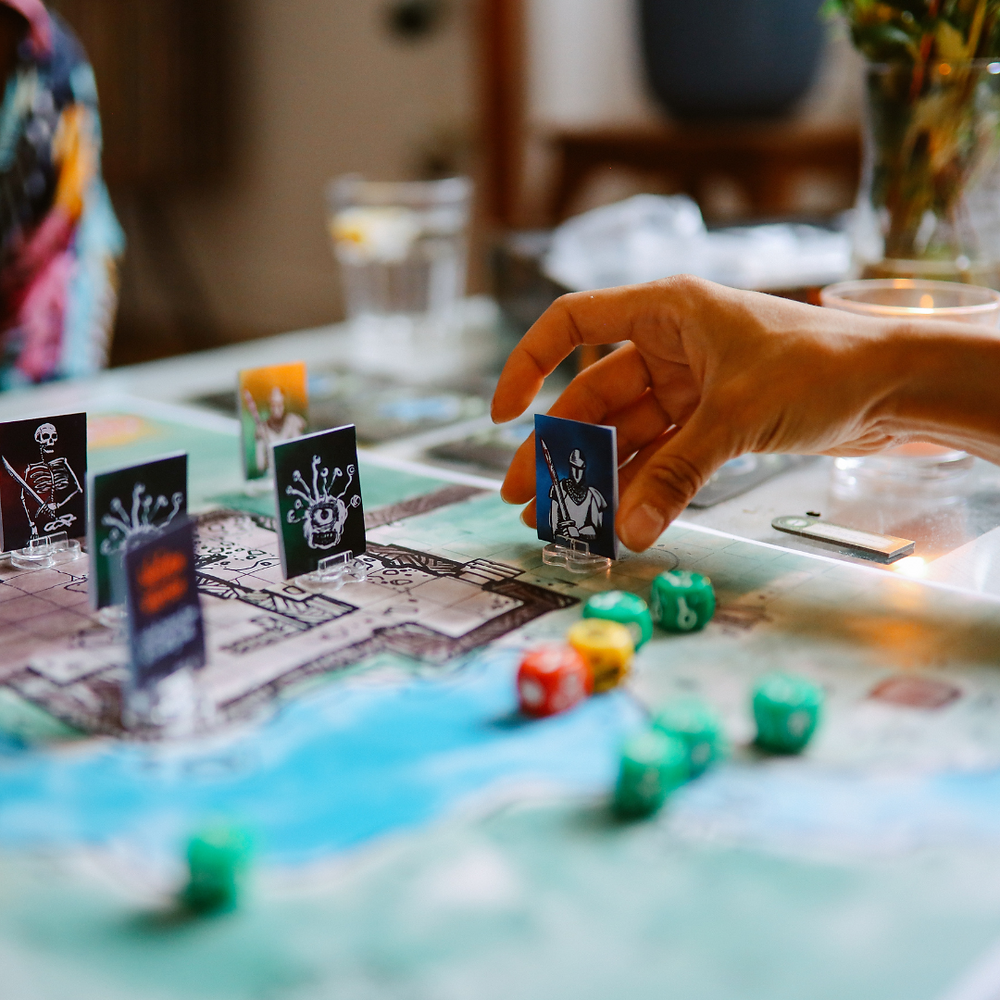
The essence of cooperative board games lies in their ability to unite players in a shared mission, fostering an environment where teamwork reigns supreme. Unlike traditional competitive games that often breed hostility and tension, cooperative games encourage a spirit of harmony as players pool their skills and resources to achieve a common goal. This interactive experience can be particularly impactful, especially in a culture that can sometimes feel fragmented.
One of the standout features of cooperative board games is their emphasis on communication. Players are prompted to discuss strategies openly, allowing them to articulate their thoughts and preferences. For example, in Spirit Island, players embody powerful spirits who must work collaboratively to defend their island from invaders. Success hinges on players sharing insights about their strengths and collectively devising strategies, enriching their communication skills and strengthening bonds in the process.
Here are a few notable aspects that contribute to the benefits of cooperative board games:
- Collective Brainpower: The pooling of diverse perspectives fosters an environment ripe for creativity. Players can leverage each other’s ideas, leading to innovative solutions to complex challenges. Research indicates that teamwork in problem-solving can significantly enhance overall effectiveness, making games like Forbidden Desert not just entertaining but an exercise in collaborative intelligence.
- Shared Emotional Experiences: Cooperative games create shared highs and lows that can strengthen emotional connections between players. Celebrating victories or navigating losses together becomes a bonding experience. Each game session could start with apprehension but often ends with laughter and a sense of accomplishment, irrespective of the outcome.
- Fostering Empathy: Engaging in cooperative play can deepen one’s understanding of others. Players learn to anticipate their teammates’ needs and reactions, allowing them to cultivate empathy and patience. This is especially noticeable in games like Ghost Stories, where each player must be mindful of their comrades’ actions to defend their village against relentless spirits, reinforcing the importance of mutual support.
Furthermore, cooperative board games serve as a medium to bridge generational gaps within families. With titles designed to cater to a wide range of skill levels, players of all ages can participate meaningfully. Whether it’s a grandparent joining their grandchildren or friends bridging their age differences, these games encourage a collaborative approach that can create lasting bonds across age groups.
As the allure of cooperative gaming continues to grow, potential players are encouraged to explore the various types available. Each game offers unique mechanics and themes, ensuring there is a perfect fit for every group, whether for a quiet night at home or a lively gathering with friends. By choosing to engage in cooperative board games, players are not just marking time; they are investing in stronger connections and healthier minds.
| Category | Key Features |
|---|---|
| Team Building | Encourages collective problem-solving and communication. |
| Stress Relief | Promotes relaxation as players bond over shared challenges. |
As we delve deeper into the world of cooperative board games, it’s crucial to acknowledge their remarkable role in team building. These games are designed to dismantle barriers among players, allowing them to engage in collective problem-solving and strengthen their communication skills. Unlike traditional competitive games, cooperative games require players to work together towards a common goal, enhancing trust and collaboration. Simultaneously, one of the most significant benefits of engaging in these games is their ability to provide effective stress relief. In today’s fast-paced society, where stress is rampant, cooperative board games offer a sanctuary where participants can unwind and connect in a meaningful way. The act of collaborating to overcome shared challenges not only fortifies friendships but also contributes to a healthier mental state. As players laugh, strategize, and share victories, they not only reduce their stress but enrich their interpersonal bonds, making these games invaluable tools for social engagement. By exploring various cooperative board games, readers will discover the unique blend of relaxation, fun, and teamwork that can enhance their everyday experiences, paving the way for enhanced relationships and improved well-being.
DIVE DEEPER: Click here to uncover more
Therapeutic Benefits of Cooperative Play
Engaging in cooperative board games transcends mere entertainment; it also offers significant therapeutic advantages—particularly in reducing stress and promoting mental well-being. In today’s fast-paced and highly demanding world, finding effective ways to unwind and rejuvenate has become increasingly important. Cooperative games provide that relief through fun and engaging social interactions, allowing players to escape their daily stresses while connecting with others.
One of the most appealing aspects of cooperative gameplay is its ability to foster a sense of belonging. This is especially valuable for individuals who may grapple with feelings of isolation or loneliness. A game like Pandemic, where players work together to prevent global outbreaks, serves not just as a test of strategy, but as an avenue for shared purpose. The act of collectively battling against challenges establishes a united front that encourages players to bond with one another. This camaraderie can alleviate feelings of stress and anxiety, allowing participants to focus on the joy of teamwork rather than their personal worries.
The structure of cooperative games also incorporates elements of mindfulness and reflection, aiding players in managing their stress levels more effectively. Many games include moments of pause, encouraging players to assess the situation and adjust their strategies accordingly. This deliberate approach to problem-solving promotes mindfulness, giving players the opportunity to concentrate on the game, rather than being consumed by external pressures. Research in psychology suggests that engaging in playful activities can lower cortisol levels—the hormone associated with stress—promoting a calmer state of mind.
- Building Trust: Trust is a crucial component in both cooperative board games and healthy social interactions. Players must rely on their teammates to fulfill their roles, creating an environment where trust can flourish. In games like Forbidden Island, sharing information about each player’s cards and responsibilities fosters a culture of transparency and reliance, which can translate into stronger interpersonal relationships outside the gaming context.
- Creating Laughter and Joy: Laughter has long been recognized as a natural stress-reliever. Cooperative board games often lead to humorous situations, be it due to unexpected game mechanics or players’ witty banter. Engaging in laughter not only enhances mood but can also leave lasting impressions that strengthen friendships. A light-hearted game night serves as more than just a pastime; it becomes a cherished memory.
- Encouraging Creative Thinking: The challenges posed in cooperative games require players to think outside of the box and explore innovative solutions. This creative problem-solving pushes players to step outside their comfort zones, something that is incredibly enriching. By harnessing their imaginative capabilities, players can also boost their self-esteem and resilience—vital attributes for managing stress in day-to-day life.
As cooperative board games continue to gain traction across households and communities, their impact on mental health and social cohesion becomes undeniably evident. Offering an experiential approach to building relationships, reducing stress, and enhancing communication, these games serve as valuable tools for individuals and families alike. Moreover, with the advent of many digital versions of these games, players can connect and collaborate even when they are physically apart, expanding the reach and benefits of cooperative gaming in an increasingly connected but sometimes isolated world.
DISCOVER MORE: Click here to learn how mental games can boost creativity in kids
Conclusion: The Lasting Impact of Cooperative Board Games
In a world where digital interactions often replace face-to-face connections, cooperative board games stand out as essential tools for fostering relationships and enhancing mental well-being. The simplicity of gathering friends or family around a game like Forbidden Island or Pandemic creates not just fun evenings, but shared experiences that can strengthen bonds and develop trust. The collective struggles, laughter, and strategic planning involved in these games provide invaluable moments of connection, highlighting the importance of teamwork in both gaming and life.
Moreover, the therapeutic benefits of these games cannot be overstated. By serving as a vehicle for mindfulness, players can refocus their energies away from stressors, immersing themselves in a world where collaboration and creativity reign. The reduction of cortisol levels through playful engagement is a significant advantage that promotes a healthier mental state, reminding us that joy can indeed be a pathway to resilience.
As we continue to navigate the complexities of modern living, embracing cooperative board games can serve as a vital escape and a powerful means of connection. Whether in person or through digital platforms, these games encourage us to unite in pursuit of common goals, turning hurdles into opportunities for laughter and lasting friendships. The experience of working together, strategizing, and sharing joy creates memories that extend well beyond the gaming table, making cooperative board games an invaluable part of our social fabric.