
Cuisine and Health: Nutritious Recipes that Delight the Palate
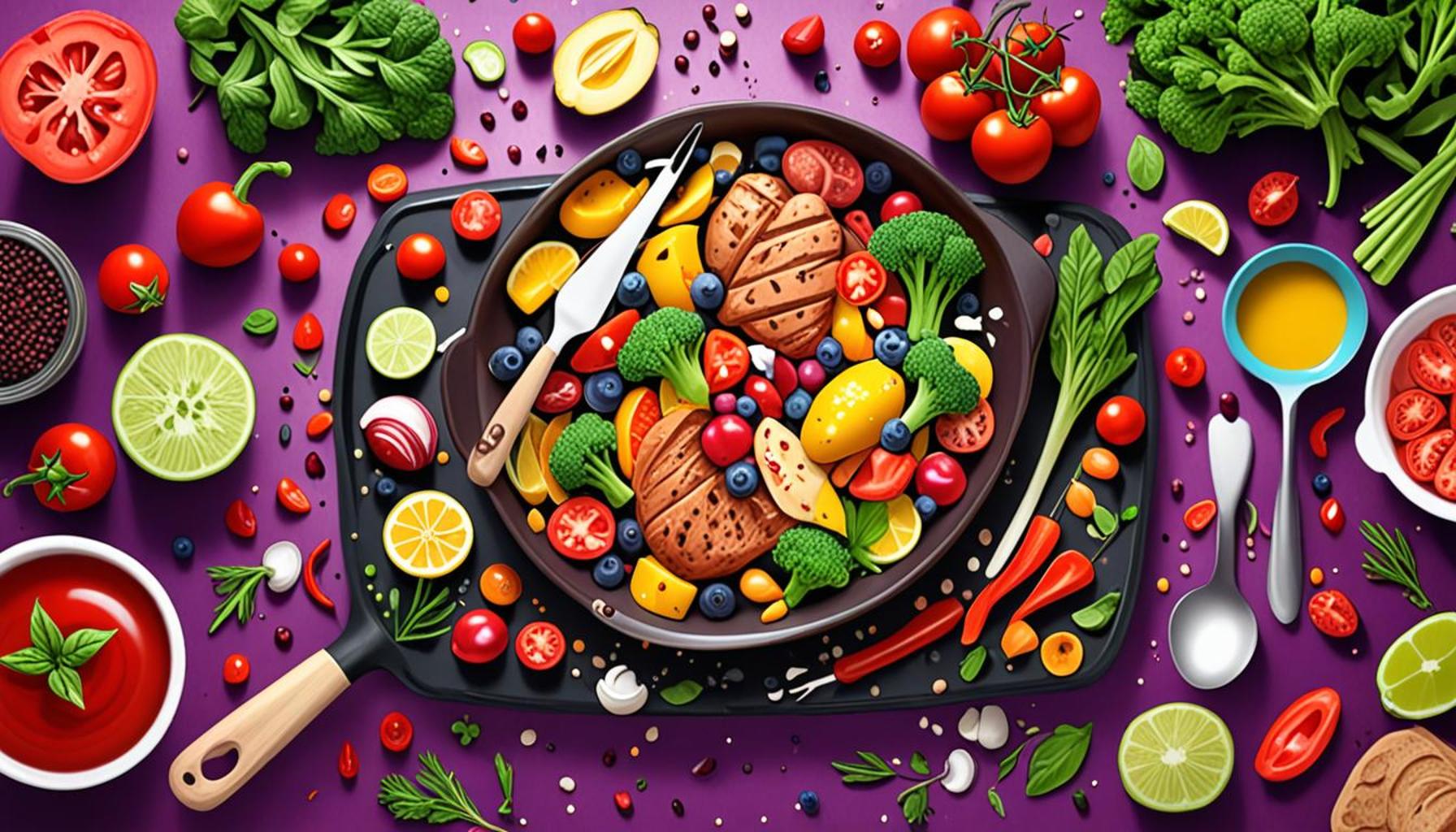
Discovering the Balance of Flavor and Nutrition
In today’s fast-paced world, the fusion of health and cuisine has transformed how we think about food. Creating nutritious recipes that tantalize the taste buds is not just a trend but a necessity for many. From vibrant farmers’ markets to innovative cooking classes, the quest for delicious yet healthy meals has become a culinary adventure.
Why Healthy Eating Matters
- Supports overall wellness and vitality: A balanced diet rich in nutrients contributes to physical health and boosts immunity, making it essential for a longer, healthier life.
- Enhances mood and energy levels: Foods like whole grains, fruits, and vegetables release energy slowly, helping to reduce mood swings and maintain a stable energy level throughout the day.
- Reduces the risk of chronic diseases: Healthy eating lowers the risk of conditions such as heart disease, diabetes, and certain cancers, which are prevalent in modern society.
According to the Centers for Disease Control and Prevention (CDC), consuming a diet high in fruits, vegetables, and whole grains can lead to significant improvements in health status. Delicious and nutritious dishes are no longer bland or boring; in fact, innovative chefs and home cooks alike are reimagining what healthy eating can be. Colorful salads, flavorful smoothies, and hearty grain bowls are just a few examples of how one can enjoy a rich palette of tastes while prioritizing health.
Key Components of Nutritious Recipes
- Fresh ingredients from local sources: Utilizing seasonal produce not only supports local farmers but also ensures that the ingredients are at their peak flavor and nutrient content.
- Balance of macronutrients: A well-rounded meal should incorporate proteins, healthy fats, and carbohydrates. For instance, a quinoa salad with chickpeas and avocado provides a satisfying mix of nutrients that supports sustained energy.
- Herbs and spices to enhance flavors naturally: Instead of relying on excessive salt or sugar, using fresh herbs like basil or spices like paprika can elevate a dish’s taste profile while adding health benefits.
As we explore various nutritious recipes that delight the palate, we find that healthy eating can indeed be an exciting and rewarding experience. From avocado toast topped with tomatoes and microgreens to vibrant stir-fried vegetables seasoned with ginger and garlic, the possibilities are endless. Join us on this flavorful journey that promises to boost your cooking repertoire while benefiting your health. With every meal, embrace the opportunity to nourish both body and spirit, highlighting that maintaining health doesn’t mean sacrificing enjoyment.
DIVE DEEPER: Click here to discover emerging trends
Embracing Seasonal Ingredients for Maximum Flavor
One of the cornerstones of nutritious recipes is the use of seasonal ingredients. Not only are these items typically fresher and more flavorful, but they are also more nutrient-dense. Many culinary experts emphasize the importance of eating what is in season, as it helps to ensure that your meals are packed with vitamins and minerals. Seasonal eating also encourages creativity in the kitchen, making healthy cooking an enjoyable exploration of flavors and textures.

The Benefits of Seasonal Produce
- Better Taste: Fruits and vegetables harvested at their peak season are ripened naturally, contributing to better taste and texture, which can enhance your overall dining experience.
- Cost-Effective: Typically, in-season produce is more affordable due to abundance and lower transportation costs, allowing you to enjoy nutritious meals without breaking the bank.
- <strong.Environmental Sustainability: Sourcing local, in-season ingredients helps reduce the carbon footprint related to food transportation, supporting eco-friendly practices that benefit the planet.
Imagine crafting a summer salad with juicy tomatoes, crisp cucumbers, and aromatic basil, all sourced from your local farmer’s market. This colorful dish not only pleases the eye but also delivers a wealth of nutrients. The vibrant hues of seasonal produce are often indicators of their health benefits; for example, the deep red of tomatoes offers lycopene, an antioxidant linked to reduced risk of heart disease.
Exploring Diverse Culinary Techniques
Healthy cooking does not have to mean bland or unexciting meals. By exploring various culinary techniques, you can infuse meals with flavor while keeping them nutritious. Techniques such as grilling, steaming, and roasting can transform simple ingredients into delightful dishes.
For instance, roasted vegetables bring out the natural sweetness of ingredients like carrots and Brussels sprouts, while a quick stir-fry can maintain the vibrant colors and crunch of broccoli and snap peas. Moreover, experimenting with different cooking methods allows cooks of all skill levels to explore new flavors and textures in their meals. With a few key cooking techniques at your disposal, you can create a smorgasbord of healthy options that excite both the palate and the mind.
In the world of healthy cuisine, adopting these practices can radically alter your approach to food. With the right ingredients and methods, nutritious recipes don’t just support your health; they celebrate the joy of cooking and dining. Whether you’re a culinary novice or an experienced chef, embracing seasonal produce and diverse techniques can truly transform your culinary experience, making each meal an opportunity to delight your senses while nurturing your body.
| Category | Description |
|---|---|
| Flavorful Ingredients | Using fresh herbs and spices not only enhances taste but offers various health benefits. |
| Balanced Nutrition | Craft recipes that combine proteins, carbohydrates, and healthy fats to nourish your body effectively. |
| Seasonality | Incorporating seasonal vegetables ensures freshness and maximizes nutrient content. |
| Gourmet Techniques | Utilize advanced cooking methods, like sous-vide, to enhance flavors while preserving nutrients. |
In exploring the intersection of cuisine and health, it’s essential to look at how these concepts can mesh to create dishes that are not just nourishing but also tantalizingly delightful. The focus on flavorful ingredients showcases the importance of fresh herbs and spices in elevating a dish while simultaneously providing vital health benefits. Moreover, understanding the dynamics of balanced nutrition is pivotal—crafting meals that harmoniously combine proteins, wholesome carbohydrates, and healthy fats is a surefire way to meet dietary needs and satisfy the palate.Attention to seasonality can also make a significant difference; by incorporating vegetables that are in season, one can enjoy vibrant flavors and increased nutritional value. Furthermore, employing gourmet cooking techniques, such as sous-vide, not only enhances the overall taste experience but also preserves the integrity of nutrients, leading to a healthier culinary affair. Exploring these elements invites readers to delve deeper into the world of nutritious recipes that don’t compromise on flavor.
DISCOVER MORE: Click here to dive deeper
Incorporating Superfoods for Enhanced Nutritional Value
As we delve deeper into the realm of nutritious recipes, it is impossible to overlook the impact of superfoods. These nutrient-rich ingredients not only deliver exceptional health benefits but can also elevate everyday meals into delightful culinary experiences. Superfoods are characterized by their high levels of vitamins, minerals, antioxidants, and healthy fats, making them an ideal choice for those looking to boost their diets.
What Constitutes a Superfood?
- Antioxidant Properties: Foods like blueberries, kale, and acai are packed with antioxidants that combat oxidative stress in the body, promoting overall health.
- Rich in Fiber: Ingredients such as quinoa, chia seeds, and oats are excellent sources of fiber, aiding in digestion and contributing to sustained energy levels.
- High Nutrient Density: Foods such as salmon, avocado, and nuts provide essential fatty acids, vitamins, and minerals, which are crucial for various bodily functions.
Incorporating superfoods into your cooking can be both exciting and rewarding. For example, adding kale to a smoothie brings a nutrient boost without compromising flavor, while quinoa can serve as a flavorful and filling base for salads. The key is knowing how to blend these ingredients into your meals creatively.
Simple Superfood Recipes
Here are a few easy ways to incorporate superfoods into your everyday cooking:
- Berry Quinoa Salad: Combine cooked quinoa with a medley of fresh berries, avocado, and a dressing made from olive oil and lemon juice. This salad is colorful, flavorful, and filled with protein, healthy fats, and antioxidants.
- Kale and Cannellini Bean Soup: A warm, hearty soup made with sautéed kale, white beans, and a rich vegetable broth, serving as a comforting yet nutritious meal, ideal for chilly evenings.
- Chia Seed Pudding: Soak chia seeds in almond milk overnight and add a touch of honey and vanilla. In the morning, top it with seasonal fruits for a refreshing breakfast packed with omega-3 fatty acids and fiber.
The Role of Herbs and Spices in Nutritional Cooking
In addition to superfoods, herbs and spices play a pivotal role in enhancing both the health benefits and taste of your meals. They can reduce the need for excessive salt or sugar while introducing a symphony of flavors that make healthy eating enjoyable. Turmeric, known for its anti-inflammatory properties, can be added to soups and roasted vegetables, while cinnamon can provide natural sweetness to oatmeal without additional sugars.
The beauty of focusing on nutritious recipes lies in the endless combinations and variations possible with superfoods, herbs, and spices. They allow for the exploration of flavors that can transform what might seem like a plain meal into a gourmet experience. As you continue to embrace these ingredients, you will not only improve your health but also discover the sheer joy of cooking with purpose and creativity.
DIVE DEEPER: Click here to uncover the power of art in activism</a
Conclusion
In the intricate dance of cuisine and health, the journey through nutritious recipes reveals an exciting landscape where flavor and wellness harmoniously collide. By embracing superfoods, rich in vitamins and antioxidants, we unlock the potential to transform ordinary dishes into extraordinary creations that not only tantalize the palate but also support overall health. The inclusion of vibrant ingredients such as quinoa, kale, and a variety of fruits and vegetables serves as a testament to the notion that eating well doesn’t have to be a chore; instead, it can be a culinary adventure.
Moreover, the strategic use of herbs and spices elevates meals with their aromatic profiles while enhancing their nutritional benefits—a powerful tool for those looking to cut back on salt and sugar. With just a sprinkle of creativity, home cooks can craft meals that are equally satisfying and wholesome, ensuring that nutritious eating becomes an integral part of our daily routines.
As we continue to explore the realms of healthy cooking, the possibilities remain endless. Whether you’re searching for quick weeknight dinners or elaborate weekend feasts, the art of preparing nutritious recipes invites a colorful celebration of tastes and textures. With each recipe you try, take the opportunity not just to nourish your body, but also to delight your senses and inspire those around you to join in, fostering a community centered around delicious health. By incorporating these principles into our meals, we not only enrich our own lives but also contribute to a collective movement toward more mindful and health-conscious culinary practices.