
Culinary and History Itineraries: Exploring Typical Dishes in Iconic Places of the USA
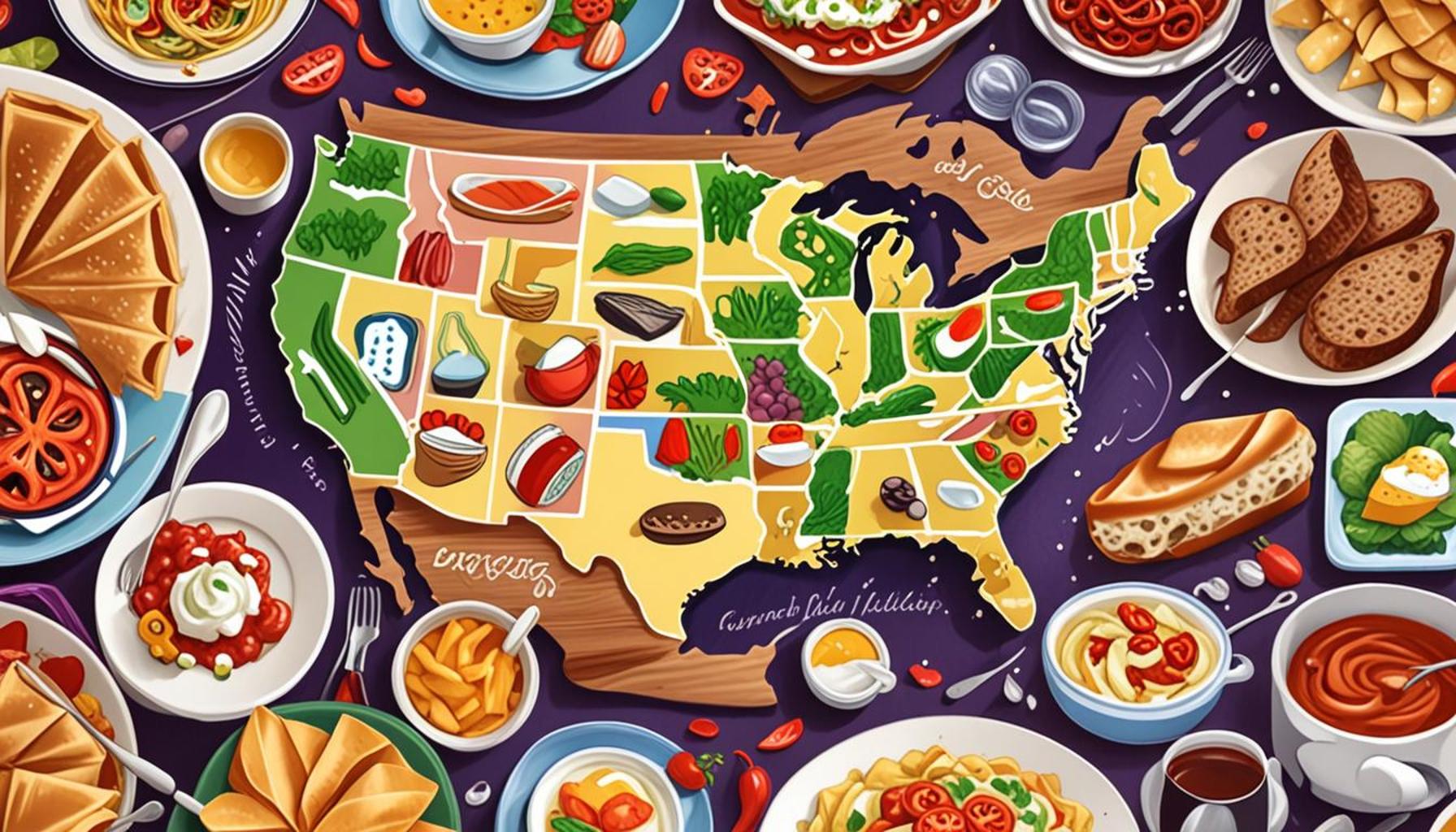
A Culinary Journey Across America
Exploring the diverse culinary landscape of the United States significantly enriches the travel experience. Each region is a melting pot of unique flavors and traditions that are often steeped in rich history. These dishes not only provide a taste of local fare but also reflect the cultural influences that have shaped American identity over centuries.
Explore famous food and iconic locations:
- Cajun Cuisine in New Orleans: The vibrant streets of New Orleans are alive with the sounds of jazz and the aromas of Cajun cuisine. Dishes like gumbo, a hearty stew combining spices, sausage, and seafood, and jambalaya, a rice dish packed with flavor and history, are not just meals; they are reflections of the city’s Creole and Cajun heritage. With influences from French, Spanish, and African culinary traditions, these dishes represent the fusion of cultures that defines New Orleans.
- Barbecue in Texas: No discussion of American food would be complete without highlighting Texan barbecue. Renowned for its smoky goodness, Texas barbecue features tender, slow-cooked brisket and succulent ribs that have been seasoned with dry rubs and smoked over mesquite wood. The practice of barbecuing is a centuries-old tradition here, steeped in local pride and rivalry among regions to claim the title of best barbecue.
- Cheesesteaks in Philadelphia: In Philadelphia, the iconic cheesesteak is more than just a sandwich; it’s a cultural symbol. Made with thinly sliced ribeye steak and melted cheese, often topped with sautéed onions, this dish has its roots in the city’s working-class history. Vendors in Philadelphia have perfected their recipes, and visitors often embark on a quest to find the best cheesesteak, debating favorites like Pat’s and Geno’s.
- Clam Chowder in Boston: In Boston, clam chowder has become synonymous with New England cuisine. This creamy soup, rich with clams, potatoes, onions, and bacon, embodies the maritime heritage of the region. Restaurants often serve it in a bread bowl, making it a comforting, hearty meal that tells the story of the area’s fishing industry and local ingredients.
These culinary staples provide more than just sustenance; they are a lens through which we can explore the history and culture of each region. As you indulge in these dishes, you might discover how they evolved from humble beginnings into beloved favorites. Food enthusiasts and history buffs alike will find that these dishes are deeply intertwined with the social fabric of America, revealing tales of migration, adaptation, and resilience.
As you embark on this flavorful odyssey across the United States, expect to uncover not only remarkable tastes but also a profound appreciation for the culinary heritage that shapes the nation. Each bite is an invitation to delve deeper and understand the stories that comprise the rich tapestry of American culture.
DISCOVER MORE: Click here for exciting tips on Route 66 adventures
Regional Culinary Gems and Their Historical Contexts
As we traverse the United States, we encounter a multitude of culinary treasures that stand as testaments to the history and culture of their regions. Each iconic dish offers a peek into the past, revealing how traditions, indigenous ingredients, and immigrant influences have shaped the local gastronomy. Let’s dive into a few more characteristic dishes that embody the essence of their respective places, all while uncovering the fascinating stories behind them.
- Chicago Deep-Dish Pizza: Known for its towering crust and rich, layered ingredients, Chicago deep-dish pizza originated in the Windy City in the 1940s. The dish represents a shift from traditional Italian pizzas to a hearty, filling meal that speaks to the city’s hearty Midwestern roots. Often filled with savory sausage, peppers, and a zesty tomato sauce, this pizza demands attention, inviting diners to experience a culinary revolution that has long become synonymous with Chicago’s identity.
- Bagels and Lox in New York: The humble bagel, often paired with smoked salmon or lox, holds a significant place in New York City’s food landscape. Its origins trace back to Eastern European Jewish communities that settled in the city during the 19th and early 20th centuries. This simple yet satisfying meal represents the city’s rich immigrant history and has evolved into a beloved brunch staple, enjoyed by residents and tourists alike. The pairing of bagels and lox not only highlights the fusion of cultures but also showcases the city’s dedication to high-quality, artisanal baking.
- Poutine in Montreal: While not technically part of the continental USA, poutine from Montreal has become an influential dish across North America. This dish, featuring fries topped with cheese curds and gravy, is a nod to the indulgent comfort food that reflects the Canadian influence on American cuisine. Although its roots lie in Quebec, the popularity of poutine has crossed borders and can be found in various forms throughout the United States, often inspiring creative variations that pay homage to its origins.
- Key Lime Pie in Florida: The classic Key lime pie is a dessert that encapsulates the tropical climate and cultural heritage of the Florida Keys. Made with key lime juice, condensed milk, and a graham cracker crust, this pie is deeply rooted in the region’s fishing history and the use of the local, tart key limes. Its creamy, tangy flavor offers a refreshing indulgence that attracts visitors while reminding them of the region’s eclectic history shaped by Cuban and Conch influences.
Each of these dishes not only satisfies hunger but also transports diners on a historical journey, allowing them to savor flavors that are deeply intertwined with their environment. By indulging in these regional specialties, one uncovers the narratives of innovation and adaptation that have occurred over generations. Whether it’s the immigrant story behind the bagel or the regional pride evident in Chicago deep-dish pizza, these dishes serve as delicious conduits to understanding the broader tapestry of American culinary and cultural history.
| Advantage | Description |
|---|---|
| Authentic Culinary Experience | Embark on a journey through diverse regions to sample signature dishes that tell the history of American culture. |
| Cultural Education | Learn about the origins of iconic meals as you discover local traditions and cooking methods that have been passed down through generations. |
| Community Engagement | Connect with local chefs and historians to gain insights into community food practices and the importance of culinary heritage. |
| Sustainable Tourism | Support local economies by dining at family-owned restaurants and exploring farmers’ markets that celebrate regional produce. |
The Culinary and History Itineraries provide a unique opportunity to explore not just food, but the stories and cultures that shape America’s diverse gastronomic landscape. As you venture through iconic cities and quaint towns, each bite reveals a layer of history that is as rich as the dishes themselves. From the spice-rich gumbo of New Orleans to the robust flavor of Chicago deep-dish pizza, the journey offers both adventure and education. Each culinary stop is a taste of place, and discovering how food interlaces with community identity heightens the experience. Engaging with local chefs often leads to culinary secrets shared over a stove or kitchen counter, further enhancing your understanding of American cuisine. This itinerary not only satisfies your palate, but also invites you to appreciate the historical narratives built around these local delicacies.
DISCOVER MORE: Click here to see what to do in New York this weekend
Bites of History: Discovering More Iconic Dishes
As we further explore the rich tapestry of American cuisine, we reveal dishes that not only tantalize the taste buds but also tell compelling stories about the regions they come from. Each bite encapsulates local heritage and the diverse influences that have left their imprint on the nation’s food landscape. From the coastal shores to the heartland, here are additional culinary delights that showcase the historical significance of their origins.
- Gumbo in New Orleans: An emblem of Cajun and Creole culture, gumbo is a hearty stew that blends a variety of ingredients, often including seafood, okra, and the holy trinity of vegetables: onions, bell peppers, and celery. Dating back to the 18th century, gumbo’s creation is a melting pot of influences, including African, French, Spanish, and Native American cuisines. It serves as a reminder of the city’s vibrant history and is celebrated annually at the New Orleans Gumbo Festival, which attracts food lovers from around the world.
- Barbecue in Texas: Texas barbecue holds a legendary status, characterized by its slow-cooked meats, particularly brisket, seasoned with a flavorful rub and smoked to perfection. This cuisine reflects the state’s cattle ranching history and hints at the influences of German and Czech immigrants who brought their smoking techniques to the region. The Texas Barbecue Trail provides an immersive experience for enthusiasts, leading them to iconic joints where each meal tells a story of tradition and communal gatherings.
- Clam Chowder in New England: This iconic soup has its roots in New England’s maritime heritage, where fishermen relied on readily available clams and other seafood to create hearty meals. There are two main varieties: the creamy New England clam chowder and the tomato-based Manhattan clam chowder, each revealing different historical preferences. New England clam chowder has become an emblematic dish of the region, often enjoyed during coastal festivals, emphasizing the lasting relationship between the community and the sea.
- Buffalo Wings in Buffalo, New York: A staple of American sports bars, Buffalo wings were famously invented in the 1960s in a small pub named Anchor Bar. The dish consists of deep-fried chicken wings coated in a tangy hot sauce, representing a new approach to casual dining that has exploded into a nationwide phenomenon. Celebrated annually at the Buffalo Wing Festival, these wings have become a cultural icon, illustrating how local fare can rise to national fame, driven by the passion of the community.
The culinary landscape of the United States is not simply a collection of dishes but a vibrant narrative that weaves together the diverse histories of its people. From the rich flavors of gumbo reflecting the cultural amalgamation of New Orleans to the age-old tradition of Texas barbecue, every dish paints a picture of historical significance. Each unique meal invites individuals to not only indulge in delightful flavors but also to honor the cultural heritage from which they stem.
As we continue our journey through these culinary and history itineraries, we uncover an abundance of regional specialties, each with its own story to tell, waiting to enchant food lovers and cultural enthusiasts alike. These dishes are more than mere sustenance; they are living history, and every bite provides a flavorful connection to the past.
DISCOVER MORE: Click here to dive into adventure
Conclusion: A Delicious Journey Through Time
In conclusion, embarking on culinary and history itineraries across the United States invites us to savor more than just flavors; it offers a journey through the rich history and cultural diversity that shape this nation. Each iconic dish, from gumbo in New Orleans to barbecue in Texas, symbolizes a unique blend of traditions, stories, and local ingredients, reflecting the communities that create them.
As we dissect the origins of clam chowder in New England and the celebrated Buffalo wings, we discover how food can serve as a lens through which we view societal evolutions, migrations, and cultural exchanges. These culinary experiences serve not only to nourish but also to educate and connect us. They remind us of the rich narratives behind every recipe, the migrations of flavors, and the historical significance embedded within our meals.
As you consider your own culinary explorations across this vast country, remember that each meal is steeped in tradition and history. They represent a kaleidoscope of American identity, waiting to be experienced at local diners, street fairs, or festival gatherings. So, venture out on your own culinary expedition—delve into each dish’s narrative, honor the stories of those who brought them to life, and let the flavors inspire a deeper appreciation of America’s heritage. Whether you find yourself in a bustling city or a quaint town, the distinctive tastes of the heartland and coastlines beckon, offering an enticing glimpse into the past with every delightful bite.