
Culinary and Identity: How Recipes Transmit Culture and Personal History
Understanding the Role of Food in Cultural Identity
Food serves as a powerful medium through which we express our identities, making it far more significant than mere nutrition. It functions as a vessel of culture and identity, providing connections not just to individual heritage, but to shared histories that span generations. Each dish we partake in tells a tale, creating a narrative thread that links family and culture through flavors, aromas, and techniques.
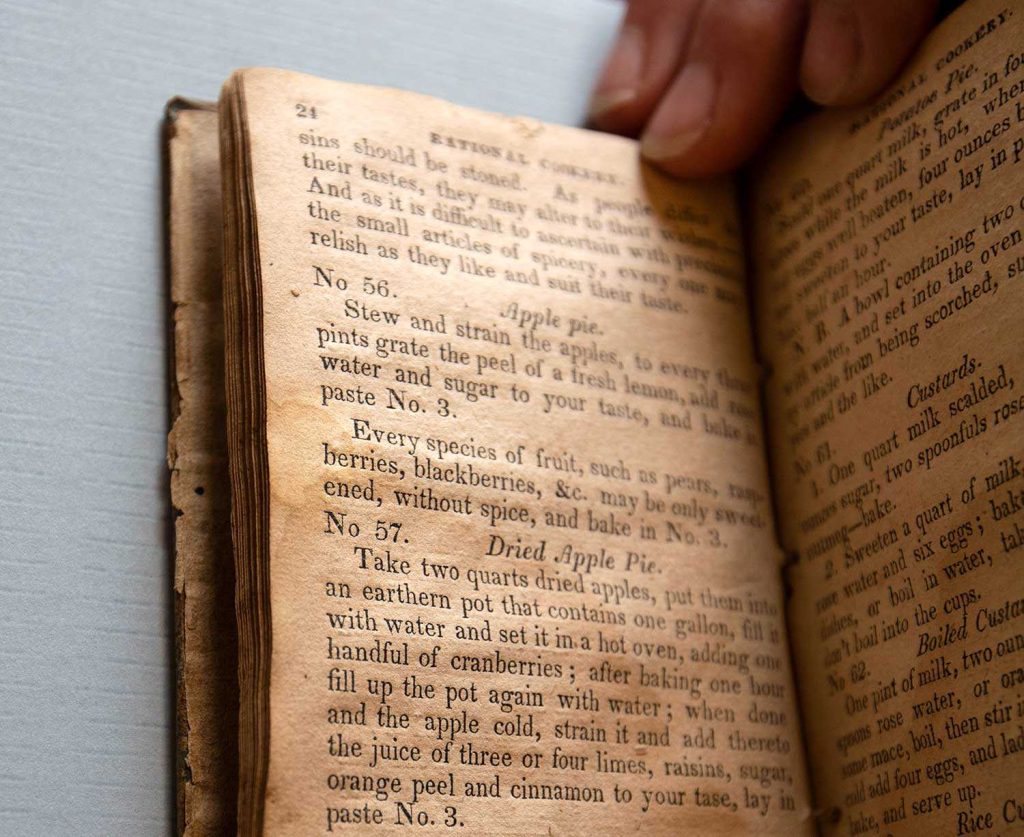
Take, for example, the cherished notion of family recipes: these culinary treasures are often passed down from parents to children, becoming a core element of family gatherings. Imagine a grandmother’s handwritten recipe for a beloved apple pie, which not only reflects culinary techniques but also encapsulates fond memories of holidays spent together. These recipes preserve the family’s heritage, connecting younger generations to their ancestors’ stories and experiences in the kitchen.
Regional specialties also highlight the geographical and climatic uniqueness of different areas, showcasing the rich tapestry of local resources. In Louisiana, the blend of Cajun and Creole cooking exemplifies how the use of local seafood, rice, and spices tells the story of its cultural crossroads. New England’s clam chowder, with its roots in Native American and colonial traditions, showcases how regional ingredients can anchor culinary identities and sustain community traditions.
Moreover, food takes center stage during cultural celebrations, where specific dishes symbolize communal traditions and rituals. For instance, during the Jewish festival of Passover, the Seder plate’s items remind participants of the Exodus story, reinforcing their Jewish identity. Similarly, the Mexican celebration of Día de los Muertos sees families preparing traditional dishes to honor loved ones, illustrating how food can serve as a bridge across time, nurturing the bond between past and present.
In the United States, the culinary landscape is a vibrant mosaic that reflects the multitude of cultures coexisting within its borders. From the spicy, hearty burritos of California’s food trucks to the delicate nuances of New York’s dim sum, each dish has a story to tell. These culinary expressions not only celebrate diversity but enhance our understanding of how food operates as a tool of preservation and communication.
As we delve deeper into this exploration, we can uncover how these culinary traditions shape our identities and influence our choices. Food is the backdrop against which personal narratives unfold, leading us on a delectable journey through the cultural legacies each dish embodies. Today, as we savor our meals, we do so with the awareness that the stories behind them shape our identities and the communities we belong to.
DIVE DEEPER: Click here to learn more
The Interplay of Recipes and Individual Heritage
At the heart of every traditional dish lies a personal narrative, woven from the threads of one’s ancestry and experiences. Family recipes serve not only as culinary guidelines but as a means of cultural transmission, echoing the voices and stories of those who came before. For many, preparing a meal from a cherished recipe is akin to embarking on a journey through time, where each ingredient recalls specific memories, emotions, and cultural practices. It’s in these moments that food transforms into a repository of familial history.
Consider the rich tradition of Sunday dinners held by many Italian-American families, where plates of pasta and hearty sauces become vehicles for storytelling. Each bite serves as a reminder of the migrant experience, the labor of love demonstrated by grandparents, and the triumphs and struggles of building a new life in America. Such meals foster a sense of belonging, encapsulating the spirit of family unity and cultural preservation. It’s this deep connection to personal history that enriches the act of cooking, elevating a meal from mere sustenance to a profound expression of identity.
Furthermore, the evolution of recipes plays a vital role in how culture is expressed and preserved. Over time, changes to ingredients or techniques reflect not only adaptations to modern tastes but also the influence of socio-political shifts and migratory patterns. For instance, the introduction of Asian spices and flavors into broader American cuisine illustrates the blending of diverse cultural influences. Dishes like sushi burritos or kimchi tacos showcase how culinary innovation thrives on cross-cultural exchanges, revealing shared experiences amidst a backdrop of diverse heritages.
This interplay is not only limited to the family setting; it extends to community cookbooks that aim to preserve regional specialties. Such publications often emerge from local organizations or cultural groups, compiling recipes that celebrate a shared identity. Not only do these cookbooks function as a means of passing down cooking techniques, but they also serve to fortify community ties. For example, cookbooks from communities of immigrants highlight their regional and cultural uniqueness, conveying stories of adaptation and resilience.
- Preservation of Culture: Recipes safeguard the culinary traditions of various cultures, providing insights into historical practices.
- Personal Connection: Each dish becomes a reflection of personal stories and family history, interlinking past and present.
- Community Building: Shared recipes facilitate connections within communities, fostering a sense of belonging and identity.
- Innovation and Adaptation: Evolving recipes showcase the dynamic nature of cuisine, revealing cultural intermingling and new narrative forms.
As we unravel the intricate relationship between culinary practices and personal identities, it becomes increasingly clear that recipes hold more than just functional importance; they encapsulate the essence of who we are. By engaging with these culinary narratives, we not only nourish our bodies but also cultivate a deeper understanding of heritage, identity, and community.
Culinary traditions serve as a rich tapestry that weaves together individual and collective identities throughout history. Every recipe is a vessel of tangible memories, transporting us to significant life moments marked by the dishes we delight in. Many families pass down cherished recipes from generation to generation, creating a sense of belonging and continuity. Each dish tied to specific cultural rituals and family gatherings is imbued with emotional significance. For example, the preparation of traditional meals during holidays often evokes nostalgia, reinforcing family bonds and cultural connections.In various cultures, food also plays a pivotal role in celebrating identity. Cooking styles, flavor preferences, and even meal times vary globally, showcasing a diverse array of practices influenced by geography, history, and availability of ingredients. This uniqueness underscores a community’s heritage. Moreover, the culinary arts are often employed as a medium for social expression, allowing individuals to share their stories, struggles, and triumphs through food. For instance, immigrant families may adapt traditional recipes to fit local ingredients or cooking methods, thereby preserving their cultural roots while simultaneously integrating aspects of their new homes.Furthermore, food offers a platform for cross-cultural exchanges. Fusion cuisine, which blends elements from multiple cultures, exemplifies how culinary practices can evolve and adapt while fostering understanding among diverse communities. When people share meals, they share experiences, breaking down barriers and inviting exploration of different cultural narratives. Culinary festivals and community potlucks encourage this interaction, granting participants the opportunity to taste and celebrate the richness of various heritages.Ultimately, the exploration of personal histories through culinary practices enables individuals to reflect on their identities. By preparing and consuming traditional dishes, one not only honors family heritage but also engages with the broader conversation about culture, history, and societal change. Every meal can breathe life into stories, redefining how we connect with our past while paving the way for future generations to appreciate the rich diversity of culinary art.
DIVE DEEPER: Click here to discover more
The Role of Food in Cultural Expression and Social Change
Recipes act as powerful instruments in the intricate tapestry of culture, representing not only our identities but also the societal shifts that navigate through time. As communities evolve, the culinary landscape often mirrors these transformations, with dishes reflecting the influences of globalization, migration, and changing social norms. The concept of cuisine as a living history helps illuminate how the act of cooking can serve as a form of resistance or adaptation, offering insight into the struggles and triumphs of various groups.
Take, for instance, the rise of Soul Food, which emerged from the African American experience, steeped in resilience and creativity born from necessity. Dishes like greens, cornbread, and fried chicken are not just meals; they are symbols of survival and a celebration of heritage. Each recipe carries the weight of history, a testament to the resourcefulness of ancestors who transformed humble ingredients into nourishing sustenance during a time of oppression. The act of preparing and sharing Soul Food within families and communities is an affirmation of identity, pride, and cultural continuity.
Additionally, the interplay between gender roles and culinary traditions highlights how identity and social structures are intricately connected. Women, often the primary custodians of household cooking, use recipes to pass down not only skills but also values and beliefs. For immigrant women, cooking traditional meals can be an empowering act of reclaiming identity in a new country, serving as a way to connect their children to their cultural roots. Community kitchens and cooking classes often emphasize this aspect, enabling women to share their culinary wisdom while forging solidarity and networks of support.
The growing popularity of food movements like farm-to-table and sustainable eating showcases a contemporary reflection of cultural values that prioritize environmental responsibility and health. These movements often connect culinary practice with ethical consumption, compelling individuals and communities to reconsider their food choices. Recipes that emphasize local ingredients not only taste better; they also reinforce connections to the land, regional identity, and a collective vision for a sustainable future. In this way, food becomes a medium through which cultural values are communicated and lived.
- Culinary as History: Recipes encode historical narratives, allowing contemporary communities to engage with their past.
- Symbol of Resilience: Traditional dishes often symbolize the struggle and triumph of marginalized groups.
- Women and Culinary Heritage: Women preserve and transmit culture through cooking, creating networks of support and community.
- Sustainability and Identity: Modern food movements connect culinary practices with ethical consumption, reflecting evolving cultural values.
As we delve deeper into the multifaceted role of recipes in shaping cultural identity, it becomes evident that food is far more than a means of sustenance. It encapsulates stories of resilience, adaptation, and interconnectedness, anchoring individuals and communities to their profound histories while allowing for the continual exploration of identity amidst an ever-changing social landscape.
DISCOVER MORE: Click here to dive deeper
Concluding Thoughts on Culinary Identity
In conclusion, the relationship between culinary practices and identity is expansive, revealing how recipes serve as vital conduits for passing down cultural and personal histories. As we have explored, each dish tells a story, encapsulating the essence of who we are and where we come from. The vibrant interplay of food and culture not only celebrates our individual backgrounds but also reflects broader societal changes, highlighting themes of resilience, adaptation, and community solidarity.
As we navigate through modern culinary movements like farm-to-table and sustainable eating, we are reminded that our choices in the kitchen are also choices about identity and values. Recipes that prioritize local ingredients and traditional cooking techniques connect us to our immediate environment, fostering a sense of belonging and regional pride. In this way, food transcends mere nourishment; it becomes a testament to our shared humanity and collective future.
Moreover, the role of women as custodians of culinary heritage underscores the significance of family traditions, empowering individuals to reclaim their narratives and fortify communal ties. As these women continue the legacy of their ancestors through recipes, they contribute not just to familial memories, but also to the rich mosaic of culture that defines our multicultural society.
The study of culinary identity prompts us to look more critically at what we consume and the stories behind each meal we share. It encourages us to cherish the recipes that encapsulate our past while fostering openness to the diverse culinary experiences around us. In doing so, we celebrate not only our own identities but also the vast, interconnected world of flavors, traditions, and histories that form the foundation of our global community.