Culinary as a Form of Art: Expressing Emotions through Dishes
The Art of Culinary Expression
The world of food transcends mere sustenance. In fact, culinary creations are a powerful medium for expressing emotions, just like any other form of art. From the kitchen to the table, every dish tells a story, conveying feelings that words often cannot. This intricate relationship between food and emotion invites us to examine how our culinary choices influence our experiences.
Consider the following examples of how cuisine reflects human experience:
- Comfort food: Dishes like macaroni and cheese or chicken soup can evoke nostalgia and warmth. These dishes often remind us of childhood and family gatherings, providing solace during difficult times. The gooey texture of cheese melting into pasta or the soothing aroma of simmering broth brings back memories of home, making us feel secure and cared for.
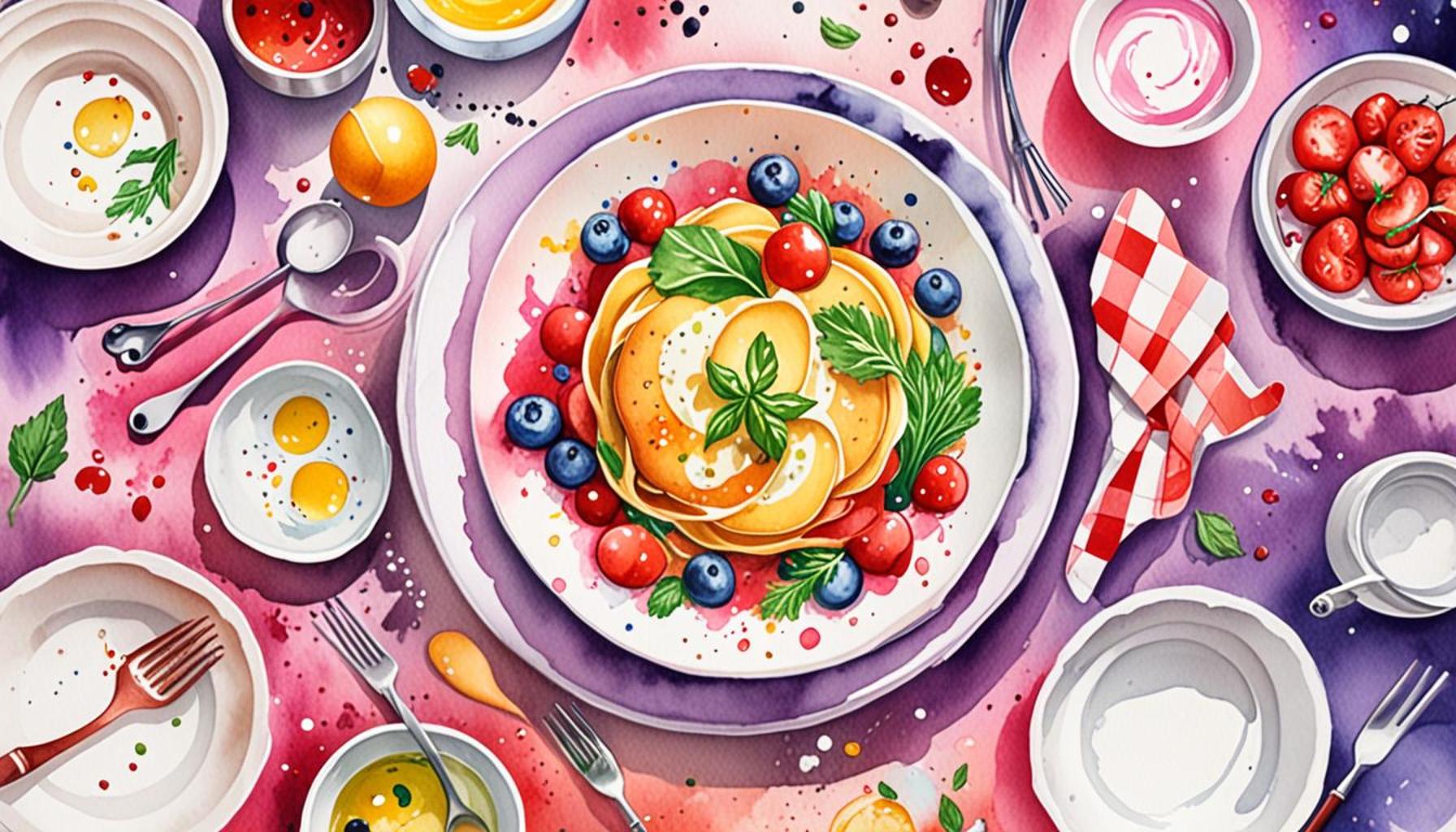
- Fine dining: Artistic presentations in high-end restaurants create an emotional connection through aesthetics. Chefs meticulously compose plates, combining colors and textures that transform a simple meal into a visual feast. For instance, a dish featuring seared scallops atop a vibrant purée of cauliflower not only tantalizes the taste buds but also captivates the eyes, inviting diners to appreciate the artistry of the culinary craft.
- Global influences: Ingredients and techniques from diverse cultures showcase the chef’s background and passions. For example, a fusion dish that combines Korean kimchi with traditional American barbecue reflects a chef’s personal journey and culinary explorations. These dishes allow diners to experience a story of cultural blending, introducing them to new flavors while honoring the roots of each ingredient.
Through flavor combinations and visual artistry, chefs can explore themes such as love, loss, and celebration. The intricate balance of taste, aroma, and texture stimulates not only the palate but also the emotions. A beautifully crafted dessert, like a rich chocolate torte drizzled with raspberry coulis, can evoke a sense of romance or mark a special occasion, making moments memorable.
This seamless blend of art and culinary skill invites diners to embark on a sensory journey that transcends geographical boundaries and personal experiences. As we delve deeper into this fascinating topic, you’ll discover how culinary art can shape experiences and forge connections between people, cultures, and traditions. From the family dinner table to the sophisticated dining experiences offered at gourmet establishments, join us as we unravel the profound relationship between cooking and emotional expression.
DISCOVER MORE: Click here to dive deeper into crafting techniques
Culinary Connections: The Emotional Palette of Food
The culinary world is rich with emotion and storytelling, where each ingredient can be seen as a brushstroke in a chef’s artistic composition. This interplay between food and feelings serves as a profound reminder of how intimately they are linked. Chefs are not just cooks; they are artists who translate their experiences, cultures, and emotions into tangible dishes. Understanding this connection reveals the transformative power of food—how certain dishes can evoke strong emotions and memories, shaping the way we experience life and share it with others.
One compelling way culinary art expresses emotions is through seasonal and regional ingredients. Each time of year brings a selection of fresh produce that tells a story of the environment. For instance, the arrival of summer often brings vibrant strawberries and juicy tomatoes, which can inspire feelings of joy and celebration. Conversely, the crispness of autumn introduces hearty squashes and earthy root vegetables, inviting warmth and comfort. These ingredients not only reflect the mood of the seasons but also connect us to the broader tapestry of nature, reinforcing the idea that our culinary choices are influenced by the world around us.
Emotional Influence of Cooking Techniques
The preparation techniques used by chefs can also profoundly affect the emotional response to a dish. Different cooking methods—whether roasting, braising, or grilling—bring out unique flavors and textures that can evoke distinct feelings. Consider the slow-cooked, tender beef in a rich, savory stew. The method of braising infuses the ingredients with deep flavors while also requiring time and care, transforming it from just food into an experience that conveys love and patience. This contrasts sharply with the quick techniques, like frying, which often result in dishes that might bring forth excitement or even nostalgia, such as crispy onion rings at a summer fair.
Furthermore, the act of cooking itself rarely exists in isolation. Cooking is frequently tied to social interactions—family gatherings, community potlucks, or romantic dinners. These occasions allow individuals to share their emotions and experiences through the food they prepare and serve. Dishes that are passed down through generations often carry the weight of family history, fulfillment, and cultural identity, making them not just meals but powerful symbols of love and connection.
Understanding the emotional depth in culinary creations encourages both chefs and diners to engage deeply with their food choices. To further explore this concept, consider the following ways in which culinary art imparts emotional resonance:
- Celebratory dishes: Cakes and pastries often mark milestones in our lives, from birthdays to weddings. The artistry behind a beautifully decorated cake embodies joy and festivity, awakening an emotional response that words can hardly capture.
- Hearty family recipes: Home-cooked meals that have been passed down in families can evoke a sense of belonging and nostalgia. Ingredients meticulously combined from cherished recipes create an essence of home that transcends time.
- Personal expression: Chefs who craft signature dishes often communicate their identities through food, allowing diners to connect with their unique stories and experiences.
As we explore further into the world of culinary art, we’ll delve into specific case studies and interviews with chefs who are redefining the boundaries of food expression. By examining their methodologies and inspirations, we can gain a richer understanding of how cuisine serves not only as nourishment but also as a profound avenue for emotional exploration and artistic expression.
When we delve into the world of culinary art, we unearth the intense connection between food and emotions. Each dish tells a unique story, often reflecting the chef’s personal journey and feelings. The act of cooking itself can be therapeutic, providing a way for individuals to channel their emotions into creativity. This transformation of ingredients into a meal is akin to a painter wielding a brush, crafting a vibrant canvas.One fundamental aspect of culinary artistry is its ability to evoke nostalgia. A single bite of a family recipe can transport us back to cherished moments, stirring up feelings of warmth and belonging. For instance, traditional dishes created with generational techniques carry a rich history that can connect us to our heritage. In this way, food becomes a vessel for remembering and reliving those pivotal moments, solidifying the relationship between memory and taste.Additionally, culinary presentation plays a significant role in how emotions are conveyed through food. The visual aesthetic of a dish often sets the tone for the dining experience, influencing our mood even before we take our first bite. Chefs invest time in plating techniques that highlight colors, shapes, and textures, ensuring that the dish is appealing to both the palate and the eye. A beautifully presented dish can elevate the experience, igniting excitement and anticipation.Moreover, the act of sharing food further amplifies its emotional resonance. From festive gatherings to intimate dinners, meals serve as a catalyst for connection. The preparation and enjoyment of food together strengthen bonds and create shared experiences, transcending verbal communication. This practice underscores the idea that meals are not just about sustenance—they’re about fostering relationships.In summary, culinary art is an intricate tapestry woven from personal history, sensory experiences, and communal bonds. Each dish is an expression of emotions, inviting diners to not only taste but also feel the narratives behind the food. As we explore this captivating form of expression, we open our hearts and minds to the profound ways in which food reflects our innermost selves.
DISCOVER MORE: Click here to explore the benefits of creative therapy
The Art of Presentation: Visual Storytelling through Food
When we consider food as an art form, one cannot overlook the profound impact of presentation on our emotional connection to dishes. The way a meal is plated can elevate it from a mere sustenance experience to one that tantalizes the senses and engages the spirit. Chefs often view their plates as canvases where colors, textures, and shapes come together in a carefully choreographed dance. A striking visual presentation can evoke emotions in the diner—whether it be excitement, intrigue, or comfort—before they even take their first bite.
Consider the aesthetic appeal of a vibrant poke bowl, adorned with luscious slices of avocado, bright radishes, and fresh herbs. Each element is deliberately chosen not only for flavor but also for its visual appeal. This dish not only nourishes the body but also provides a feast for the eyes, illustrating the concept of food as an artwork that seeks to evoke emotions. Studies have shown that food presented attractively can actually enhance the perception of flavors, leading diners to savor their meals more appreciatively. This underscores the idea that our emotional reactions to food are informed not only by taste but also significantly by what we see.
The Role of Cultural Influences
Moreover, culinary art is deeply intertwined with cultural narratives that resonate emotionally with individuals. Each dish carries with it a heritage that reflects the stories, struggles, and triumphs of a community. For instance, the bold use of spices in Indian cuisine tells tales of regional history and trade, binding communities through shared flavors and memories. Understanding these cultural connections can deepen the emotional experience of a meal, allowing diners to appreciate not only the dish in front of them but also the rich history behind it.
Let’s take the classic American barbecue as an example. The intermingling of smoke, spice, and sweetness evokes feelings of camaraderie and summertime gatherings, where friends and families come together. The heartiness of ribs slathered in tangy sauce triggers memories of summer picnics and community cook-offs, blending nostalgia with culinary artistry. As diners partake in such meals, they are not merely consuming food; they are engaging with cultural aspects and shared emotional experiences that define their identities.
The Psychological Aspect of Flavor
Furthermore, psychology plays a crucial role in culinary experiences. Research suggests that certain flavors are linked to emotions; sweet foods often evoke happiness while spicy flavors can generate excitement or a sense of adventure. Chefs keenly understand this psychological connection and often tailor their menus to elicit specific emotional responses. For instance, a dessert crafted with dark chocolate can stir feelings of indulgence and comfort, while a Mediterranean dish infused with zesty lemon and fresh herbs can evoke feelings of freshness and vitality.
The combination of culinary presentation, cultural narratives, and psychological flavor profiles contributes to the rich emotional landscape of gastronomy. As diners increasingly seek meaning in their culinary experiences, chefs are gifted with the opportunity to manipulate these elements, allowing them to craft dishes that resonate deeply on both personal and cultural levels. At this intersection of art and cuisine lies the potential to create memorable, emotion-laden experiences that transcend the simple act of eating, inviting diners to explore the many layers of connection that food provides.
As we dive deeper into this captivating world, it becomes clear that culinary arts are not only about the food on our plates but also about the emotions they ignite within us. Through innovative techniques and an understanding of human psychology, chefs can create dishes that tell stories, inspire connections, and evoke a powerful emotional resonance with those who indulge in their artistry.
DISCOVER MORE: Click here to learn about mixing techniques
Conclusion: The Culinary Canvas of Emotions
In exploring the intricate relationship between culinary arts and emotional expression, we uncover a profound tapestry woven from presentation, cultural significance, and psychological nuances. Each dish serves as a canvas, where chefs become artists, manipulating colors, textures, and flavors to evoke specific feelings and memories. The aesthetic appeal of a meal can heighten our experience, turning dining into an emotional journey before the first bite is even taken.
Moreover, the rich cultural narratives embedded in food connect us to our heritage and shared histories. When we partake in dishes like the classic American barbecue or traditional recipes from around the world, we immerse ourselves in the collective memories that flavor our lives. This cultural resonance deepens our appreciation for what we consume, transforming a simple meal into a meaningful ritual.
Finally, the psychological aspects of flavor cannot be overlooked. The ability of taste to evoke happiness, nostalgia, or excitement highlights the significance of culinary artistry in our day-to-day lives. As diners, we possess a unique capacity to explore these emotional layers, enriching our experiences and forging lasting connections with the food we love.
Ultimately, viewing culinary arts as a form of art allows us to appreciate the emotional depths that lie within our meals. It invites us to consider not just what we eat, but how it connects to our identities and experiences. As we continue to explore this engaging world, we can find that every dish tells a story, and within that story lies the heart of our shared humanity.