
Discovering the West: Cultural and Historical Activities in Ghost Towns
Discovering America’s Ghost Towns
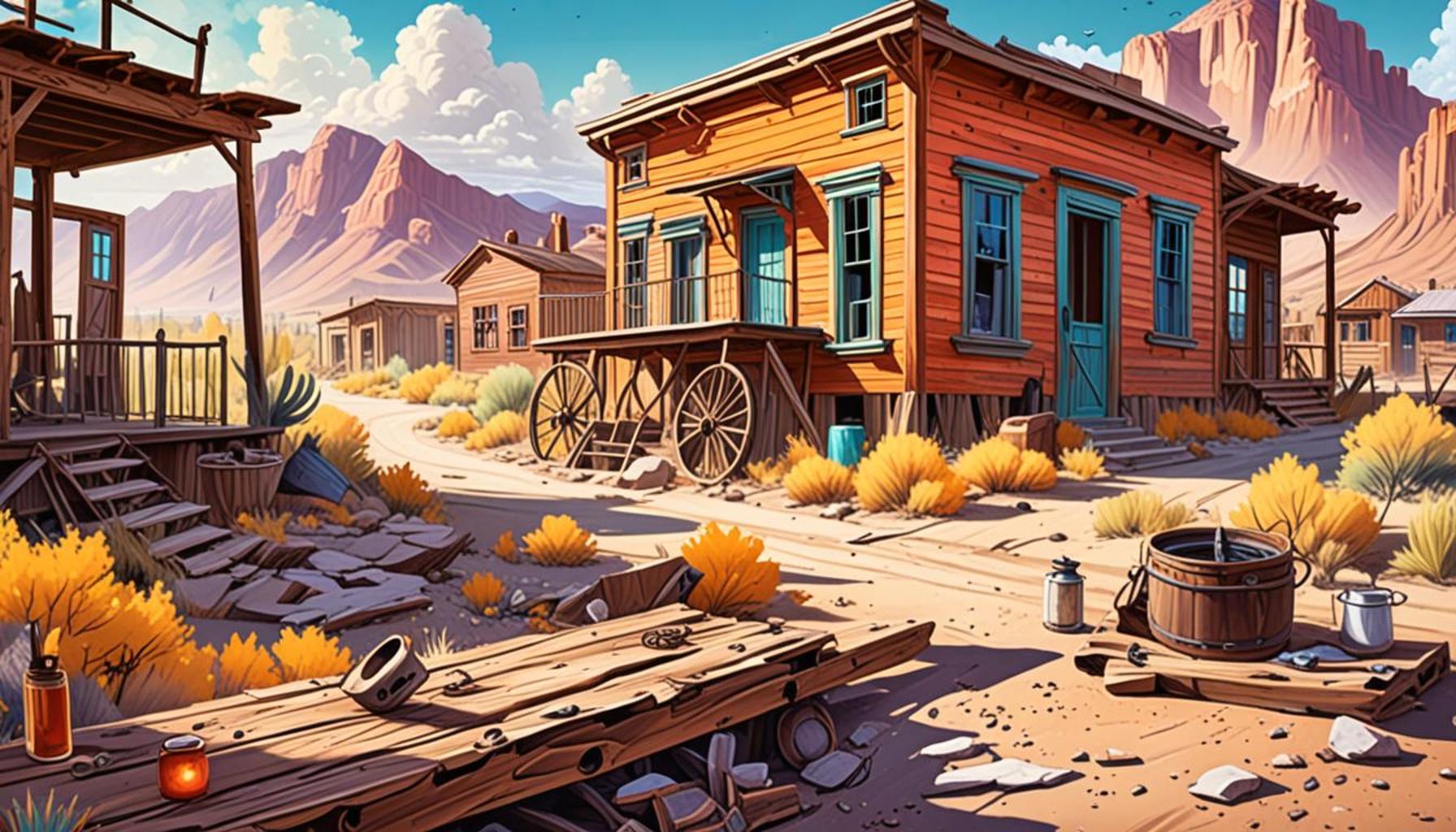
Ghost towns are fascinating remnants of a bygone era, offering a glimpse into the ambitious dreams and harsh realities of those who sought prosperity in the American West. Founded during the boom of mining, agriculture, or trade, these towns experienced rapid growth only to be abandoned when resources dwindled or economic opportunities vanished. Today, they stand as poignant memorials to human endeavor, betrayal, and the inexorable passage of time.
Visitors to these storied locations can engage in a myriad of cultural and historical activities, allowing them to immerse themselves in the tales of the towns’ former inhabitants. Some key experiences include:
- Guided Tours: Expert-led explorations that delve into the town’s past often include personal anecdotes and historical context. For instance, during tours in places like Bodie, California, guides recount tales of the Gold Rush that transformed a small settlement into a bustling community of 8,000 residents at its peak.
- Historical Reenactments: These live performances breathe life into the dusty streets, featuring actors in period costumes who enact scenes from daily life, such as gold panning or saloon brawls, giving visitors a taste of adventure common in the 1800s.
- Museum Exhibits: Many ghost towns house small museums showcasing collections of artifacts ranging from mining equipment to personal items, providing insight into the real lives and struggles of former residents. The Goldwell Open Air Museum, near Rhyolite, Nevada, is notable for its remarkable art installations juxtaposed against the desert backdrop, celebrating the ghost town’s history.
- Photography Workshops: The haunting beauty of abandoned structures and natural landscapes often attracts photographers. Workshops are available at sites like Spook City in Montana, where experts guide participants in capturing the essence of solitude among the remnants of human activity.
Each ghost town holds a unique historical significance, which makes them worthy of exploration. For instance, Leadville, Colorado, emerged during the silver boom of the late 19th century and became the highest incorporated city in North America. Its once-bustling main street now echoes with stories of those who sought fortunes in the mines that operated on its outskirts.
As you wander through their dusty streets and crumbling facades, it is easy to feel a connection to the past. Prepare to embark on a journey where every corner has a tale, and every structure whispers the echoes of those who once called it home. Whether you’re an avid historian, a curious traveler, or a photography enthusiast, these ghost towns invite exploration and promises a deeper understanding of the American narrative. Each visit is an opportunity to reflect on how the landscape and the fortunes of its inhabitants shaped our nation’s history.
DISCOVER MORE: Click here for a thrilling adventure
Exploring the Rich Narratives of Ghost Towns
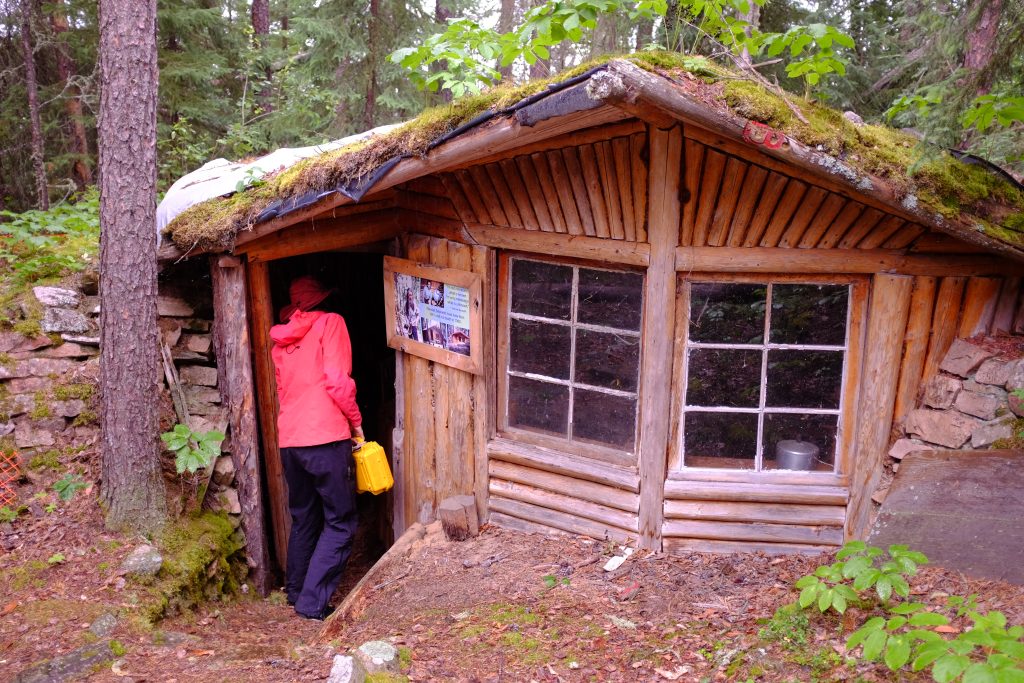
Within the stark landscapes of the American West, ghost towns serve as a portal to the past, each with its own narrative shaped by economic tides, human resilience, and the search for opportunity. Engaging with these historical sites goes beyond mere observation; it is an intimate journey into the lives and struggles of those who once populated these now-silent streets. While exploring the remnants of these towns, visitors find themselves participating in activities that illuminate the unique heritage of the West.
Ghost Town Hiking Trails: For the adventurous spirit, hiking through ghost towns offers a chance to physically connect with history. Many of these locations feature marked trails leading to notable sites. For instance, the trail around the remnants of Bodie, California, takes visitors through the remains of homes, shops, and the infamous cemetery, each spot recounting a piece of the town’s vibrant past. Hiking allows for personal discovery—each step unveils new layers of history.
Art and Culture Festivals: Some ghost towns host seasonal festivals that celebrate their unique heritage. The Rhyolite Ghost Town near Death Valley, Nevada, occasionally features art festivals where local and regional artists display works inspired by the stark beauty of the desert landscape and the haunting history of the town. These events not only provide entertainment but also foster a deeper appreciation for the cultural significance of these areas in contemporary society.
Workshops and Community Events: Educational workshops, ranging from traditional crafting to storytelling sessions, are often organized in various ghost towns. Participants may learn about period-specific crafts like blacksmithing or quilting, reflecting skills vital to the town’s early inhabitants. In Leadville, Colorado, historical societies frequently hold events that encourage community participation, such as mining reenactments or local history lectures, illuminating the town’s past for both locals and visitors.
- Mining Tours: Guided tours of abandoned mines provide an exhilarating experience, allowing visitors a firsthand look at the mining operations that once thrived in these towns. The retractable hoists, equipment, and tunnels are powerful reminders of the effort and hardship involved in the search for minerals.
- Scavenger Hunts: For families or groups, scavenger hunts in ghost towns promise a fun twist on traditional exploration. Clues often lead participants to historical markers or key locations, encouraging engagement with the site’s rich legacy.
- Photography Sessions: Enthusiasts flock to ghost towns with their cameras to capture the haunting beauty and intricate details of abandoned buildings, rusted equipment, and the surrounding landscapes.
As you delve into these engaging activities, each ghost town becomes a canvas of culture and history, revealing the myriad ways the past still influences our present. Whether reflecting on a grave marker in a deserted cemetery or admiring a decaying saloon, the transformative experience of ghost towns allows every visitor to reflect on the constant threads of human ambition woven through the fabric of American history. In every rock and ruin, a story awaits—one that resonates beyond time, beckoning you to discover the essence of the West.
| Cultural Exploration | Historical Significance |
|---|---|
| Visit Historic Landmarks | Learn about the unique stories of each ghost town, shedding light on the lives that built them. |
| Engage in Local Festivals | Experience traditional arts, crafts, and music that reflect the heritage of the region. |
Exploring the West through its ghost towns provides a fantastic opportunity to delve into both cultural heritage and historical narratives. Each abandoned structure whispers tales of the past, waiting for curious visitors to uncover them. As you travel through these once-thriving towns, engaging in activities such as visiting historic landmarks can enrich your understanding of America’s pioneering spirit. Additionally, local festivals often revive the traditions and crafts of yesteryear, allowing visitors to immerse themselves in the area’s rich heritage. The stories encapsulated in these celebrations showcase how the past informs present culture, making it not only a nostalgic visit but also a dynamic learning experience. Whether it’s folk music echoing through dusty streets or handcrafted items being showcased, each step taken in these ghost towns offers a unique glimpse into a diverse cultural tapestry. This journey into the past is both captivating and educational, beckoning travelers to discover the secrets buried within the ruins.
EXPLORE MORE: Click here for winter adventure activities in Aspen
Immersive Experiences in Ghost Towns
In addition to hiking trails and cultural festivals, ghost towns across the Western landscape offer a variety of immersive experiences that allow visitors to engage deeply with their storied past. Emphasizing hands-on participation, these activities bring history to life and foster a greater understanding of the culture that once thrived in these now-silent communities.
Reenactments and Living History Exhibits: Many ghost towns capitalize on their rich heritage by hosting reenactments that depict historically significant events. At Virginia City, Montana, for example, you can witness reenacted gunfights and skits that demonstrate skill sets from the 1800s, such as cattle wrangling or saloon culture. These immersive performances enliven the streets, allowing visitors to step into the shoes of miners, outlaws, or pioneers and experience the habits, attire, and perils of life during the Gold Rush era.
Guided Historical Tours: Expert-led tours provide a more in-depth exploration of ghost towns. Knowledgeable guides often share not only the surprising twists and turns in a town’s history but also personal anecdotes and local legends, enriching the visitor’s experience. In Old Caribou, Idaho, tours often delve into unique stories about the miners and settlers who shaped the region, illuminating the everyday life, challenges, and triumphs of its inhabitants. Such narratives remind visitors that history is not static; it morphs continuously through the lenses of those who retell it.
- Wild West Stagecoach Rides: For a unique transportation experience reminiscent of the Old West, many ghost towns offer stagecoach rides through historic roads. The rattling of wheels and the clip-clop of horses provide a sensory immersion into the era, allowing visitors to understand the pace of life before modern conveniences transformed travel.
- Photography and Art Workshops: Capturing the beauty of ghost towns through art can lead to stunning creations, and various workshops are available for those seeking artistic exposure. Whether it’s a photography class that teaches techniques for capturing eerie landscapes or a painting session in front of stunning backdrops, these artistic endeavors encourage connection with the environment.
- Historical Preservation Projects: Community involvement in preservation efforts serves as a gateway for visitors to engage with local history. Many ghost towns invite volunteers to participate in restoration projects, offering an avenue for hands-on learning. By helping to rehabilitate structures or tidy historic sites, visitors contribute actively to maintaining the legacies of these once-thriving communities.
As ghost towns continue to capture the imagination of historians and travelers alike, they offer more than fading ruins and echoing pasts; they provide a stage upon which the stories of resilience, hope, and the pursuit of prosperity unfold. Whether feeling the dust settle after a reenactment or sketching the contours of a dilapidated barn, each interaction in these towns deepens the understanding of a bygone era. The rich tapestry of activities available encourages a personal connection to history, transforming visitors into active participants in the stories of the West.
DISCOVER MORE: Click here to uncover the glamping trend
Conclusion: Unraveling the Legacy of Ghost Towns
The exploration of ghost towns reveals a captivating chapter of American history, where the stories of perseverance, ambition, and hardship are etched into every weathered building and dusty trail. As we venture into these once-thriving communities, we immerse ourselves in a myriad of cultural and historical activities that not only entertain but also educate. The chance to witness reenactments and engage in guided tours enriches our understanding, establishing a visceral connection to the lives of those who once roamed these landscapes.
Furthermore, participating in wild west stagecoach rides offers a tangible taste of the past, while photography and art workshops encourage us to interpret and capture the haunting beauty of what remains. Engaging in historical preservation projects allows visitors to contribute to the legacy of these towns, turning passive observers into active custodians of history.
As travelers seek to retrace the paths of pioneers and adventurers, ghost towns illuminate the human spirit’s quest for hope and opportunity amidst adversity. With each visit, we not only honor the memories of those who built these communities but also acknowledge the lessons they impart. Ultimately, the journey through these fascinating locales stirs our imagination, inviting us to explore, reflect, and redefine our understanding of the American West and its multifaceted history. So, the next time you step into a ghost town, remember: you are not just a visitor; you are part of a continuing story that deserves to be told.