Exploring Different Forms of Artistic Expression: Painting, Sculpture, and Digital Art as Creative Hobbies
Unleashing Potential Through the Various Mediums of Art
Art serves as a powerful conduit for self-expression, embodying a diverse array of cultural perspectives and personal narratives that resonate across different backgrounds. By delving into various creative practices, individuals not only unlock their own creativity but also discover new ways to connect with others. Whether it’s through painting, sculpture, or digital art, each medium equips artists with a unique toolkit for conveying their thoughts and feelings.
Exploring the Dimensions of Painting
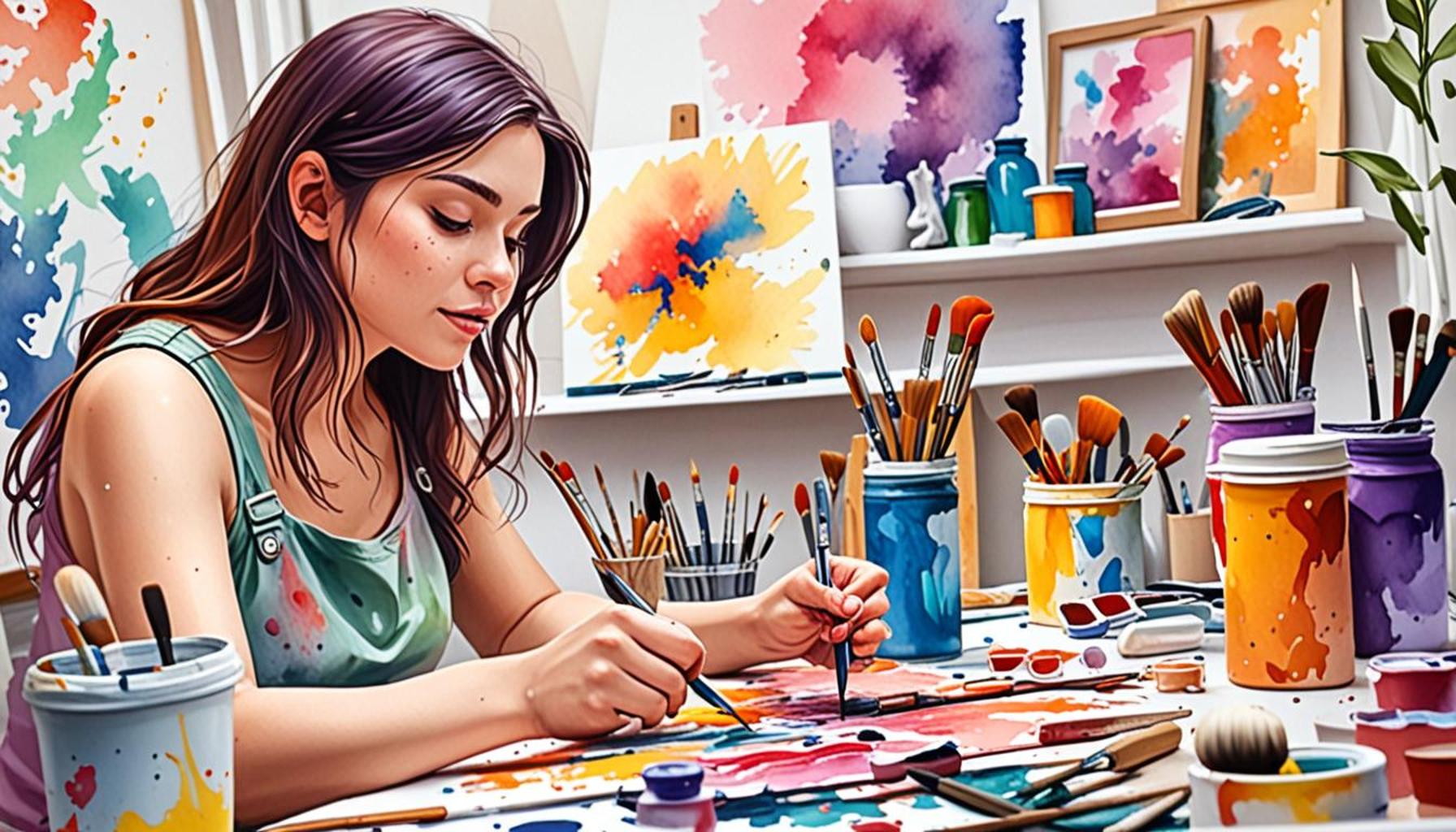
Painting is perhaps one of the most accessible forms of art, allowing individuals to experiment with a myriad of techniques and styles. From the delicate strokes of watercolor that capture light and movement to the vibrant and textured layers of oil paint, each technique can evoke a different emotion. For instance, abstract impressionists like Claude Monet used color and form creatively to express feelings rather than direct representations, encouraging viewers to interpret the piece emotionally. Local art classes or community workshops often provide the perfect environment for budding painters to explore their technical skills and find their artistic voice.
The Tactile Experience of Sculpture
Sculpture, in stark contrast to painting, invites artists to engage not just visually but physically with their art. By working with materials such as clay, metal, stone, or even found objects, sculptors create three-dimensional works that can be both visually striking and texturally engaging. Notable sculptors like Alexander Calder, known for his mobile sculptures, utilized movement and balance to challenge traditional art forms. Engaging in sculpting can foster a deep appreciation for form and space, as artists manipulate materials to transform their ideas into tangible realities. Community art centers often host workshops that allow individuals to experiment with sculpting techniques, providing hands-on experiences to develop artistic proficiency.
The Digital Frontier of Creative Expression
Digital art marks a revolutionary shift in creative expression, employing technology to blur the lines between traditional art forms and modern innovation. Programs such as Adobe Photoshop and Procreate enable artists to create intricate visuals in a digital format, allowing for endless experimentation without the constraints of physical materials. This evolution makes art creation more accessible to a broader audience, encouraging widespread participation. Many artists showcase their work on platforms like Instagram and Etsy, effectively building communities around shared interests. The adaptability of digital media not only enhances creativity but presents endless possibilities for collaboration and learning.
The journey through art provides not only personal fulfillment but numerous psychological and cognitive benefits. Research suggests that engaging in artistic activities fosters stress relief, boosts problem-solving skills, and significantly enhances self-confidence. Additionally, sharing one’s art can create meaningful connections within local communities or across social media platforms, allowing artists to gain feedback and support from fellow creators.
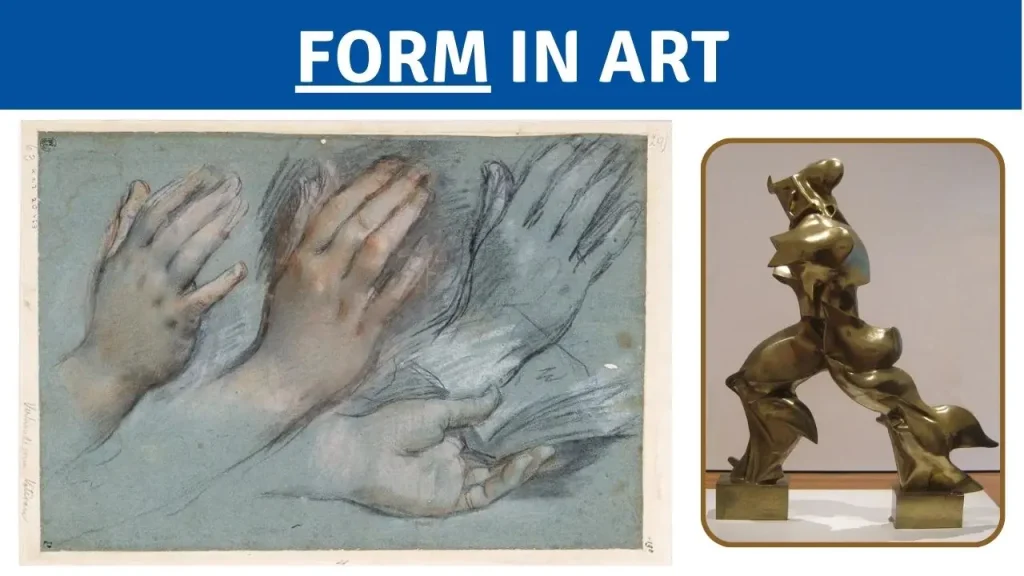
Embrace the chance to explore art in its multifaceted forms, as each holds the potential to unlock creative reservoirs within. Dive into painting, sculpting, or digital artistry and open up a world where self-expression knows no bounds. The landscape of art awaits your unique contributions!
DIVE DEEPER: Click here to discover how cooking can heal
Rediscovering Colors and Canvases: The Art of Painting
Painting stands out as a timeless medium that has captivated individuals for centuries. It offers a direct pathway to explore various emotions through color, form, and texture. As one dips a brush into vibrant pigments, the canvas comes alive, providing a blank slate for imagination and creativity. Many enthusiasts gravitate towards painting due to its versatility; whether it’s the fluidity of watercolors or the depth of acrylics, each choice allows for unique expression.
For those interested in diving into the world of paint, there are numerous styles and movements to inspire the creative process. Impressionism, for example, emphasizes the effects of light and color, as seen in works by artists like Vincent van Gogh. Alternatively, the boldness of abstract art permits artists to turn emotions and thoughts into visual forms free from representational constraints. The accessibility of local art studios and online tutorials has also made pursuing painting a practical hobby, where individuals can learn techniques and explore personal styles.
Engaging in painting not only nurtures artistic skills but also provides mental health benefits. Research has shown that spending time in creative endeavors can significantly reduce stress, enhance mood, and even improve cognitive functioning. Thus, joining a community art class or a local painting group can foster social connections while enhancing creative expression.
Three-Dimensional Wonders: The World of Sculpture
The practice of sculpture offers a completely different approach to artistic creation, inviting individuals to work with materials that shape our physical world. By manipulating materials like clay, stone, metal, and wood, sculptors create three-dimensional forms that can alter spatial perceptions and provoke thought. The tactile experience associated with sculpting enables artists to engage their senses actively, deepening their connection to the work. For example, renowned artist Henry Moore used organic shapes to reflect the human figure, bringing emotional depth to his sculptures.
Rights of passage into sculpture can be as straightforward as visiting a community center or enrolling in a pottery class. Here, people can learn essential skills such as molding, carving, and assembling various materials. The tactile nature of working with different substances not only enhances creativity but also fosters patience and mindfulness—attributes often undervalued in today’s fast-paced world. Moreover, working on sculptures can provide a gratifying sense of accomplishment, as seeing a piece evolve from a mere idea into a concrete form is an incredibly rewarding experience.
Creative hobbies like painting and sculpture offer ample opportunities for personal growth and community engagement. They challenge individuals to extend beyond their comfort zones and explore their artistic capabilities. As you delve deeper into your creative journey, you may find that the act of making art becomes an integral aspect of how you express yourself.
Venturing into Digital Dimensions
Digital art introduces an innovative twist to traditional artistic practices, leveraging modern technology to inspire new voices and visions. With tools and software available for artists of all skill levels, the barriers to entry have significantly diminished. Programs like Adobe Illustrator, Corel Painter, and Procreate allow for an incredible range of artistic expression, from finely detailed illustrations to captivating animations.
The rise of digital art has also transformed the way artists share their work, with platforms like DeviantArt, ArtStation, and social media sites playing vital roles in building connections within artistic communities. Online galleries allow artists to showcase their work globally, gaining exposure and feedback from diverse audiences. Digital art facilitates collaboration, as artists across the world can work together on projects through shared files and tools, fostering an environment of creativity and innovation.
As you continue to explore the different forms of artistic expression—painting, sculpture, and digital art—you may discover a deeper understanding of your creative potential and how it can resonate with others. Each form offers unique opportunities for engagement and personal exploration, making the art journey both fulfilling and transformative.
| Art Form | Advantages |
|---|---|
| Painting | Enhances creativity and allows for personal expression, letting individuals convey emotions and stories through color and form. |
| Sculpture | Fosters tactile skills and spatial awareness, as artists manipulate materials into three-dimensional forms, leading to unique masterpieces. |
| Digital Art | Encourages innovation and integration of technology in creative processes, broadening possibilities with dynamic tools and platforms. |
Exploring different forms of artistic expression can be both rewarding and enriching. Painting serves as a powerful outlet that allows individuals to delve into their imaginations, enhancing their creative thinking skills. The tactile sensation of holding a brush, the vivid colors that blend and contrast on canvas, create an immersive experience that nurtures the spirit.Sculpture, a versatile art form, engages not only the eyes but also the hands and the mind. Working with materials such as clay, metal, or wood encourages a deepened understanding of the physical world and our interaction with it. This hands-on approach enhances fine motor skills and spatial reasoning, vital abilities in various fields.On the other hand, digital art represents the cutting-edge of creativity, merging traditional artistry with modern technology. This form offers artists a diverse palette filled with endless possibilities—from digital painting to animation. Tools such as graphic tablets and software applications have revolutionized how art is created, making it accessible and adaptable for all skill levels. Each artistic discipline provides unique advantages, making the journey of exploring art both diverse and fulfilling.
DIVE DEEPER: Click here to enhance your crafting skills
Bringing Creativity to Life: The Impact of Sculpture
The art of sculpture offers a tactile and immersive way to engage with creativity, bridging the gap between physical space and artistic expression. Sculptors manipulate various materials such as clay, metal, and glass to create pieces that can evoke emotion, challenge perceptions, and even beautify public spaces. The three-dimensional nature of sculpture allows artists to explore themes of depth and texture that painted mediums might not capture. For instance, the intricate glass sculptures by Dale Chihuly employ vibrant colors and delicate forms, captivating viewers with their transparency and interplay with light.
Individuals interested in sculpting can begin their journey through local workshops, art schools, or even online courses, learning essential techniques like carving, molding, and casting. The process of creating sculptures often demands patience, as artists may spend hours refining shapes and surfaces to achieve their desired vision. This meditative practice has proven beneficial for mental well-being, encouraging mindfulness and focus.
Moreover, contemporary sculptors often incorporate mixed media, pushing the boundaries of traditional sculpture by integrating materials like electronics, everyday objects, and even digital elements. Artists such as Anish Kapoor have redefined the possibilities of form and perception, leading to dynamic installations that engage audiences on multiple levels. By exploring sculpture as a hobby, individuals can not only improve their technical skills but also challenge their understanding of space and artistic dialogue.
Innovating with Pixels and Brushes: The Realm of Digital Art
Digital art stands at the forefront of contemporary artistic expression, merging the love of traditional art forms with cutting-edge technology. As a rapidly growing field, digital artists now have access to an array of tools—from graphic tablets to software applications that specialize in digital painting and 3D modeling. Programs like Photoshop and Blender empower creators to manipulate images, compose digital illustrations, and even craft intricate animations.
This innovative medium provides artists with a unique platform to experiment with styles and concepts, often resulting in artwork that is both captivating and boundary-pushing. For example, digital illustrations can seamlessly blend realism with fantasy, creating worlds that challenge our perceptions of reality. Platforms such as Twitch and YouTube have further democratized access to the digital art community, allowing artists to livestream their processes, share their techniques, and engage with viewers in real-time, fostering a vibrant online community.
Not only does digital art present opportunities for individual expression, but it also opens avenues for collaboration and crowd-sourced projects. The rise of NFTs (Non-Fungible Tokens) has revolutionized how digital artists can monetize their work, allowing them to connect with collectors and enthusiasts directly. As the landscape of digital art evolves, the potential for innovation and creativity appears limitless, encouraging participants to continuously adapt and explore new ideas.
Embracing artistic hobbies such as sculpture and digital art can enrich one’s life with personal fulfillment and a sense of achievement. As individuals engage in these creative pursuits, they not only cultivate their artistic skills but also illuminate their journeys of self-discovery, forging connections that transcend mere artistic endeavor. With the support of vibrant community networks and the boundless realms of inspiration at their fingertips, both novice and experienced creators alike can thrive in these diverse forms of artistic expression.
DISCOVER MORE: Click here to dive deeper
Conclusion: The Transformative Power of Artistic Hobbies
In an era where self-expression and creativity are highly valued, exploring different forms of artistic expression—be it through painting, sculpture, or digital art—offers a meaningful outlet for individuals to connect with themselves and the world around them. Each of these mediums provides a unique canvas for personal reflection, urging creators to delve deeply into their thoughts, emotions, and experiences. Whether it is the tactile nature of sculpture that invites physical interaction, the vibrant strokes of a paintbrush that liberate colors in a dreamy landscape, or the innovative possibilities of digital creations that push artistic boundaries, each form serves to ignite inspiration and foster ingenuity.
Engaging in art as a hobby not only cultivates technical skills and a deeper understanding of artistic techniques but also plays an essential role in enhancing overall well-being. The meditative qualities of creating art can reduce stress, promote mindfulness, and nurture mental health. Furthermore, the sense of community found within the arts—whether in local workshops or online platforms—provides a support system that enriches the creative process through collaboration and shared learning experiences.
Ultimately, the journey into the realms of painting, sculpture, and digital art reveals not just the joy of making but also pathways toward personal growth and connection. As individuals embrace these artistic ventures, they may discover newfound passions, cultivate creativity, and leave an imprint on the vast landscape of human expression. In this ever-evolving dialogue of art, the opportunities for discovery are truly endless; the only limit is one’s imagination.