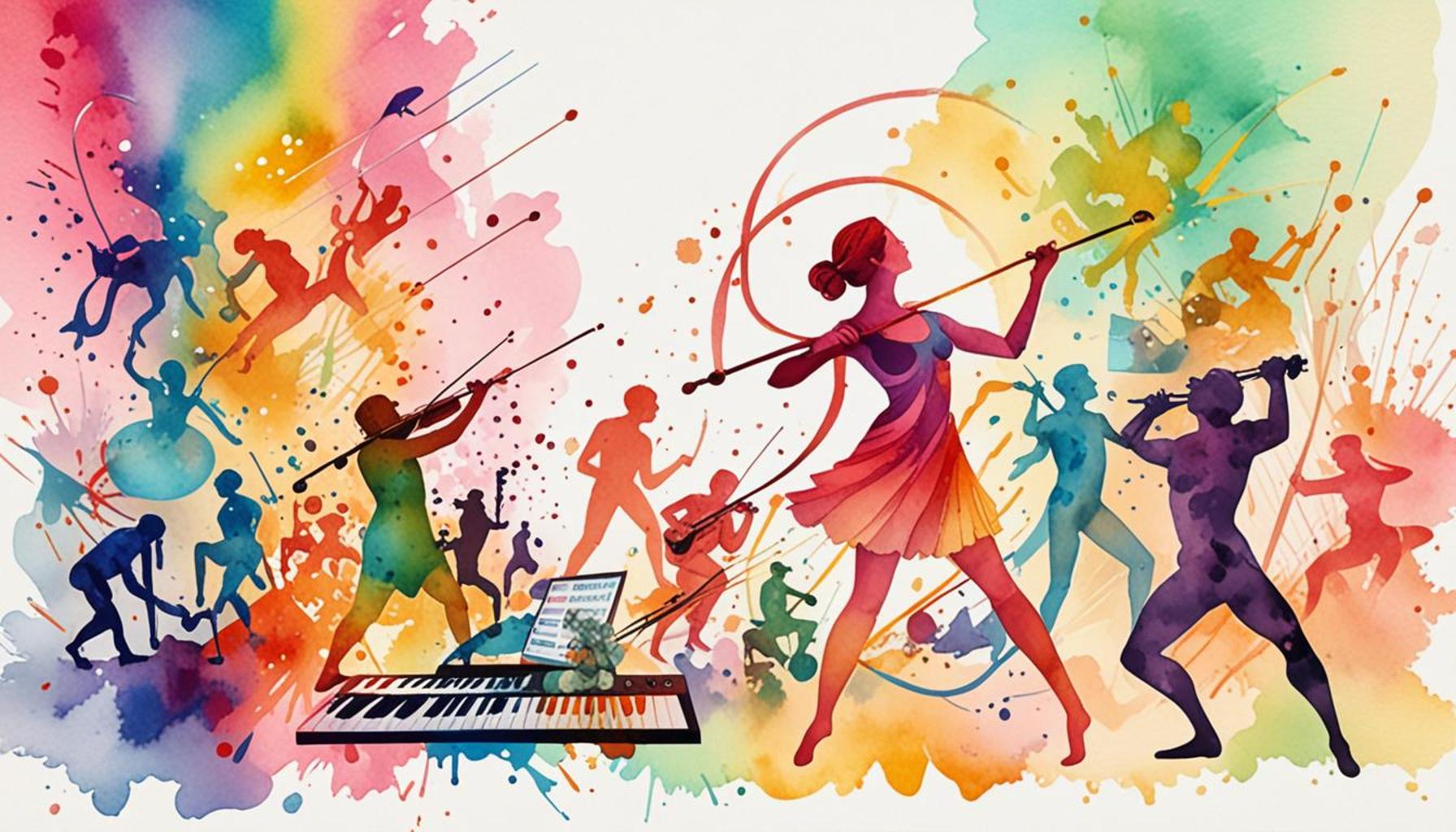
Exploring the Intersection of Technology and Performance Arts in Modern Creativity
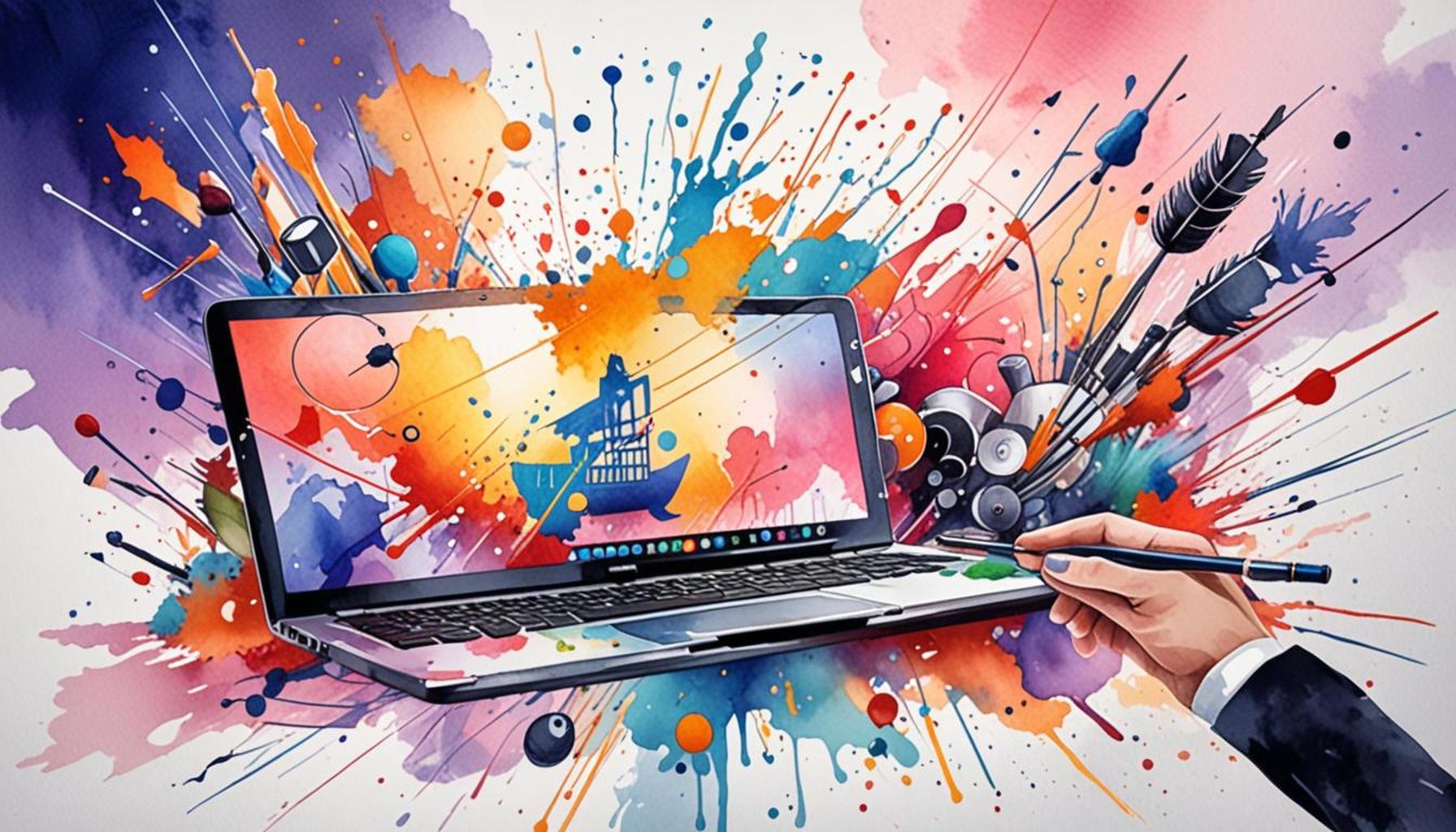
Embracing New Dimensions of Creativity
The rapid evolution of digital technology is reshaping our cultural landscape, particularly in the performance arts. Artists and technologists are collaborating like never before, pushing the boundaries of artistic expression and audience engagement. In a world where smartphone screens often distract from live performances, embracing innovative technologies is essential for artists to captivate their audiences and create memorable experiences.
Virtual Reality (VR) stands at the forefront of this transformation. VR allows audiences to immerse themselves in experiences that were previously unimaginable. For instance, companies like The Imaginarium offer fully immersive performances where participants can walk through fantastical landscapes and interact with characters, blurring the lines between the spectator and the performance. A recent example includes VR adaptations of classic plays, where viewers can step onto the stage and influence the narrative, creating a personalized storytelling experience.
Similarly, Augmented Reality (AR) has revolutionized live performances by overlaying digital enhancements onto the real world, enriching the audience’s experience. One prominent case is the use of AR in concerts, where performers, such as the widely acclaimed artist Lady Gaga, have incorporated AR elements to deliver spectacular visual presentations that audience members can access through their smartphones. This melding of virtual and physical realities creates an interactive atmosphere that resonates with tech-savvy viewers, drawing them into the creative process.
Interactive Installations further shift the role of the audience from mere watchers to integral participants. In installations at venues like the Whitney Museum of American Art, visitors interact with the artwork using their bodies or mobile devices, triggering responses from the digital environment. This level of engagement fosters a sense of ownership and connection, challenging conventional notions of authorship in art.
Moreover, Digital Projections have transformed stage design into a vivid, dynamic component of live performances. Theatrical productions now utilize innovative software to project stunning visuals that enhance narrative structures. Productions such as War Horse have famously employed digital projections to create immersive backdrops and lifelike animations, turning the stage into a constantly shifting canvas that visually narrates key moments in the story.
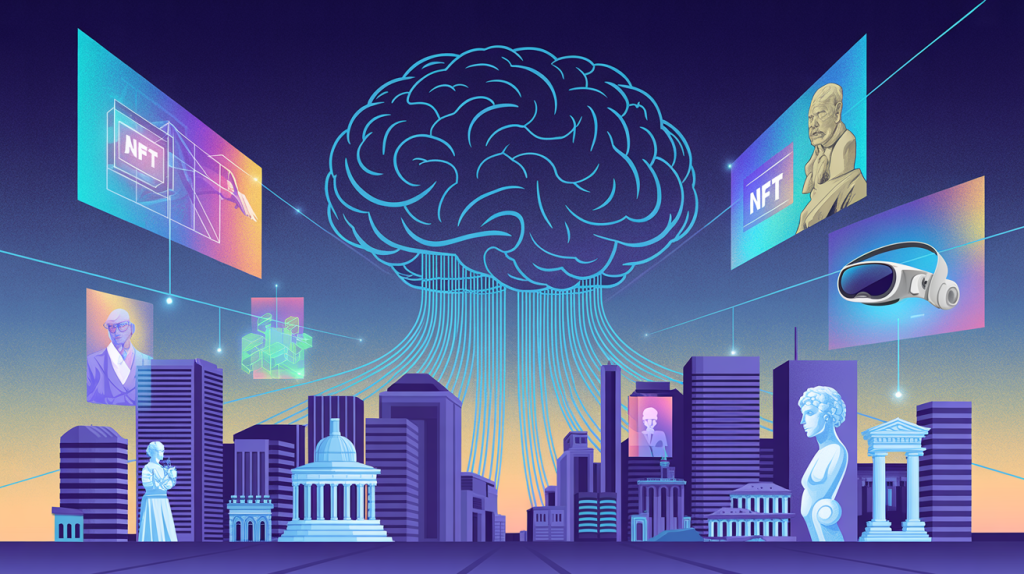
This technological evolution not only reshapes performances but also drastically alters audience perceptions of art itself. As technology serves as a catalyst for creativity, a vibrant dialogue emerges where tradition meets innovation. The result is a robust landscape filled with unique opportunities and ongoing challenges that both excite and inspire artists and audiences alike.
Exploring Collaborative Frontiers
As we dive deeper, it becomes clear that the intersection of technology and performance arts offers fertile ground for future exploration. Notable collaborations include projects by artists like Marina Abramović, who has ventured into VR to enhance her own boundary-pushing works, and innovation labs such as NYU’s immersive design lab, where interdisciplinary teams are crafting the next generation of performance experiences.
Looking ahead, future trends in performance arts promise to continue revolutionizing this landscape. From advancements in artificial intelligence creating generative art pieces to the potential of blockchain technology offering artists new revenue pathways, the possibilities are limitless. As we embark on this journey, it becomes crucial to understand how these technological intersections could not only reshape the artistic process but also redefine what performance art means in our rapidly changing society.
Join us as we uncover the exciting realms that await in the fusion of performance arts and technology, while exploring its implications across the United States and beyond.
DIVE DEEPER: Click here to discover how community theater enriches our connections
Transformative Technologies in Performance Arts
The fusion of technology and performance arts is not merely an enhancement; it is a revolution that is changing the very essence of how stories are told and experienced. Many artists today find themselves at the crossroads of digital innovation and traditional artistry, leading to experimental forms that break down barriers between creator and audience, form and function. This journey into the realm of technological integration is characterized by a few key components that continue to reshape the landscape of performance arts.
Multimedia Storytelling
Multimedia storytelling has emerged as a cornerstone of contemporary performance arts, allowing for diverse narratives that engage audiences in immersive ways. Artists now utilize soundscapes, visuals, and interactivity to craft experiences that resonate deeply. Several examples showcase how multimedia can enhance emotional connections:
- Theatrical productions incorporating film projections that narrate subplots are becoming increasingly common, creating a depth that traditional stage settings might lack.
- Live music performances featuring layered audio recordings alongside live instrumentation create a rich auditory tapestry, allowing artists to explore complex themes.
- Dance performances often employ video mapping techniques, transforming stages into vibrant, animated ecosystems that react dynamically to the dancers’ movements.
Such innovative approaches not only captivate audiences but also challenge conventions of what constitutes a performance. This new system of storytelling engages spectators on multiple sensory levels, reinforcing their connection to the artwork and, ultimately, to one another.
Artificial Intelligence: The New Collaborator
Another groundbreaking development is the use of Artificial Intelligence (AI), which redefines the roles of artists and creators. AI algorithms can analyze vast amounts of existing artistic work to generate new compositions, enabling creators to explore previously uncharted territories. For example, AI-driven platforms are being used for:
- Creating original music scores that adapt in real time to a performer’s movements, creating a symbiotic relationship between artist and technology.
- Generating visual art for stage designs that evolve throughout a performance, enhancing the visual narrative and keeping audiences engaged.
- Developing interactive storylines in immersive experiences that respond to audience decisions, creating a personalized journey for each participant.
This integration of technology not only allows for unprecedented creative freedom but also raises questions about originality and authorship. As AI continues to blend into the fabric of performance arts, discussions around ethical implications and the potential displacement of traditional artists are becoming increasingly vital.
The dialogue between the physical and digital domains generates a unique cultural space where innovative ideas can flourish. By navigating this intricate weave of creativity, artists can redefine their work while forging essential connections with audiences, pushing them to reconsider the boundaries of their own participation in the artistic process.
As we delve further into the various facets of this intersection, it becomes apparent that understanding how technologies influence performance arts is critical for all stakeholders — from creators to curators and audiences themselves. The coming sections will explore these shifts in greater detail, examining how artistic expression, audience engagement, and technology continue to evolve hand in hand.
| Advantage | Explanation |
|---|---|
| Enhanced Interactivity | The integration of digital tools fosters an immersive experience, allowing audiences to engage with performances in real-time, transforming passive viewing into active participation. |
| Broadened Accessibility | Online streaming and virtual reality technologies enable global audiences to experience performance arts like never before, breaking geographic and socio-economic constraints. |
With these advantages, we are witnessing a renaissance of creativity, combining traditional performance with cutting-edge technology. Performers harness tools such as augmented reality and social media platforms to expand their reach and enhance storytelling. Creative coding is becoming integral in creating visuals and soundscapes, leading to new forms of expression that captivate audiences.Moreover, collaboration between technologists and artists cultivates a rich ecosystem where ideas flow freely, resulting in innovative performances that blend voice, movement, light, and sound in previously unimagined ways. Such partnerships often lead to unique interdisciplinary projects that redefine the scope of what performance arts can achieve today.As we delve deeper into the relationship between technology and performance, it’s essential to explore the implications of these advancements not only for creators but also for audiences who can now partake in experiences that provoke thought and foster connection. This convergence of art and technology not only stimulates the imagination but also opens doors to new business models and avenues of funding for the arts. How will the future of performance arts continue to evolve in this tech-centric landscape? This ongoing exploration promises to redefine creativity and challenge traditional perspectives on artistry.
DIVE DEEPER: Click here for expert mixing techniques
Innovative Platforms and Virtual Experiences
As technology evolves, so too do the platforms through which performance arts are disseminated and experienced. The advent of virtual reality (VR) and augmented reality (AR) has unlocked new realms for storytelling and spectator involvement. These technologies immerse audiences in vibrant worlds, allowing them to engage with performances from unique perspectives, thereby deepening their connection to the art form itself.
Virtual Reality: Immersive Engagement
VR offers an unprecedented level of immersion, allowing audiences to step into the narrative. By donning VR headsets, viewers can find themselves in the midst of a performance, experiencing it not just as onlookers but as active participants. Some compelling examples illustrate the potential of this technology:
- “The Under Presents” combines live theater with VR gaming, where performers interact with audiences in real time, creating a dynamic experience that shifts with each viewer’s choices.
- “The Lion King VR Experience” transports users to the African savanna, where they can engage with vibrant landscapes and characters from the story, bridging the gap between film and live performance.
- Immersive art installations often utilize VR to create multi-sensory environments that expand on traditional exhibition formats, enabling spectators to explore artistic narratives in an interactive manner.
Such applications of VR not only encourage an intimate bond between art and the audience but also challenge the conventional notion of a passive viewer. Each experience becomes unique to the individual, fostering a form of connection that is both personal and profound.
Augmented Reality: Blurring the Lines
On the other hand, AR enhances the real world by overlaying digital information. This technology allows audiences to engage with performances in their existing environments, creating a blend of the physical and digital realms. Several artists are experimenting with AR to expand the dimensions of their work:
- Stage productions have begun incorporating AR elements that can be accessed via smartphones or AR glasses, allowing audiences to experience additional layers of storytelling without altering the primary performance.
- Sculptural installations are enhanced with AR projections that animate and add context, providing viewers with a richer understanding of the artist’s message.
- Public performances, such as festivals, have utilized AR apps to offer interactive experiences, enabling participants to engage with performances and their creators in innovative ways.
The integration of AR into performance arts not only showcases the capabilities of modern technology but also emphasizes the shared experience of art as a communal activity. This convergence invites audiences to transcend their typical viewing roles, becoming co-creators who influence the narrative in real-time.
Streaming Revolution and Global Accessibility
With the rapid progress of technology, the streaming revolution has transformed how performances reach audiences. Artists can now broadcast live shows globally, allowing for wider accessibility and participation. This democratization of performance arts has opened doors for diverse voices and narratives traditionally underrepresented:
- The rise of platforms like Facebook Live and Instagram Live has enabled artists to perform directly to their audience’s living rooms, breaking geographical barriers and enabling intimate connections.
- Online theater companies are experimenting with interactive productions that allow viewers to influence outcomes through their voting or decision-making, heralding a new era of participatory performance.
- Streaming services are beginning to offer special programming that blends traditional performances with behind-the-scenes insights, enriching the audience’s appreciation for the art form.
This evolution not only broadens the reach of performance art but also reshapes its essence, merging different forms and creating a rich tapestry where technology, creativity, and artistic expression thrive together in harmony.
DISCOVER MORE: Click here to dive into the latest trends
Conclusion: A New Era in Performance Art
In navigating the thrilling intersection of technology and performance arts, we have witnessed a monumental shift in how creativity is expressed and experienced. From the immersive realms of virtual reality (VR) to the interactive capabilities of augmented reality (AR), artists are no longer confined to traditional modes of storytelling. They are embracing innovative platforms that not only enhance audience engagement but also redefine the notion of who can create and participate in the artistic process.
The streaming revolution further democratizes this space, allowing performances to reach diverse audiences beyond geographical limitations. Audiences can now engage with live shows in real-time, stepping into a global community that celebrates creativity in all its forms. This openness enriches the narrative landscape, granting visibility to voices and stories that may have once gone unheard.
As we reflect on these developments, it becomes clear that technology is not a mere tool but a catalyst for profound transformation in the arts. As artists continue to explore these new frontiers, the future of performance art promises to be one of collaboration, reimagination, and enhanced sensory experiences. Understanding this evolving relationship between technology and art invites us to not only appreciate the performances of today but also to anticipate the groundbreaking creativity of tomorrow. In doing so, we become active participants in a cultural dialogue that is continually reshaped by innovation and imagination.