Exploring the Relationship Between Creativity and Problem Solving in Puzzles
The Fascination with Puzzles
Puzzles have long fascinated individuals across generations, serving as both entertainment and a challenge for the mind. When we engage with puzzles, we’re not just filling in blanks or finding hidden objects; we are tapping into our creative problem-solving skills. This mental exercise can range from a leisurely afternoon with a jigsaw puzzle to the intellectual rigor of a complex mathematical conundrum, showcasing how diverse and enriching these activities can be.
Types of Puzzles and Their Unique Challenges
There exists a wide variety of puzzles, each offering different cognitive demands and requiring unique problem-solving strategies. For example, crossword puzzles stimulate linguistic abilities and knowledge retention, pushing solvers to think of synonyms and recall trivia to complete the puzzle grid. Meanwhile, Sudoku emphasizes logic and numeracy, urging players to methodically deduce where numbers fit based on elimination and pattern recognition.
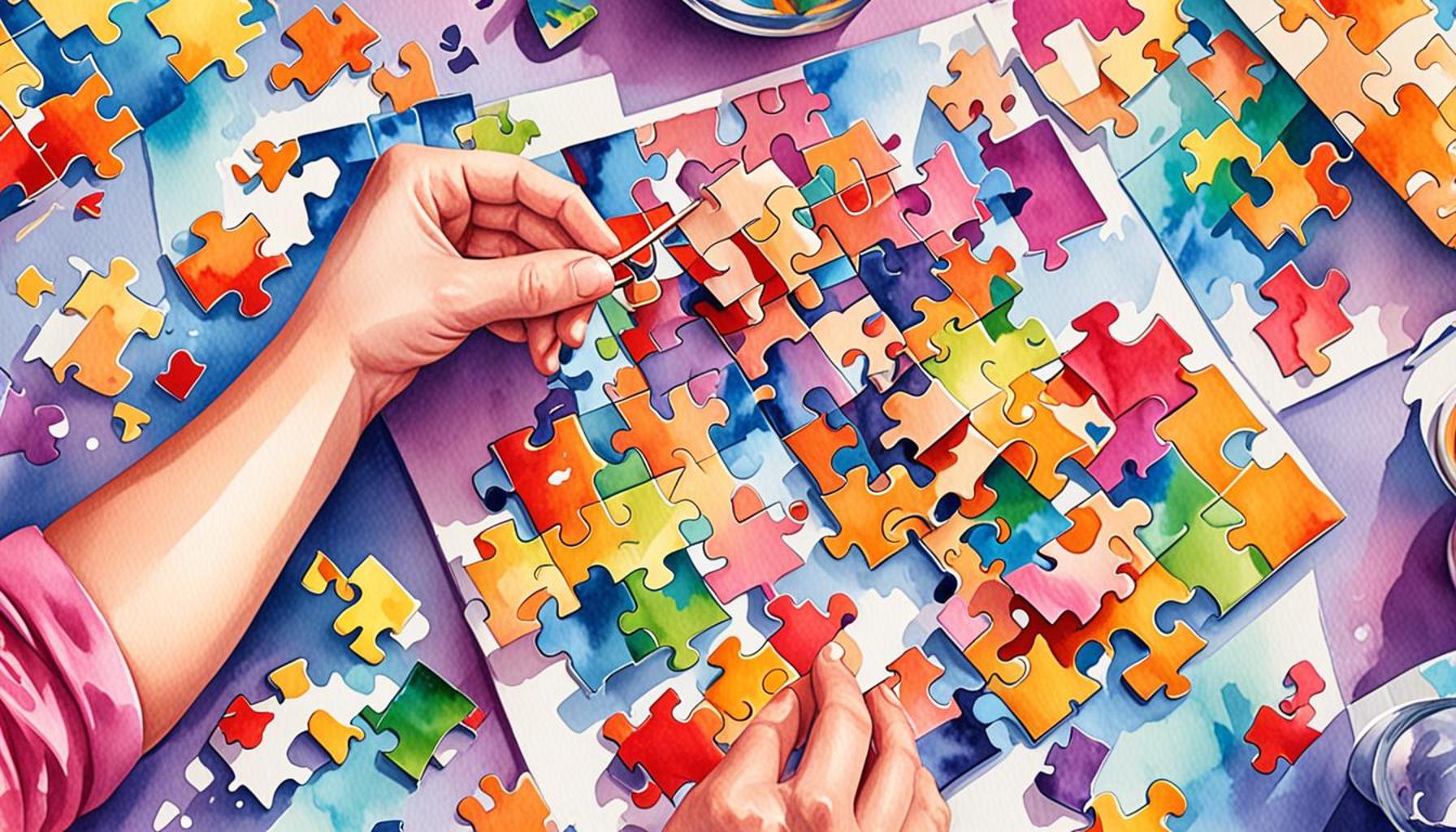
Jigsaw puzzles, on the other hand, invite a more tactile approach. They necessitate visual spatial reasoning and patience as individuals piece together an image from scattered fragments, helping enhance both creativity and persistence. Logic games add yet another layer, requiring critical thinking skills and often a methodical approach to navigate challenging scenarios. Each puzzle type cultivates different facets of cognitive skills, illustrating the multifaceted nature of problem-solving.
Brain Activation and Cognitive Development
Engaging with puzzles triggers different areas of the brain, which promotes both analytical thinking and creative thinking. Research from the University of Michigan indicates that solving puzzles can physically alter brain connectivity, reinforcing neural pathways that are essential for cognitive function. For instance, puzzle-solving has been shown to improve one’s memory, enhance attention span, and boost critical thinking skills, leading to improved performance in academic and professional settings.
The Joy of Solving and Emotional Connection
Emotional investment plays a critical role in the puzzle-solving experience. The thrill of completing a difficult puzzle generates dopamine, a neurotransmitter associated with pleasure. This positive reinforcement not only strengthens the desire to tackle more complex challenges but also enhances creative thought. Individuals often report that a solution to a puzzle sparked an idea in unrelated areas of their lives—whether it’s a new project at work or a creative endeavor in art or music. This phenomenon illustrates how innovative approaches can emerge from playful engagement.
Personal Reflection and the Broader Impact
As we delve deeper into this relationship between puzzles and creativity, consider how your personal experiences with various puzzles might have shaped your ability to think creatively and analytically. Have you ever noticed how a particular puzzle ignited your imagination or challenged your way of thinking? Such reflections could uncover insights into your problem-solving approaches.
In conclusion, engaging with puzzles is not merely a casual pastime; it’s a profound way to enhance cognitive functioning and creativity. Whether you find yourself working on a Sudoku puzzle during your morning commute or assembling a jigsaw with family on a cozy evening, you’re participating in a thrilling exercise for your mind. The next time you pick up a puzzle, take a moment to appreciate the intricate connection between creativity and problem-solving that lies within these seemingly simple tasks.
DISCOVER MORE: Click here to learn how puzzles can ease your stress
How Puzzles Foster Creativity
The relationship between puzzles and creativity runs deeper than mere entertainment; it is an intricate dance between cognitive processes that leads to innovative solutions. When individuals engage in puzzle-solving, they are often required to approach challenges from various angles. This multifaceted thinking stimulates the brain’s creative pathways, allowing individuals to not only find solutions but also to generate new ideas and perspectives in unrelated domains.
Enhanced Cognitive Flexibility
Puzzles teach us the critical skill of cognitive flexibility, which is essential for creativity. As solvers encounter different types of puzzles, they learn to switch between strategies, applying logic, intuition, and abstract thinking when necessary. This mental gymnastics opens avenues for creative ideation. Studies indicate that individuals who regularly engage with puzzles exhibit greater flexibility in thought processes, enabling them to devise innovative solutions in personal and professional challenges.
Consider the following types of cognitive skills enhanced through puzzle-solving:
- Analytical Thinking: The ability to dissect problems and scrutinize their components.
- Spatial Reasoning: Understanding how different shapes and pieces relate physically to one another.
- Pattern Recognition: Identifying recurring themes or sequences, essential for many forms of problem-solving.
- Attention to Detail: The meticulous observation of elements within the puzzle that often go unnoticed.
Puzzles as Metaphors for Real-Life Problem Solving
The experience of solving a puzzle can serve as a metaphor for tackling real-world challenges. Just as a jigsaw requires one to consider how each piece fits into the bigger picture, life’s problems often necessitate a comprehensive view of the interconnected elements involved. The skills of dividing bigger issues into manageable parts and iteratively testing various solutions are significant not only in puzzle-solving but in personal and professional scenarios as well.
For instance, imagine a workplace project that appears overwhelming at first glance. Employees can take cues from puzzle-solving methodologies—identifying the critical tasks (much like finding corner pieces of a jigsaw) and working through them systematically, thereby improving their overall project management skills. This translation of skills from puzzles to real-world applications is a crucial element in fostering creative problem-solving.
Community and Collaboration in Puzzle Solving
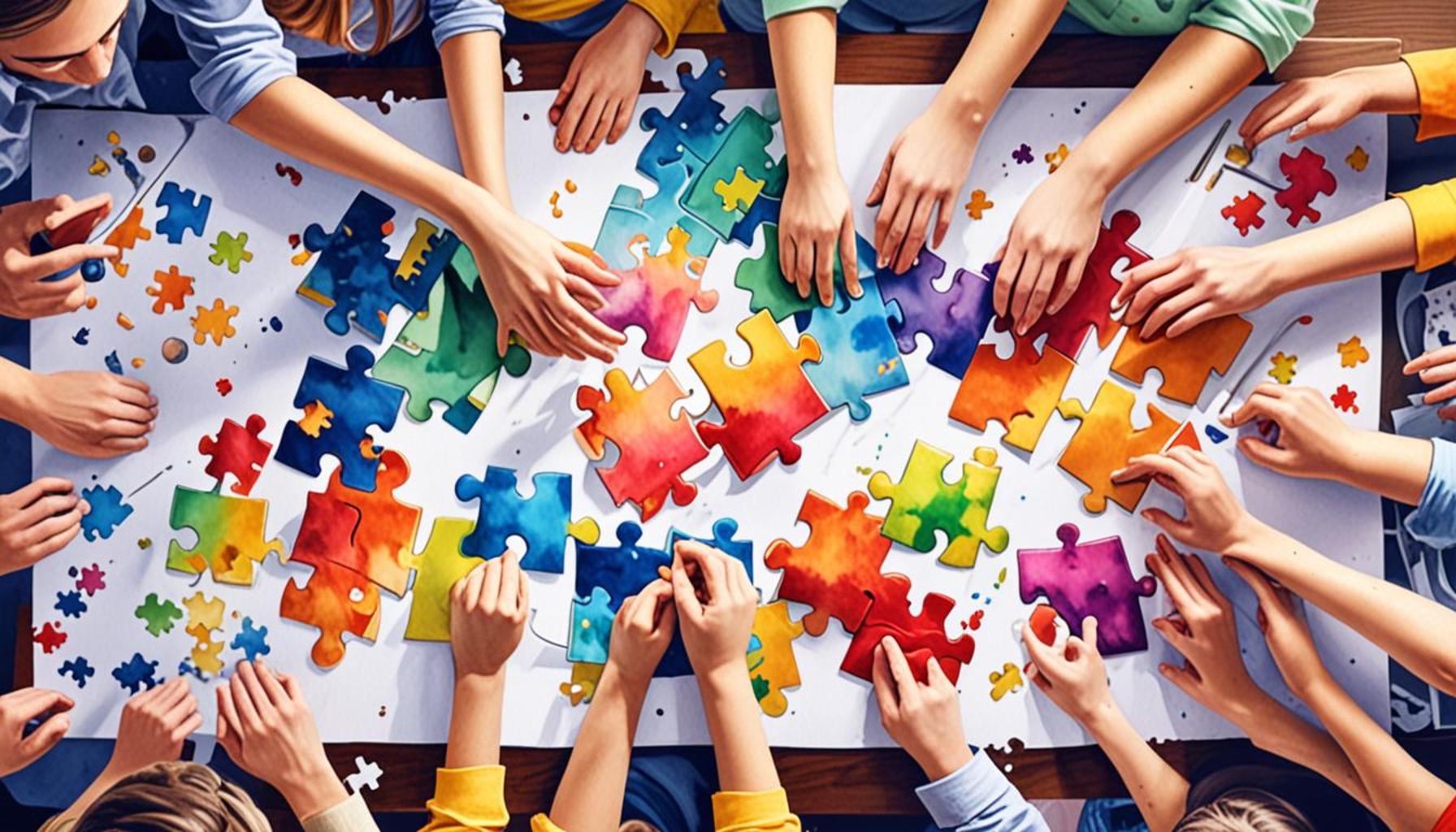
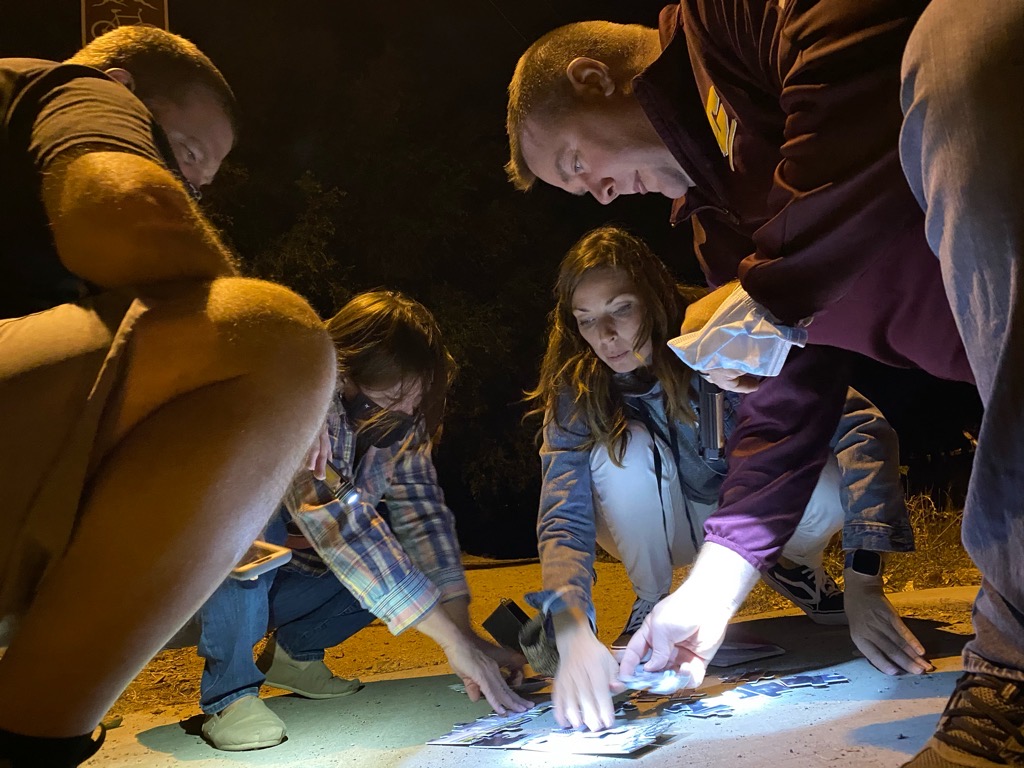
Puzzles also have a unique way of fostering collaboration and community engagement, which further enhances creativity. Collaborative puzzle-solving sessions, whether through board games, escape rooms, or group jigsaw puzzles, can lead to a sharing of ideas and strategies. The interplay of different perspectives often cultivates an environment ripe for innovation.
In these settings, individuals are encouraged to voice their thoughts and combine their different approaches to reach a common goal. Psychologists have noted that such collaborative efforts not only enhance problem-solving but also contribute to collective creativity, where individuals inspire one another to think outside the box.
Through exploring the dynamic relationship between puzzles and creativity, it becomes evident that engaging with these mental challenges can lead to profound impacts on how we navigate problems in everyday life. As we delve further into this fascinating intersection, we’ll uncover the psychological and emotional dimensions that enrich the puzzle-solving experience.
Exploring the Cognitive Benefits of Puzzles
Puzzles are more than just a source of entertainment; they serve as an intriguing window into the relationship between creativity and problem-solving skills. Engaging with puzzles encourages divergent thinking, a cognitive process that fosters creativity and develops unique solutions to complex problems. By challenging the brain, puzzles promote mental agility, enabling individuals to approach challenges from new angles. This cognitive flexibility is essential not only in solving puzzles but also in real-life scenarios where innovative problem-solving is required.
| Advantages | Characteristics |
|---|---|
| Enhanced Critical Thinking | Engagement in puzzles stimulates analytical skills and fosters the development of a questioning mindset. |
| Improved Memory | Solving puzzles often requires recalling information or previous steps, enhancing cognitive recall abilities. |
Furthermore, engaging in puzzles offers a sense of accomplishment after successfully solving them. This triumph builds confidence in one’s abilities, resulting in a greater willingness to tackle new challenges. By enhancing both creativity and critical thinking, puzzles become a valuable tool not only for individual growth but also for fostering teamwork and collaboration in group settings. Solving puzzles together can lead to improved communication skills and deepen social connections as participants learn to work through challenges collectively.
DISCOVER MORE: Click here to dive deeper
Unlocking Emotional Intelligence Through Puzzles
In addition to enhancing cognitive skills, the realm of puzzles also serves as a conduit for developing emotional intelligence. Engaging with puzzles not only stimulates the brain but can also evoke a spectrum of emotions, from frustration to exhilaration. These emotional experiences provide valuable insights into one’s own feelings and the feelings of others, essential components for effective problem-solving.
The Role of Emotions in Problem Solving
As individuals navigate challenging puzzles, they often experience a mix of triumphs and setbacks. This emotional rollercoaster can mirror everyday life, whereby the ability to regulate emotions plays a crucial role in overcoming obstacles. For instance, when a puzzle solver faces a tricky section, they must maintain patience and resilience. Such experiences fortify their emotional regulation skills, which can be pivotal when addressing real-life problems, particularly those that require a calm and collected approach.
Research supports this link; psychologists have found that individuals who engage in activities that cultivate emotional intelligence, such as puzzles, show improved stress management abilities and higher levels of empathy. Consequently, these skills enhance their capacity to collaborate with others effectively, leading to innovative solutions during complex group problem-solving scenarios.
Building Grit and Perseverance
Another compelling aspect of puzzle-solving is how it fosters grit and perseverance. Resolved individuals who engage with intricate puzzles develop a sense of determination and tenacity. Psychology professor Angela Duckworth defines grit as “sustained passion and perseverance for long-term goals.” This characteristic becomes invaluable when one is faced with multifaceted problems that require extended effort to resolve.
The iterative process of trying and failing, followed by eventual success in puzzles, reinforces the belief that persistence can pay off. For example, a team member who diligently tinkers with a complex jigsaw puzzle may ultimately find that one elusive piece, leading to satisfaction and a sense of achievement. Moreover, this experience provides individuals with the tools to tackle prolonged challenges in work or personal life, where patience and diligence are crucial components of success.
Puzzles and Creative Innovation in Different Sectors
The applicability of puzzle-solving extends beyond the realm of entertainment and into various sectors like education, business, and even healthcare. In educational settings, teachers often integrate puzzles into curricula to stimulate critical thinking and creativity among students. This hands-on approach allows learners to engage with content actively, thus enhancing their ability to think tactically and creatively.
In the business world, companies increasingly recognize the value of puzzle-solving in fostering innovation. Workshops that incorporate puzzles encourage employees to think creatively and collaboratively, leading to groundbreaking solutions and strategies. Companies like Google often use problem-solving workshops to spark creativity among their teams, reaping the rewards of enhanced productivity and innovation.
In healthcare, therapeutic programs utilizing puzzles help patients build problem-solving skills, ultimately aiding their recovery processes. These activities promote cognitive rehabilitation, offering patients a way to exercise their cognitive faculties and trigger creative thinking.
As we navigate through this intricate interplay between puzzles, creativity, and problem-solving skills, it becomes evident that the potential benefits are vast and multifaceted. The emotional, cognitive, and collaborative avenues explored through puzzles illuminate how engaging with these challenges can enhance our daily lives, equipping us to face problems with creativity and resilience.
Dive deeper: Click here for more insights
Conclusion: The Convergence of Creativity and Problem Solving in Puzzles
In conclusion, the exploration of creativity and problem-solving through puzzles reveals a powerful relationship that transcends mere entertainment. Engaging with puzzles cultivates essential skills—emotional intelligence, resilience, and collaborative thinking—that enable individuals to tackle challenges in varied contexts. The fusion of cognitive stimulation and emotional engagement creates an enriching experience that fosters growth not just in the realm of puzzles, but in everyday problem-solving scenarios.
As we have examined, the iterative cycle of attempting, failing, and ultimately succeeding in puzzles reinforces the values of grit and perseverance. These qualities stand as vital competencies in both personal and professional settings, allowing individuals to navigate obstacles with steadfast determination. The insights gained through emotional experiences during puzzle-solving further enhance our ability to empathize and communicate effectively, empowering us to work collaboratively toward innovative solutions.
Moreover, the application of puzzles extends into crucial domains such as education, business, and healthcare, underscoring their importance as a tool for enhancing creativity and collective problem-solving capabilities. Educational institutions leverage puzzles to cultivate critical thinking, while organizations harness their potential to stimulate creative collaboration among teams. In healthcare, puzzles serve a therapeutic function, aiding cognitive rehabilitation as patients engage in creative problem-solving.
As we continue our journey through the intricate tapestry of creativity and problem-solving, puzzles stand out as a dynamic vehicle for personal and communal advancement. By recognizing and embracing the profound lessons locked within these challenges, we can inspire future generations to approach problems with creativity, resilience, and optimism.