Exploring Unusual Materials to Create Unique Pieces in Crafts
Exploring Unconventional Crafting Materials
The world of crafting is filled with endless opportunities for creativity and innovation. While many crafters turn to traditional materials such as wood, fabric, and paper, there is a vast universe of unusual materials that can ignite your imagination and offer exciting new possibilities.
Craft enthusiasts are increasingly experimenting with items that push beyond the boundaries of conventional crafting. Imagine the potential of items typically seen as waste or found in nature. Here are some intriguing categories of materials worth exploring:
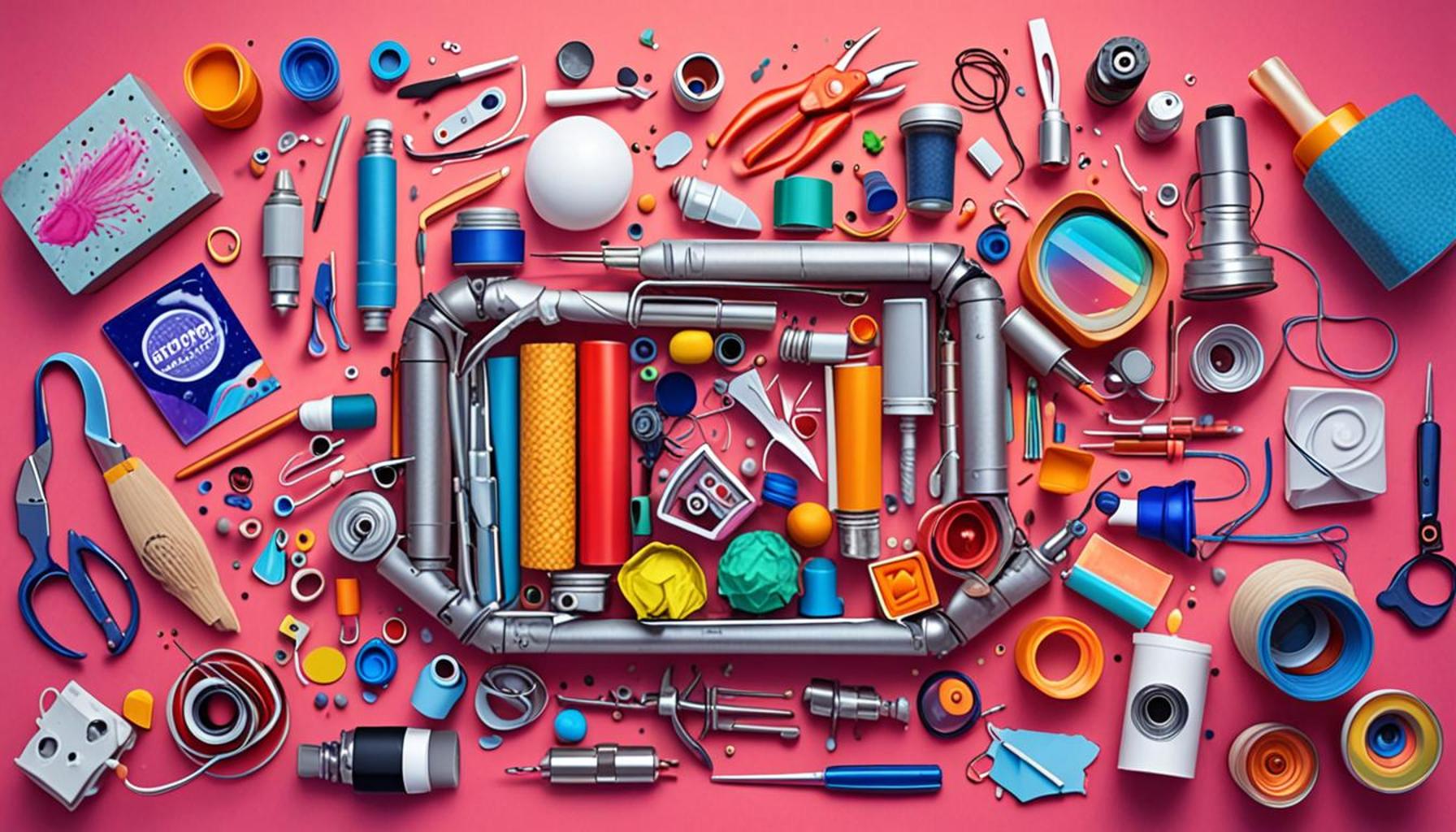
- Recycled Objects: From old electronics to bottle caps and cloth scraps, these materials can be transformed into stunning art pieces. For instance, a broken smartphone can be disassembled and its components rearranged into a futuristic sculpture, while colorful bottle caps can be turned into vibrant mosaics. These projects not only showcase creativity but also highlight the importance of recycling.
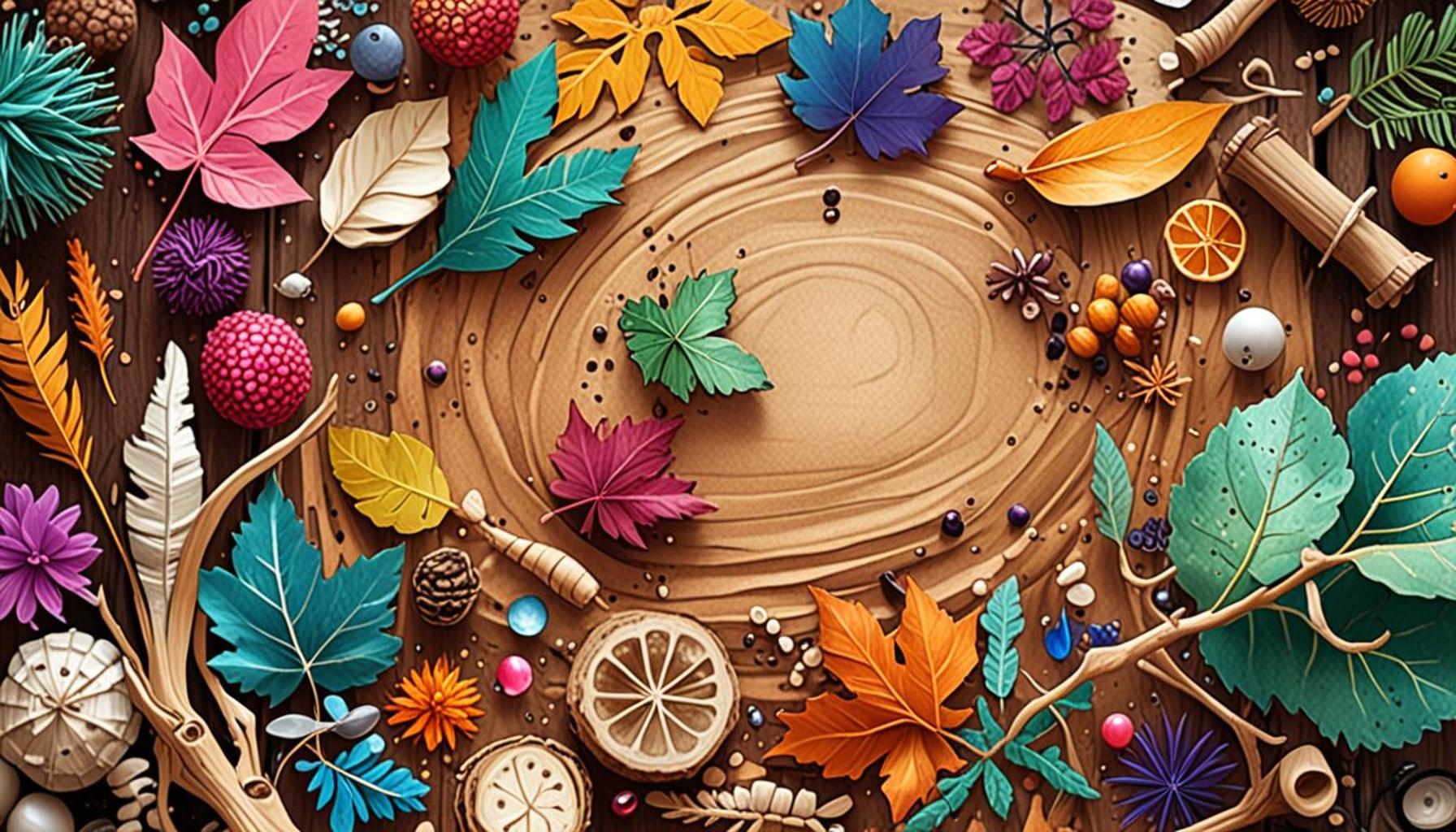
- Natural Elements: Incorporating items like leaves, stones, and twigs into your crafts can add an organic touch that connects your work to the environment. For example, a beautiful centerpiece can be created using a mix of carefully arranged pebbles and driftwood, allowing you to bring the outdoors inside. Such projects can also serve as a reminder of nature’s beauty.
- Everyday Dispensables: These are items that typically end up in the trash, such as cardboard tubes, plastic bags, and food packaging, which can be repurposed in innovative ways. Picture creating a wall organizer from toilet paper rolls, or transforming takeout boxes into unique gift bags. The ability to see potential in these mundane items fosters a resourceful mindset.
These unconventional materials not only stimulate creativity but also promote sustainability. By harnessing the potential of less traditional resources, artisans can create unique pieces that captivate and inspire a broader audience. This approach not only prevents waste but also encourages others to rethink their consumption habits.
Furthermore, the use of unusual materials frequently leads to unexpected outcomes that can spark conversations and leave a lasting impression. For instance, a beautifully crafted necklace made from recycled plastic can open discussions about environmental issues or consumerism.
In a society that values individuality, exploring these alternative crafting mediums not only becomes a delightful trend but also a profound form of personal expression. Each item transformed into a work of art tells a story, reflecting the artist’s unique vision and values.
Join us as we dive deeper into this fascinating journey of crafting with unconventional materials. Unleash your inner artist and discover the joy of creating something extraordinary from the ordinary!
DISCOVER: Click here to delve deeper
Unleashing Creativity with Unexpected Materials
Crafting is not merely a hobby; it is an expression of identity and innovation. With each unique piece, artisans convey stories, emotions, and perspectives. The key to unlocking new dimensions in crafting often lies in choosing unusual materials that challenge the norms and offer fresh possibilities. By stepping outside the traditional material palette, crafters can breathe new life into their creations and tap into a world of imaginative potential.
One fascinating avenue worth exploring is the use of biodegradable materials. In an era increasingly focused on sustainability, tools such as banana peels, coffee grounds, and even eggshells can serve as unexpected yet effective resources. For example, dried banana peels can be woven into patterns for sturdy, eco-friendly coasters, while coffee grounds can be combined with wax to create unique textured candles. These projects not only reduce waste but also show that sustainable crafting can be both innovative and beautiful.
Another intriguing category to consider is upcycled textiles. Instead of discarding old clothing, crafters can transform them into enchanting new creations. Here are some inspiring examples of what can be done with fabric scraps:
- Patchwork Quilts: Combine various fabric remnants to create colorful and sentimental quilts that tell a story with each patch.
- Fabric Bowls: Coiling strips of old fabric can yield functional bowls for organizing small items or serving candies.
- Cushion Covers: Refresh your home décor by sewing pillow covers from unexpected fabric sources like tablecloths or curtains.
Incorporating these unusual textile materials into crafts not only reduces landfill waste but also brings a personal touch to each creation, as the history of the fabrics adds depth and character to the final piece.
Moreover, found objects from the environment can spark exciting ideas for innovative crafts. Items such as seashells, twigs, and stones can be combined into decorative pieces or functional items. A simple exploration of your surroundings can yield endless crafting possibilities; for instance, collecting seashells from a beach stroll can inspire an intricate wind chime, while stones from a local park might be painted and used as garden markers. These projects connect you with nature and evoke a sense of nostalgia and creativity.
As crafters venture into these relatively unexplored territories, the results can be strikingly unique and full of personality. Utilizing unconventional materials not only broadens the horizon of crafting but also invites a multitude of perspectives and inspirations. With each piece you create, you contribute to a growing movement that embraces sustainability, creativity, and individuality. So, why not embark on a journey to discover how you can transform the ordinary into the extraordinary through crafting with unusual materials?
Exploring Unusual Materials for Crafting
When it comes to crafting, the choice of materials can significantly influence both the process and the final product. Exploring unusual materials not only expands the creative horizons of artists and crafters but also encourages sustainable practices by utilizing what may otherwise go to waste. In this part of our exploration, we dive into both the benefits of these unconventional materials and the exciting new techniques they inspire.
| Category | Key Benefits |
|---|---|
| Natural Elements | Incorporating items like stones, wood, and dried plants brings an organic feel to crafts while showcasing nature’s uniqueness. |
| Recycled Materials | Utilizing upcycled materials reduces waste, promotes eco-friendly practices, and often leads to one-of-a-kind art pieces. |
| Unconventional Supplies | Using items like fabric scraps, plastic bottle caps, or even electronics can inspire innovative techniques and unique designs. |
Engaging with unusual materials can transform the creative process itself. Crafters often find that limitations in traditional supplies foster innovative problem-solving, resulting in pieces that not only express individuality but also reflect the story behind their materials. As we continue to explore this fascinating area, you’ll discover countless opportunities to harness the beauty of the unconventional in your own crafting journey.
DISCOVER MORE: Click here to learn about the blend of natural and synthetic materials
Embracing the Quirky: Unconventional Crafting Materials
As the crafting landscape evolves, artists continuously seek out quirky and unconventional materials to inspire their creations. One category that has gained traction in recent years is recycled plastics. Rather than contributing to environmental degradation, crafters are finding inventive ways to repurpose plastic waste into stunning art pieces. Projects may include creating vibrant mosaics from discarded plastic bottle caps or weaving colorful rugs from recycled plastic shopping bags. These items not only reduce pollution but also serve as eye-catching decor that sparks conversations about sustainability.
Another exciting realm of exploration is through the use of natural materials. Crafters can tap into the abundance of resources available in nature, such as leaves, flowers, and wood. For instance, pressed flower art has become increasingly popular, where crafters preserve the beauty of blooms to create unique wall art or handmade greeting cards. Similarly, using twigs and branches, artisans can craft rustic picture frames or even furniture, marrying functionality with natural aesthetics. The added bonus is that utilizing natural materials often imbues pieces with a storytelling element, capturing a moment in time or a specific setting.
Intriguingly, the world of industrial materials is yet another frontier for creative crafters. Items like metal scrap, cork, and foam have the potential to be transformed into innovative art pieces. For example, old metal tools can be reimagined as garden sculptures, while corks can be repurposed into coasters or bulletin boards, all while maintaining a distinctive character. This approach can be especially appealing for those who enjoy mixed-media art, as combining various textures and materials creates captivating, multilayered works.
Inspiring Examples of Unusual Craft Projects
For those looking to engage with these unconventional materials, here are some inspiring project ideas:
- Plastic Bottle Planters: Transform empty plastic bottles into eye-catching planters by cutting them in half, adding soil, and planting herbs or flowers to brighten up any space.
- Wood Slice Coasters: Use slices of fallen branches as natural coasters, allowing the unique wood grain to shine while providing functional artistry.
- Cork Bulletin Board: Collect wine corks to create a decorative bulletin board, showcasing photographs or important reminders in a uniquely charming style.
Exploring unusual materials not only opens up countless crafting opportunities but also encourages a deeper connection with the environment. By consciously choosing items that may have been overlooked, artisans can learn about the stories behind these materials, fostering appreciation for the everyday aspects of life often taken for granted. With each project, crafters can become ambassadors for sustainability through their imaginative applications of unusual materials.
Ultimately, the journey of experimenting with unconventional resources lays the groundwork for innovation in crafts. As more individuals choose to embrace these alternatives, a burgeoning community of creatives emerges, fostering collaboration and growth. This shift towards unique materials invites everyone to think beyond the traditional, turning the mundane into the spectacular while driving home the message of environmental responsibility and creative expression.
DIVE DEEPER: Click here to enhance your crafting skills
Conclusion: Unleashing Creativity Through Unusual Materials
In the ever-evolving world of crafts, the appeal of unusual materials transcends mere aesthetic value. The exploration of recycled plastics, natural elements, and industrial components not only fosters a vibrant creative community but also champions sustainability and innovation. As artisans tap into these alternative resources, they elevate everyday items to unique art pieces that tell compelling stories while promoting environmental awareness.
These unconventional materials open the door to a myriad of possibilities, urging crafters to reimagine and repurpose what may typically be disregarded. Projects like transforming plastic bottles into functional planters or creating rustic decor from fallen branches demonstrate that creativity knows no bounds. As more individuals engage with these materials, they not only enrich their own lives but also contribute to a broader movement that values originality and environmental stewardship.
As you embark on your crafting journey, consider how you too can incorporate the unexpected into your work. Perhaps you can gather industrial scrap from a local hardware store or collect vibrant leaves in your backyard to create your personalized art. The embrace of unusual materials opens pathways for both individual expression and collective impact, inspiring a new wave of crafting that champions both creativity and conscience. If we dare to innovate, the possibility exists for every individual to become a part of a sustainable crafting revolution, turning the ordinary into the extraordinary.