Gamifying Memory: How Interactive Puzzles Can Transform Learning in Education
Transforming Learning Through Fun
In today’s rapidly evolving educational landscape, traditional methods of learning often face challenges in maintaining student engagement. Interactive puzzles offer a refreshing solution, combining fun with educational value. This innovative approach not only makes complex subjects accessible but also transforms mundane study habits into exciting challenges.
This method of learning goes far beyond simple memorization; it harnesses the principles of gamification to enhance cognitive skills while boosting memory retention. By turning educational content into games and puzzles, educators create an immersive experience that captivates students. Here are some critical aspects of this transformative method:
- Engagement: Puzzles captivate students, making learning an enjoyable experience. For example, a math class might use a puzzle that requires students to solve equations to unlock clues, creating a thrilling treasure hunt atmosphere.
- Interactivity: Hands-on problem-solving encourages active participation. In a science classroom, students could work in teams to piece together a puzzle that visually represents the structure of a cell, prompting discussions and collaboration.
- Instant Feedback: Immediate results help learners assess their understanding in real-time. Online platforms that feature quizzes and puzzles often provide users with instant scores and explanations, allowing for quick adjustments in learning strategies.
Educational psychology supports the notion that when students are emotionally invested in their learning, they tend to outperform their expectations. By integrating interactive puzzles into curricula, educators can cater to diverse learning styles—whether visual, auditory, or kinesthetic, there is an approach that resonates with every student.
Take, for instance, the use of digital platforms such as Kahoot! or Quizlet in classrooms across the United States. Many educators have harnessed these tools to implement gamified learning strategies, resulting in notable improvements in student retention rates and academic performance. One study conducted by the University of Colorado showed that classrooms employing gamification techniques saw an increase in engagement levels by up to 80%, significantly boosting overall educational outcomes.
The ability to transform how students perceive education can redefine their academic trajectories. Studies have indicated that students who regularly engage with interactive content display higher levels of creative thinking and problem-solving skills. As we delve deeper into the impact of gamifying memory through interactive puzzles, the potential for revolutionizing learning becomes evident, paving the way for a more enthusiastic and capable future generation.
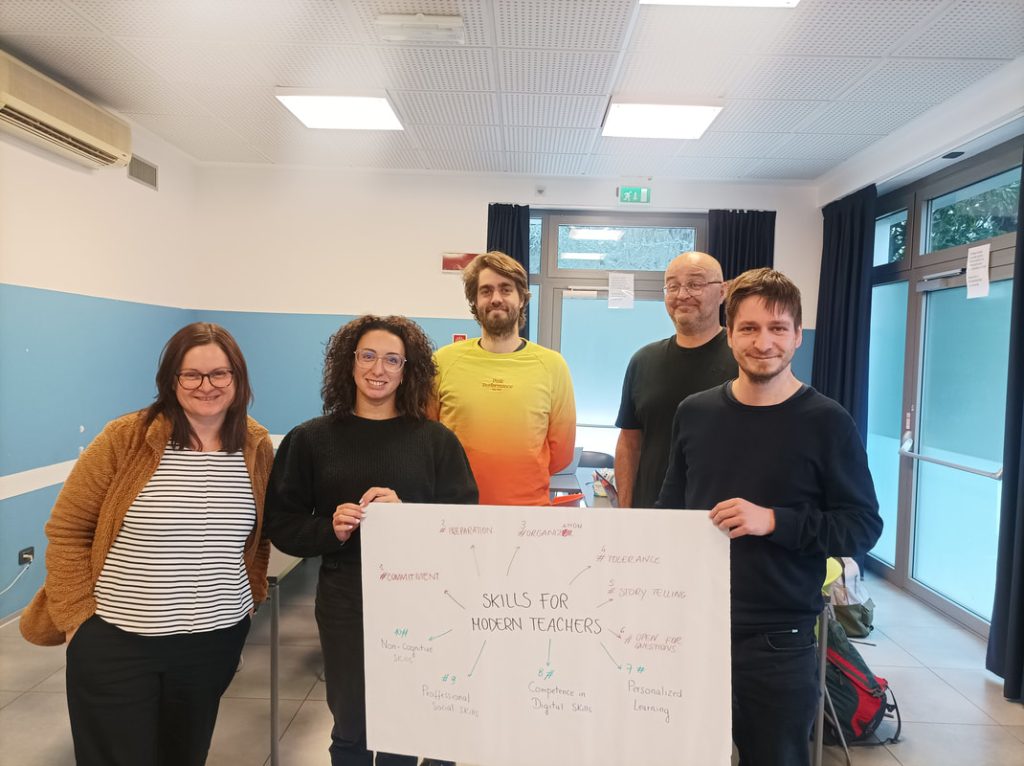
Ultimately, as schools across the nation continue to embrace technology and innovative teaching methods, the inclusion of interactive puzzles stands out as a promising path towards enhancing educational experiences. By igniting students’ curiosity and fostering a love for learning, educators can equip them with the skills crucial for navigating an increasingly complex world.
DIVE DEEPER: Click here to discover how logic games enhance problem-solving skills
The Mechanics Behind Gamified Learning
At the heart of gamifying memory in education lies an intricate blend of psychology, technology, and the basic human need for play. One cannot underestimate the power of puzzles in transforming how students process information. By reengineering content delivery, educators can evoke curiosity and stimulate cognitive engagement, making it more than just a passive experience.
To comprehend the effectiveness of interactive puzzles, it’s essential to delve into the mechanics of how they influence learning. Here are several key factors that illustrate this transformation:
- Challenge and Motivation: Interactive puzzles embody a challenge, pushing students to stretch their minds. By setting achievable yet complex tasks, students become motivated to solve problems, seeking to conquer the “next level,” much like they would in a video game.
- Collaboration: Many puzzles are designed for teamwork, encouraging collaboration among students. This social aspect not only enhances communication skills but also deepens understanding, as learners bounce ideas off one another, leading to richer discussions.
- Memory Encoding: The multi-faceted approach of solving puzzles enhances memory encoding. Students engage multiple senses—visual, auditory, and kinesthetic—when tackling various types of puzzles. This multi-sensory involvement fosters better memory retention, as learners can recall information more effectively associated with the experiences they had while solving the puzzles.
- Problem-Solving Skills: Interactive puzzles often demand critical thinking and problem-solving abilities. As students deconstruct challenges and explore different solutions, they enhance their reasoning skills—an essential aspect of academic achievement and real-world applications.
A notable example of this approach is found in the growing popularity of escape room-based learning activities within classrooms. Here, students must work as a team to decipher clues and solve intricate puzzles within a given timeframe. Educators have reported a surge of enthusiasm in these settings, as students actively engage in a blend of competition and cooperation that reinforces key educational concepts.
Furthermore, the application of technology in gamified learning cannot be overlooked. Digital platforms and apps, such as Minecraft: Education Edition and Google Classroom, provide educators with innovative tools to design and implement interactive puzzles. Data indicates that students exposed to such technology often demonstrate improved performance metrics; research shows that gamified learning environments can yield a significant increase in test scores, with some students achieving gains as high as 30% compared to their peers in traditional settings.
Ultimately, the intersection of gamification and education signifies a paradigm shift. Rather than merely absorbing information, students now actively interact with the material, leading to more meaningful learning experiences. As we continue to explore the value of interactive puzzles, it becomes clear they are not just a trend but an essential element in reshaping how we think about education today.
As we delve deeper into the transformative effects of gamifying memory through interactive puzzles, it is essential to investigate the profound benefits this approach holds for learners of all ages. Interactive puzzles not only engage the mind but also stimulate cognitive development by enhancing memory retention and problem-solving skills. By integrating these fun and challenging elements into educational settings, we can expect a noticeable increase in student motivation and participation.One of the fundamental aspects of gamification is its ability to foster a competitive yet collaborative environment. Students are motivated to outperform not just their peers but also their past selves, driving continuous improvement. This intrinsic motivation is further complemented by immediate feedback provided through puzzle solutions, which in turn reinforces learning outcomes. The satisfaction derived from successfully solving a challenge can boost self-esteem and encourage a growth mindset among learners.Moreover, interactive puzzles often employ storytelling and narrative techniques, which make learning more relatable and enjoyable. When students can associate educational content with a captivating story or mission, they are more likely to engage with the material on a deeper level, thus reinforcing information retention. Furthermore, puzzles can be tailored to various learning styles, ensuring inclusivity and accessibility for each learner.By considering the advancements in technology, implementing digital puzzles offers further opportunities for tracking progress and displaying achievements. This data can be invaluable for educators seeking to customize their teaching strategies. The integration of augmented reality (AR) and virtual reality (VR) can also create immersive learning experiences that bridge the gap between theoretical knowledge and real-world application.The evolution of educational strategies through gamified learning platforms marks a notable shift in how we approach memory and cognitive skills development. With continuous innovations in puzzle design and educational techniques, the future of interactive learning promises to equip students with essential skills needed for both academic success and life beyond the classroom. The implications for effective learning are vast, potentially reshaping the educational landscape in remarkably exciting ways.
DIVE DEEPER: Click here to uncover the truth
Engagement Through Narrative and Competition
Another influential aspect of gamifying memory in education involves the use of narrative and competitive elements in puzzle design. By weaving a compelling story around academic content, educators can create an immersive experience that captivates students’ imaginations. The incorporation of narratives does more than entertain; it establishes a context for learning that solidifies connections between concepts. For example, history lessons can be transformed into time-traveling adventures wherein students must solve puzzles related to important events or figures to progress through eras.
Moreover, competition can serve as a powerful motivator for students. By introducing leaderboards or time challenges, educators foster a spirit of friendly rivalry that drives engagement and participation. Platforms like Kahoot! enable teachers to create quiz-based games that can be played live, encouraging students to answer quickly and accurately. The immediate feedback received taps into a natural desire for achievement and recognition, prompting students to push themselves further. These competitive elements act like the adrenaline rush one might experience in digital gaming, heightening focus and enthusiasm for the subject matter.
Real-World Applications: Case Studies and Innovations
The real-world applications of gamified learning using puzzles are becoming increasingly evident. A standout case is the deployment of interactive mystery-solving activities in elementary schools across the United States. Educators have reported that students not only improve their analytical skills by piecing together clues but also develop a sense of ownership over their learning, as they engage actively in storylines that matter to them. Schools implementing these methodologies have shown an uptick in engagement levels, with more students participating in class discussions and collaborative projects.
One notable initiative is the “Puzzler’s Quest,” where students tackle interconnected puzzles that relate to various subjects like mathematics, science, and language arts. Feedback from this program indicates that participants took ownership of their learning experience, exhibiting increased self-awareness of their progress and areas of improvement. Teachers found that discussions surrounding puzzle strategy led to deeper exploration of underlying concepts, further anchoring knowledge through practical application. The results are telling; students showcased a remarkable retention rate of about 75% of the material months after the puzzles were completed.
Future of Gamified Memory in Education
The future of gamifying memory in education promises even greater advancements, especially as technology continues to evolve. Virtual reality (VR) is poised to revolutionize the educational landscape, offering students immersive environments where they can solve puzzles as part of a virtual expedition. Imagine students exploring the Amazon rainforest to decipher environmental science puzzles while confronted by simulated wildlife or undertaking robotics challenges in a futuristic cityscape. Such scenarios not only engage students but also promote essential 21st-century skills like adaptability and digital literacy.
Additionally, data analytics is increasingly becoming a part of educational gaming. Educators can track progress, assess skill mastery, and tailor learning experiences to individual student needs effectively. By employing adaptive learning technologies, students can receive personalized feedback and challenges that evolve with their skill level, providing a customized experience that enhances motivation and learning outcomes.
As this methodology continues to gain traction, it is clear that gamified learning through interactive puzzles is not only an innovative approach but also a transformative one. The potential for real-world problem-solving skills, critical thinking, and collaboration encourages a reimagining of traditional pedagogies, promising to reshape the educational landscape for generations to come.
DISCOVER MORE: Click here to enhance your cognitive skills
Concluding Thoughts on Gamifying Memory in Education
In summary, gamifying memory through interactive puzzles represents a significant leap forward in pedagogical techniques that aim to capture student interest and enhance retention. By integrating elements such as immersive narratives and competitive challenges, educators can transform learning environments into engaging quests that stimulate critical thinking and collaboration. As we’ve seen through successful case studies like the “Puzzler’s Quest,” the approach not only encourages analytical skills but instills a sense of ownership and accountability in students.
Looking ahead, the integration of cutting-edge technologies such as virtual reality (VR) and data analytics will likely amplify the effectiveness of gamified strategies. Students will soon find themselves traversing digital landscapes designed to challenge their intellect while applying theoretical knowledge to practical scenarios. This evolution presents an exciting opportunity to prepare learners for the complexities of the modern world, equipping them with essential skills for future jobs.
The current trends underscore a critical realization: traditional memorization techniques are often not enough to engage today’s students. Schools and educators must embrace these innovative tools to create learning experiences that resonate in the real world. As we continue to explore the potential of gamifying memory, it becomes increasingly clear that this approach holds the promise of not just transforming education but revolutionizing how we view the learning process itself. The time to rethink and reshape the educational landscape is now.