
Gastronomy and Sustainability: Culinary Routes Highlighting Local and Organic Practices in the USA
Understanding the Rise of Sustainable Gastronomy
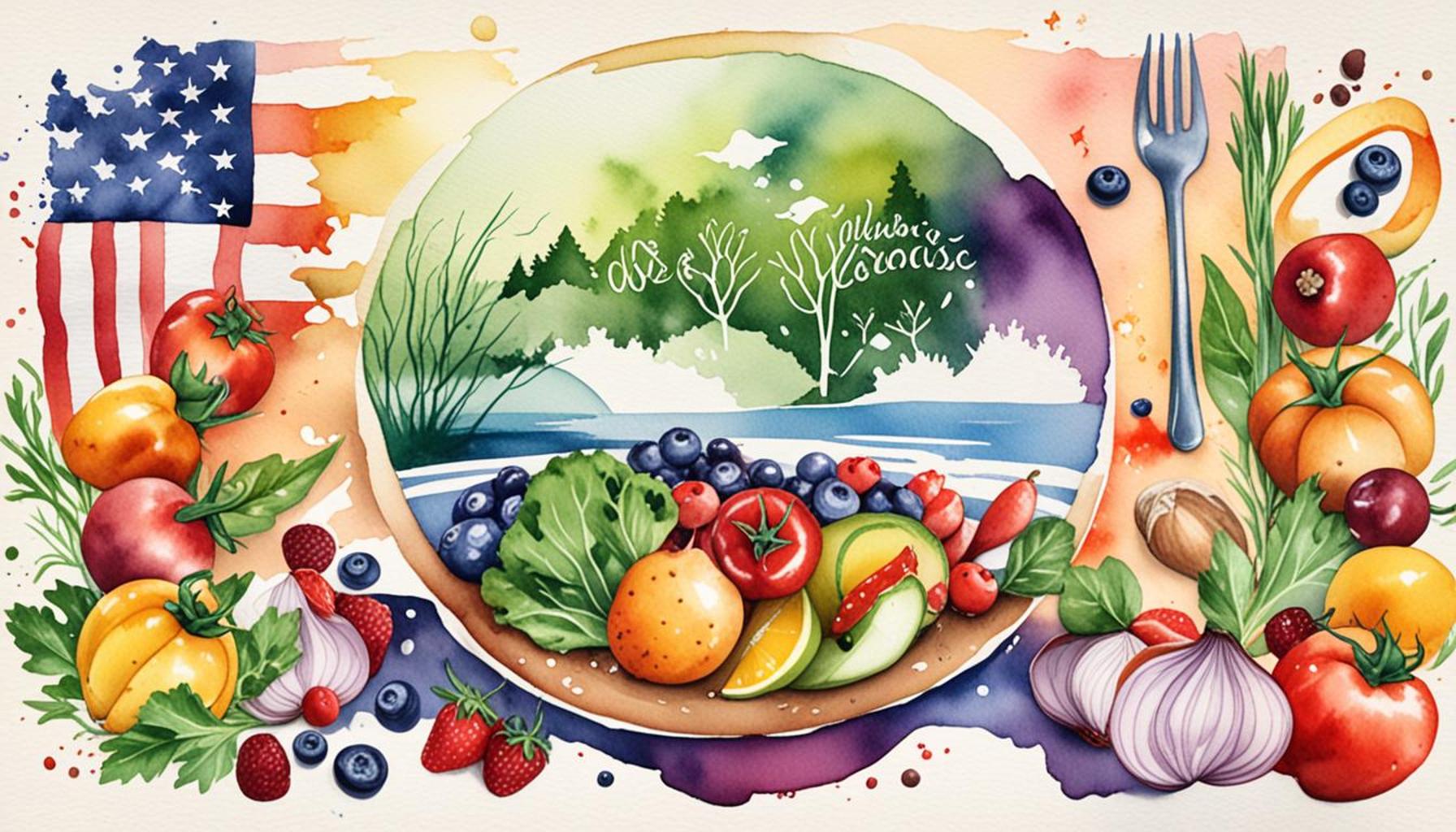
In recent years, a growing number of chefs and food enthusiasts have aligned their culinary practices with environmental responsibility, emphasizing the importance of the food we eat and how it is sourced. This integration of gastronomy and sustainability is reshaping how Americans engage with food, fostering an ethos that transcends mere dining. The shift towards local and organic food sourcing is not just a trend; it is a movement dedicated to preserving our planet.
The surge in interest has led restaurateurs to embrace innovative farm-to-table initiatives. By establishing partnerships with local growers, chefs ensure that the ingredients used in their dishes are fresh and in season. For instance, renowned establishments like Blue Hill at Stone Barns in New York have pioneered this model, sourcing produce directly from their adjoining farm. Diners not only enjoy flavorful meals but also contribute to the local economy and the reduction of their carbon footprint.
Similarly, food trails are gaining traction across the United States, offering unique culinary experiences that celebrate regional flavors and sustainable practices. These routes guide food lovers through specific areas known for their local specialties. For example, the Sustainable Farm Trail in Virginia highlights farms that practice regenerative agriculture, inviting visitors to enjoy everything from artisan cheese to organic vegetables. Such initiatives provide an opportunity for diners to deepen their understanding of the food system and support local ecosystems.
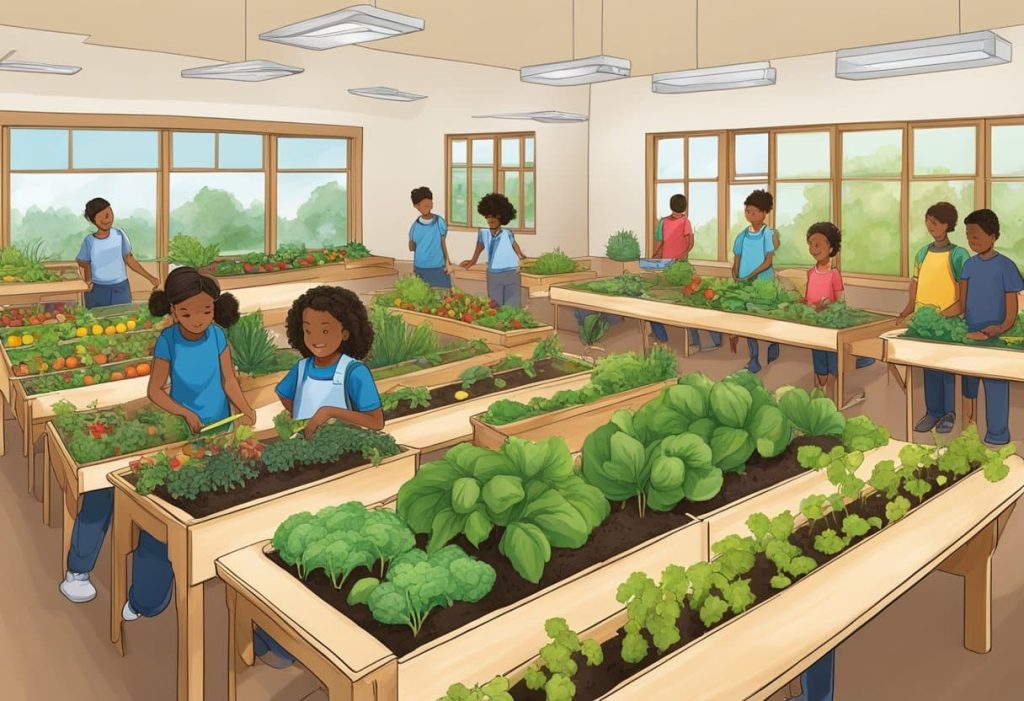
Moreover, the popularity of cooking classes focusing on local ingredients cannot be overlooked. Many organizations and chefs are now offering workshops that educate participants about the benefits of using seasonal produce and sustainable methods. These classes often emphasize techniques such as preserving, fermenting, and even foraging, enabling individuals to connect with their food on a more personal level. By understanding the lifecycle of their meals, participants are more likely to make environmentally conscious decisions in their own cooking.
As awareness about environmental issues continues to rise among consumers, the demand for sustainable dining options is expected to grow significantly. Exploring organic farms and interacting with artisanal producers cultivates a deeper connection to the land and the hard work invested in food production. By tapping into these culinary routes, diners embark on a journey reflecting both a commitment to sustainability and a celebration of local flavor.
This exploration into sustainable gastronomy not only highlights the culinary innovations taking shape across the country but also sheds light on the individuals passionate about preserving our planet through responsible food choices. Those who venture into this rich landscape will find themselves at the heart of a movement that elevates sustainability from a concept to a transformative dining experience.
DISCOVER MORE: Click here for romantic getaway ideas
The Intersection of Culinary Heritage and Sustainable Practices
As the culinary landscape in the United States evolves, there is an increasing emphasis on gastronomy that respects not only local traditions but also the planet. By exploring various regions across the country, food enthusiasts are discovering how local food systems can be both delicious and environmentally conscious. Culinary routes have emerged as a means to showcase these unique practices, bridging the gap between cultural heritage and sustainable agriculture.
One compelling example can be found in the Pacific Northwest, where the farm-to-table philosophy appears intrinsic to the culinary culture. Here, chefs highlight native ingredients that celebrate the region’s biodiversity, such as wild salmon, foraged mushrooms, and heirloom vegetables. The culinary scene in Seattle and Portland boasts eateries that source their menus exclusively from local farms, with many establishing direct relationships with farmers and suppliers. These connections ensure that the freshest possible ingredients reach the plate while also supporting local communities.
Across the nation, farms are increasingly recognized for their role in sustainable gastronomy. The following list highlights a few exemplary culinary routes and their corresponding regional features:
- The Blue Ridge Food Trail in Virginia: This scenic route invites visitors to explore local vineyards, orchards, and farms that practice sustainable methods, emphasizing organic produce and artisanal products.
- The Finger Lakes Culinary Trail in New York: Known for its rich agricultural production, this trail offers opportunities to taste wines made from locally grown grapes, as well as dishes crafted with seasonal ingredients harvested from nearby farms.
- The Farm Fresh Route in California: This path highlights the state’s commitment to sustainability, showcasing organic farms that utilize innovative practices such as permaculture and aquaponics, along with chefs who creatively transform these ingredients into culinary masterpieces.
- The South Carolina Lowcountry Culinary Trail: Here, chefs are dedicated to celebrating the coastal ecosystem, with menus that include fresh seafood sourced responsibly and local crops that reflect the heritage of the region.
These culinary routes not only cater to adventurous eaters but also allow participants to experience the stories behind the food they consume. Visitors gain insight into the agricultural practices that contribute to sustainable gastronomy, enabling them to appreciate how food choices can directly impact the environment.
Furthermore, the concept of social responsibility in the culinary world is gaining traction. Many chefs are actively engaging in community outreach, emphasizing the importance of education about food systems and the benefits of local sourcing. This engagement fosters a deeper connection among consumers, producers, and chefs, creating a holistic approach to sustainability.
As these culinary routes gain popularity, they not only illuminate how gastronomy and sustainability intertwine but also inspire a new generation to take an active role in supporting responsible food practices. As awareness increases, the movement towards sustainable dining continues to flourish, paving the way for a rich tapestry of flavors that respects both tradition and the environment.
| Advantage | Description |
|---|---|
| Support Local Farmers | Promotes the economic sustainability of rural communities by strengthening local agricultural markets. |
| Health Benefits | Emphasizes the consumption of fresh, organic produce, reducing exposure to chemicals found in industrial farming. |
| Enhanced Culinary Experience | Culinary routes offer an opportunity to explore diverse flavors and ingredients unique to each region. |
| Environmental Awareness | Encourages sustainable farming practices that protect the ecosystem and promote biodiversity. |
These advantages underscore the theme of “Gastronomy and Sustainability,” where local and organic practices not only enhance the cultural fabric of the USA but also intertwine with the principles of sustainable living. As communities engage with these culinary routes, they foster a deeper connection to their environment and personnel commitment to healthier choices, ensuring both the preservation of local agriculture and a vibrant culinary scene. The exploration of regions such as California’s wine country or the farms of the Hudson Valley exemplifies how culinary tourism can be an enriching experience, offering taste adventures that leave a lasting impact and inspire conscious consumerism. Travelers and food enthusiasts alike are invited to delve into the rich tapestry of local gastronomy, which is intrinsically linked to sustainability through responsible practices.
DISCOVER MORE: Click here to uncover exciting adventures
Innovative Approaches to Culinary Sustainability
As the culinary landscape continues to embrace the dual principles of sustainability and gastronomy, innovative approaches are emerging that heighten awareness and accessibility to local and organic practices. From collaborative community gardens to sustainable seafood initiatives, culinary routes across the United States provide a platform for diverse stakeholders—chefs, farmers, and consumers—to engage in responsible food practices. These initiatives not only celebrate regional ingredients but also strive to alter broader food systems for the better.
A prime example of innovation in sustainable gastronomy is the growing movement of urban farming in cities like Chicago and Detroit. Urban farms utilize vacant lots and repurposed spaces to cultivate fresh produce, herbs, and even fish through aquaponics. These projects not only contribute to local food security but also serve as educational hubs for community members. Tours around these farms often include tastings of dishes prepared from the harvested products, showcasing the potential of city-grown ingredients.
Another noteworthy initiative is the Wild Foods Culinary Route, which focuses on foraging and the sustainable harvesting of wild edibles. In regions such as the Appalachian Mountains, culinary experts guide food lovers through the forests to forage for mushrooms, ramps, and medicinal plants. These excursions not only illustrate the importance of biodiversity but also foster a deep respect for local ecosystems. Participants often leave with newfound knowledge about where their food comes from and how to harvest it sustainably.
The burgeoning interest in regenerative agriculture further complements the narrative of sustainable gastronomy. This practice not only focuses on organic farming but also on rebuilding soil health and fostering ecological balance. Regions like the Midwest are home to several farms committed to these principles, where principles of permaculture and rotational grazing revive land that has been depleted by conventional farming practices. Culinary routes showcase these farms’ commitment to quality, offering dinners that feature dishes made with ingredients grown right on the property.
In addition to these grassroots efforts, some local governments and culinary organizations have banded together to advocate for responsible seafood sourcing. Through initiatives like the Monterey Bay Aquarium’s Seafood Watch program, restaurants are encouraged to serve seafood that is sustainable and caught or farmed in a responsible manner. Dining along the New England Seafood Trail allows visitors to experience dishes prepared from fish and shellfish that adhere to these best practices, ensuring the longevity of marine ecosystems while preserving local fishing traditions.
The rise of culinary festivals dedicated to local and sustainable practices also fosters a culture of appreciation for gastronomy that prioritizes environmental stewardship. Events like the James Beard Food Conference bring together chefs, food producers, and activists for discussions on topics ranging from food justice to sustainability innovations in cooking. These conferences not only celebrate culinary talent but create a platform for dialogue about the future of food production, highlighting the role of consumers in the movement towards sustainability.
As culinary routes abound across the nation, they serve as not just a way to enjoy delicious food but as a means of exploring and supporting a broader movement towards sustainability in gastronomy. Whether through urban gardening, foraging, or responsible sourcing, individuals are more than just consumers; they are part of a collective journey towards a more sustainable world.
DIVE DEEPER: Click here to discover exciting itineraries for family travels
Conclusion
In an age where environmental concerns and culinary curiosity intersect, the exploration of gastronomy and sustainability through local and organic practices presents an exciting frontier in American cuisine. Culinary routes throughout the United States have become not only pathways for delicious dishes but also vital links to communities committed to sustainable food practices. By highlighting urban farms, wild foraging experiences, and regenerative agricultural initiatives, these routes exemplify a growing shift toward a food culture that respects both the planet and its people.
As consumers become increasingly conscious of their food choices, the role of community engagement cannot be overstated. Culinary tours and festivals create opportunities for people to connect with the source of their meals and appreciate the effort behind sustainable practices. Programs promoting responsible seafood sourcing, like the Monterey Bay Aquarium’s Seafood Watch, further enhance this understanding by showcasing the importance of preserving marine ecosystems while supporting local fishing traditions.
The journey towards a more sustainable gastronomic landscape is not merely a trend but a necessary evolution that invites everybody to be participants in the change. As you embark on your own culinary explorations, consider seeking out routes that emphasize local ingredients and sustainable practices. In doing so, you not only enjoy a greater array of flavors but also contribute to a movement that fosters ecological stewardship and celebrates the rich tapestry of the American culinary experience. Together, we can savor the tastes of sustainability and support a healthier future for our food systems.