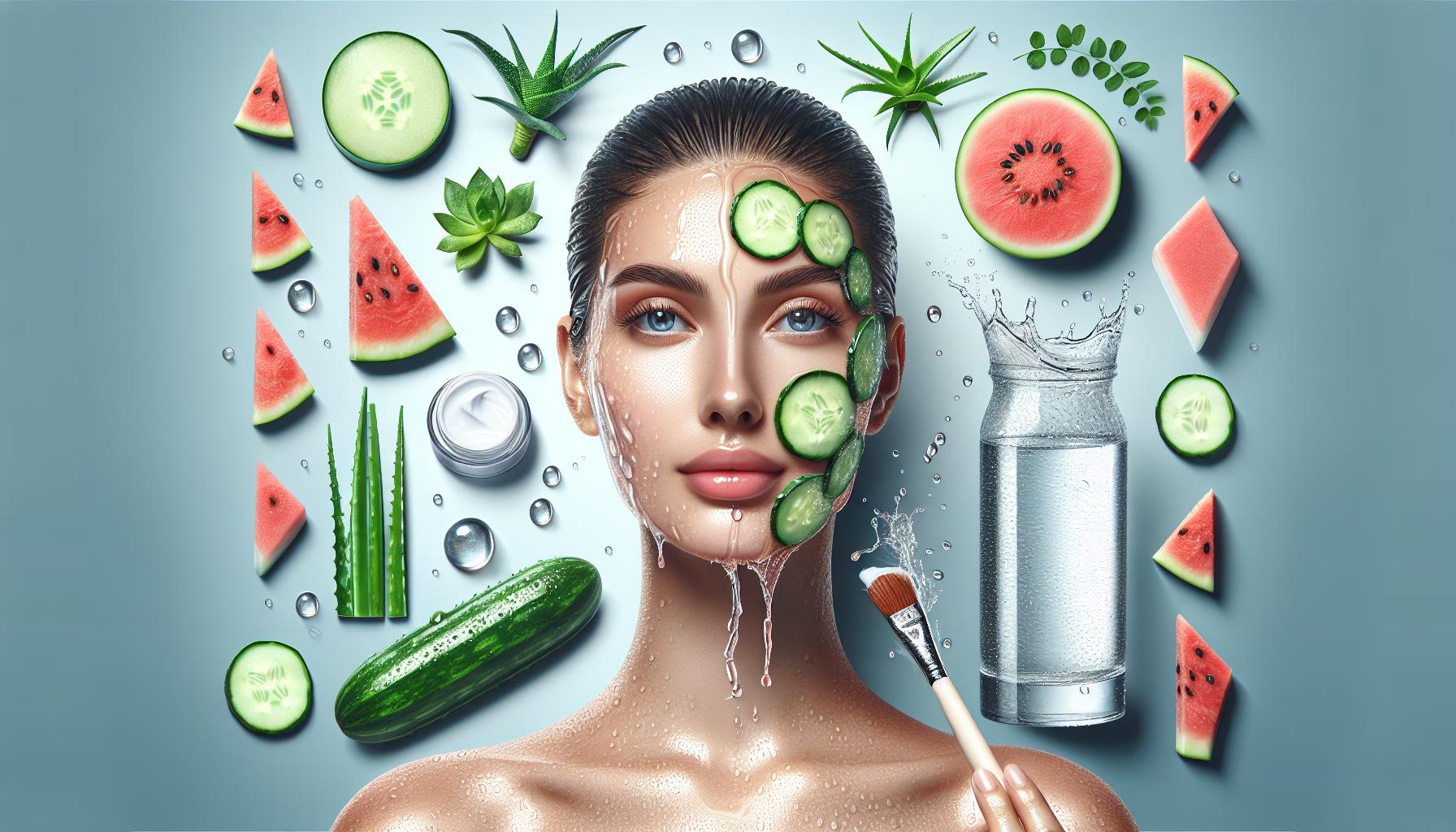
Harnessing the Power of Hydration: Best Practices for Moisturizing Different Skin Types
The Importance of Hydration in Skincare
Proper hydration is the cornerstone of healthy, radiant skin. For individuals navigating the vast landscape of skincare, understanding how to moisturize effectively is crucial. Each skin type—from oily to dry and everything in between—demands specific strategies to maintain balance and vitality. Well-hydrated skin reflects not just beauty but vitality, acting as a protective barrier against environmental stressors.
The significance of hydration extends beyond mere appearance. Well-hydrated skin can:
- Enhance elasticity: Hydration helps maintain skin suppleness and resilience. For example, skin with adequate moisture levels can stretch readily without sagging.
- Minimize fine lines: Dehydrated skin is more prone to developing fine lines and wrinkles. Regular moisturization can plump the skin, reducing the visibility of these imperfections.
- Improve overall skin texture: Hydrated skin looks smoother and healthier, creating a more even tone. This is especially important for people dealing with conditions such as eczema or rosacea, where maintaining skin texture through hydration can mitigate flare-ups.
- Boost the skin’s natural barrier function: A properly hydrated skin barrier helps protect against pollutants and microbes, reducing the risk of irritation and breakouts.
Key Considerations for Hydration
As we delve into the best practices for moisturizing, it’s essential to recognize that individual needs vary widely. Here are some key considerations:
- Skin Types: Understanding whether your skin is oily, dry, combination, or sensitive is essential. For instance, individuals with oily skin may benefit from lightweight, oil-free gels that hydrate without adding extra oil, while those with dry skin might find heavier creams containing occlusives like petrolatum or shea butter more effective.
- Seasons: Adjust your hydration routine based on seasonal changes. In winter, many experience dry skin due to low humidity levels, necessitating richer moisturizers, while summer months might call for lighter, more breathable formulas to combat sweat and potential acne breakouts.
- Ingredients: Familiarize yourself with what works best for your skin’s needs. Look for ingredients like hyaluronic acid, which can hold up to 1,000 times its weight in water, or glycerin, a natural humectant that draws moisture into the skin. Understanding these elements can significantly enhance your moisturizing routine.
Your Journey to Optimal Skin Health
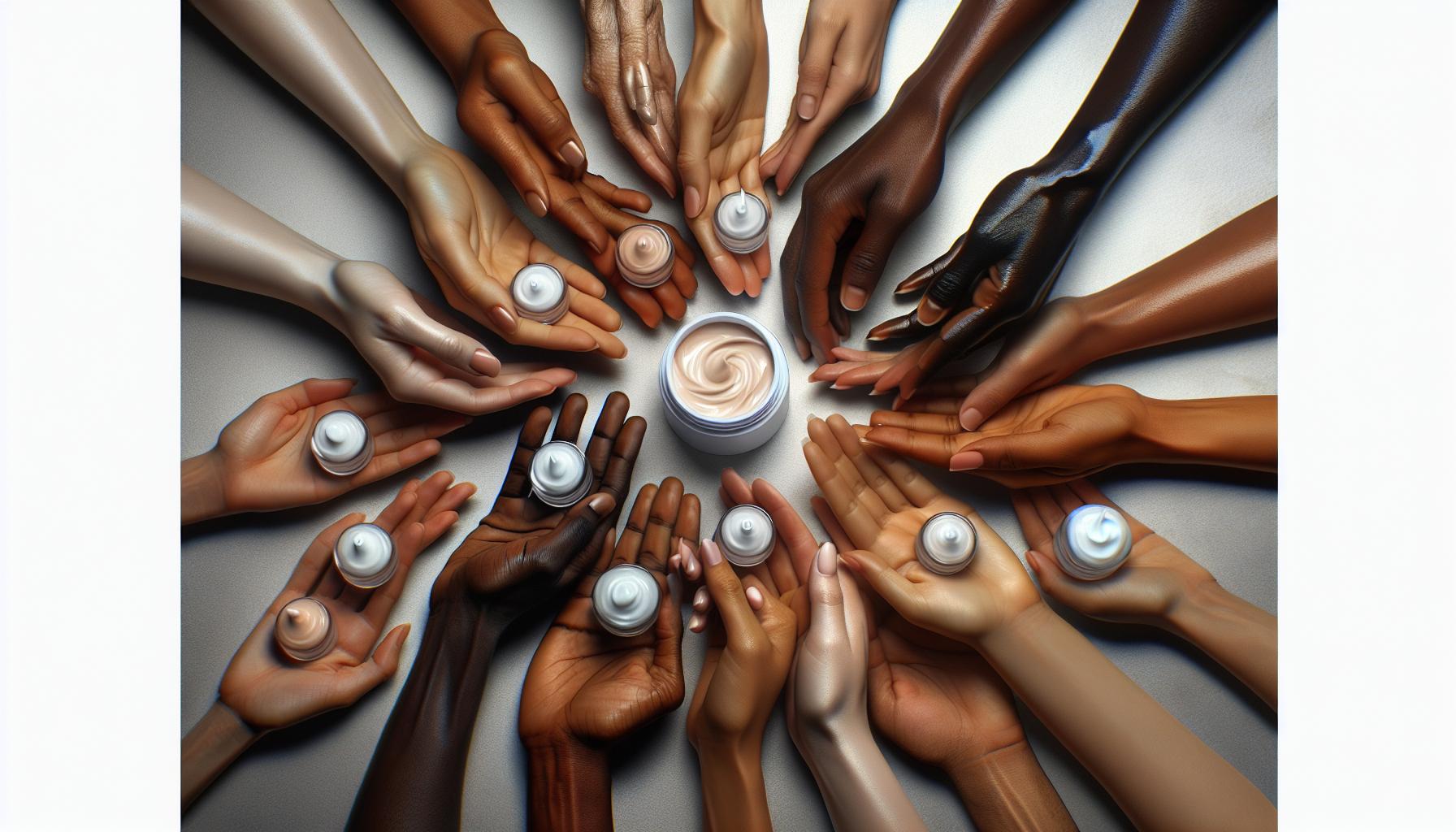
With a tailored approach to moisturizing, you can not only hydrate your skin but also unlock a healthier, more vibrant complexion. It’s crucial to remember that skincare is not a one-size-fits-all solution. Each adjustment you make can bring you closer to achieving your skin’s ideal state.
From choosing the right products to understanding the impact of environmental factors, each element plays a vital role in how your skin looks and feels. Join us as we explore effective strategies for harnessing the power of hydration for each unique skin type. Your journey to optimal skin health begins with informed choices and a commitment to self-care.
DISCOVER MORE: Click here for essential tips
Understanding Different Skin Types
The quest for flawless skin begins with recognizing that not all skin is created equal. Each skin type has unique characteristics and requirements, making it essential to identify your skin’s needs to maximize hydration effectively. This section will break down the four primary skin types—oily, dry, combination, and sensitive—and their specific moisturizing requirements.
Oily Skin
Characterized by an overproduction of sebum, oily skin often appears shiny and may be prone to acne and enlarged pores. Many individuals with oily skin may assume that moisturizers will exacerbate their condition. However, this is a myth—hydration is still critical. Opt for lightweight, oil-free moisturizers that feature gel-based formulas. Ingredients like hyaluronic acid and aloe vera are excellent choices, as they provide hydration without weighing down the skin.
Dry Skin
For those with dry skin, the struggle with flakiness and tightness can be a daily battle. This skin type often requires more robust hydration solutions. Cream-based moisturizers containing occlusive agents like petrolatum or shea butter can create a protective barrier that locks in moisture. It’s advisable to apply these moisturizers immediately after cleansing to trap as much hydration as possible.
Combination Skin
Combination skin presents a unique challenge, as it typically exhibits characteristics of both dry and oily skin. The T-zone may be shiny while the cheeks feel dry or tight. A balanced approach is crucial here. Use lighter formulations on the oily areas and richer creams on the dry patches. Look for products labeled “non-comedogenic” to prevent clogs in the more problematic areas.
Sensitive Skin
If your skin is easily irritated and prone to redness or allergic reactions, you likely fall into the sensitive skin category. When moisturizing sensitive skin, choose products that are free from fragrances, dyes, and parabens—these can aggravate the skin. Instead, seek out soothing ingredients like calendula and chamomile, which are gentle yet effective in providing necessary hydration.
Building Your Hydration Routine
Once you have a firm grasp of your skin type, curating a tailored hydration routine becomes much easier. Consider the following steps:
- Cleanse: Begin with a gentle cleanser to remove impurities without stripping natural oils.
- Tone: A hydrating toner can help in preparing the skin to absorb subsequent products effectively.
- Moisturize: Select a moisturizer suited for your skin type to lock in moisture right after toning.
- Protect: Use sunscreen daily, regardless of skin type, to protect hydration levels while guarding against UV damage.
By understanding your skin type and implementing these vital steps, you can significantly enhance your skincare routine through effective hydration. The right products and practices lead to thriving skin, paving the way for a clear and vibrant complexion.
Understanding Different Skin Types
When it comes to hydration, recognizing your skin type is crucial for selecting the appropriate moisturizing products. Each skin type has unique characteristics that dictate the best practices for moisturizing. Let’s explore these categories in depth to enhance your skincare routine.
Normal Skin
Normal skin generally maintains a perfect balance of moisture and oil, making it easier to manage. Individuals with this skin type should focus on lightweight moisturizers that provide hydration without excessive richness. Ingredients like hyaluronic acid and glycerin can bring increased hydration without clogging pores.
Dry Skin
Dry skin lacks natural oils, which can lead to flakiness and a tight sensation. For optimal hydration, consider using cream-based moisturizers enriched with sheabutter or ceramides. It’s essential to apply moisturizer immediately after washing your face to lock in moisture effectively.
Oily Skin
Oily skin produces excess sebum, which can make selecting a moisturizer challenging. Lightweight, oil-free moisturizers that contain salicylic acid can hydrate while helping to manage excess oil. Gel-based products often work well, as they absorb quickly, leaving no greasy residue.
Combination Skin
Combination skin may present with both dry and oily areas, necessitating a tailored approach. A gel-cream hybrid moisturizer can address hydration needs without overwhelming oily zones. Look for products with niacinamide, which can help balance oil production while providing hydration.
Sensitive Skin
Sensitive skin requires special attention, often reacting to harsh ingredients or environmental factors. When moisturizing, opt for fragrance-free and hypoallergenic products with soothing agents like aloe vera or oat extract. These ingredients can effectively nourish the skin while minimizing irritation.
Importance of Hydration
The significance of adequate hydration cannot be overstated, as it plays an essential role in maintaining the skin’s barrier. The skin’s barrier protects against environmental stressors and moisture loss. When hydrated properly, skin appears plumper, more radiant, and is less prone to irritation and damage. Regularly implementing the right moisturizing techniques based on skin type can lead to long-term benefits.
Best Practices for Effective Hydration
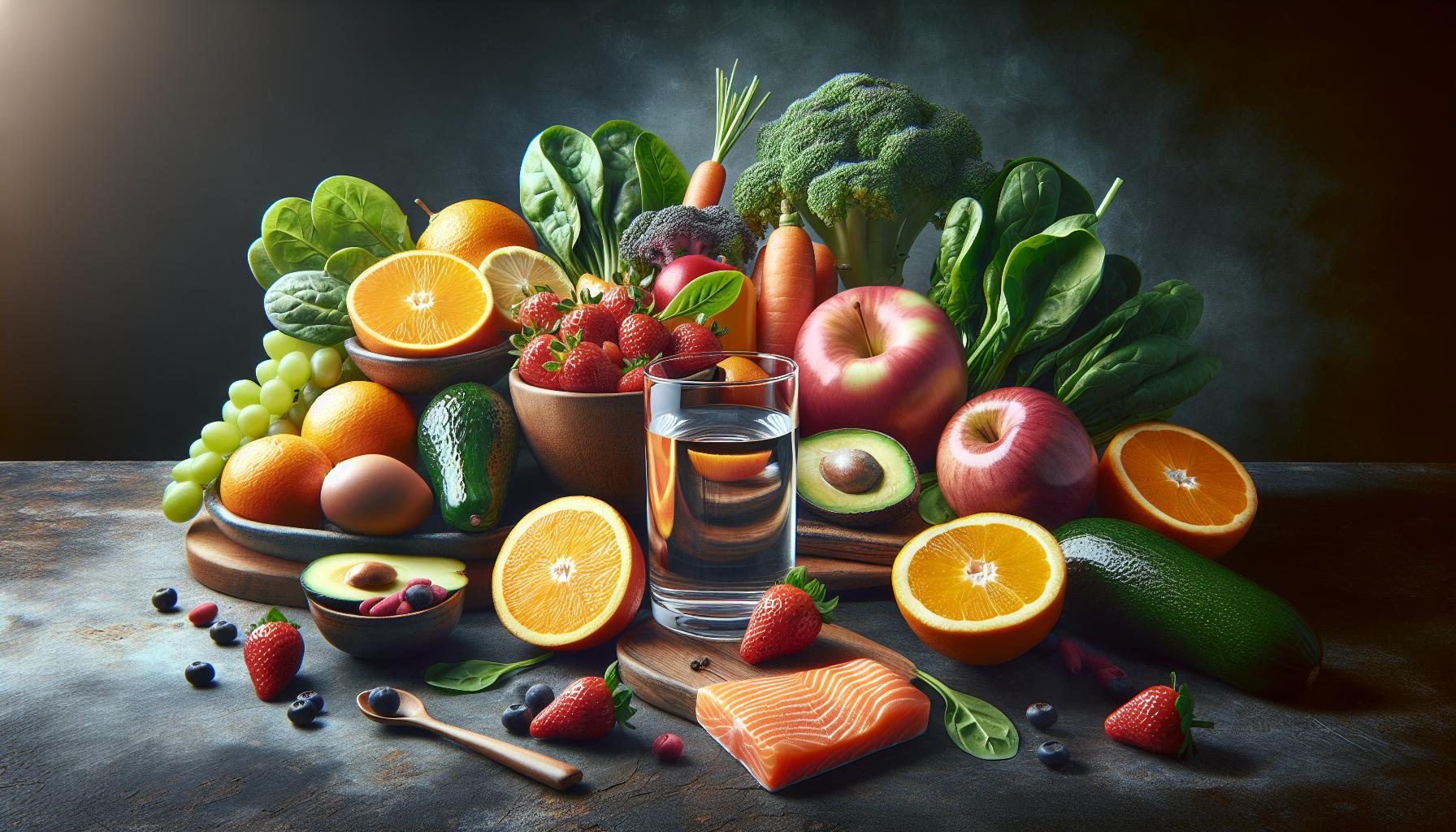
1. Patch Test New Products: Before introducing a new moisturizer, always perform a patch test to ensure compatibility with your skin type.2. Hydrate from Within: Drinking adequate water is as crucial as topical hydration, enriching your skin from the inside out.3. Seasonal Adjustments: Adapt your moisturizing routine according to seasonal changes to combat varying humidity levels.By implementing these best practices, you can harness the power of hydration and effectively cater to your skin’s specific needs, ensuring a healthier, more radiant complexion.
DISCOVER MORE: Click here to learn about how sleep can enhance your beauty
Incorporating Essential Ingredients for Optimal Hydration
Understanding your skin type is only half of the equation when it comes to achieving optimal hydration. The next step lies in selecting the right ingredients that can bolster the skin’s moisture levels. This section will explore various advanced ingredients proven to enhance hydration across all skin types, thus making your moisturizing routine even more effective.
Hyaluronic Acid
Renowned as one of the most powerful hydrating agents, hyaluronic acid is a naturally occurring substance in the body capable of holding up to 1,000 times its weight in water. This humectant draws moisture from the environment into the skin, making it an ideal choice for those with oily and dry skin alike. Products featuring hyaluronic acid can help maintain skin elasticity and reduce the appearance of fine lines and wrinkles, contributing to a youthful and plump complexion.
Glycerin
Glycerin is another exceptional humectant that not only hydrates but also reinforces the skin’s natural barrier. It works by attracting water from the atmosphere into the skin’s outer layer, thus effectively preventing moisture loss. Suitable for all skin types, glycerin is especially beneficial for sensitive skin as it is gentle and non-irritating. Look for glycerin-infused moisturizers or serums to provide an extra layer of stability and hydration.
Ceramides
Ceramides play a crucial role in maintaining the skin barrier, particularly for those with dry or sensitive skin. These lipid molecules help to restore and repair the skin’s protective barrier, locking in moisture and providing a defense against environmental aggressors. Incorporating a moisturizer or treatment rich in ceramides can offer profound hydration while alleviating dryness and irritation. Additionally, they contribute to a smoother skin texture by reducing the appearance of fine lines.
Natural Oils and Butters
For individuals with dry or combination skin, embracing natural oils such as coconut oil, jojoba oil, or argan oil can provide deep hydration and nourishment. These oils help to seal in moisture, ensuring that the skin remains soft and supple throughout the day. In contrast, shea butter acts as an occlusive agent, forming a barrier that preserves hydration. The inclusion of these oils or butters can enhance your moisturizing regimen significantly, especially in harsh weather conditions.
Antioxidants
While primarily known for their anti-aging properties, antioxidants can also play a pivotal role in hydration. Ingredients like vitamin C, vitamin E, and green tea extract combat oxidative stress and environmental damage, thus promoting a healthier skin barrier. Some forms of vitamin C even have moisture-retaining properties, making them beneficial for enhancing hydration levels. Incorporating an antioxidant serum into your routine can complement your hydration efforts, offering both skin protection and moisture retention.
As you develop your hydration strategy, considering these ingredients can make a notable difference in how your skin responds to treatment. By choosing the right formulations tailored to your skin type, you can truly harness the power of hydration and elevate your skincare game to new heights.
EXPLORE MORE: Click here for essential tips on preventing breakouts
Conclusion: Elevating Your Hydration Game
In an era where our skin faces unprecedented environmental challenges, hydration emerges as a non-negotiable aspect of skincare. By understanding your unique skin type and integrating effective ingredients such as hyaluronic acid, glycerin, ceramides, natural oils, and antioxidants, you can create a tailored moisturizing regimen that meets your skin’s specific needs. This approach not only bolsters moisture retention but also enhances your skin’s overall health, resilience, and appearance.
It is essential to remember that hydration is not a one-size-fits-all solution; each individual’s skin will respond differently based on various factors, including climate, dietary habits, and lifestyle choices. Therefore, patience and observation are key. Experiment with different formulations and keep track of how your skin reacts, as this will empower you to fine-tune your routine for optimal results.
Moreover, the quest for hydration goes beyond topical applications. Staying adequately hydrated through water intake and a balanced diet filled with skin-loving nutrients should also be part of your strategy. With the right knowledge and practices, you can decisively transform your skin health, harnessing the power of hydration for vibrant, youthful skin. So, embark on this hydrating journey, and let your skin reflect the care and attention it truly deserves.