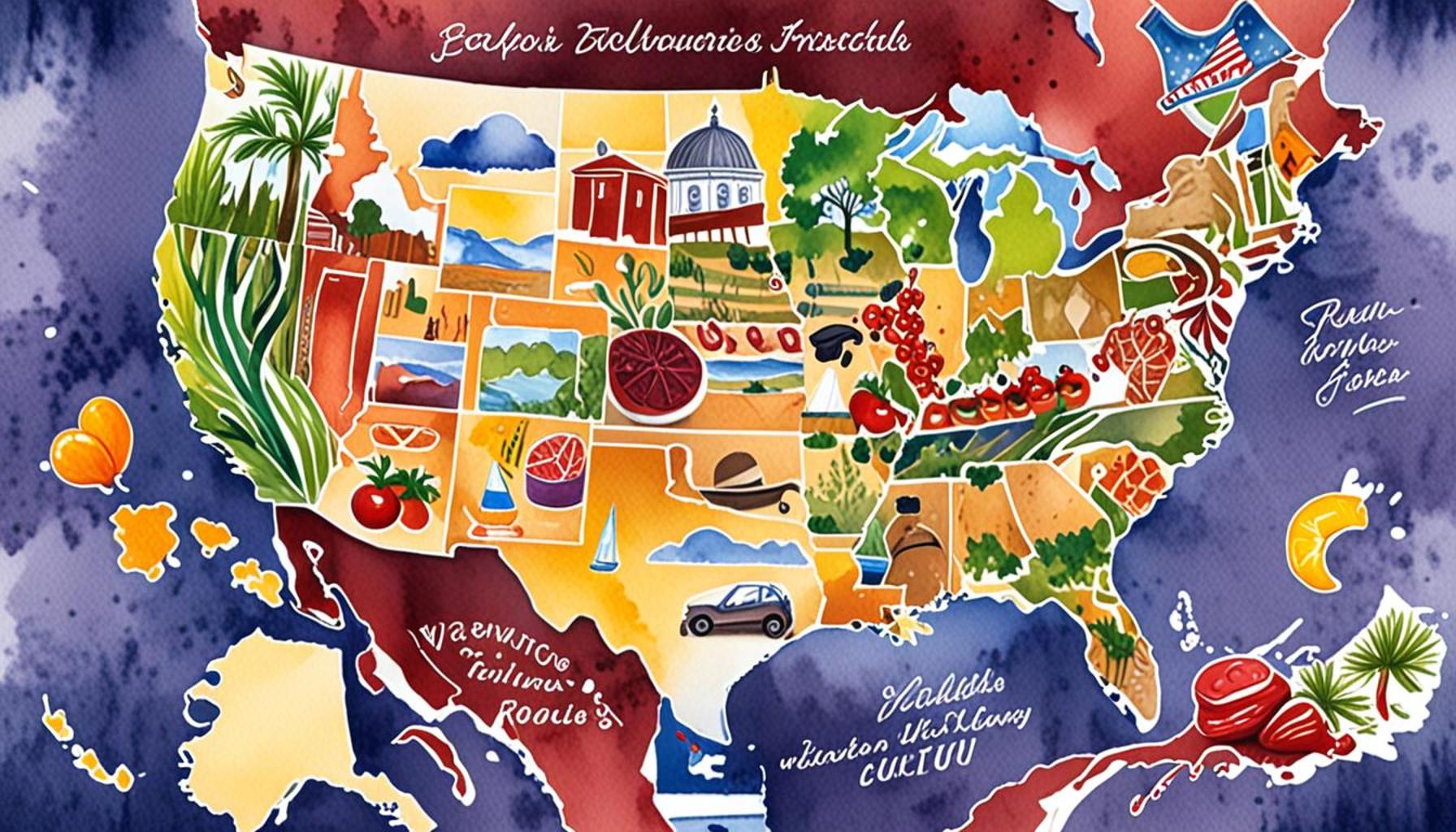
Historical Paths: Itineraries that Reveal the Cultural Wealth of America

The Experience of Historical Exploration
Traveling through America’s historical landscapes offers a profound understanding of the nation’s cultural fabric. Each site reveals stories woven into the very essence of the country—from early colonists battling for independence to the Indigenous peoples whose histories span thousands of years. This journey through time is not merely an exercise in nostalgia; it is a vital exploration of identity and resilience.
Fascinating Itineraries to Consider
One of the pivotal routes for history enthusiasts is the Freedom Trail in Boston. This 2.5-mile-long path meanders through 16 historically significant sites, including the Massachusetts State House and Paul Revere’s House. Each stop narrates tales of heroism and sacrifice during the American Revolution, allowing visitors to walk in the footsteps of those who fought for liberty. Guided tours often include reenactments and stories, making the vibrant past come alive before your eyes.
Another significant route is the Trail of Tears, which commemorates the heart-wrenching forced relocation of Native Americans from their ancestral lands in the southeastern United States to designated Indian Territory in present-day Oklahoma. Along this somber trail, markers and monuments remind us of the struggles faced by tribes such as the Cherokee, Seminole, and Creek. Visiting this trail encourages reflection on the resilience of Native cultures and serves as a reminder of the painful chapters of American history.
For those captivated by the spirit of the open road, Route 66 embodies the quintessential American road trip. Spanning from Chicago to Santa Monica, this iconic highway is dotted with vintage diners, neon signs, and charming small towns that reflect the nostalgic American lifestyle. Travelers not only experience scenic beauty but also uncover stories of innovation and migration that shaped modern America. Along the way, attractions like the Grand Canyon and the Cadillac Ranch provide a backdrop for memorable adventures.
Engaging with Local Culture
As travelers embark on these journeys, they often encounter historical markers and local legends that enrich their understanding of the regions they traverse. Engaging with local communities—perhaps through guided tours led by descendants of historical figures or culinary experiences showcasing traditional dishes—adds depth to the historical narrative. These interactions foster a dialogue between past and present, allowing a personal touch that transforms abstract concepts into tangible experiences.

The Journey Toward Understanding
Embarking on these itineraries does more than satisfy a thirst for adventure. It invites individuals to immerse themselves in America’s past, appreciating its complexity and acknowledging its struggles. In doing so, travelers pave a path toward a future rooted in heritage and compassion, embodying values of mutual respect and shared humanity. By exploring these historical paths, one not only travels through America; they also navigate the intricate tapestries that shape the collective identity of a nation. In a world increasingly focused on dialogue and understanding, these journeys are crucial for fostering connections and growth.
DIVE DEEPER: Click here to discover more
Exploring America’s Revolutionary Roots
As a land steeped in history, America offers a multitude of routes that uncover the intricate tapestries of its past. Perhaps one of the most pivotal narratives can be traced along the Historic Triangle of Virginia, which encompasses the cities of Williamsburg, Jamestown, and Yorktown. This journey signifies the cradle of American democracy and highlights the formative years of a nation that would redefine governance. Visitors to this triangle can walk along colonial streets, engage with historical interpreters, and witness reenactments that bring the events leading to independence vividly to life.
The journey begins in Jamestown, the first permanent English settlement in North America, founded in 1607. Here, tourists can explore the Jamestown Settlement museum, where exhibits and re-creations depict the challenges faced by early settlers and their interactions with Indigenous populations. Just a short drive away lies Colonial Williamsburg, a living history museum where costumed interpreters portray life in the 18th century. Visitors can participate in activities ranging from colonial trades to political debates that echo the revolutionary ideologies of the time.
Next, the trail leads to Yorktown, site of the decisive battle in 1781 where American and French forces defeated the British army, effectively securing victory in the Revolutionary War. The Yorktown Battlefield offers guided tours and informative programs that explain military strategies and personal stories, shedding light on the sacrifices made for freedom. Together, these sites create a powerful narrative of revolution and resilience, inviting travelers to ponder the arduous journey toward establishment and independence.
Exploring the American Civil Rights Movement
Another essential series of paths lies within the Civil Rights Trail, which commemorates significant events and figures in the struggle for African American civil rights throughout the 20th century. Spanning numerous states, including Alabama, Georgia, and Mississippi, this trail provides a sobering yet inspiring look at pivotal moments in American history. Travelers seeking to understand the ongoing fight for equality will encounter landmarks such as the 16th Street Baptist Church in Birmingham, the site of a tragic bombing in 1963 that galvanized public opinion for civil rights reform.
Visitors can also explore the National Civil Rights Museum in Memphis, located at the former Lorraine Motel where Dr. Martin Luther King Jr. was assassinated. The museum offers a comprehensive overview of the civil rights movement through poignant exhibits, photographs, and artifacts. Each stop along this path serves to engage the heart and mind, inviting reflection on past struggles while recognizing the collective journey toward justice and equality.
Key Historical Sites to Consider
- National Mall in Washington D.C.: Home to iconic monuments including the Lincoln Memorial and the Martin Luther King Jr. Memorial, this area plays a symbolic role in the narrative of American freedom and civil rights.
- Gettysburg National Military Park: Site of one of the Civil War’s most critical battles, this park commemorates the profound struggles and sacrifices that shaped the nation.
- Selma to Montgomery National Historic Trail: This route traces the march for voting rights and highlights the bravery of activists who confronted segregation and oppression.
Whether traversing the Revolutionary paths or engaging with the profound struggles of the Civil Rights Movement, each historical itinerary serves not only as a journey through time but also as an exploration of the enduring spirit that shapes America today.
| Category | Details |
|---|---|
| Cultural Exploration | Experience the rich tapestry of America’s history through guided itineraries. |
| Historical Awareness | Unearth local heritage, leading to a deeper understanding of cultural identity. |
The theme “Historical Paths: Itineraries that Reveal the Cultural Wealth of America” invites travelers to delve into regions steeped in story and tradition. Each journey serves as a unique opportunity to explore diverse cultural narratives, revealing the influences that shaped the nation. From the colonial roots in New England to the vibrant cultural mosaic of the Southwest, these itineraries are designed to enlighten and inspire.By choosing to embark on these routes, travelers don’t just witness historical landmarks; they engage with local communities, artisans, and storytellers who breathe life into the tale of America. By prioritizing cultural exploration, each path serves as a reminder of our shared history, fostering a connection between past and present. Moreover, enhancing historical awareness not only enriches personal understanding but helps preserve these narratives for future generations. Ultimately, these journeys provide an immersive experience that invites further discovery and appreciation of America’s cultural wealth.
DISCOVER MORE: Click here for family-friendly outdoor adventures
Rediscovering America’s Indigenous Heritage
While America’s history is often framed through the lens of colonization and revolution, Indigenous narratives weave an equally important story of resilience and cultural richness. One of the most impactful routes to explore the legacy of Native Americans is the Trail of Tears National Historic Trail, which commemorates the forced relocation of the Cherokee Nation in the 1830s. Stretching across multiple states, including Georgia, Tennessee, and Oklahoma, this trail invites visitors to reflect on the profound impacts of displacement and loss while honoring the vibrant cultures that have persisted.
Travelers embarking on this journey can visit key locations such as the New Echota Historic Site in Georgia, the capital of the Cherokee Nation prior to removal. The site features a museum showcasing Cherokee history and the significance of their sovereignty. Additionally, the Ocoee River in Tennessee is marked by painful memories as it was a route taken during their forced migration. Educational programs and interpretive trails offer vital context and stories that emphasize the resilience of Indigenous peoples.
Encountering the Spirit of the West
Another monumental itinerary is the Oregon Trail, a historical path that lured countless pioneers in the 19th century to seek new opportunities in the West. This iconic route, spanning over 2,170 miles from Missouri to Oregon, is rich with tales of hardship, ambition, and adventure. Travelers on this historic journey can immerse themselves in the experiences of thousands who faced treacherous landscapes, harsh weather, and uncertainty.
Visitors can navigate the California Trail Interpretive Center in Elko, Nevada, where interactive exhibits and reenactments illustrate the trials and triumphs of westward expansion. The nearby National Oregon/California Trail Center in Montpelier, Idaho, offers an authentic experience through guided wagon rides and storytelling sessions that bring history to life. Along the way, hikers can also discover scenic stops like the Fort Bridger in Wyoming, a vital resupply point for travelers.
Unveiling America’s Military Heritage
The exploration of historical paths is not complete without acknowledging the sites that capture America’s military struggles and victories. The American Revolution Trail invites visitors to experience key battlefields and forts across the eastern United States. One pivotal stop is the Valley Forge National Historical Park in Pennsylvania, where George Washington’s army endured a harsh winter that would become a defining moment in the war. The park now offers reenactments, educational programs, and stunning landscapes that resonate with the stories of sacrifice and determination.
- San Juan National Historic Site in Puerto Rico: This fortification historically defended the island against foreign invaders, representing the strategic military innovations of its time.
- Vicksburg National Military Park: A key site of the Civil War, here visitors can learn about the Siege of Vicksburg, which marked a turning point in the conflict.
- Point Reyes National Seashore: Beyond natural beauty, this site holds remnants of military forts from both the Spanish-American War and World War II, showcasing the various roles the coastline played in defense.
From the Indigenous histories to the narratives of westward migration and military engagements, discovering these historical paths unveils the diverse cultural wealth woven into the fabric of America. Each route tells a unique story, collectively contributing to an understanding of the people and events that have shaped the nation.
DON’T MISS: Click here to discover how location enhances your travel experience
Exploring America’s Cultural Tapestry
In conclusion, the historical paths that crisscross the United States serve as powerful conduits to explore the rich cultural heritage that defines America. These itineraries, from the poignant Trail of Tears to the ambitious Oregon Trail and the battle-hardened landscapes of the American Revolution Trail, provide invaluable insights into the stories of resilience, ambition, and sacrifice that shape the national narrative.
Engaging with these routes allows travelers to not only understand the complexities of American history but to appreciate the diverse tapestry of cultures that have contributed to the nation’s development. Each stop along these paths invites a deeper reflection on the past, fostering a connection with the American identity that is as multifaceted as the land itself.
As you consider your next journey, remember that walking in the footsteps of history offers a unique opportunity to honor those who came before us. Whether visiting sites that celebrate Indigenous heritage, reveling in the spirit of westward expansion, or standing in awe of sacred battlegrounds, the threads of America’s cultural wealth await your exploration. So pack your bags, uncover these trails, and immerse yourself in the narratives that continue to resonate through time.
By following these historical paths, you become part of a living history, ensuring that the lessons learned and the stories shared endure for generations to come. The journey of discovery invites everyone to deepen their understanding of what it means to be American.