How Behavior Training Can Help with Cat Socialization

Unlocking the Secrets of Cat Socialization
Understanding your cat’s behavior is key to fostering a harmonious relationship. Many cat owners often wonder why their feline friends display certain behaviors, particularly when it comes to socializing with other pets or humans. By employing behavior training techniques, you can transform your cat from a reclusive observer to a confident participant in social settings.
Why Behavior Training Matters
Behavior training is not just a tool for correcting undesirable habits; it is an essential component of making cats feel comfortable in their environment. Here’s how it can assist in building social skills:
- Increased Confidence: Training your cat can lead to greater self-assurance when navigating new experiences. For instance, a shy cat that receives positive reinforcement for engaging with visitors might grow bolder over time, even showing curiosity by approaching new people.
- Reduces Anxiety: Many cats are naturally wary of change. Implementing proper socialization techniques—like gradually introducing your cat to a new pet through scent swapping or using treats during their first meetings—can mitigate feelings of fear and help them adapt to new environments with ease.
- Enhances Interactions: Well-socialized cats tend to exhibit more playful and friendly behavior, leading to a richer living experience. For example, a cat that is accustomed to meeting children may act less defensively and even engage in friendly play, fostering bonds not only with humans but also with fellow pets.
As fascinating as it is, the journey of socializing your cat involves patience and perseverance. Low-pressure environments are ideal for this training, allowing your cat to explore and observe without feeling overwhelmed. In practice, this might mean creating a designated space with toys and cozy spots where they can feel secure while meeting new friends, be it human or animal.
Consider also the importance of routine. By establishing a regular schedule for feeding and playtime, you can help your cat anticipate engaging experiences, which can further reduce anxiety. Keeping interactions positive is crucial; when they show bravery or curiosity, reward them with treats or affection. Such reinforcement signals to your cat that socializing yields positive outcomes, encouraging them to continue improving their skills.
So, what are the best practices to incorporate into your routine to enhance your cat’s social skills? Engage in visual plays with other pets through a screen or window, allow your cat to safely observe newcomers, and always respect your cat’s pace. By committing to these techniques, you’re not just training your cat; you are building a foundation for a more fulfilling life, rich with interactions and trust.
Understanding the Fundamentals of Cat Socialization
Cat socialization is essential for fostering well-adjusted felines capable of engaging with their human companions and other pets. The process can be more challenging than it seems, especially since cats are naturally independent and may not respond positively to sudden changes in their environment. Fortunately, with behavior training, owners can facilitate this process and help their cats acclimate to various social situations.
The Role of Early Socialization
Timing is crucial when it comes to socializing your cat. Kittens between the ages of 2 to 9 weeks are particularly receptive to new experiences and interactions. During this critical window, exposing them to diverse stimuli—such as sounds, sights, and different types of handling—can lay the groundwork for a more sociable adult cat. To maximize this early socialization, consider the following strategies:
- Positive Experiences: Ensure that any exposure to new people or pets is paired with enjoyable activities, like playtime or tasty treats. For instance, if your kitten meets a friendly dog, reward them for their bravery with their favorite snack.
- Frequent Exposure: Introduce your kitten to a variety of people, environments, and experiences regularly throughout their formative weeks. This encourages adaptability and helps reduce the likelihood of developing phobias or aggressive behaviors as they grow older.
- Safe Space Creation: Establish a secure space where your kitten can retreat to if they feel overwhelmed. This can be a cozy bed or a designated room filled with familiar toys, allowing them to observe social situations from a safe distance.
Beyond kittenhood, adult cats often require different tactics for effective socialization. Many older felines have built specific preferences and are less adaptable than their younger counterparts. As cats’ social experiences expand, owners can incorporate gradual exposure methods. Here are several techniques to encourage adult cat socialization:
- Slow Introductions: If you’re bringing a new pet or person into your home, utilize a gradual introduction process. Start by allowing your cat to sniff objects belonging to the newcomer, then gradually allow them to interact under supervision.
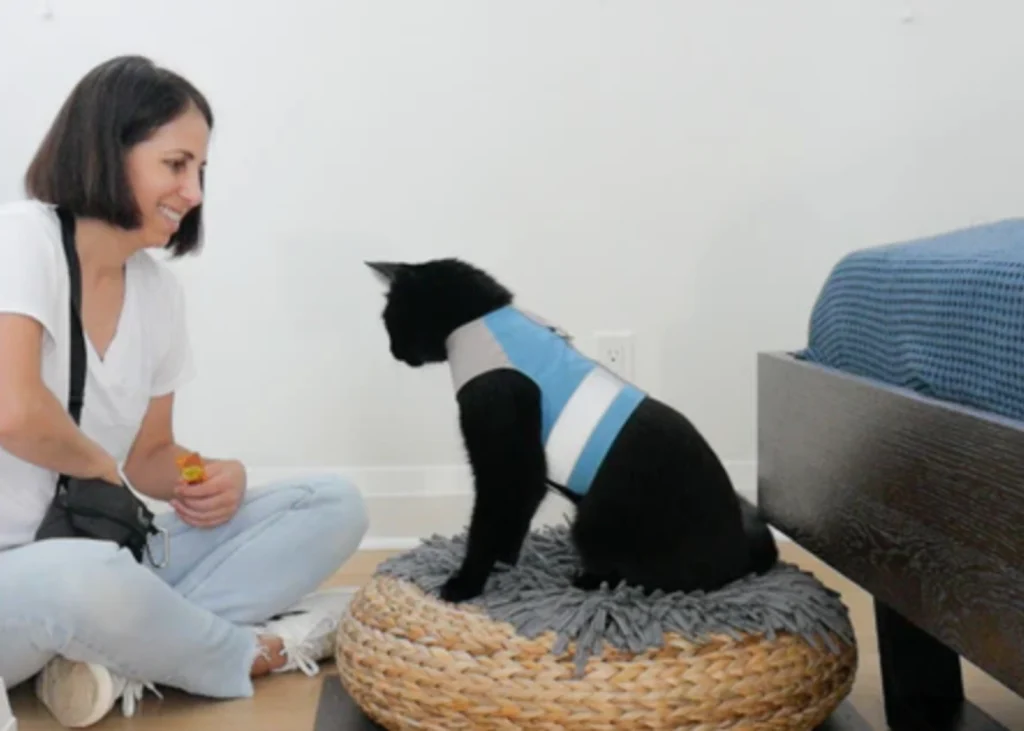
- Regular Training Sessions: Implement short training sessions to reinforce desired behaviors and reduce fear of new experiences. Techniques like clicker training can be particularly effective, helping your cat associate positive outcomes with social environments.
- Routine and Predictability: Maintain a consistent daily routine for feeding, playtime, and social interactions. This predictability can reassure your cat and make them more open to participating in social activities.
Ultimately, socializing a cat requires a blend of patience, understanding, and the right behavior training techniques. By consistently applying these methods, you not only enhance your cat’s ability to interact with others but also enrich their overall quality of life, cultivating a harmonious household that both felines and humans can enjoy.
| Advantage | Description |
|---|---|
| Improved Confidence | Behavior training can promote a confident demeanor in cats, making them more comfortable in social situations. |
| Better Social Skills | Through structured interaction with other animals, cats learn essential social cues that enhance their ability to relate to peers. |
| Reduction of Aggressive Behavior | Proper training reduces fears and anxieties, minimizing aggressive tendencies and fostering peaceful coexistence. |
| Enhanced Human-Feline Bond | Behavior training strengthens the bond between cats and their owners by incorporating positive reinforcement techniques. |
Exploring the nuances of behavior training reveals how it effectively addresses common issues in cat socialization. It’s crucial not only for enhancing a feline’s confidence but also for paving the way for improved interactions with both humans and other animals. A well-socialized cat is not only a joy to behold but can also mirror our best behavioral qualities, making them better companions. By implementing structured training sessions, cat owners can witness remarkable transformations, leading to a balanced and harmonious environment within the home. Understanding these benefits encourages pet owners to invest in behavior training as a fundamental aspect of responsible cat care, promoting a happier and more tranquil lifestyle for both cats and their families.
Behavior Training Techniques for Socializing Cats
While understanding the fundamentals of cat socialization is critical, employing the right behavior training techniques can greatly enhance a cat’s ability to interact positively with their surroundings. Cats are unique creatures that require tailored methods to refine their social skills. Below are effective strategies and methods that owners can implement.
Clicker Training: A Methodical Approach
Clicker training is a popular method that utilizes a small device that makes a distinctive sound—usually a click—to indicate a desired behavior has been exhibited. When applied to socialization, clicker training can help reinforce positive interactions. For instance, each time your cat successfully approaches a new person or other animals, a gentle click followed by a treat will create a positive association. This can lead to:
- Boosted Confidence: As the cat starts to associate social interactions with rewards, their confidence grows, which encourages them to engage more frequently.
- Consistent Communication: The consistency of the clicker helps delineate desired behaviors clearly, leading to less confusion for the cat about what is expected of them.
- Enhanced Focus: During training sessions, your cat learns to focus on you as the provider of rewards, strengthening your bond and making them more comfortable engaging with others.
Desensitization Techniques
Another profound strategy is desensitization, which involves gradual exposure to social scenarios that may initially cause anxiety or fear. This technique works especially well for adult cats who are wary of new environments or unfamiliar faces. The key to successful desensitization includes:
- Identify Triggers: Start by noting what situations cause stress for your cat. Is it loud noises, unfamiliar people, or perhaps the presence of other animals? Understanding the triggers allows for a more tailored approach.
- Systematic Exposure: Gradually introduce your cat to identified stimuli at a distance that feels safe for them. As they become accustomed to the presence of these triggers without severe stress, you can slowly decrease the distance over time.
- Employ Calming Aids: Consider using calming pheromones or music designed for pets during desensitization sessions to promote relaxation.
Positive Reinforcement in Everyday Interactions
Incorporating positive reinforcement into daily routines can also aid in socialization efforts. Cats are more likely to respond well to social interactions when they feel secure and appreciated. This can be achieved through:
- Playtime: Engaging your cat with interactive play not only strengthens the bond between you and your feline but also helps them express themselves in social situations. Consider using toys that promote collaborative behavior, enhancing their ability to engage with humans and the environment.
- Gentle Handling: Teach your cat to accept gentle handling by familiarizing them with varied types of touch, rewarding them positively for remaining calm and relaxed.
- Social Playdates: Organizing playdates with other friendly, well-socialized cats can create safe opportunities for your cat to practice their social skills.
By conducting these behavior training techniques, cat owners can significantly influence their pet’s socialization journey. Engaging your cat through systematic exposure, clicker training, and fostering positive interactions helps to create a more confident, well-adjusted feline companion. Each interaction enriches their experience while transforming the household environment into a vibrant space for both the cat and its human family.
Conclusion
In summary, behavior training plays a pivotal role in enhancing cat socialization, creating an environment where felines can thrive and feel confident amid varied interactions. By employing techniques such as clicker training, desensitization, and positive reinforcement, cat owners are equipped to help their pets develop essential social skills that foster a harmonious relationship not only with humans but also with other animals.
The methods outlined in this article emphasize the significance of tailored approaches when working with cats, who are inherently more independent and sometimes shy creatures. Recognizing each cat’s unique personality is essential when selecting and implementing training techniques. For instance, a naturally anxious cat may respond exceptionally well to gradual desensitization, while a more curious cat might flourish under consistent clicker training.
Ultimately, the significant benefits derived from effective socialization extend beyond mere behavioral adjustments; they help cultivate a joyful environment for both cats and their families. A well-socialized cat demonstrates reduced anxiety, improved behavioral health, and increased contentment, leading to a happier home. Additionally, the bond forged during training can be profoundly rewarding, transforming the pet-owner relationship into one filled with trust and companionship. As cat owners embark on this journey, they pave the way for a lifetime of enriching experiences that bring joy and fulfillment to both parties.
As you consider these training strategies, remember that patience and consistency are vital. Embracing the challenge of cat socialization can yield an incredibly rewarding experience, enriching the lives of both you and your feline companion for years to come.