
How Community Theater Strengthens Social Ties
The Heartbeat of Community Connection
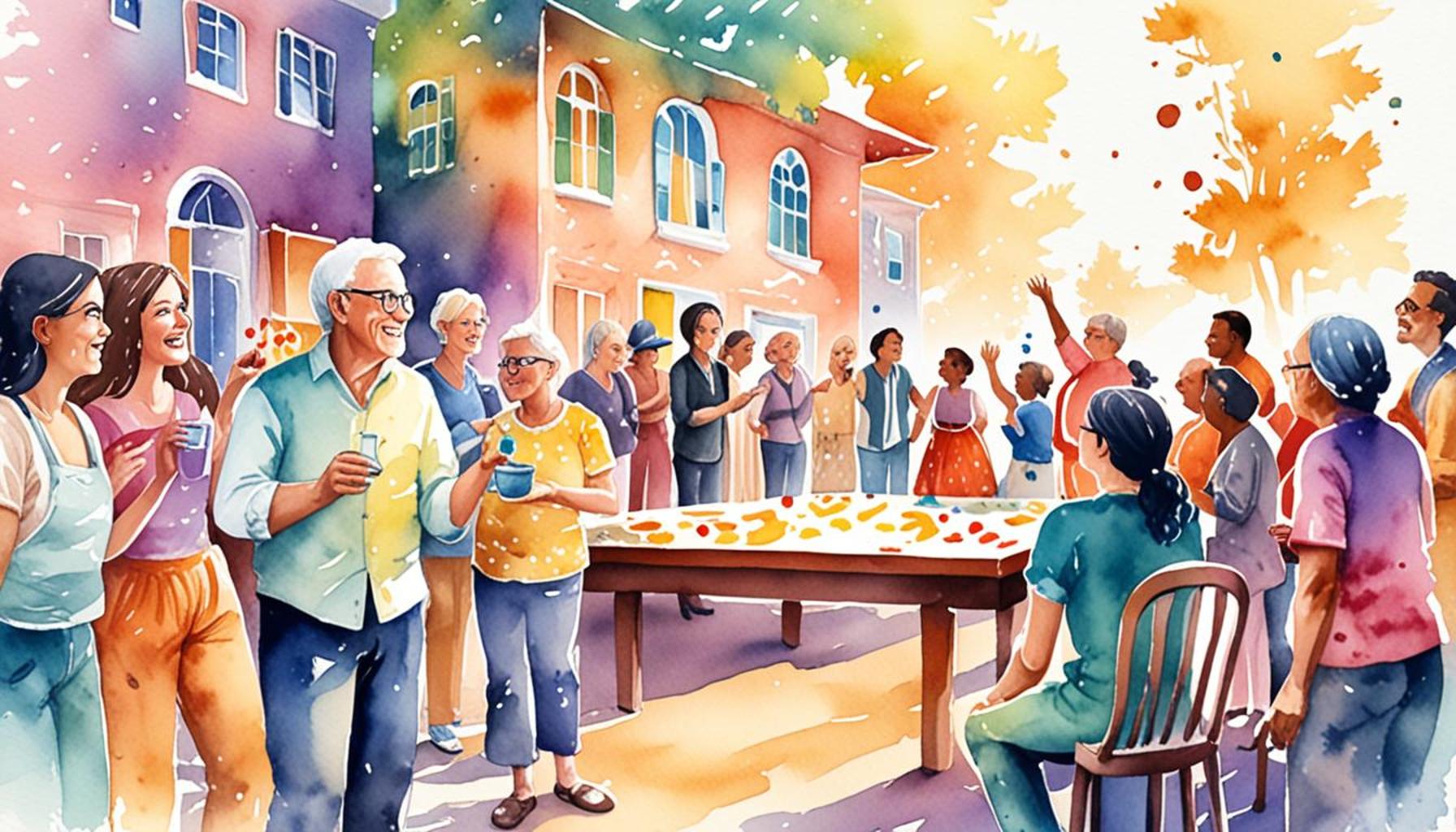
Community theater is more than just a platform for showcasing artistic talent; it functions as a fundamental social hub that cultivates connections among individuals. By bringing together diverse casts, crews, and audiences through the shared power of storytelling, local productions forge relationships that often extend beyond the theater. These connections are not simply happenstance; they are the result of multifaceted interactions that transpire during rehearsals, performances, and community events.
Shared Experiences
Live performances are unique in their ability to elicit emotional responses from both performers and audiences. There is an undeniable synergy that occurs when individuals witness a story unfold on stage together. For example, during a suspenseful scene, gasps and laughter resonate throughout the audience, forging a collective emotional experience. This communal engagement fosters a sense of intimacy and connection among diverse audience members, which seems almost familial. In small towns, where people may feel isolated, a regional play can spark conversations, friendships, and even collaborative projects among audience members who might have never crossed paths otherwise.
Collaboration
The collaborative nature of community theater also plays a critical role in strengthening ties among individuals. Actors, directors, and crew members come together, pooling their talents and perspectives to create a cohesive production. Such teamwork enhances personal skills, such as communication and problem-solving, while simultaneously promoting a shared vision. For instance, the production of a complex play often involves numerous rehearsals that require not only talent but mutual support and understanding. This shared journey creates a bond that is often hard to replicate in traditional jobs or settings. Many individuals find lifelong friendships and professional networks within their local theater communities.
Inclusivity
Community theater prides itself on being inclusive, welcoming individuals from all walks of life. This openness encourages participation from individuals regardless of age, race, or background. Initiatives such as free audition workshops, outreach programs to underrepresented groups, and collaborative productions with local schools promote a spirit of belonging. By integrating various perspectives and experiences into the storytelling process, community theater not only reflects but also enriches the cultural fabric of the community. A production that involves local schools might inspire students to embrace their artistic talents, subsequently fostering a new generation of performers and audiences.
The synergy created through these theatrical endeavors enhances not only personal relationships but also cultivates a strong sense of community identity. As towns and cities across the United States embrace local productions, the ripple effect can be seen in civic engagement and cultural vitality, often leading to increased attendance at other local events, thereby revitalizing the whole community’s spirit.
Each performance presents an opportunity to engage, promote cultural exchange, and encourage civic participation in a way that is unique to each locale. Thus, community theater is not simply about the art of performance; it represents a revitalization of social ties, one production at a time. Those seeking to understand the profound impact of this phenomenon are encouraged to explore local theaters, attend a show, and perhaps even consider participating, as the connections formed during these experiences are some of the most genuine bonds one can cultivate.
DISCOVER MORE: Click here for inspiring DIY projects
The Bonds of Performance
As audiences settle into their seats, the lights dim and the stage comes alive, it becomes evident that community theater serves as a pivotal platform for establishing and nurturing social ties. The exchange of emotions, creativity, and collective goals plays a significant role in solidifying relationships within the community. When individuals come together to participate in or observe a local production, they become part of an interconnected web of support, unity, and shared enthusiasm.
Emotional Engagement and Impact
The very essence of theater lies in its ability to evoke emotions, often drawing people from different backgrounds into a shared space of vulnerability and laughter. At a community theater performance, audience members may engage in discussions about the themes and characters portrayed, allowing them to share personal insights and experiences. This dialogue can lead to:
- Deepened Understanding: When people engage with the stories presented on stage, they often find common ground, enhancing their understanding of one another’s backgrounds and perspectives.
- Increased Empathy: Witnessing characters navigate trials can stimulate empathy, helping individuals relate to and support one another in their own lives.
- Lasting Connections: From casual acquaintances to deep friendships, the shared experience of theater fosters connections that can endure beyond the final curtain call.
These emotional connections do not just disappear once the applause fades; they carry into everyday life, contributing to a stronger community spirit. For many, the storylines presented resonate in ways that motivate conversation long after the performances conclude. This ongoing dialogue nurtures social interactions that are beneficial both for individual relationships and for the community as a whole.
Skill Development Through Participation
Community theater also presents numerous opportunities for personal growth, which, in turn, strengthens social ties. Individuals involved in production—whether they are actors, stagehands, or directors—are often tasked with developing a multitude of skills, including:
- Teamwork: Collaborating with others to bring a story to life fosters mutual respect and camaraderie.
- Leadership: Taking on roles within production helps individuals build confidence and assertiveness while engaging with their peers.
- Creative Expression: Participants in community theater can explore their creativity, allowing them to share their unique perspectives and talent in a supportive environment.
This environment of growth encourages individuals to lean on each other for support, combining their skills to overcome challenges and achieve common goals. The bonds formed through these shared endeavors often lead to lasting friendships, enhancing the overall social fabric of the community. Subsequently, local productions become a starting point for further artistic collaborations, philanthropic initiatives, and even broader community engagement.
In conclusion, community theater not only entertains but acts as a vital catalyst for fostering social connections. The power of shared experiences and collaboration transcends the stage, allowing communities to flourish in ways that extend far beyond curtains and lights.
Connecting Through Shared Experiences
Community theater functions as a vibrant platform where individuals share experiences that foster strong social ties. When people collaborate on a production, they embark on a journey characterized by creativity, teamwork, and mutual support. This shared endeavor often leads to deep and lasting friendships, as participants bond over the challenges and triumphs associated with rehearsing and performing.One of the significant advantages of community theater is its ability to appeal to a wide demographic. People from different backgrounds, ages, and skill levels come together, creating a melting pot of ideas and perspectives. In this varied environment, diversity is celebrated, enabling participants to learn from one another, challenge stereotypes, and build respect and understanding across social divides.Moreover, audiences of community theater productions feel a sense of belonging as they engage with local stories and talents. This not only enhances community pride but also strengthens the relationships between the performers and their audiences. When locals witness their friends and neighbors take the stage, they are inspired to contribute in their own ways, whether by volunteering, attending performances, or supporting the theater financially.The educational aspect of community theater cannot be overlooked. Many groups host workshops and training sessions that encourage personal development and skill-building, further enriching the community by providing opportunities for growth. Such initiatives also offer unique chances for mentorship, allowing seasoned actors and production crew members to guide newcomers in a supportive environment.With each production, community theater not only entertains but also acts as a catalyst for forging connections that might not otherwise exist. As locals engage in storytelling, they create a tapestry of shared narratives that reflect their collective identity, enriching the cultural landscape of their community. The resilience built through these shared experiences is what ultimately binds members together, ensuring that social ties are not only strengthened but also endure over time.
| Category | Advantages |
|---|---|
| Diverse Participation | Encourages collaboration among varied individuals, fostering acceptance and understanding. |
| Shared Narratives | Strengthens community identity, leading to enhanced social cohesion through local storytelling. |
By highlighting the opportunities offered by community theater to connect, learn, and grow, this art form emerges as a powerful tool for building robust social networks. Engaging with the vibrant world of community theater opens doors to new friendships, shared passions, and a deeper understanding of what it means to be part of a collective cultural experience.
DIVE DEEPER: Click here to discover more about culinary influences
Community Codes and Cultural Exchange
Beyond the emotional engagement and personal development offered by community theater, an essential aspect that deserves attention is the role of theater in community codes and cultural exchange. Community theater often serves as a reflection of local culture, traditions, and values, allowing diverse voices to be heard and promoting narratives that resonate with local audiences. This profound impact contributes to strengthening social ties through shared cultural expressions.
Cultural Representation and Identity
One of the most significant contributions of community theater is its ability to represent the cultural tapestry of the community. By showcasing stories that reflect the diverse experiences of its members, local theater groups foster a sense of belonging and identity. This representation can lead to:
- Validation of Experiences: When individuals see their own stories and challenges portrayed on stage, it validates their experiences and gives them a sense of importance in the community narrative.
- Broader Perspectives: Productions that focus on themes beyond the local norm encourage residents to step outside their own perspectives and engage with issues that may be unfamiliar to them, promoting inclusivity.
- Support for Local Artists: Featuring local artists and playwrights provides a platform for their voices while also enhancing local pride and unity.
As community members engage with various cultural representations in theater, they learn to appreciate the richness of their surroundings and the diversity inherent within their communities. This cultural exchange breeds mutual respect and understanding, paving the way for deeper connections among residents from varying backgrounds.
Community Events and Collaborative Spirit
Community theater also fosters social ties through the various events and collaborative initiatives it breeds. Local theaters often host not just performances but workshops, open mic nights, and community outreach programs. Such events can lead to:
- Networking Opportunities: Attendees can connect with individuals they might not encounter otherwise, sparking conversations and interactions that expand their social circles.
- Volunteering and Activism: Many community theaters encourage volunteers for production and organizational roles, instilling a sense of purpose and commitment towards enhancing the community’s cultural landscape.
- Intergenerational Collaboration: By involving people of varying ages, from students to seniors, community theater creates an environment conducive to learning and fostering relationships that bridge generational divides.
The collaborative spirit generated through these events strengthens local networks and cultivates a culture of cooperation. Individuals are motivated to participate not just as performers or audiences but as active contributors to their communities. This engagement can lead to holistic growth, driving social initiatives beyond the stage and encouraging connections that last well beyond the theater experience.
In the United States, many community theaters have successfully nurtured local partnerships, collaborating with schools, businesses, and nonprofits to share their artistic endeavors. These partnerships not only enhance the caliber of productions but also strengthen the fabric of the community through shared goals and responsibilities.
DIVE DEEPER: Click here to learn more
Conclusion: The Lasting Impact of Community Theater
In an increasingly fragmented world, community theater stands out as a crucial mechanism for strengthening social ties and fostering a sense of belonging among residents. Through its unique platform, local productions showcase the diverse stories that inhabit every corner of the community, enabling residents to see their lives reflected on stage. This validation fosters a sense of identity and belonging, nurturing empathy and encouraging conversations that would otherwise remain untapped.
Furthermore, the collaborative spirit that community theater fosters promotes not only participation but also long-lasting relationships. As residents come together for productions, workshops, and outreach initiatives, they create networks that transcend individual backgrounds and experiences. These interactions not only uncover new friendships but also move collective agendas forward, engaging individuals in shared cultural and social goals. The intergenerational collaboration that community theater encourages bridges divides and builds a comprehensive understanding of one another, culminating in a deeper, enriched community fabric.
Moreover, as local theaters forge partnerships with schools, businesses, and nonprofit organizations, they extend their influence beyond the stage, proving that the arts can be a catalyst for social change. It becomes evident that community theater plays an integral role in enhancing not only the cultural landscape but also the social cohesion of communities in the United States. As such, investing in community theater is not merely an endorsement of the arts; it signifies a commitment to unity and collaboration, fostering connections that enhance the very essence of community life.