How Performing Arts Impact Personal Expression and Self-Discovery
The world of performing arts weaves a vibrant tapestry of creativity, offering individuals a unique avenue for personal expression and self-discovery. Engaging in activities like theater, dance, and music empowers people to explore their identity and communicate emotions that words often fail to convey. This multifaceted realm not only fosters creativity but also enhances emotional well-being.
Incorporating performing arts into creative hobbies serves as a catalyst for personal growth. Through rehearsal and performance, individuals can:
- Build confidence and public speaking skills
- Foster a sense of community by collaborating with others
- Encourage mindfulness and presence in the moment
- Explore and challenge personal boundaries
In this article, we will delve into the top 5 ways performing arts influence personal expression and self-discovery. Each aspect highlights a different facet of how these artistic endeavors can shape our understanding of ourselves and the world around us.
The Influence of Performing Arts on Personal Self-Expression
The realm of performing arts is a vivid tapestry of expression that transcends boundaries and profoundly influences personal development. From theater to dance, these art forms not only entertain but also serve as powerful vehicles for self-exploration and identity shaping. In this article, we delve into the top five ways in which performing arts contribute to personal self-expression. Brace yourself for a journey through the intricate world of personal expression, starting from community engagement and culminating in the empowerment of storytelling.
5. Community Engagement
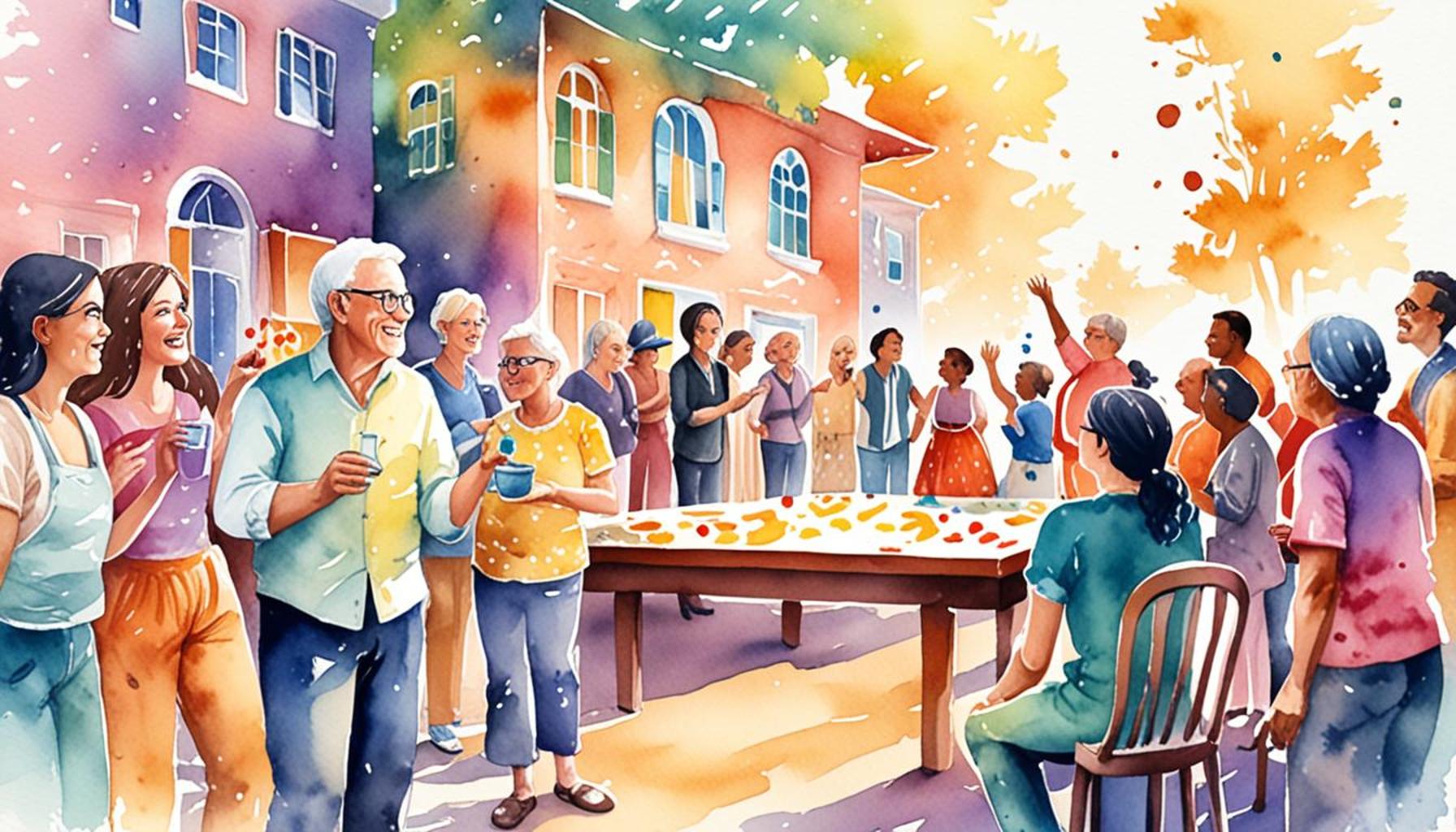
The arts have an inherent ability to bring people together, creating a collective atmosphere of creativity and collaboration. Performing arts, including theater groups and dance troupes, foster a deeper sense of community among participants. By engaging with others in a creative process, individuals not only build social connections but also share diverse perspectives and exchange personal narratives. This communal space becomes a rich breeding ground for self-expression, as participants learn from each other’s stories and experiences, sparking new ideas and creative collaborations.

- Collaboration: Working collaboratively enhances creative expression as ideas intermingle and evolve.
- Diversity of Perspectives: Exposure to differing viewpoints broadens one’s own understanding of self and the world.
- Shared Experience: Engaging in joint artistic endeavors promotes unity and bonding, forming a tapestry of collective expression.
Through community engagement, individuals are encouraged to explore various facets of their personality while contributing to a larger narrative, underscoring the significant social impact of performative arts.
4. Emotional Release
Performing arts provide a unique sanctuary for emotional expression. Whether through acting, dancing, or music, artists channel emotions that may be difficult to articulate through words alone. For many, performing becomes an inherently cathartic experience, offering a means to confront and release pent-up feelings such as anger, joy, and sadness.
Research indicates that those engaged in artistic activities often report lower levels of anxiety and heightened emotional well-being. By embodying different characters or personas, performers explore their emotions within a safe environment, ultimately leading to improved self-awareness and a deeper understanding of their emotional landscape.
3. Skill Development
Participating in the performing arts leads to the acquisition and honing of myriad skills that transcend the art form itself. Technical skills such as acting techniques, choreography, or vocal training enhance one’s confidence and self-efficacy. Additionally, the dedication to developing these skills fosters discipline and determination, qualities that are invaluable not only in artistic arenas but also in personal and professional spheres.
Some key skills developed through arts education include:
- Communication: Engaging in performance art strengthens both verbal and non-verbal communication abilities.
- Confidence: The act of performing before an audience bolsters self-assurance and presence.
- Creativity: Problem-solving and innovating during performances catalyze creative thinking and adaptability.
As individuals refine these skills, they become more adept at expressing themselves, not just within the context of art, but in daily interactions as well.
2. Cultural Reflection
Performative arts often function as a mirror reflecting society’s values, challenges, and aspirations. By actively participating in these forms, individuals gain insights into varied cultural backgrounds and historical contexts, fostering a deep comprehension of identity and belonging. Art serves as a powerful commentary on the human experience, allowing performers to express their perspectives on societal issues.
Engaging in culturally diverse projects exposes individuals to innovative ideas and invites them to explore their own cultural heritage and its influence on their identity. Some examples of cultural reflection through performative arts include:
- Exploration of Heritage: Historical performances offer a journey into discovering personal and collective roots.
- Sociopolitical Commentary: Artistic expression provides a platform to spotlight social injustices and catalyze critical discussions.
- Dance and Movement: Celebrating worldwide cultural traditions through movement fosters appreciation and understanding.
1. Empowerment through Storytelling
At the apex of personal self-expression lies the profound power of storytelling, which is integral to all forms of performing arts. Through stories, individuals communicate their experiences, share truths, and forge connections with audiences. This narrative ability not only promotes empathy and understanding but also reinforces individual agency.
Storytelling through performing arts empowers individuals to:
- Authenticity: Reveal their true selves in ways that resonate deeply with others.
- Agency: Control their own narratives and influence public perception.
- Empathy: Foster shared understanding by resonating universally through personal stories.
The performative arts, by facilitating storytelling, hold unparalleled sway in enabling personal expression and expanding the boundaries of what it means to connect authentically with others in a shared world.
The journey through performing arts as a medium for personal self-expression reveals its multifaceted layers. From community engagement and emotional release to skill development, cultural reflection, and storytelling empowerment, each aspect intertwines to create a rich and immersive tapestry of self-discovery and societal connection. As individuals delve deeper into these artistic realms, they not only uncover new dimensions of themselves but also contribute to the broader narrative of humanity’s creative endeavor.
The realm of performing arts serves as a vital conduit for personal expression, deeply influencing how individuals communicate their thoughts, emotions, and identities. The symbiotic relationship between the arts and self-representation can be seen through various platforms such as theater, dance, and music. Each medium invites unique ways for individuals to explore and convey their narratives, leading to profound personal and communal transformation.Many artists utilize performance as a means to delve into their personal histories, cultural backgrounds, and societal challenges. This form of storytelling not only elevates personal experience but also fosters understanding and empathy among audiences. For instance, artists from marginalized communities often use performance art to speak to their realities, aiming to bridge the gap between their experiences and those of the larger society. This represents a powerful use of the arts to challenge stereotypes and dismantle systemic barriers, urging viewers to reflect critically on their perceptions and responses.Furthermore, performance-based art enables a form of catharsis for both the performer and the audience. Engaging with these artistic expressions often evokes strong emotions, allowing participants to reflect on their feelings and experiences. The act of watching someone else share their story can provoke a sense of connection, prompting individuals to confront their own experiences and emotions in a safe environment. This shared vulnerability can inspire conversations about mental health, identity, and community resilience, showcasing the transformative power of the performing arts.Another significant factor is the collaborative nature of many performing arts practices. Working together with others in theater productions, dance ensembles, or musical groups fosters a sense of belonging and community. As individuals come together, they exchange ideas, celebrate diversity, and cultivate mutual respect, enhancing their overall sense of self-worth and identity. Such collaborative experiences are fundamental to personal growth, as they allow individuals to navigate their relationships with others while exploring their unique voices.Moreover, the performing arts often encourage experimentation and risk-taking. Whether it’s stepping onto a stage for the first time or dancing in front of an audience, these acts push boundaries, inviting individuals to confront their fears and embrace their authentic selves. This willingness to take risks not only builds confidence but also reinforces the idea that self-expression is a journey, one that evolves and flourishes with new experiences.In an era where digital platforms and social media dominate, performing arts have adapted to new avenues, ensuring that personal narratives and expressions continue to reach larger audiences. Online performances and digital art forms provide creators with unprecedented accessibility, allowing for greater visibility of diverse perspectives. This evolution not only amplifies the voices of individual artists but also serves as a reminder of the dynamic nature of personal expression through the arts, continually shaping our shared cultural landscape. Overall, the influence of the performing arts on personal expression is multifaceted and profound, encouraging individuals to explore their identities, engage with their communities, and embrace the beauty of vulnerability in a world that often demands conformity. The continuous dialogue fostered through these artistic expressions paves the way for deeper understanding, greater acceptance, and a collective celebration of the human experience.
Frequently Asked Questions about the Influence of Performing Arts on Personal Self-Expression
What role do performing arts play in personal self-expression?
Performing arts, encompassing mediums such as theatre, dance, and music, serve as powerful platforms for self-expression. They provide individuals with the opportunity to convey emotions, thoughts, and ideas in ways that often transcend verbal communication. Through performing arts, people can explore and express their identities, embracing complexities and contradictions. Furthermore, these artistic forms allow for creative freedom that encourages personal growth and emotional healing.
How can participating in performing arts impact an individual’s mental health?
Engagement in performing arts has been linked to numerous mental health benefits. Participation can enable an individual to process emotions, reduce stress, and increase self-awareness. Studies have shown that involvement in such activities can lead to heightened levels of self-esteem and confidence through the accomplishment of mastering skills and performing in front of audiences. Additionally, the communal aspect of group performances often fosters a sense of belonging and reduces feelings of isolation.
Are performing arts accessible to everyone?
While access to performing arts can vary based on geographic location, socio-economic status, and available resources, many communities are striving to make these opportunities more inclusive. Public programs, community theaters, and educational initiatives often provide platforms that aim to make performing arts reachable and inclusive for all. However, disparities still exist, and the challenge remains to ensure greater accessibility and representation across all sectors of society.
Can individuals with no formal training benefit from engaging in performing arts?
Absolutely. While formal training can enhance skills, anyone can benefit from participating in performing arts, regardless of their level of expertise. The key lies in the process rather than the product. Engaging in activities like improvisational theatre or community dance allows individuals to explore their creativity and emotions organically. This engagement promotes personal discovery and emotional expression in a supportive environment, highlighting that performing arts are for everyone.
Conclusion: The Impact of Performing Arts on Personal Self-Expression
The exploration of performing arts as a vehicle for personal self-expression unveils a realm where creativity and individuality converge in transformative ways. Throughout this article, we have delved into how these artistic expressions—whether through dance, theater, music, or other forms—empower individuals to voice their unique identities. Through the lens of various studies and personal anecdotes, it is evident that performing arts serve as a platform for emotional release and a catalyst for personal growth.
The performing arts provide individuals with the tools to articulate feelings and experiences that might otherwise remain unspoken. This journey of self-discovery is not just for the artist but also engages audiences in shared human experiences, fostering deeper connections and understanding. The article highlighted several key aspects:
- Diverse medium for expression: From movement to melody, performing arts cover an extensive array of methods allowing for unique self-expression.
- Emotional and psychological benefits: Engaging in the arts can significantly enhance mental wellness, offering an outlet for stress and anxiety.
- Cultural significance: Performing arts are often deeply interwoven with cultural traditions, playing a critical role in preserving and communicating cultural heritage.
- Community building: Participation in these arts creates inclusive communities that benefit from shared experiences and collective creativity.
- Educational impacts: Arts education supports cognitive development and promotes problem-solving skills and innovation.
As we reflect on the profound impact of performing arts on personal self-expression, it becomes clear that these creative hobbies are not merely pastimes, but essential components of our personal and collective development. Engaging with the performing arts invites continuous learning and adaptation, challenging individuals to pursue new heights of understanding and introspection. In this ever-evolving dialogue between artist and audience, the arts remain a timeless avenue for personal and societal enrichment, urging readers to explore these profound avenues of expression further.