How Positive Reinforcement Can Transform Your Pet’s Behavior
Understanding the Power of Positive Reinforcement
Navigating the diverse landscape of your pet’s behavior can feel overwhelming. Among the myriad of strategies available, positive reinforcement has emerged as a transformative approach favored by pet owners and trainers alike. This technique—rewarding favorable actions to encourage their repetition—offers numerous benefits that can enrich both your life and your pet’s experience.
Benefits of Positive Reinforcement
The effectiveness of positive reinforcement is evident in several key areas:
- Improved obedience: Simple commands such as sit, stay, and come become second nature to your pet when they are consistently rewarded for following them. For example, if you give your dog a treat each time they successfully sit on command, they will associate the action with a positive experience, ensuring they are more likely to do it again.
- Enhanced bond: Training through positive reinforcement fosters a deeper connection between you and your pet. This relationship flourishes based on trust and mutual respect, which is critical in building a happy and cooperative partnership. The more your pet feels rewarded for participating, the more they will engage with you in other aspects of their life.
- Reduced anxiety: Positive reinforcement not only facilitates learning but also mitigates stress during training sessions and new social interactions. For instance, a timid dog may feel overwhelmed in a busy park, but rewarding them for calm behavior can enhance their comfort level over time.
The Science Behind Positive Reinforcement
Research has consistently demonstrated that animals trained via positive methods outperform those subjected to punishment-based tactics. For example, a recent study indicated that dogs trained with rewards exhibit a heightened eagerness to learn and are quicker to pick up new commands compared to their punishment-trained counterparts. Cats, often perceived as more independent, also thrive under a rewards-based system: simply offering treats when they use the litter box encourages better habits. Even birds, known for their intelligence, can master tricks more effectively when their efforts are met with praise or treats.
Implementing Positive Reinforcement
Incorporating positive reinforcement into your daily routine is simpler than one might think. Start by identifying behaviors you’d like to encourage, such as coming when called or sitting quietly while you cook. Use engaging rewards that are meaningful to your pet—whether it’s their favorite treat, a cheerful voice, or even extra playtime. Gradually increase the challenges as your pet becomes more proficient, ensuring to continuously reward progress.
This method not only facilitates effective training but also creates a joyful environment for both you and your pet to thrive in. By embracing positive reinforcement, you’re setting the stage for a harmonious life together, filled with learning and affection. If you’re intrigued to dive deeper into this method, countless resources, workshops, and trainers focus on these techniques, ready to assist you in this rewarding journey.
Mastering the Art of Positive Reinforcement
As you embark on the journey of training your pet, understanding the principles of positive reinforcement can greatly enhance your effectiveness as a caregiver and trainer. Instead of focusing solely on correcting undesirable behaviors, this method emphasizes encouraging appropriate actions through a reward-based system. For many pet owners, this innovative approach shifts the paradigm of training from a chore to an enjoyable experience for both parties involved.
Choosing the Right Rewards
One crucial aspect of positive reinforcement is selecting the right rewards that resonate with your pet. The effectiveness of this technique greatly depends on what motivates your furry friend. Here are some common types of rewards that you can consider:
- Treats: High-value treats can be a game-changer, especially for dogs. Look for something that they absolutely adore, as it will make them more inclined to respond to your commands. Examples include small pieces of chicken, cheese, or commercially available dog treats.
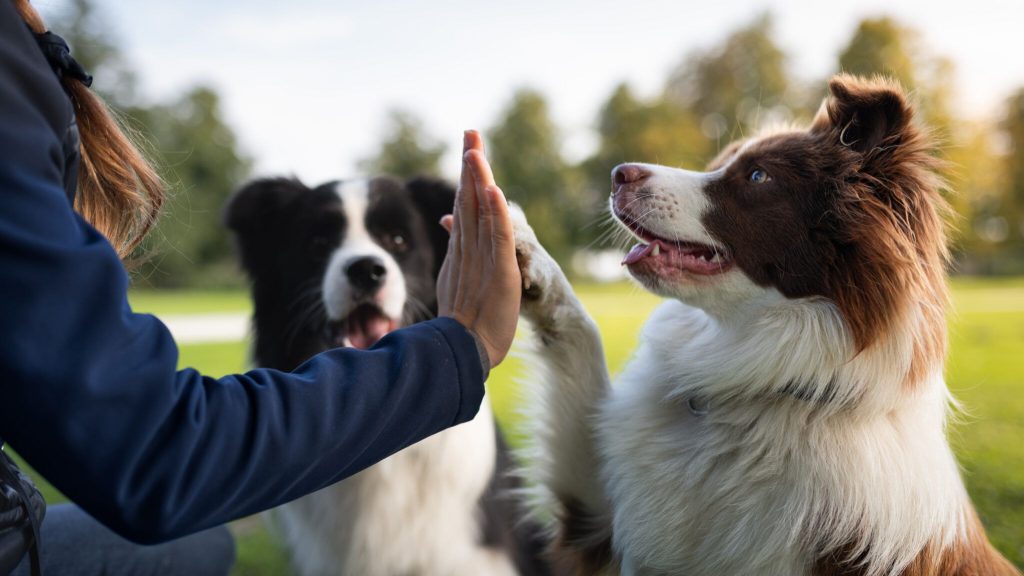
- Praise: Many pets, particularly dogs and cats, respond enthusiastically to vocal praise or affection. Positive words and a cheerful tone can encourage them to repeat the desired behavior.
- <strong_Playtime: Reward your pet with extra play or a thrilling game of fetch after they successfully complete a task. This reinforces the idea that good behavior leads to enjoyable activities.
Finding the ideal reward may require some experimentation. Observe your pet closely and notice what they respond to with the most enthusiasm. Once you’ve pinpointed effective incentives, incorporating them into your training sessions will yield tremendous results.
Setting Clear Goals for Training
In order to see the transformative benefits of positive reinforcement, establishing clear training goals is essential. Focus on specific behaviors you wish to encourage rather than broad objectives. Consider the following when setting your goals:
- Start small: Begin with basic commands like “sit” or “lay down” before moving on to more complex tasks. This helps build your pet’s confidence.
- Be consistent: Consistency is key when reinforcing positive behavior. Use the same command and reward each time to eliminate confusion.
- Track progress: Observe your pet’s development over time. This not only keeps you motivated but also helps you refine your training techniques based on their performance.
As you establish your training routine, remember that patience is vital. Pets may take time to learn and adapt to new behaviors. Celebrate each incremental step forward with enthusiasm, as these small victories pave the way for larger successes in the future.
Ultimately, positive reinforcement creates a nurturing environment that encourages your pet to thrive. It transforms the training process into an interactive and enjoyable experience, enhancing the bond between pet and owner, while simultaneously fostering good behavior. By employing these strategies, you can set the stage for a rewarding and harmonious partnership that will stand the test of time.
| Category | Benefits |
|---|---|
| Enhanced Learning | Positive reinforcement encourages faster learning by associating desired behaviors with rewards, making training sessions more effective. |
| Strengthened Bond | Utilizing a reward-based approach fosters trust and deepens the relationship between pet and owner, creating a harmonious environment. |
Integrating positive reinforcement into your pet’s training routine opens up pathways to not only effective behavioral changes but also a more enjoyable experience for both you and your furry companion. For instance, training sessions filled with praise, treats, or playtime encourage your pet to repeat good behaviors without the fear or anxiety associated with punishment. This leads to a more relaxed atmosphere during training, which in turn enhances focus and motivation.Studies have shown that pets trained using positive reinforcement retain their learned behaviors longer than those subjected to punitive methods. This longevity of learning means you can spend less time constantly correcting unwanted behaviors and more time enjoying the companionship your pet provides. Furthermore, you may notice your pet becoming more eager to engage in training as they associate it with fun and rewards.Positive reinforcement not only transforms behavior but enriches the dog-owner relationship. With continued practice, you will find that small, incremental changes lead to profound improvements in your pet’s overall behavior, paving the way to a more fulfilling partnership. This method works hand-in-hand with understanding your pet’s needs, ensuring that every reward aligns with their preferences, thus enhancing effectiveness.
Understanding Timing and Consistency
Effective positive reinforcement hinges on two fundamental principles: timing and consistency. The key to mastering these elements lies in your ability to deliver rewards promptly after a behavior is demonstrated. This immediate feedback reinforces the connection between the action and the reward, making it more likely that your pet will repeat the behavior in the future.
The Importance of Timing
Timing can make or break your training efforts. If you wait too long after your pet performs the desired behavior, they may not associate the reward with their action. For instance, if you’re teaching your dog to sit, giving them a treat several minutes later may confuse them about which action earned the reward. Aim to provide a reward within two to three seconds of the behavior to ensure clarity. Using a clicker can also enhance the timing process, offering a clear auditory cue that marks the right moment.
Maintaining Consistency
Consistency in your training sessions helps eliminate confusion for your pet and reinforces their learning. This includes using the same verbal commands, gestures, and rewards across different training sessions. For example, if you teach your dog to “stay,” always use the same tone and phrasing every time you call out the command. Mixed messages can lead to frustration for both you and your pet, hindering the effectiveness of positive reinforcement.
Gradually Shaping Behavior
Shaping behavior is another concept inherent in positive reinforcement training. It involves breaking down complex tasks into smaller, more manageable steps. By rewarding your pet for each small milestone, you can gradually guide them towards the final behavior you wish to establish. This technique is especially useful when you are teaching a trick or a behavior that your pet might find overwhelming.
Using Successive Approximations
Successful training often utilizes the method of successive approximations. Start by rewarding your pet for any action that remotely resembles the desired behavior. For example, if you’re teaching your cat to jump through a hoop, initially reward them for just approaching the hoop. Gradually, reward them as they get closer, and then only when they actually jump. Over time, your pet will understand the targeted behavior through a series of achievable goals.
Incorporating Variety
While consistency is pivotal, incorporating variety in your rewards can keep your pet engaged and motivated. Pets can become bored with the same treats or praise over time, which may lead to a decrease in their enthusiasm for training. Mix up your rewards by adding different types of treats, toys, or even new activities that align with their interests. This not only reinforces the behavior but also adds an element of excitement and unpredictability to each training session.
Addressing Challenges with Positive Reinforcement
Despite its many benefits, some pet owners may encounter challenges while implementing positive reinforcement. First, it’s important to recognize that not all pets respond in the same manner. Factors such as age, personality, and previous training experiences can greatly influence how well your pet adapts to this method. Monitoring their reactions and being flexible with your approach is vital for success.
Furthermore, while positive reinforcement can effectively address many behaviors, there may be circumstances where professional assistance is necessary. If your pet exhibits persistent behavioral issues or aggression, seeking guidance from a certified animal behaviorist can offer tailored strategies that align with the principles of positive reinforcement while ensuring the safety of all involved.
By understanding the nuances of timing, consistency, shaping behavior, and overcoming challenges, you can harness the power of positive reinforcement to cultivate a well-behaved, happy pet who thrives in a loving environment.
Conclusion: A Transformative Approach to Pet Training
In conclusion, positive reinforcement stands out as a transformative approach in pet training, offering a path towards improved behavior and a stronger bond between you and your furry companion. By implementing the principles of timing, consistency, and shaping behavior, you create a supportive learning environment that encourages your pet to thrive. This not only enhances the training process but also fosters a sense of trust and understanding, which is fundamental in nurturing a harmonious relationship.
Moreover, the use of successive approximations allows you to guide your pet through a series of smaller, achievable goals, making the learning experience less intimidating and more rewarding. By incorporating variety into your rewards, you keep training sessions engaging and fun, ensuring that motivation remains high. Remember, every pet is unique, and adapting your techniques to suit their individual needs will ultimately lead to more effective outcomes.
While challenges may arise along the way, it’s crucial to approach them with patience and flexibility. Don’t hesitate to seek professional help if necessary, as certified trainers can offer expert guidance tailored to your pet’s specific behavioral concerns. Embracing the principles of positive reinforcement not only paves the way for improved behavior but also enriches the life of your pet, allowing them to flourish within a loving and positive environment. By investing your time and effort into this method, you are choosing to enhance your pet’s life while enriching your own through shared experiences and unconditional love.