
How the Home Environment Affects the Behavioral Training of Dogs and Cats
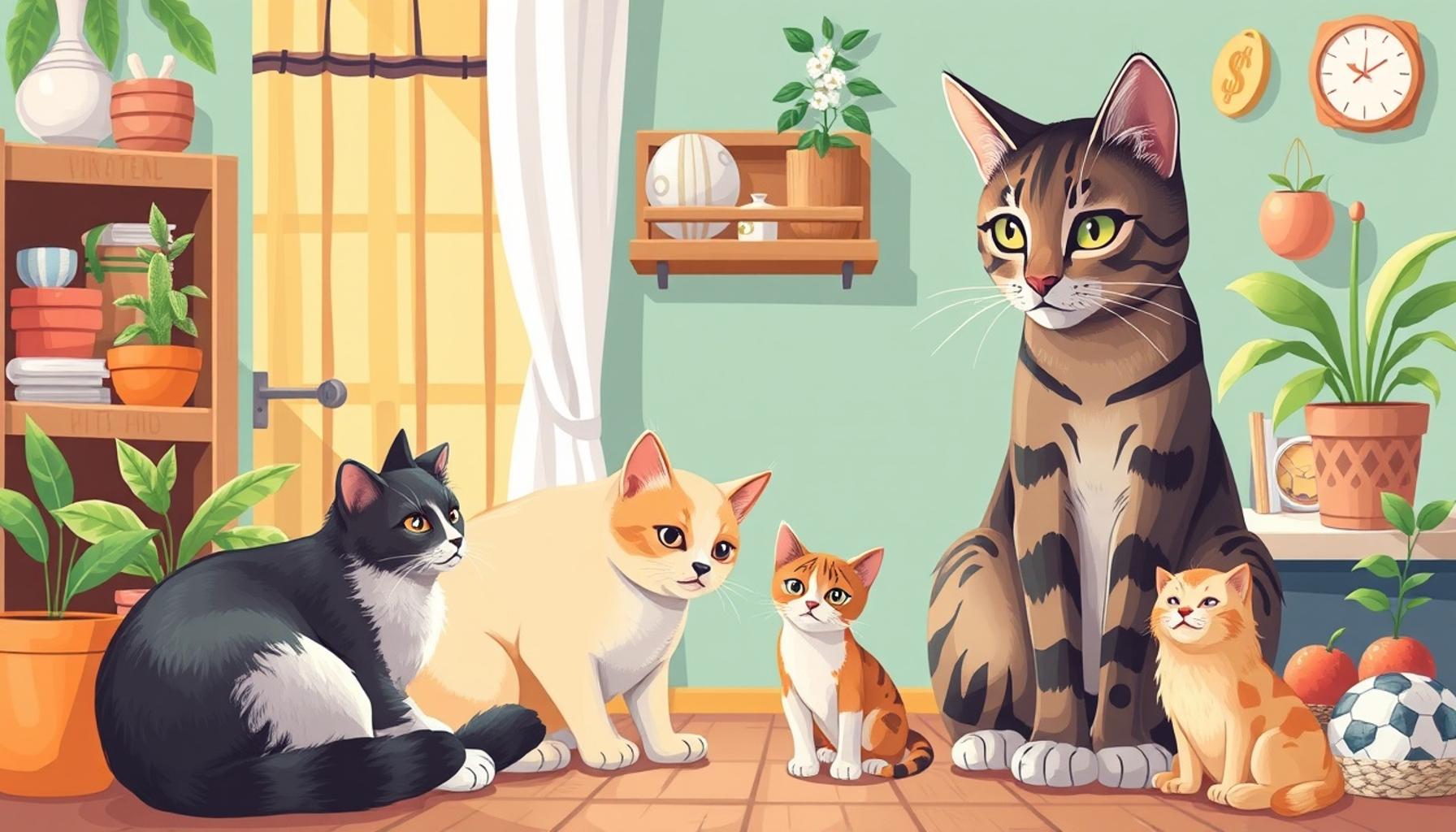
The home environment plays a crucial role in the behavioral training of our beloved pets. Understanding this impact can help pet owners create a nurturing atmosphere that promotes desirable behaviors in dogs and cats alike. Factors such as space, furniture arrangement, and daily routines significantly affect how pets perceive their surroundings.
Key Aspects of the Home Environment
When considering the effects of your home on animal behavior, focus on these essential elements:
- Accessibility of different areas: Dogs and cats thrive in spaces where they feel safe and can easily navigate. For example, a designated area with a comfy bed and toys can provide a sense of security for a dog, making it easier for them to settle down and learn commands. On the other hand, an open layout that allows them to roam freely can encourage exploration and reduce anxiety.
- Noise levels: Excessive noise can cause anxiety and disrupt training efforts. Loud sounds, such as traffic, construction, or even loud music, can overwhelm pets, making it difficult for them to concentrate during training sessions. It can be beneficial to create a quiet zone for your pets, especially during critical training times. Furthermore, using calming techniques such as soft music or white noise can help alleviate stress during potentially loud circumstances.
- Interaction with family members: Positive engagement helps reinforce good behaviors. Genuine interactions—like playing fetch with your dog or engaging in interactive play with your cat—foster a bond of trust and cooperation. Moreover, it is essential for family members to be aligned in their approach to training, using consistent commands and reinforcement to avoid confusing their pets.
- Routine activities: Consistent schedules encourage pets to adapt and learn effectively. Establishing a clear daily routine for feeding, walks, and playtime can do wonders. Dogs, in particular, benefit from regular exercise and socialization routines, while cats thrive with scheduled feeding times and play sessions that mimic their natural hunting instincts.
By recognizing the ways an animal’s surroundings can mold their behavior, owners can tailor their training methods accordingly. Factors from your home—like decor and companionship—affect how pets respond to training commands. For instance, if a dog is distracted by a bright, moving object, it will be more challenging to teach basic commands. Therefore, minimizing distractions during training sessions is crucial for effective learning.
This article delves into the intricate relationship between home dynamics and the behavioral training of dogs and cats, providing insights that will ensure you build a more harmonious life with your furry friends. As you work to create an environment that positively influences your pet’s behavior, consider conducting a small assessment of your household dynamics. Ask yourself how noise levels, family interactions, and space utilization might be affecting your pet’s ability to learn and adapt. With this knowledge, you can cultivate a supportive atmosphere that not only encourages good behavior but also enriches the bond between you and your furry companions. Ultimately, a well-thought-out home environment can lead to more successful training outcomes and a more fulfilling life for both you and your pets.
Understanding Environmental Influences on Pet Behavior
The interactions between animals and their surroundings are pivotal to the behavioral training of dogs and cats. A well-organized, pet-friendly home environment can significantly enhance the training process, boosting not just learning but also the emotional well-being of your furry companions. By examining several influential factors, pet owners can better grasp how to create an optimal living space that fosters productive training sessions.
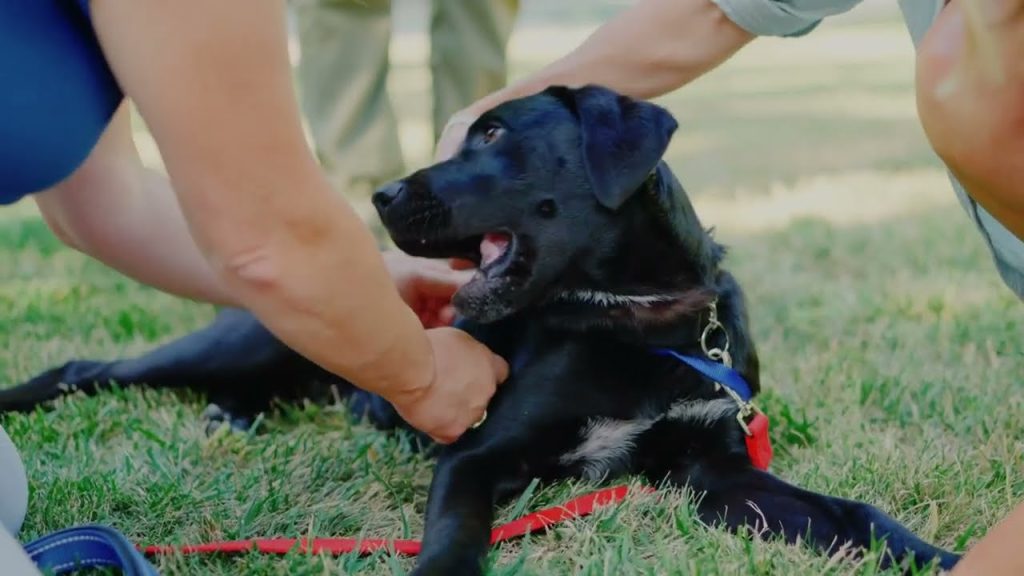
Familiarity with Space is a key factor in making pets feel comfortable and secure. When dogs and cats inhabit an area where they recognize their belongings—such as toys, beds, and familiar scents—they are more likely to display confident behavior. Dogs, in particular, tend to view their environment as an extension of their pack. A structured environment devoid of chaos allows dogs to focus on their training without resorting to stressful behaviors, including excessive barking or destructive chewing. For cats, the presence of cozy hiding spots or elevated spaces can satisfy their instinctual desire for territory, allowing them to observe their surroundings—a behavior crucial to their confidence and learning.
Impact of Distractions cannot be underestimated. Many pet owners may not realize that a cluttered or overly stimulating environment could derail training efforts. Items like unguarded food, bright toys, or moving objects can divert attention away from training exercises. Thus, organizing the home space to minimize distractions is fundamental when teaching commands. A pet’s ability to focus can be easily compromised in a busy household, leading to frustration for both the animal and the trainer. Simple changes, like dedicating a particular room for training sessions or using barriers to create a confined space, can vastly improve a pet’s concentration.
Daily Interactions with family members also play a crucial role in shaping a pet’s behavior. Engaging with dogs and cats through playtime, training, and affection fosters a sense of trust and understanding. Regular involvement with family can provide much-needed social interaction, reinforcing positive behaviors and enhancing overall obedience. Conversely, inconsistent participation from family members can lead to confusion among pets, undermining the training progress. Consistent use of commands, coupled with positive reinforcement, is essential for effective communication, allowing pets to navigate their learning journey successfully.
Environmental Enrichment offers additional support for behavioral training. Incorporating elements like puzzle toys, climbing structures, or interactive play zones can stimulate your pet’s mind and keep them engaged. A well-rounded approach to training recognizes that learning is not merely about obedience but also about fulfilling the animal’s physical and mental needs. Regularly changing the types of toys and activities available can help prevent boredom and encourage inquisitive behavior, which is fundamental for learning.
By focusing on these foundational aspects, pet owners can harness the power of the home environment to enrich their pets’ learning experiences. A well-structured home can serve as a sanctuary where dogs and cats not only learn but also thrive. Understanding how to leverage space, interaction, and enrichment will lead to more successful training outcomes, shaping well-behaved and happy pets.
| Beneficial Environment Factors | Impact on Training |
|---|---|
| Available Space | A larger area allows for more interactive training sessions where pets can explore and respond to commands under various stimuli. |
| Calm Living Environment | Minimizing distractions enhances focus during training, which can lead to quicker and more effective learning outcomes. |
| Consistent Routines | Regular schedules help pets develop predictability in training, making them more receptive to learning commands and behavioral cues. |
Understanding how the home environment influences the behavioral training of dogs and cats is critical for every pet owner. For instance, pets thrive in spaces where they feel comfortable and secure; this sense of safety encourages them to engage positively with their training sessions. The presence of familiar scents and items also fosters confidence, motivating pets to explore new behaviors and commands. Another vital element is the emotional atmosphere; pets react to their owner’s demeanor. Positive reinforcement can yield better results when the owner remains calm and patient during training. Thus, incorporating a few behavioral science principles into your home can significantly enhance your journey toward effective training.
Utilizing Space and Resources for Effective Training
The layout and resources within the home can directly influence the effectiveness of behavioral training for dogs and cats. By understanding how spatial organization and resource availability affect pet learning, owners can strategically set up their homes to create a supportive environment that enhances training outcomes.
Designated Training Areas are essential for optimizing focus and success during training sessions. Establishing a specific spot within the home, free from distractions, can help pets associate that area with learning and discipline. This designated zone should be equipped with training tools such as clickers, treats, or toys. Additionally, using a consistent command or cue before entering this space can signal to your pet that it is time for serious engagement. Studies have shown that dogs, in particular, respond well to the creation of a ‘training zone’, as it instills a sense of routine and expectation. Likewise, cats benefit from quiet areas where they can practice skills without the hustle and bustle of daily life interfering.
Understanding the Importance of Routine cannot be overstated. Pets thrive on predictability, and establishing a consistent training schedule can yield improved behavioral responses. Regular training intervals throughout the day reinforce learning, allowing pets to anticipate training time and remain focused. Research indicates that a regular schedule not only improves obedience but also enhances the bond between pet and owner, fostering a sense of security in the animal. In the United States, many pet trainers advocate incorporating training sessions into daily routines, such as before meals or during morning walks, making learning a natural part of everyday life.
Positive Reinforcement Techniques are also deeply influenced by the home environment. Pet owners should ensure easy access to rewards such as treats or toys, which can facilitate prompt reinforcement of good behavior. Keeping rewards visible and readily available allows for immediate praise, successfully linking desired behavior with a positive outcome. Moreover, maintaining a balance in rewards—using a variety of treats or toys, for instance—helps maintain the pet’s interest and enthusiasm during training sessions. This is particularly effective for training both dogs and cats, as positive reinforcement has been shown to yield longer-lasting behavioral changes.
Socialization Opportunities present in the home can dramatically shape behavior. Having guests, or other pets visit not only enriches an animal’s experiences but also aids in teaching social norms and proper interactions. Controlled introductions and supervision during these interactions contribute to a pet’s capacity to learn from real-life situations. For instance, exposing dogs to different styles of handling and behavior through friends and family can diminish anxiety and encourage friendly behavior, ultimately enhancing both training and social skills. Similarly, cats can learn to adapt to diverse interactions from understanding how to navigate their space with other animals or humans.
In summary, the resources and organization of a home intrinsically affect the behavioral training of dogs and cats. By creating designated areas for training, adhering to routines, utilizing positive reinforcement effectively, and providing socialization opportunities, pet owners can greatly enhance their furry friends’ ability to learn. Tailoring these strategies to fit the unique lifestyle and household environment will ultimately lead to happier and better-behaved pets.
Conclusion: Crafting the Ideal Home for Your Pets’ Training Success
In concluding our exploration of how the home environment affects the behavioral training of dogs and cats, it becomes evident that a thoughtfully arranged living space can significantly enhance the learning experience for our furry companions. By creating designated training areas, establishing predictable routines, and leveraging positive reinforcement strategies, pet owners can cultivate an environment conducive to effective training. Each of these elements not only supports learning but also nurtures the bond between pet and owner—a relationship rooted in mutual understanding and respect.
Furthermore, the importance of socialization opportunities within the home cannot be overstated. Interactions with family members, guests, and even other pets provide a wealth of experiences that can shape behavior in meaningful ways. By facilitating these social engagements, pet owners prepare their animals for a variety of circumstances, reducing anxiety and fostering confidence in their ability to navigate the world around them.
As you consider these insights, reflect on your unique living environment and how it can be optimized for successful training outcomes. Whether you’re a first-time pet owner or an experienced handler, understanding the nuances of your home can unlock the potential for greater harmony and responsive behavior in your dogs and cats. Embrace the journey of training as a shared adventure that not only improves obedience but also enriches the lives of both you and your beloved pets.