How to Create a Safe and Stimulating Environment for Pets
Creating a Safe Haven for Your Pets
Ensuring that our furry friends are not only safe but also engaged is crucial for their overall well-being. A well-designed environment can drastically improve their happiness and health. It’s essential to think beyond just physical safety; the emotional and psychological needs of pets are equally important.
When looking to create an ideal living space for your pets, the first consideration should always be Safety First. This includes a thorough assessment of your home for any hazardous items or substances that pets might potentially ingest. Things like toxic plants, chemicals under the sink, and exposed electrical cords can pose significant risks. For example, for pet owners in the United States, common household items such as chocolate, onions, or grapes are toxic to dogs and cats alike. Cleaning products, while essential for hygiene, should also be stored securely in cabinets that pets cannot access.
Another important aspect is establishing Comfort Zones within your home. Providing cozy spaces where pets can retreat when they need rest or comfort can significantly enhance their sense of security. Consider investing in high-quality pet beds that are Orthopedic to ensure they support joint health, especially for older animals. Designate specific areas for your pets that are free from disturbances and allow them to relax undisturbed, creating a true sanctuary.
A critical component in enhancing pet happiness is incorporating Engaging Activities. Pets thrive on stimulation, both mental and physical. Including interactive toys such as puzzle feeders that dispense treats can challenge your pets mentally. Dogs, for instance, thrive on activities that engage them physically like fetch, tug-of-war, or agility courses, while cats may take pleasure in climbing structures or laser pointer games that tap into their natural hunting instincts. Rotating toys regularly keeps their interest piqued, preventing boredom and destructive behaviors.
Creating a stimulating environment is all about understanding your pet’s unique needs. This understanding helps you to tailor their environment. ConsiderInteractive Toys that not only entertain but also provide challenges that stimulate your pet’s instincts, such as toys that mimic prey movement for cats or balls that require problem-solving skills for dogs.
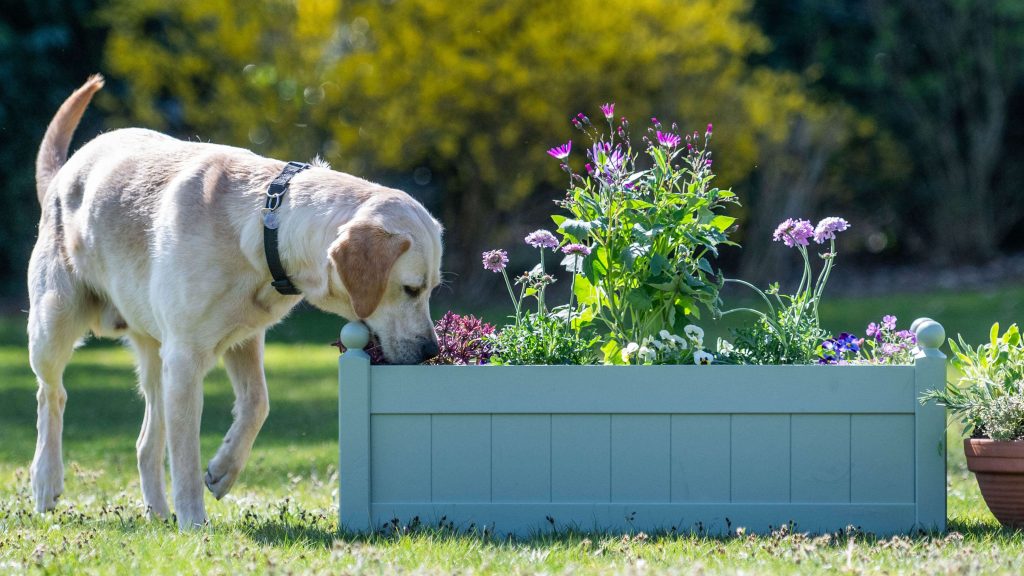
Moreover, erecting Safe Spaces where pets can play or relax without worry is key. Designing areas that are free from potential dangers—like loose electrical cords or small choking hazards—ensures safety. An easily accessible water bowl is another important element to include in these spaces, as hydration is essential for all pets.
Additionally, the concept of Socialization cannot be overlooked. Pets, like humans, benefit from social interactions. Facilitate safe interactions with other pets or trustworthy individuals to nurture their social skills. Dog parks can be safe spaces for dogs to interact with others. Similarly, for cats that enjoy the company of other felines, a well-monitored playdate can keep them socially engaged.
Taking a holistic approach to your pet’s environment not only enhances their quality of life but also fosters a stronger bond between you and your companion. Pets are more than just animals; they are family members deserving of a nurturing environment that reflects their needs. As you embark on this journey of creating a safe haven for your pets, remember that frequent assessments of their living space are important to ensure ongoing safety and stimulation, adapting as their needs change.
Understanding Your Pet’s Needs
Creating an environment that prioritizes the needs of your pets involves a deep understanding of their behavior, instincts, and preferences. Each pet is unique, and tailoring their surroundings can significantly affect their happiness and health. An effective way to start this process is by observing your pet’s natural tendencies and habits, which can provide valuable insights into how to enhance their environment.
For example, dogs are pack animals that often thrive on companionship. If you have a dog, consider dedicating time to play interactive games with them or enrolling them in training classes that encourage socialization. Engaging in activities that mimic their ancestral behaviors, such as fetch or scent work, can satisfy their natural instincts while also helping to strengthen the bond between you and your furry friend.
On the other hand, cats tend to be more solitary creatures, but they also require stimulation for both mental and physical health. Providing vertical space, such as cat trees or shelves, can satiate their climbing instincts and offer perfect vantage points for observing their surroundings. Additionally, interactive play with toys that mimic the movements of small animals can keep them engaged for hours.
Creating Safe Zones in Your Home
To ensure that pets feel secure and comfortable, establishing safe zones is paramount. These are areas in your home where pets can retreat when they feel stressed or overwhelmed. For dogs, having a designated space with a comfortable bed and their favorite toys can provide a sense of security, especially during thunderstorms or fireworks. For cats, a cozy nook with an enclosed bed can serve as their sanctuary.
Here are some tips to create effective safe zones:
- Enclosed Spaces: Use pet gates or baby gates to create a quiet, enclosed area away from household activity.
- Personalized Bedding: Invest in pet beds that match their sleeping habits—some prefer nesting while others may enjoy sprawled out comfortably.
- Identify Rest Areas: Keep these spaces free from disturbances, placing your pet’s favorite blankets or toys nearby.
Additionally, it’s essential to minimize potential hazards in these safe zones. Ensure that any breaks, such as a pet door or crate, lead to a secure area to prevent escapes. Regularly check for loose items that could cause injury, keeping both small toys and cords well out of reach. Once safe havens are established, your pets can better manage their environment and feel less stressed.
Overall, a well-thought-out living space for pets can profoundly impact their emotional and physical well-being. By understanding their specific needs and creating designated safe zones, you are taking crucial steps toward cultivating a secure and stimulating habitat for your beloved companions.
Creating a safe and stimulating environment for your pets goes beyond just basic care; it entails understanding their physical, psychological, and emotional needs. Implementing dedicated spaces and enriching activities ensures that your pets feel secure and engaged in their surroundings.
Understanding Your Pet’s Needs
Each pet species has unique requirements. For instance, dogs often thrive when they are given plenty of exercise and mental challenges, while cats may require vertical spaces and hiding spots for their natural instincts. It’s essential to assess these needs and adapt your home accordingly, incorporating both safety features and engaging elements.
Safety First
Safety is a priority when creating environments for pets. Secure windows, hide hazardous chemicals, and ensure that toxic plants are out of reach. Additionally, consider using pet gates or barriers to limit access to unsafe areas of your home. A safe environment reduces the risks of injuries and accidents.
Engaging Environments
A stimulating environment can alleviate boredom and associated behavioral issues. Interactive toys, puzzle feeders, and climbing structures can encourage play and exploration. For active pets, providing open spaces for running or visiting dog parks can enhance their wellbeing. Cats, on the other hand, enjoy window perches that allow them to watch the world outside, satisfying their curiosity.
| Category | Advantages |
|---|---|
| Safety Measures | Prevents injuries and keeps pets secure. |
| Enrichment Activities | Stimulates mental health and reduces boredom. |
In addition to integrating safety measures and stimulating activities, it’s also crucial to make your home a social space for pets. Engaging with your pets regularly by playing, training, or simply spending quality time together fosters a deeper bond. This interaction not only elevates their happiness but also promotes a sense of security, as they feel valued and loved in their environment. By taking these steps, you’re not just keeping your pets safe; you’re allowing them to thrive in a well-adapted habitat that nurtures their natural behaviors.
Incorporating Engaging Activities
To enhance your pet’s environment, it is crucial to incorporate engaging activities that cater to their natural instincts and promote mental stimulation. Pets, much like humans, require variety in their daily routines to keep boredom at bay and prevent behavioral issues. Activities that stimulate their minds and bodies are essential for fostering a happy and healthy pet.
Interactive toys are a popular option for both dogs and cats. These toys are specifically designed to challenge your pet, encouraging them to think and problem-solve to access treats or rewards. Puzzle toys come in various complexities and can engage your pet for extended periods, making them ideal for when you’re busy or away from home. They can help improve cognitive skills and reduce anxiety, especially in dogs prone to separation issues.
Furthermore, incorporating playtime into your pet’s routine is vital. For dogs, this could mean regular trips to a local dog park, where they can explore new sights and smells, and socialize with other dogs. When considering exercise, hybrid activities like agility training can combine physical exercise with mental challenges, keeping your pup active while honing their obedience skills. Training sessions infused with fun, such as teaching new tricks or engaging in dog sports like flyball or lure coursing, offer optimal stimulation.
Cats can also benefit greatly from playtime. Utilizing feather wands, laser pointers, or toys that mimic the movement of prey can satisfy their hunting instincts while providing crucial exercise. Additionally, engaging in interactive play can reduce stress and anxiety, ensuring that your cat remains in good spirits. Establishing a routine with a mix of self-directed and interactive play can nurture their natural behaviors and lead to a fulfilling life.
Creating an Enriching Environment
Beyond safe zones and engaging activities, an enriching environment significantly contributes to a pet’s overall well-being. This concept revolves around providing diverse experiences and stimuli that cater to their senses, promoting both mental and physical health.
Start by exploring the layout of your home. If you have a dog, consider creating an outdoor space that is secure and stimulating. Installing features like ramps and tunnels can encourage exploration, while ensuring that your yard is fenced properly will keep your pet safe during outdoor adventures. Also, consider introducing various textures, scents, and sounds. For instance, planting pet-friendly herbs such as catnip or basil can provide fascinating scents for both dogs and cats, while engaging their senses.
Similarly, for cats, integrating vertical spaces is a game-changer. Cat trees, shelves, and window perches not only add to your home’s aesthetics but also offer cats thrilling vantage points to observe their surroundings—a behavior rooted in their natural instincts as hunters. Creating opportunities for climbing and engaging with their environment hones their physical agility and promotes exercise.
A good practice to consider is rotating toys and changing up your pet’s environment regularly. This acts like a “new” experience for them, igniting curiosity and exploration. You can incorporate DIY projects such as creating a sensory box filled with different materials like crinkly paper, fabric scraps, or safe-to-bite items that can intrigue your pets and stimulate their senses.
Overall, a combination of engaging activities and an enriching environment will help elevate your pet’s day-to-day life, ensuring they have a safe, fulfilling, and inspiring space to thrive. By actively seeking to understand and cater to their instincts, you’ll build a more harmonious and vibrant home for your beloved pets.
Conclusion: Ensuring Safety and Stimulation for Our Furry Friends
Creating a safe and stimulating environment for pets is essential for their overall health and happiness. By implementing various strategies, such as providing secure spaces, engaging activities, and sensory-rich experiences, pet owners can enrich their companions’ lives while also ensuring their safety. The connection between a pet’s environment and their well-being cannot be overstated; an environment that attends to the innate instincts of pets fosters feelings of contentment, minimizes anxiety, and enhances behavioral health.
Moreover, it is crucial to recognize that each pet is unique, with specific needs and preferences. Tailoring your approach to consider their breed, age, and personality will yield the best results. Embracing a routine that incorporates interactive toys, regular playtime, and opportunities for exploration is vital. Not to forget, enriching their environment by rotating toys and creating dynamic indoor and outdoor spaces can stimulate curiosity and mental engagement.
As pet guardians, our goal should be to cultivate an enriching atmosphere where pets can thrive physically and mentally. By making a concerted effort to keep our furry friends engaged and safe, we are not only enhancing their quality of life but also forming deeper bonds that encourage mutual understanding and affection. Ultimately, investing time and resources into your pet’s environment leads to a more harmonious home and fulfilled companions, setting the stage for countless joyful moments together.