
How to Teach Basic Commands to Dogs: Steps and Tips for Effective Training

Unlocking the World of Canine Communication
Every dog owner dreams of having a well-behaved pet. Teaching your pup basic commands is not only rewarding but essential for a harmonious relationship. With the right approach, you can transform your furry friend into a model companion. Basic obedience forms a critical part of a dog’s upbringing and helps establish a strong communication channel between you and your pet.
The Importance of Basic Commands
Basic commands serve as the foundation for a dog’s behavior. They play a crucial role in various aspects of your dog’s life and your relationship with them. Here are some key benefits:
- Ensure safety in various situations: Commands like “sit,” “stay,” and “come” can prevent dangerous situations. For instance, ensuring your dog sits before crossing a busy street can significantly reduce the risk of accidents.
- Enhance your dog’s social skills: Basic commands help your dog navigate social environments. A well-educated dog is less likely to exhibit aggressive or anxious behavior in public, making playdates and trips to the dog park enjoyable.
- Strengthen the bond between you and your pet: Regular training sessions promote interaction and communication. It allows you to understand your dog’s behaviors and needs better, fostering a deeper emotional connection.
Your Training Toolkit
Before diving into training, it’s essential to equip yourself with the right tools for success:
- High-value treats: Using treats that your dog adores can motivate them to learn. Consider using soft treats or small pieces of cheese or cooked chicken to keep your dog engaged during training sessions.
- Patience and consistency: Training is not a race; it takes time. Dogs respond best to consistent commands and cues. Practicing daily in short sessions, ideally ranging from 5 to 10 minutes, helps reinforce learning effectively.
- A positive training environment: Choose a quiet, distraction-free area to train your dog. A calm atmosphere will help your dog concentrate and make them more receptive to learning new commands.
Understanding how to effectively teach these commands can significantly impact your dog’s behavior and overall happiness. In this article, we will explore practical steps and tips for effective training. Whether you’re training a puppy or an older dog, these methods will provide you with the tools necessary for success.
For example, when teaching the “sit” command, hold a treat above your dog’s nose, slowly moving it backward. As their head tilts up, their rear will naturally lower into a sitting position. Once they sit, reward them with the treat and praise them enthusiastically. This method not only teaches the command but also instills a sense of accomplishment in your dog.
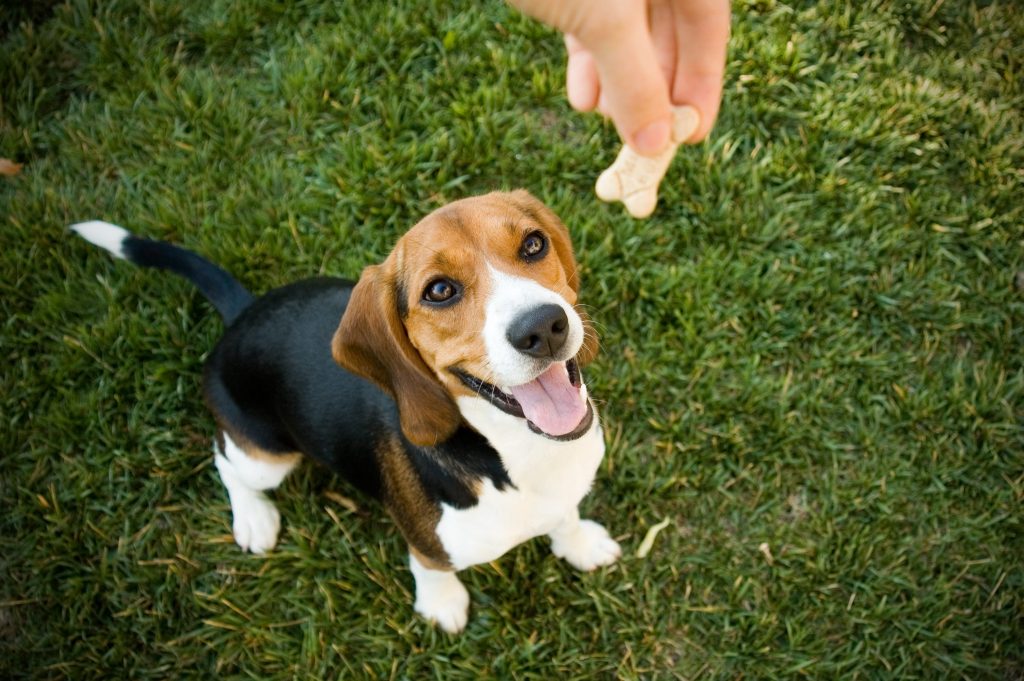
As you progress through training, you’ll discover that the journey is not just about dictating commands—it’s about building an unbreakable bond with your canine companion. Enjoy the process, and remember that every small victory deserves a celebration!
Setting the Stage for Successful Training
To begin the journey of teaching your dog basic commands, it’s paramount to grasp the principles that underpin effective training. Understanding your dog’s nature and utilizing a methodical approach will pave the way for successful learning and a positive training experience.
Choosing the Right Commands
Start with a clear set of basic commands that will form the foundation of your dog’s training. Here are a few essential commands to consider:
- Sit: A fundamental command that sets the stage for further learning.
- Stay: Essential for keeping your dog in one spot, especially in distracting environments.
- Come: A critical command for ensuring your dog returns to you safely.
- Down: Useful for calming an excited dog and providing a spot for relaxation.
- Leave it: Important for encouraging your dog to ignore distractions or potentially harmful items.
Choosing commands that you will consistently use in daily life makes the training more relevant for your dog. Think about your lifestyle and identify commands that will enhance both your dog’s safety and your quality of life together.
Establishing a Routine
Consistency is the backbone of effective dog training. Establish a training routine that works for both you and your dog. Here are some strategies to create an effective routine:
- Set a specific time: Designate a specific time daily for training, such as before meal times or during playtime. Dogs thrive on regularity.
- Short and frequent sessions: Aim for 5 to 10 minutes a day instead of long, tedious sessions. Dogs have short attention spans, so keeping it brisk keeps them engaged.
- End on a positive note: Always conclude training with a success story, whether that’s following a command correctly or simply a playful moment. Ending positively encourages further enthusiasm during future sessions.
Combining these approaches creates a structured learning environment where dogs feel secure and motivated to grasp new concepts.
Utilizing Positive Reinforcement
A pivotal aspect of teaching basic commands to dogs is the practice of positive reinforcement. Encouraging good behavior with rewards strengthens the bond between you and your canine companion while effectively fostering their language of learning. Here are some key points regarding positive reinforcement:
- Immediate rewards: When your dog performs a command correctly, reward them immediately. This helps them associate the command with the action.
- Variety of rewards: While treats are excellent motivators, don’t overlook the power of praise, playtime, or a favorite toy. Note that rewards can change based on your dog’s preferences.
- Avoid negative reinforcement: Training should never involve punishment. Instead, focus on redirecting unwanted behaviors positively.
As you embark on this training adventure, remember that teaching your dog basic commands requires patience, persistence, and a bit of creativity. Develop a strategy that reflects not only your goals but also your dog’s unique personality.
Essential Tips for Effective Dog Training
When it comes to training your dog, consistency and patience are key. It’s important to set aside regular time for training sessions, ideally, short bursts of around 5-10 minutes several times a day. This keeps your dog engaged and helps them to absorb the commands you are teaching. Use Positive Reinforcement One of the most effective training methods involves using positive reinforcement. This means rewarding your dog with treats, praise, or playtime whenever they successfully follow a command. This not only motivates them to repeat the action but also strengthens the bond between you and your pet.Start with Basic Commands Begin with the fundamental commands: “sit,” “stay,” “come,” and “down.” These commands can set a strong foundation for more advanced training. For example, the “sit” command can help manage your dog’s impulses, making your walks and outings more enjoyable. Be Clear and Concise Use clear and consistent commands. Avoid using multiple phrases for the same command as this can confuse your dog. Stick to simple words and ensure everyone in your household uses the same language when giving commands.Incorporate Distractions Gradually Once your dog masters a command in a quiet space, introduce distractions gradually. This can help your dog learn to obey commands even when faced with tempting distractions, like other animals or exciting scents.
Understanding Your Dog’s Personality
Every dog has a unique personality and learning style. Some may respond better to verbal commands, while others may do well with visual cues. Take time to observe your dog’s reactions and adjust your training style accordingly. A dog that is easily distracted may benefit from shorter, more frequent training sessions, while a more focused dog might thrive with longer sessions.
Avoiding Common Training Mistakes
It’s easy to fall into some common training pitfalls. One of the most vital mistakes to avoid is punishment. Punishing a dog for not understanding a command can lead to fear and anxiety. Remember, patience is crucial in the training process as both you and your dog learn together.Maintaining a joyful attitude during training also encourages your dog to enjoy learning. If either you or your dog feels frustrated, it might be best to take a break and try again later. Keeping the experience positive is essential to encourage your dog to engage willingly in their training sessions.By following these steps and tips for effective training, you’ll not only teach your dog basic commands but also create a harmonious relationship based on understanding and trust.
Implementing Effective Training Techniques
Once you have established a foundation for successful training, the next vital step is to implement effective techniques that promote understanding and compliance. Each dog is unique, so integrating various training methodologies will help cater to their particular needs and personalities.
Use Clear and Consistent Commands
Clarity in communication is essential. Use a specific word or phrase for each command and maintain consistency across all interactions. For example, if you choose “sit,” avoid using variations like “sit down” or “sit now,” as this may confuse your dog. Here are some tips to enhance clarity:
- Single-word commands: Keep it simple; dogs respond well to concise commands. Use one-word directives paired with a hand gesture to reinforce understanding.
- Consistency in tone: Maintain a friendly and encouraging tone for positive commands while using a firm but calm tone for corrections. Your dog should be able to differentiate between what’s expected behavior and what is not.
- Visual cues: Alongside verbal commands, consider incorporating hand signals or gestures. For instance, raise your hand while saying “stay” to create a visual connection that aids comprehension.
Timing is Key for Effective Learning
Understanding the importance of timing can greatly enhance your dog’s training outcomes. This principle involves rewarding behaviors at the right moment so that your dog can make the connection between the command and their action. Here are ways to optimize your timing:
- Quick rewards: When your dog performs a command correctly, provide a reward immediately, within just a few seconds. This immediacy ensures that the dog links the action with the reward.
- Intercept distractions: For commands such as “come” or “leave it,” if the dog deviates from the expected behavior, correcting them promptly can reinforce their understanding of boundaries.
Socializing Your Dog During Training
Integrating socialization into your dog’s training can further solidify their understanding and obedience. Exposing dogs to various situations, environments, and other dogs will help them learn how to respond appropriately. Consider the following aspects:
- Group classes: Enrolling your dog in group obedience classes can provide valuable socialization opportunities. These environments also help them learn to focus on you amidst distractions.
- Regular outings: Take your dog to parks or busy streets while practicing commands. This exposure enables them to learn how to respond, even in bustling environments.
- Meet new dogs: Setting up playdates with other dogs that are well-mannered can teach your dog to interact positively and learn to follow commands in a dynamic setting.
Monitoring Progress and Adjusting Methods
Training is an evolving process that requires adaptation based on your dog’s progress. Regularly assess how your dog is responding to the training methods you employ. Here are some strategies to ensure effective training adjustments:
- Track successes and challenges: Keep a training journal noting which commands your dog masters and where they struggle. This will help you identify areas that need more focus.
- Adjust rewards: If certain rewards become less motivating, switch them up. A missed treat can lead to decreased interest, so regularly updating your rewards is crucial.
- Consult professionals: If you encounter challenges, don’t hesitate to reach out to a certified dog trainer for tailored advice or techniques.
Through these techniques, you can foster a robust training environment that adapts to your dog’s evolving needs while reinforcing the significance of understanding basic commands.
Conclusion
Training your dog to understand basic commands is not only a matter of obedience but also fosters a deeper bond between you and your furry friend. By implementing clear communication, consistent routines, and effective timing, you pave the way for a successful training experience. Remember, patience is key; every dog learns at their own pace, and recognizing their unique personality will help tailor your approach.
Incorporating techniques like positive reinforcement, socialization, and continuous assessment allows you to identify what works best for your dog. Consider using tools such as a training journal to track progress, providing a clearer picture of areas needing more focus. Engaging in various environments and distractions will not only solidify their understanding of commands but also enhance their confidence and adaptability.
Moreover, don’t hesitate to seek professional guidance if challenges arise. Certified trainers can offer fresh perspectives and refined strategies, ensuring that both you and your dog are on the right path. Ultimately, the journey of teaching commands strengthens the companionship you share with your dog, creating a well-mannered pet ready to thrive in both serene and bustling environments.
As you embark on this rewarding training adventure, remember to celebrate each small victory along the way. With dedication and love, you’ll not only teach your dog essential commands but also pave the way for a joyful, harmonious life together.