Innovative Material Combination Techniques: Elevating Your Craft to a New Level

Revolutionizing Craft through Material Combination Techniques
Crafting has undergone significant transformations over the years, evolving from mere hobbyist activities into a dynamic expression of personal innovation and professional artistry. The emergence of material combination techniques has positioned this field at the forefront of creative exploration. Artisans today are not only focusing on individual materials; they are learning to harness the power of synergy by blending diverse elements, leading to stunning outcomes that enhance both form and function.
One of the key aspects of this evolution is the creation of unique textures. For example, the pairing of metals with textiles offers a tactile experience that is both interesting and visually appealing. Artists might create wall hangings that incorporate copper and silk, providing a rustic yet elegant aesthetic. Similarly, the fusion of wood with resin can create striking furniture pieces; the transparency of resin can illuminate the natural beauty of wood grains while introducing pops of color through added pigments.
The incorporation of varied elements also leads to improved durability in crafted items. This is particularly evident in fashion, where designers are blending synthetic materials with natural fibers to create garments that withstand the rigors of daily wear. Take, for instance, the use of advanced polymers mixed with cotton, resulting in clothing that not only feels comfortable but also offers moisture-wicking properties. This innovative fusion enhances the longevity of products, appealing to consumers seeking sustainable and enduring options.
Beyond durability, the fusion of materials enables enhanced aesthetics that truly captivate and inspire. Craft communities across the United States are experimenting with contrasting colors and patterns, producing artwork, home décor, and accessories that stand out in today’s fast-paced market. Brightly colored acrylics might be mixed with earthy woods in sculpture work, reflecting a harmonious balance between modernity and tradition.
The creative landscape is constantly evolving, with the blending of materials opening doors to virtually limitless possibilities. From furniture design that melds reclaimed wood with sleek metals to artisan jewelry incorporating unexpected materials like leather and recycled plastics, the realm of craft is broadening. The charm of material innovation not only elevates the aesthetic value but also encourages eco-conscious creation.
To support this craft-driven revolution, numerous workshops and online resources have sprung up across the nation. These platforms encourage budding creators to experiment with different material combinations, granting them the tools and knowledge necessary for artistic growth. Projects showcased by these communities not only highlight the latest trends but also inspire individuals to embrace their creativity.
As we delve deeper into these material combinations, we will uncover a plethora of inspiring examples and successful projects that illustrate the essence of crafting in this innovative era. The world of craft is expanding, inviting all to explore the captivating possibilities that today’s combination techniques offer.
DIVE DEEPER: Click here to discover creative DIY projects
Exploring the Artistry of Material Combinations
The exploration of material combination techniques is reshaping the creative landscape, inspiring artisans to push boundaries and experiment like never before. Merging diverse elements not only enhances the aesthetic appeal but also redefines functionality, encouraging crafters to think outside the box. This section delves into various methods that are revolutionizing the way we perceive and utilize materials in craft.
1. Layering Techniques
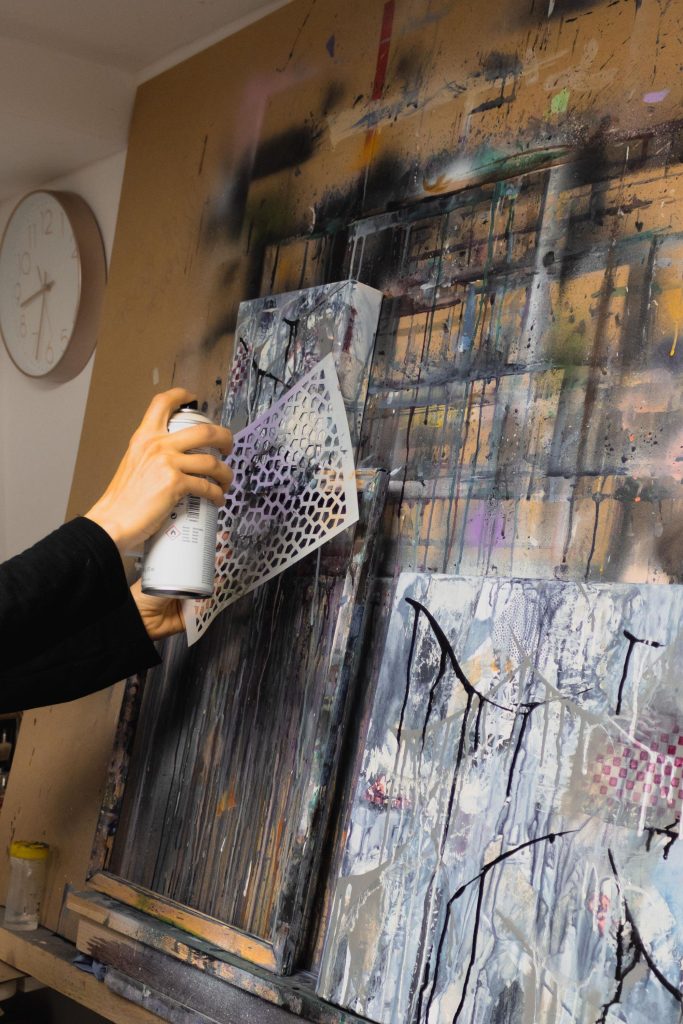
One popular approach within material combination techniques is the art of layering. This technique allows artists to create depth and complexity in their work. For instance, in textile design, layers of different fabrics like chiffon, tulle, and lace can yield an ethereal effect, adding dimension to the overall piece. Similarly, painters often employ a layering technique using mixed media, incorporating textures from sand, fabric, or even recycled objects to create a multifaceted visual experience.
2. Innovative Adhesion Methods
Advancements in adhesion technology have played a significant role in facilitating creative material combinations. Traditional adhesives are being replaced with innovative options like hot glue, epoxy resins, and even biodegradable adhesives. These modern solutions allow artists to bond disparate materials securely while ensuring that the final product maintains its integrity. For example, a sculptor might use epoxy resin to combine clay with glass, thereby creating striking installations that showcase both elements effectively.
3. Ferocious Fusions
The term “ferocious fusions” pertains to the bold mixing of robust materials that traditionally would not coexist in a crafted item. Metal and concrete are one example of this fusion, making their way into furniture design and architecture, resulting in industrial yet chic designs. Designers who embrace such materials can create eye-catching pieces that are not only functional but also serve as statement artworks. The trend of mixing technology with traditional craft, such as using 3D printing to mold intricate forms with conventional materials, further emphasizes the innovative spirit embodied in today’s craft.
4. Sustainability in Material Combinations
A significant driving force behind innovative material combinations is the push towards sustainability. Artisans are increasingly motivated to explore eco-friendly materials and work with reclaimed or recycled elements. This commitment to sustainability leads to inventive ways of combining materials, such as:
- Utilizing reclaimed wood paired with organic textiles for unique home decor.
- Integrating recycled glass and metals in jewelry making, resulting in striking conversation starters.
- Creating hybrid pieces that marry traditional crafting techniques with modern sustainable practices.
These efforts not only promote environmentally conscious crafting but also showcase a keen awareness of consumer preferences, making sustainability a vital factor in today’s market.
As we explore these innovative methods and their applications, it becomes clear that the possibilities are endless. The fusion of materials can lead to creative breakthroughs that elevate craftsmanship to new heights, inspiring both makers and consumers alike. Each combination tells a story, reflecting the unique perspectives of the artisans and reshaping the culture of craft in contemporary society.
| Category | Key Features |
|---|---|
| Hybrid Materials | Combining properties of different materials to enhance performance. |
| Sustainability | Eco-friendly innovations that reduce waste and promote recycling. |
| Versatility | Adaptable designs that cater to diverse applications. |
| Durability | Increased lifespan of products through advanced material properties. |
The evolution of Innovative Material Combination Techniques presents myriad advantages that elevate crafting to exciting standards. These techniques not only optimize existing resources but also pave the way for groundbreaking practices across genres. As artists and craftsmen delve deeper into the realm of hybrid materials, they unlock unparalleled potential—creating frameworks that seamlessly merge aesthetics with functionality.Among these advancements, the emphasis on sustainability stands out remarkably. By incorporating eco-friendly innovations, artisans not only reduce their environmental impact but also inspire a culture of responsible creativity. These techniques challenge conventional boundaries, underpinning the importance of using materials that are both renewable and durable.Moreover, versatility emerges as a crucial factor. Whether in fine arts, fashion, or construction, the ability to adapt various textures and properties allows for unique expressions tailored to individual projects. This not only enhances creative freedom but responds effectively to diverse market needs, proving that innovative combinations can set a new benchmark for quality and ingenuity. Engaging with these innovative techniques is essential for any craftsman aiming to stay ahead in their field, opening doors to infinite possibilities of creation and exploration.
DIVE DEEPER: Click here to discover more
Breaking Boundaries: Discovering New Techniques
As artisans continue to explore innovative material combination techniques, the landscape of crafting is being transformed. The intersection of traditional methods with modern science and technology is leading to a renaissance of creativity. This section highlights additional groundbreaking techniques and concepts that are pushing the limits of what can be achieved in various craft disciplines.
5. Biomimicry in Material Design
Biomimicry, an approach that draws inspiration from nature’s designs and processes, is making waves in the crafting community. By studying structures and materials used in the natural world, artisans can discover new ways to combine materials that enhance performance and sustainability. For example, mimicking the strength of a spider’s silk can lead to the creation of lightweight, yet incredibly durable textiles. Similarly, artists are inspired by the water-repellent properties found in lotus leaves to develop coatings that can provide similar effects on synthetic fabrics.
6. The Role of Digital Fabrication
Digital fabrication techniques, such as laser cutting, 3D printing, and CNC machining, have revolutionized how materials can be combined and manipulated. These technologies allow creators to design intricate shapes and forms, combining materials with unmatched precision. For instance, a designer might use 3D printing to create a complex base from bioplastics, then integrate natural materials like wood or stone for added texture and harmony. As these methods become more accessible, they offer crafters unprecedented opportunities to explore complex combinations of material in their artwork.
7. Collaborative Crafting
Collaboration between artisans from different disciplines has emerged as a catalyst for innovation. When experts from fields such as ceramics, metalwork, and textiles join forces, they can create hybrid pieces that not only showcase their combined skill sets but also offer unique insights into the properties of various materials. A notable example is a group of artists who collaborate on mixed-media installations that fuse ceramics with light projections, creating an immersive sensory experience that captivates the audience.
8. Experimental Techniques with Traditional Materials
Craft practitioners are often challenging traditional material properties by experimenting with temperature, pressure, and chemical treatments. For example, metal smiths are employing techniques such as anodizing or patination to alter the surface qualities of metals when combined with acrylics or woods. This experimentation leads to unexpected results that enhance aesthetic appeal and challenge conventional notions of permanence and durability in crafted objects. The process of applying heat to glass combined with metals can create beautiful, flowing effects, resulting in stunning sculptures and functional art pieces.
Future Trends in Material Combination
As the world continues to prioritize sustainability and innovation, the craft community is likely to see even more novel approaches to material combinations. The focus on functional art will shape future designs, with a growing emphasis on accessibility and adaptability. Techniques leveraging smart materials and dynamic properties will allow crafters to create responsive artworks that adapt to environmental conditions, enhancing the interactivity and functional value of their creations.
With each technique and combination, artisans are not merely creating objects; they are cultivating a culture of creativity that reverberates through the community. These innovations not only invite consumers to appreciate the uniqueness of crafted items but also encourage future generations to continue exploring and redefining the world of craft through the lens of material combinations.
LEARN MORE: Click here to discover the benefits of creative therapy
Conclusion: Embracing Innovation in Crafting
In an era where creativity knows no bounds, innovative material combination techniques stand at the forefront of artistic expression, inspiring craftsmen to venture beyond the conventional. As illustrated throughout this exploration, the fusion of traditional methods with cutting-edge technologies and principles from nature catalyze a new wave of crafting possibilities. From biomimicry to the intricate realm of digital fabrication, artisans are redefining the boundaries of what is achievable in their work.
Collaboration has become a cornerstone of innovation, allowing creators from diverse fields to blend their expertise, thereby enriching the artistic landscape. This cross-pollination of ideas not only results in compelling mixed-media creations but also encourages a shift in perspectives about materials and their potential applications. As crafters engage with experimental techniques, they challenge long-held beliefs about durability and permanence, forging a path toward a more sustainable and dynamic approach to art.
Looking ahead, the future of crafting will undoubtedly be shaped by a commitment to sustainability and functionality. With smart materials paving the way for responsive designs, artisans will continue to create works that not only captivate the eye but also respond meaningfully to their environments. As you embark on your own crafting journey, consider how these innovative techniques can elevate your work, emboldening you to explore, experiment, and ultimately transform the essence of your craft. The world is waiting to see how you will innovate and inspire the next generation of creators.