Innovative Painting and Drawing Techniques for Beginners
Exploring Techniques for Creative Expression
Art provides a vast arena for self-expression, creativity, and experimentation. For those just stepping into the world of art, it can be a thrilling journey filled with endless possibilities and opportunities for learning. Each brushstroke or pencil line not only represents a physical mark on a surface but serves as a pathway to discovering personal style and artistic voice. With the advent of modern tools and techniques, novice artists can find new ways to explore their creativity like never before.
Among the multitude of techniques available, three exciting approaches stand out, offering beginners the chance to deepen their artistic practice:
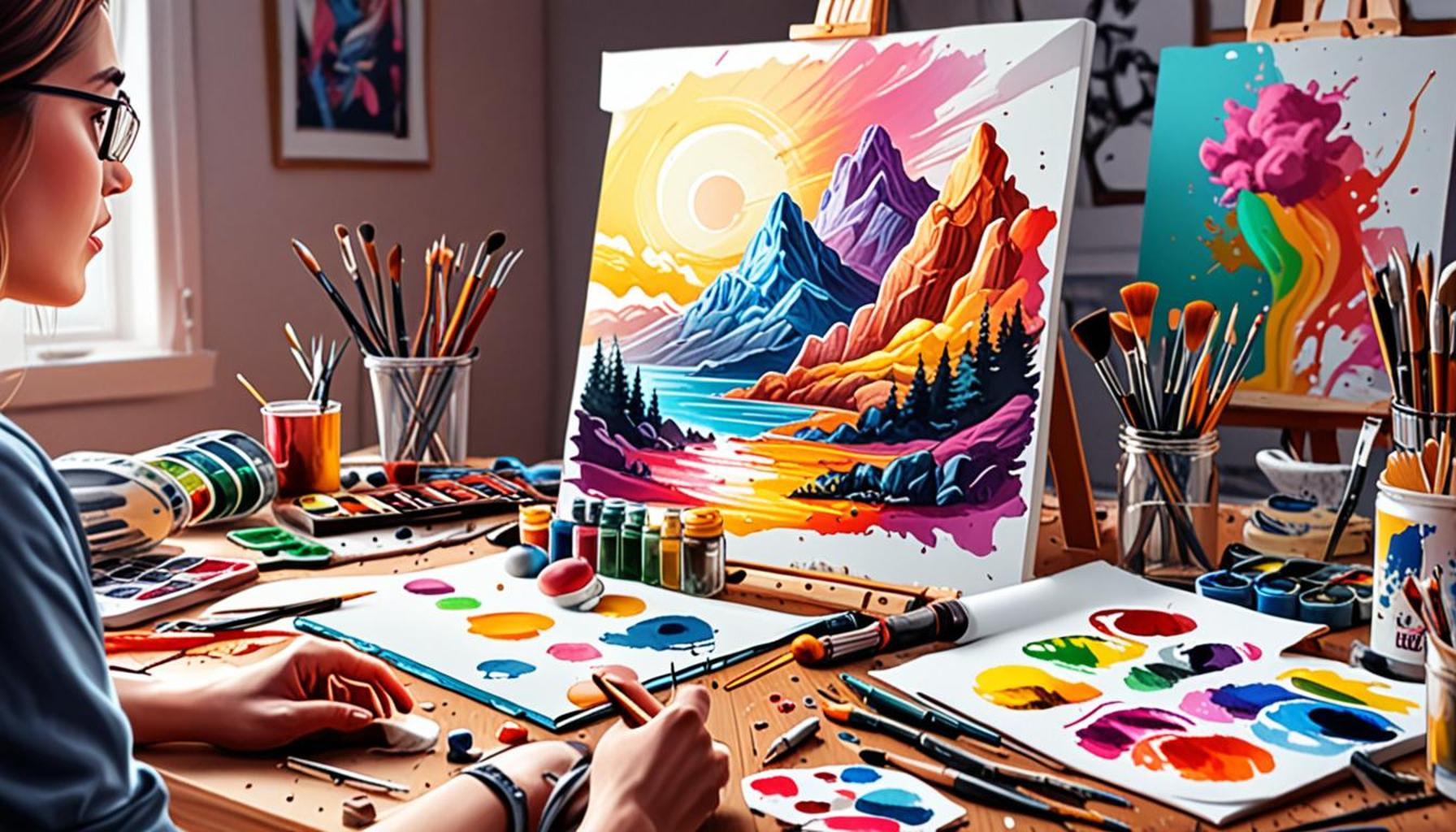
- Watercolor Layering: This technique involves applying thin washes of watercolor paint in multiple layers. By building up translucent layers, artists can achieve stunning blends and gradients that can evoke a sense of depth and luminosity. An artist might start with a light wash of blue to form the sky and gradually overlay deeper shades to create clouds or a sunset. Renowned watercolorists, such as Joseph Zbukvic, often employ this method to create vivid landscapes that capture the essence of light and atmosphere.
- Mixed Media: For those desiring to push their creative boundaries, the mixed media approach allows artists to combine various materials and techniques. Imagine layering acrylic paint with ink, incorporating textured materials like sand or fabric, and even adding photographic elements to create a dynamic artwork. This approach not only adds complexity and interest to pieces but also opens up avenues for personal narrative and storytelling. Artists like Tracy Emin have successfully employed mixed media to create evocative works that often reflect their personal experiences and emotions.
- Digital Art Tools: In the digital age, aspiring artists have unprecedented access to a suite of tools that simplify the artistic process. Software and apps such as Procreate or Adobe Fresco enable beginners to create stunning digital paintings or illustrations without the complications of traditional mediums. The undo button, customizable brushes, and infinite canvases allow for experimentation without the fear of making irreversible mistakes, paving the way for innovation and creative exploration.
Each of these techniques not only presents unique challenges but also provides rewarding experiences that can enhance skills and foster a sense of accomplishment. Embracing these innovative painting and drawing techniques can significantly contribute to an artist’s development, empowering them to experiment freely and discover what resonates with their artistic sensibilities. Moreover, cultivating a growth mindset—an important aspect for any aspiring artist—can lead to a fulfilling journey filled with learning, growth, and self-discovery.
If you’re intrigued by how these methods can elevate your artistic expression, it’s worth delving deeper into modern artistic practices. The exploration of these techniques can transform your creative output and redefine what you thought was possible in your art journey. So grab your tools and immerse yourself in this creative adventure—who knows what phenomenal works are waiting to emerge from your newfound passion!
DON’T MISS OUT: Click here to discover more
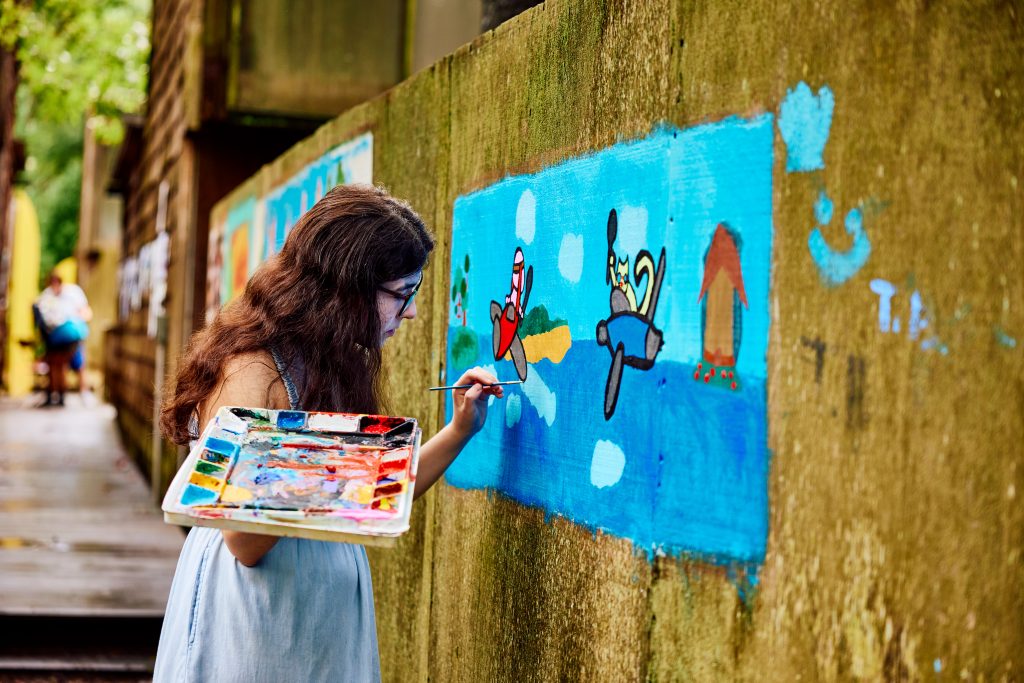
Unleashing Creativity Through Watercolor Layering
One of the most captivating techniques for beginners is watercolor layering. This method not only enhances your understanding of color theory but also teaches valuable lessons in patience and precision. By starting with a light wash and gradually adding darker layers, artists can create mesmerizing effects that echo the natural beauty found in landscapes or delicate portraits. Beginners will quickly learn that the key lies in building up tone and texture, which can elevate a simple piece to something truly remarkable.
For those looking to embark on their watercolor journey, here are a few essential tips to get you started:
- Select Quality Materials: Investing in decent watercolor paint, paper, and brushes will make a significant difference in your end results. Look for 100% cotton paper for optimal water absorption and vibrant colors.
- Practice Brush Techniques: Familiarize yourself with different brush strokes, from fine lines to broad washes. The versatility of your brushwork can add depth and energy to your compositions.
- Experiment with Drying Times: Each layer of your watercolor needs to dry before adding more paint; experimenting with drying times will help you master the art of layering without muddling colors.
Experimenting with Mixed Media Techniques
The mixed media technique is another innovative approach that encourages beginners to explore various materials and styles. This artistic practice empowers individuals to combine traditional mediums like acrylics and charcoals with unconventional items such as fabric, paper clippings, or even digital prints. This not only enriches the texture and visual interest of artworks but also serves as a platform for storytelling.
Mixed media can be an exhilarating way to express emotions, challenges, and triumphs. For instance, artists can capture a fleeting memory by combining photographs with painted elements to enhance narrative depth. Here are a few ways to dive into mixed media:
- Layering Textures: Use different materials, such as lace or tissue paper, to create varied surfaces that draw the viewer’s eye and invite touch.
- Create a Theme: Focus on a specific theme or emotion to guide your mixed media piece. This will help streamline your choices in materials and techniques.
- Incorporate Text: Using written text, whether it’s quotes or personal notes, can add a profound dimension to your artwork, inviting viewers to connect on a deeper level.
Diving into Digital Art Tools
In recent years, the world of art has been transformed by digital art tools. These platforms allow beginners to explore their creativity in an accessible and forgiving environment. Gone are the days of fearing the permanence of a single brushstroke. With digital applications like Procreate or Adobe Fresco, users can easily experiment with colors, brushes, and effects without the expense of traditional mediums.
For beginners eager to try their hand at digital art, here are several advantages to consider:
- Unlimited Resources: Digital platforms offer an extensive array of brushes and textures, allowing for endless experimentation without the logistical challenges of physical supplies.
- Easy Corrections: The undo feature is perhaps one of the most liberating aspects of digital art, enabling artists to refine their work without fear of mistakes.
- Community Engagement: Online communities and forums are abundant in the digital art space. New artists can find inspiration, resources, and feedback from fellow creators across the globe.
These innovative techniques not only provide a foundation for artistic exploration but also empower beginners to discover their unique voice. As you embark on your artistic path, remember that each method offers a learning experience that could shape your future work. Whether it’s the delicate nuances of watercolor, the adventurous realm of mixed media, or the modern capabilities of digital tools, there is something for every type of creator looking to unleash their imagination.
| Techniques | Benefits |
|---|---|
| Acrylic Pouring | Creates stunning abstract effects without requiring advanced skills. |
| Watercolor Resist | Offers surprising texture by combining resist materials with washes, encouraging creativity. |
| Digital Sketching | Allows for instant corrections and experimentation without the mess of traditional materials. |
| Mixed Media | Encourages personal expression by combining different mediums and techniques. |
The world of painting and drawing opens up a treasure trove of exciting possibilities for beginners eager to expand their creative horizons. Exploring innovative painting techniques, such as acrylic pouring, allows artists to create mesmerizing abstract compositions that seem complex but are surprisingly accessible. Similarly, utilizing watercolor resist techniques can foster not only new textures but also bold expressions that encourage experimentation.For digital-minded beginners, digital sketching provides a hassle-free platform where corrections and changes can be made instantly, making it an ideal medium for those hesitant to make permanent marks. Additionally, mixed media practices empower novices to combine various artistic tools and materials, offering an invaluable opportunity to cultivate a unique artistic voice.Diving into these innovative techniques sets the stage for a rewarding artistic journey, igniting an enthusiasm that inspires more creations and deeper exploration in the realm of art. Each method presents not just a skill but also a gateway to self-discovery and imagination in the vibrant world of art.
DIVE DEEPER: Click here to discover more about how art shapes personal narratives</a
Unlocking New Realms with Ink and Pen Techniques
For budding artists, ink and pen techniques offer a unique and engaging way to explore the world of drawing. This method encourages precision, while also allowing for spontaneity and creative freedom that can lead to stunning results. Ink drawing can range from detailed illustrations to free-flowing doodles, making it an inclusive approach for all skill levels. Beginners can find joy in various ink applications, including hatching, cross-hatching, and even splattering, which can add distinct character to their creations.
To make the most of ink and pen techniques, consider the following strategies:
- Experiment with Different Pens: From fine liners to brush pens, each type offers a unique line quality. Trying out an assortment will help you find your preferred style and texture.
- Practice Control: Begin by practicing control over your strokes. Simple exercises like drawing straight lines, curves, and spirals can help build confidence and skill.
- Layering Techniques: Just as with watercolor layering, you can build depth by layering ink. Start with light strokes and gradually build to denser lines to create shadows and textures.
Embracing the Freedom of Abstract Art
Another exciting approach for beginners is exploring abstract art. This technique allows artists to break away from the constraints of realism and instead focus on form, color, and emotion. Abstract art empowers creators to express their thoughts and feelings intuitively, transforming spontaneous gestures into impactful visual narratives. It also encourages risk-taking, which is crucial for growth as an artist.
To thrive in creating abstract art, consider these guidelines:
- Use Bold Colors: Vibrant hues can evoke deep emotions and draw attention. Experimenting with color palettes can fundamentally change the tone of your work.
- Incorporate Movement: Allow your body movements to influence your brushwork. Whether you prefer large sweeping strokes or quick tapping motions, each movement contributes uniquely to your art.
- Let Go of Perfection: Embrace the messy and the imperfect. Letting go of the need for a polished final product can lead to unexpected discoveries and rich artistic expression.
Bringing Artwork to Life with 3D Techniques
Finally, 3D techniques present an exceptional opportunity for beginners to create artworks that pop off the page. This approach involves using materials like clay, textiles, or even cardboard to add dimensions to your work. Artists can explore sculpture, mixed media, or even dioramas, giving pieces a tactile quality that traditional methods may not achieve.
To delve into 3D techniques, try these approaches:
- Start Small: Begin with smaller projects to gain a sense of dimension without overwhelming yourself. Consider crafting miniature models or small sculptural pieces.
- Think Outside the Canvas: Use everyday materials around your home, such as bottle caps or cardboard, to create unique structures or enhancements to your 2D work.
- Combine Techniques: Blending traditional drawing or painting with 3D elements can create captivating mixed-media masterpieces that surprise and engage the viewer.
Embracing various innovative painting and drawing techniques opens exciting avenues for beginners, providing opportunities for exploration and self-expression like never before. Each method presents the artist with unique possibilities, making it essential to experiment and discover what resonates most with one’s individual creativity.
DIVE DEEPER: Click here to uncover more insights
Conclusion: Ignite Your Artistic Journey
Embarking on the adventure of art can be both exhilarating and daunting. As we’ve explored throughout this article, there is a vibrant spectrum of innovative painting and drawing techniques available to beginners. From the precision of ink and pen to the expressive nature of abstract art, and the tangible dimensions of 3D techniques, each method offers unique pathways for self-expression and creativity.
Artists are encouraged to embrace experimentation, allowing their intuitive responses to guide their creative process. This willingness to explore will not only enhance artistic skills but also foster a deeper understanding of one’s personal style. Whether you’re layering colors in abstract forms or building intricate 3D structures with everyday materials, remember that the journey is just as important as the destination.
Additionally, engaging with fellow artists, either in-person or through online communities, can provide inspiration and constructive feedback. Sharing experiences and learning from one another nurtures growth and opens up new avenues for artistic exploration. There’s no right or wrong in art; the only constraint is one’s willingness to try.
In summary, the world of painting and drawing techniques is vast and accessible. By stepping outside of conventional boundaries, beginners have the opportunity to unlock a world filled with imagination and creativity. So, grab your tools and start experimenting—your artistic journey awaits!