Interactive Culinary Experience Itineraries: Learning to Cook with Local Chefs in Different American Regions
Interactive Culinary Experiences Await
There’s something extraordinary about stepping into a kitchen filled with the aroma of spices and the sounds of sizzling pans. The interactive culinary experience itineraries available across the United States invite food enthusiasts to transform their culinary skills while gaining valuable cultural insights. These programs are not just about learning recipes; they are immersive journeys that connect participants with the very essence of American cuisine.
Each region has its own unique flavors and cooking traditions that reflect the local climate, history, and communities. For example:
- In New Orleans, participants can delve into the world of Southern comfort food. Imagine mastering the art of gumbo, jambalaya, and beignets under the guidance of a local chef who shares stories of the city’s rich culinary heritage, influenced by French, Spanish, and African traditions.
- The Pacific Northwest offers a bounty of fresh seafood. Experience hands-on classes that focus on classic preparations like salmon en croûte or Dungeness crab cakes, while also understanding sustainable fishing practices and the importance of local resources.
- In Texas, the bold flavors of Tex-Mex cuisine await. Participants can explore vibrant dishes like enchiladas and fajitas, all while learning how these recipes evolved from a fusion of Mexican and American traditions, with a particular focus on fresh, local ingredients.
- The Northeast showcases the farm-to-table movement, where chefs often collaborate directly with local farmers. Here, culinary learners can embark on a journey to understand how seasonal produce influences menus, culminating in cooking classes that range from hearty soups to fresh summer salads.
What makes these itineraries truly special is their comprehensive approach. Each program not only includes hands-on cooking classes, but also provides exclusive access to local markets. Participants can engage with farmers and vendors, selecting authentic, fresh ingredients that they will later use in their cooking sessions. This connection with the food not only enhances the cooking experience but also deepens appreciation for the local culinary landscape.
Moreover, participants gain cultural insights that enrich their understanding of the regional cuisines. Cooking is often a reflection of a community’s history and values, and hearing the stories behind each dish can inspire a greater appreciation for the food. Whether you’re a novice cook just starting out or a seasoned foodie looking to refine your skills, these immersive experiences promise to elevate your culinary expertise.
Embrace the opportunity to create regional specialties while connecting with local traditions and stories. Join us as we traverse the diverse kitchens of America, where every dish not only satisfies the palate but also nurtures a passion for cultural exploration through culinary art.
DISCOVER MORE: Click here to dive into delicious local flavors
Discovering Local Flavors Through Culinary Classes
The journey into the heart of American cuisines begins long before you step into the kitchen. Each interactive culinary experience itinerary invites participants to explore the local cultures, stories, and flavors that have shaped regional dishes. The culinary classes not only teach you how to prepare a selection of traditional recipes but also immerse you in the agricultural landscapes and historical contexts that gave birth to these flavors.
For instance, a trip to New Orleans would not be complete without a visit to the historic French Market. Here, participants can interact with local vendors who share the origins and significance of iconic ingredients like Cajun spices and Louisiana seafood. These cultural excursions not only help participants select the best ingredients but also foster a deeper appreciation for the culinary traditions that have been passed down through generations.
Meanwhile, in the Pacific Northwest, learning to cook freshly caught salmon is elevated by understanding the principles of sustainable fishing. Programs often include visits to local fisheries, where chefs discuss the importance of ocean health. Participants get hands-on training with ingredients harvested from the coastline, enhancing the experience with stories of the indigenous cultures that have long relied on these resources.
A deeper understanding of neighborhood markets is another highlight of the Northeast itineraries. Participants are encouraged to embark on farm tours, where they can see firsthand how local produce is cultivated. This connection helps further not only their culinary skills but also their knowledge about seasonal cooking and the impact of local agriculture. Visitors walk away with a renewed sense of connection to their food and a commitment to supporting sustainable practices.
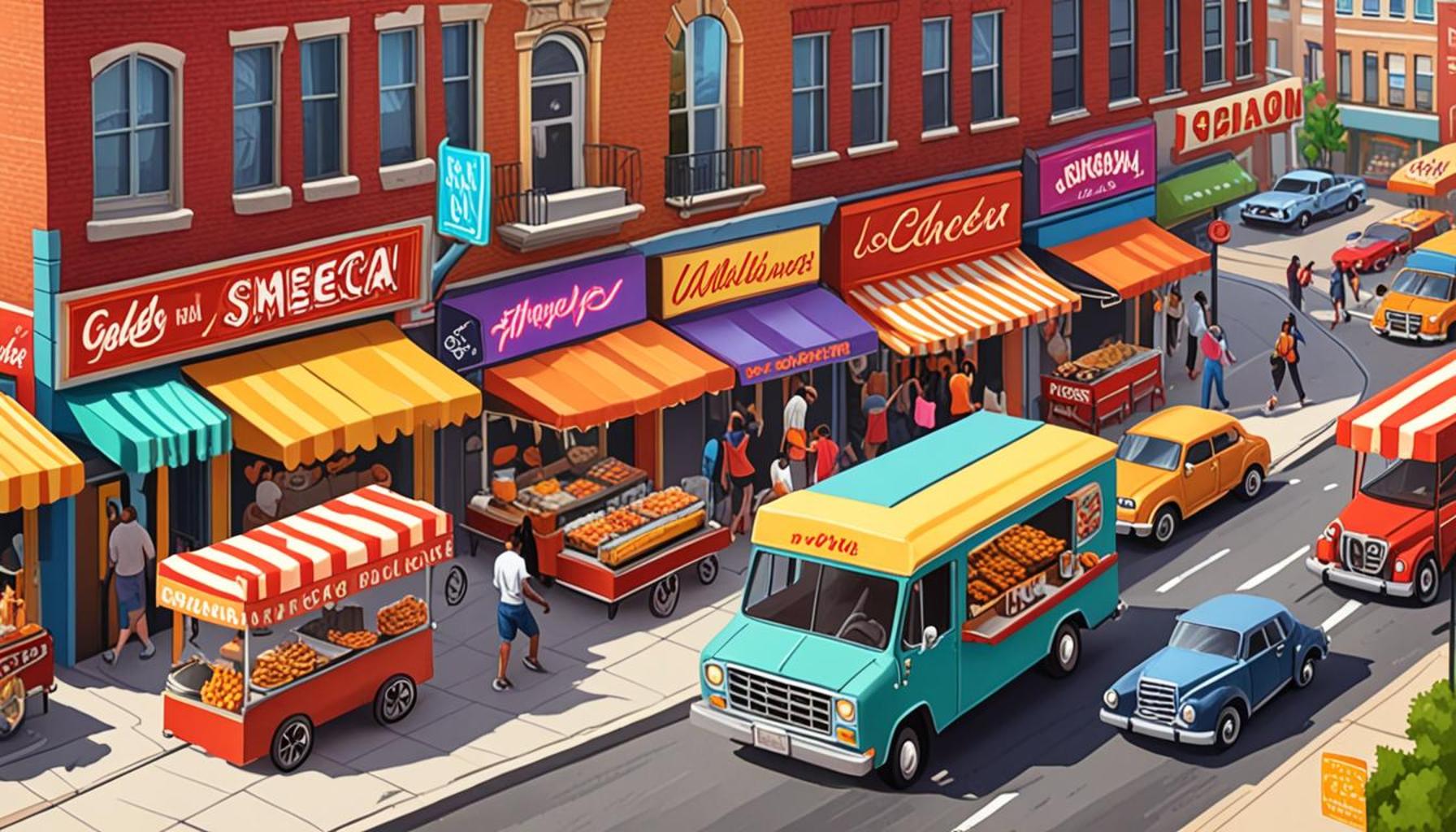
Interactive culinary experiences are designed to be engaging and educational. In Texas, one popular itinerary involves a tour of local taco trucks, showcasing the art of creating authentic Tex-Mex flavors. This hands-on approach enables participants to discuss the origins of each ingredient while exploring the diverse influences that shape the cuisine. From tortillas to salsas, the stories shared by local chefs and food truck owners offer invaluable insights into the history and evolution of the regional fare.
As hands sift through ingredients, laughter fills the air, and the kitchen buzzes with enthusiasm, participants find that these culinary classes nurture more than just cooking skills; they foster a sense of community and belonging. Each dish becomes a celebration of rich histories and a culinary tapestry woven from diverse cultural threads.
Ultimately, these interactive culinary experience itineraries serve as gateways to the soul of American cuisine. By uniting cooking with cultural engagement, they inspire a new generation of food enthusiasts—encouraging everyone to take these lessons home, integrating the stories and flavors encountered into their own kitchens. Exploring America’s gastronomic landscape in this way is not just about food; it’s about acquiring a profound understanding of the nation itself.
Exploring Culinary Diversity Across America
Immersing yourself in the vibrant culinary landscape of the United States offers not just a feast for the senses but also an educational journey steeped in culture. Interactive culinary experience itineraries allow participants to learn from local chefs who bring authenticity and passion to their cooking. By engaging in hands-on cooking sessions, you’ll explore not only regional ingredients but also local cooking techniques that have been passed down through generations.
From the spicy flavors of Tex-Mex cuisine in the Southwest to the fresh seafood dishes of New England, each itinerary presents a unique opportunity to delve into the traditional food practices of a specific region. Participants will not only learn to prepare authentic dishes but also gain insights into the stories behind each recipe, creating a deeper connection to the cuisine.
| Culinary Experience | Benefits |
|---|---|
| Interactive Cooking Lessons | Engage directly with chefs, enhancing your cooking skills and techniques. |
| Cultural Insights | Understand the rich history and cultural significance of regional dishes. |
This dynamic approach to learning the art of cooking not only prepares participants to create exquisite gourmet meals but also fosters lasting memories rooted in excitement and discovery. Each class serves as a gateway to new flavors and culinary stories waiting to be unearthed.
Whether you’re a beginner eager to explore the culinary world or a seasoned home chef looking to enhance your skills, these itineraries offer something for everyone. The opportunity to cook alongside local talent while celebrating the diversity of American cuisine presents a unique way to travel and appreciate cultural heritage through food.
DISCOVER MORE: Click here to delve deeper
Regional Specialties: A Culinary Roadmap
As the itineraries unfold, the diverse flavors of America come to life, showcasing the uniqueness of each region. From the southern charm of soul food to the vibrant nuances of Pacific cuisine, participants are taken on a culinary roadmap that highlights the special ties each dish has to its geographical roots.
In the Southwest, cooking classes often emphasize Mexican and Native American influences. Participants might gather prickly pear fruits or mesquite beans, learning the historical context behind ingredients often overlooked in mainstream recipes. Local chefs infuse their teaching with personal anecdotes, explaining how culinary practices are interwoven with cultural decisions. The celebration of heritage is palpable as you learn to prepare dishes like blue corn tortillas or wild rice pilaf with a holistic point of view that respects both the land and the traditions.
Traveling to the Midwest, the farm-to-table movement finds its roots in the vast agricultural heartland. Here, itineraries often include visits to family-run farms dotted across the landscape. Participants witness the grain harvest firsthand and learn how to prepare dishes featuring local staples like corn, wheat, and dairy products. Specialty classes concentrate on preserving traditional methods, with local chefs guiding attendees through canning workshops that echo the resourcefulness of past generations. As jars fill with jams and pickles, there’s a palpable sweetness in rediscovering these culinary techniques.
Shifting to the flavors of New England, the emphasis is placed on seafood and seasonal fare. Itineraries typically feature excursions to iconic lobster shacks or bustling fishermen’s markets in coastal towns where participants can engage with fishermen about sustainable fishing practices. Cooking classes include hands-on lobster boiling sessions and clambake methodology, grounding each dish in New England history. The atmosphere crackles with excitement as chefs passionately recount tales of the sea, creating a bond between participants and the region’s culinary identity.
The Importance of Hands-On Learning
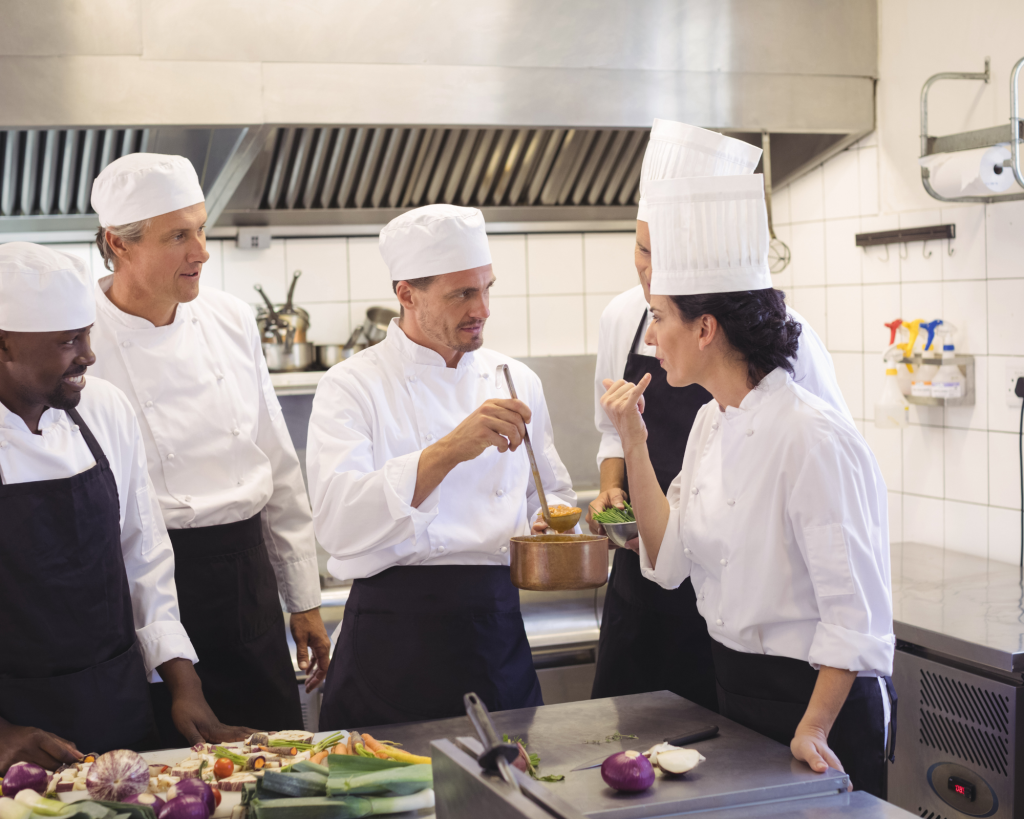
One of the most exciting aspects of these culinary itineraries is the emphasis on hands-on learning. Participants quickly find that cooking alongside local chefs fosters an environment ripe for creativity and experimentation. Whether it’s perfecting the art of pasta in a rustic Italian kitchen in the Northeast or braising meats during a classic barbecue class in the South, these experiences encourage participants to engage with the cooking process actively.
The unpredictability of cooking—measuring ingredients, tasting mixtures, and adjusting flavors—mirrors the journey of learning about cultural diversity. By collaborating with local chefs from various backgrounds, participants deepen their culinary skills while also developing an appreciation for the methods that have been refined over generations. Each lesson becomes a story, enriching the culinary experience with layers of knowledge that move beyond simple recipes into cultural exposition.
Moreover, these interactive itineraries often culminate in sharing meals prepared together, fostering a sense of achievement and belonging. Whether dining in a farmhouse in the Heartland or at a communal table in a bustling kitchen, the experience provides a moment of connection—bonding with fellow food lovers while cherishing the authentic tastes and stories of the region.
The exposure to regional specialties paired with hands-on learning creates an invaluable opportunity for participants. It transforms casual cooks into culinary ambassadors, promoting the story of America’s rich gastronomic heritage one dish at a time.
DISCOVER MORE: Click here for winter adventure ideas
Conclusion: Discovering Culinary Heritage
In summary, interactive culinary experience itineraries provide an exceptional opportunity for enthusiasts to immerse themselves in the vibrant gastronomic traditions of the United States. By learning to cook alongside local chefs, participants not only acquire valuable culinary skills but also gain profound insights into the cultural narratives that shape regional cuisines. Every session highlights the essence of American food heritage, from the heartwarming comfort of Southern dishes to the fresh, ocean-inspired flavors of New England.
These itineraries serve as a sensory passport, allowing individuals to explore the diverse tapestry of flavors and cooking styles that enrich American culture. Through hands-on learning, participants engage with ingredients native to each region, revive traditional cooking methods, and foster connections with local farmers and fishermen, thereby contributing to a sustainable food cycle. The shared meals at the end of each cooking class embody the spirit of community, celebrating not just the food but the friendships forged in the kitchen.
As participants embark on this culinary journey, they become ambassadors of their newfound knowledge, equipped to share the stories behind every dish. Exploring America’s culinary landscape through these interactive experiences ultimately offers a delicious way to understand the intricate relationship between food, culture, and history. The adventure of cooking with local chefs unveils the rich narratives encapsulated within each recipe, inspiring a deeper appreciation for the flavors that define the regions they explore. Interested in embarking on your culinary adventure? Dive into the world of interactive culinary experiences today and unlock the rich traditions waiting to be discovered.